Ribose: Energy, Heart Health, and Athletic Performance
Discover how D-ribose naturally boosts cellular energy, supports heart health, and enhances exercise performance.
What Is Ribose?
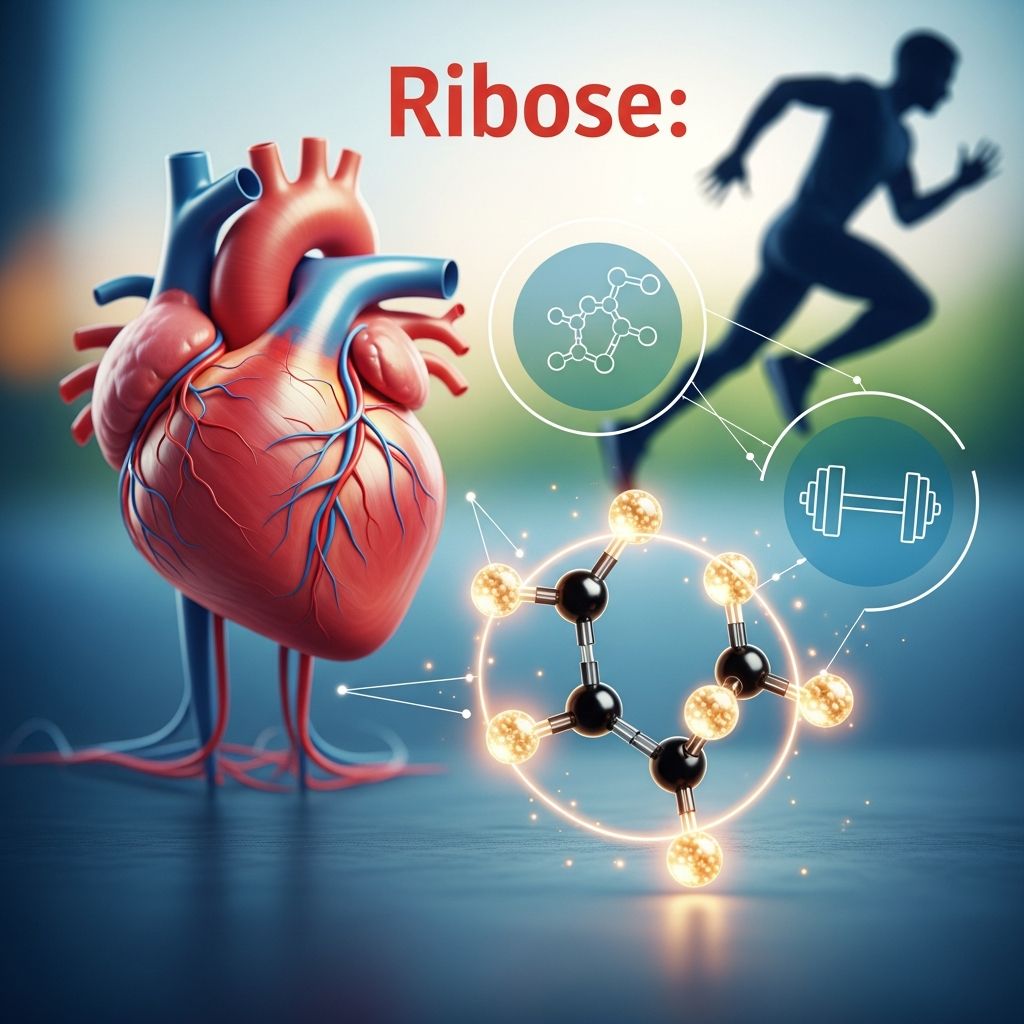
Ribose, also known as D-ribose, is a naturally occurring pentose carbohydrate that your body produces on its own. This simple sugar is fundamentally different from glucose and other common sugars because it plays a critical structural and metabolic role in every living cell. Rather than serving primarily as a fuel source like glucose, ribose functions as a building block for essential molecules that keep your cells functioning optimally.
Your body naturally synthesizes ribose in several tissues, with the liver, adrenals, and fat tissue being the highest producers. However, the heart, brain, muscles, and nerve tissues also manufacture this vital compound. Understanding ribose’s unique role helps explain why supplementation has garnered significant scientific attention in recent years.
The Role of Ribose in Energy Production
At the cellular level, ribose plays an indispensable role in one of biology’s most fundamental processes: ATP (adenosine triphosphate) synthesis. ATP is the energy currency of the cell—the molecule responsible for powering virtually every cellular process in your body. Without adequate ATP, your cells cannot function properly, and fatigue, weakness, and disease can result.
Ribose serves as a critical component of ATP and other nucleotides, which are the building blocks of RNA and DNA. More specifically, ribose-5-phosphate participates in the pentose phosphate pathway, a metabolic route that generates the nucleotides needed to synthesize and resynthesized ATP. This is why ribose supplementation may bypass rate-limiting steps in energy production, allowing your body to rapidly replenish depleted energy stores—particularly important after intense exercise or in tissues that have experienced oxygen deprivation.
Heart Health and Cardiovascular Benefits
One of the most extensively researched applications of ribose supplementation is its potential to support and restore heart health. The heart is one of the most energy-demanding organs in the body, consuming ATP constantly to maintain its powerful contractions and regulate blood flow throughout the body.
Recovery After Ischemic Events
When the heart experiences ischemia—a temporary reduction in blood flow and oxygen—myocardial (heart muscle) cells rapidly deplete their ATP stores. D-ribose may help restore viable heart tissue and accelerate recovery following cardiac events. Research has shown that animals given D-ribose before ischemia maintained contractile function 25% longer before irreversible injury occurred and maintained significantly elevated glycogen stores. In human cardiac imaging studies, D-ribose infusion revealed viable areas of heart muscle that were not previously identifiable, suggesting the supplement helps “wake up” damaged but potentially recoverable tissue.
Blood Flow and Inflammation
Ribose has been shown to improve blood flow and reduce inflammation in cardiovascular tissue. By helping myocardial cells restore ATP and increase contractility, ribose promotes better circulation and reduces the risk of reperfusion injury—oxidative damage that occurs when blood flow returns to tissue after an ischemic event. These combined effects may improve overall heart function and reduce the risk of heart disease progression.
Athletic Performance and Exercise Capacity
Athletes and individuals engaged in regular intense exercise face unique energy demands. Muscle tissue rapidly depletes ATP during high-intensity activity, and recovery requires efficient ATP resynthesis. Ribose supplementation may enhance exercise performance and reduce fatigue by accelerating the replenishment of muscle energy stores.
Related Stories



Research indicates that oral D-ribose supplementation can increase adenine nucleotide synthesis and improve exercise capacity in certain populations. For individuals with chronic fatigue syndrome or fibromyalgia—conditions characterized by persistent muscular exhaustion—ribose may provide particular benefit by improving energy metabolism and supporting the mitochondrial function necessary for sustained physical activity.
Cognitive Function and Brain Health
The brain is among the most metabolically active organs, consuming approximately 20% of your body’s energy at rest. Ribose supports brain function through multiple mechanisms. As a building block of RNA and DNA, ribose contributes to optimal cognitive function and memory. Additionally, by improving energy metabolism and reducing oxidative stress in the brain, ribose supplements have been shown to improve cognitive performance, reduce mental fatigue, and increase alertness.
Immune Function and Gut Health
Ribose plays an important role in immune system function by supporting the production and maintenance of critical immune cells, including T-cells and B-cells. The supplement also helps reduce inflammation and oxidative stress throughout the body, creating a more favorable environment for immune response.
In the gastrointestinal tract, ribose supports the growth and maintenance of beneficial bacteria, including Lactobacilli and Bifidobacteria. By promoting healthy gut flora, ribose may help reduce gastrointestinal symptoms such as bloating, cramping, and diarrhea, while simultaneously supporting the gut barrier function essential for overall health.
Antioxidant Properties and Cellular Protection
Ribose possesses antioxidant properties that help protect cells from damage caused by free radicals. Free radical damage contributes to aging, inflammation, and numerous chronic diseases. By neutralizing oxidative stress and improving mitochondrial function—the process by which cells generate ATP—ribose helps maintain cellular integrity and supports healthy aging.
Liver Function and Metabolic Health
The liver is responsible for synthesizing ribose and managing carbohydrate metabolism. Ribose is metabolized in the liver and has been shown to support liver function by reducing inflammation and oxidative stress. The supplement also helps improve energy metabolism and glucose uptake in the liver, potentially benefiting individuals with liver conditions or metabolic disorders.
Food Sources of Ribose
While your body naturally produces ribose, you can also obtain it through dietary sources. Foods that contain significant amounts of ribose include:
- Grass-fed beef
- Organic chicken
- Sardines and other fatty fish
- Eggs
- Yogurt and other fermented dairy products
However, the ribose content in food is generally modest, which is why supplementation may be necessary to achieve therapeutic levels for specific health conditions.
Ribose Supplementation: Dosage and Forms
D-ribose supplements are available in powder and capsule forms. Typical supplementation protocols vary depending on the intended use, with research studies using doses ranging from 5 to 15 grams daily. For those considering ribose supplementation, consulting with a healthcare provider is essential to determine appropriate dosage based on individual health status and objectives.
Important Safety Considerations
While ribose is generally well-tolerated, several important considerations warrant attention:
- Blood Sugar Effects: Although ribose is a simple sugar, it is not known for raising blood sugar levels. However, individuals taking the supplement are often advised that it can lower blood sugar, making monitoring important for those with diabetes or blood sugar concerns.
- Diabetic Concerns: Research has identified potential mechanisms by which high D-ribose concentrations may affect protein glycosylation in individuals with diabetes, potentially forming advanced glycation end products (AGEs) that could contribute to diabetic complications. Individuals with diabetes should use ribose supplementation only under medical supervision.
- Individual Variation: Responses to ribose supplementation vary among individuals, and what benefits one person may not produce the same results in another.
Specific Health Conditions and Ribose
Congestive Heart Failure
D-ribose has been clinically indicated as beneficial for treating congestive heart failure (CHF), where the heart cannot pump blood efficiently. By supporting ATP resynthesis in weakened myocardial tissue, ribose may improve cardiac output and reduce symptoms associated with heart failure.
Fibromyalgia and Chronic Fatigue Syndrome
These debilitating conditions are characterized by widespread musculoskeletal pain and profound fatigue. Scientific studies demonstrate that D-ribose may help address these conditions by improving energy production in muscle tissue and supporting mitochondrial function.
Skin Health and Anti-Aging
Research suggests that ribose can boost skin health, particularly regarding visible signs of aging such as wrinkles. This benefit likely stems from ribose’s antioxidant properties and its role in supporting cellular energy and collagen synthesis.
Frequently Asked Questions
Q: Is D-ribose the same as regular sugar?
A: No. While both are carbohydrates, D-ribose is a pentose sugar with a different metabolic role than glucose or sucrose. Rather than being primarily used for energy, ribose functions as a structural component of nucleotides and ATP, making it fundamentally different from table sugar.
Q: Can ribose supplementation raise my blood sugar?
A: D-ribose is not known for raising blood sugar levels like glucose does. However, some evidence suggests it can actually lower blood sugar, so individuals with diabetes should monitor their blood sugar levels carefully and consult healthcare providers before supplementing.
Q: How long does it take to see benefits from ribose supplementation?
A: The timeline for experiencing ribose’s benefits varies by individual and by the specific condition being addressed. Some people report improved energy within days, while others may require weeks or months. Consistency with supplementation is typically necessary to achieve optimal results.
Q: Is ribose supplementation safe for everyone?
A: While generally well-tolerated, ribose supplementation requires caution in individuals with diabetes, kidney disease, or those taking certain medications. Pregnant and nursing women should consult healthcare providers before supplementing. Always discuss new supplements with your doctor.
Q: Can athletes benefit from ribose supplementation?
A: Yes. Research indicates that ribose may enhance exercise capacity and reduce fatigue by accelerating ATP resynthesis in muscle tissue, potentially improving athletic performance and recovery in certain individuals.
Q: What is the best way to take ribose supplements?
A: D-ribose supplements come in powder and capsule forms. Powder forms can be mixed into beverages, while capsules offer convenient dosing. Follow manufacturer recommendations or healthcare provider guidance for optimal results and timing of supplementation.
References
- Ribose Benefits, Uses, Side Effects, Supplements and More — Dr. Axe. 2024. https://draxe.com/nutrition/ribose/
- D‐ribose: Potential clinical applications in congestive heart failure and myocardial ischemia — Spandidos Publications. 2021-03-15. https://www.spandidos-publications.com/10.3892/etm.2021.9927
- Can D-Ribose Heal The Heart After Attack? New studies reveal how a low-cost nutrient can protect the heart from reperfusion injury — Life Extension. 2008-05-01. https://www.lifeextension.com/magazine/2008/5/d-ribose-energize-your-heart-save-your-life
- Potential Clinical Benefits of D-ribose in Ischemic Cardiovascular Disease — Cureus. 2020. https://www.cureus.com/articles/10915-potential-clinical-benefits-of-d-ribose-in-ischemic-cardiovascular-disease
- Effects of oral D-ribose supplementation on anaerobic capacity and selected metabolic markers in healthy males — PubMed/National Institutes of Health. 2003. https://pubmed.ncbi.nlm.nih.gov/12660407/
Similar Articles








Read full bio of Sneha Tete