Rice Lower in Heavy Metals: Safer Choices
Discover which rice varieties and cooking methods reduce heavy metal exposure like arsenic and cadmium for safer family meals.
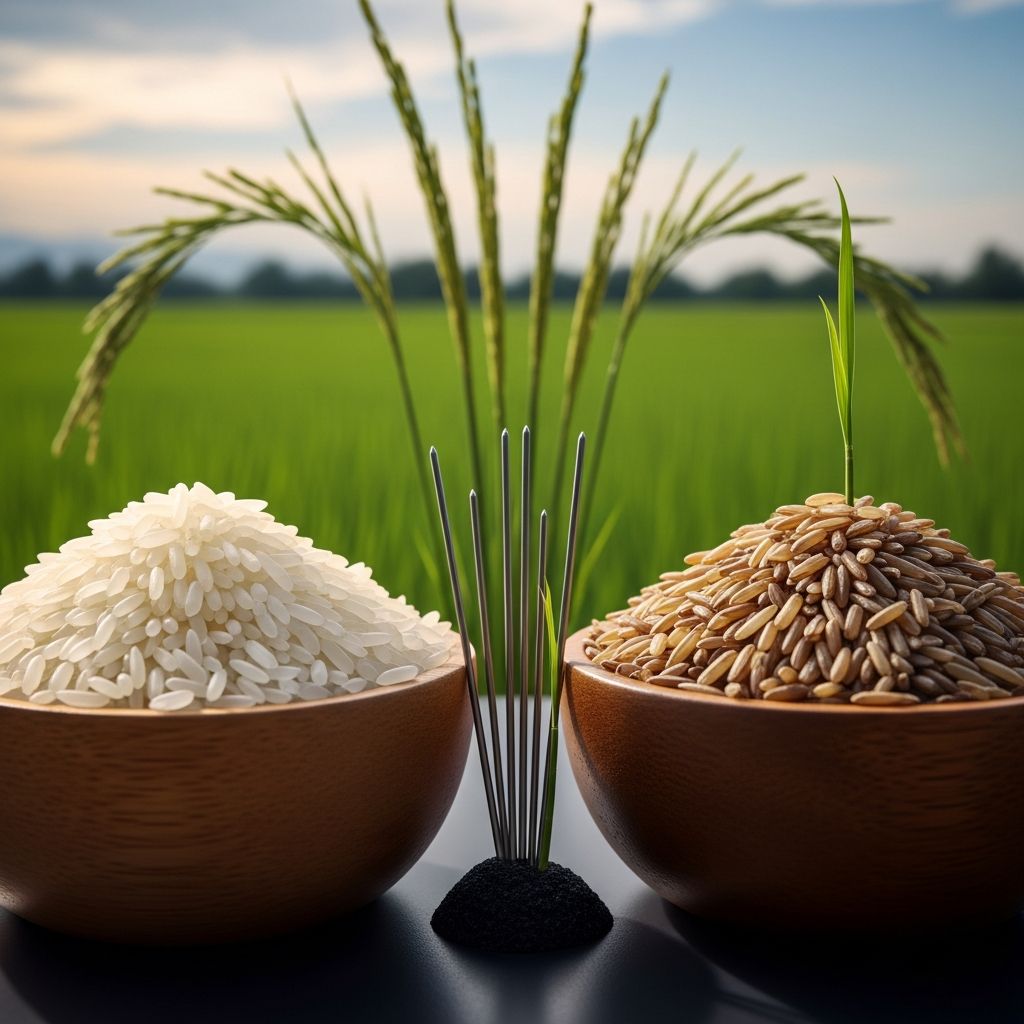
Rice, a dietary staple for billions, often contains toxic heavy metals like arsenic, cadmium, lead, and mercury, with arsenic detected in 100% of tested U.S. store-bought samples. Infants and pregnant women face heightened risks from arsenic, linked to developmental delays, IQ loss, and cancer, as rice is the top arsenic source in young children’s diets.
Heavy Metals in Rice: The Hidden Danger
Rice plants efficiently absorb heavy metals from soil and water, particularly arsenic, due to flooded paddy fields mimicking natural arsenic-rich conditions. A Healthy Babies Bright Futures (HBBF) report tested 145 rice samples nationwide, finding arsenic in every one, with over 25% exceeding FDA limits for infant cereal—levels deeming commercial products adulterated. Cadmium appeared in nearly all samples, contributing to cumulative toxicity risks like cancer and neurodevelopmental harm.
Brown rice retains the bran layer where metals concentrate, showing 1.5 times higher inorganic arsenic (154 ppb) than white rice (92 ppb), per FDA data. U.S. rice from Southern states averages highest contamination, surpassing many imports. For infants, whose smaller bodies amplify exposure impacts, rice poses severe threats during critical brain development windows.
Health Risks of Heavy Metals in Rice
Arsenic drives most concerns: inorganic forms cause lung/bladder cancer, cardiovascular disease, hypertension, diabetes, obesity, and IQ drops in children. HBBF notes rice as the leading solid-food arsenic source for kids under two, outpacing infant cereals now regulated.
Cadmium accumulates in kidneys/liver, raising cancer and bone damage risks. Lead impairs neurodevelopment; mercury affects brain/nervous system. Prenatal exposure heightens lifelong vulnerabilities, with no safe threshold for kids.
Rice Varieties Lower in Arsenic
Not all rice equals risk: origin, type, and processing matter. California-grown rice shows 30-50% less arsenic than Southern U.S. varieties due to cleaner water/soil. Imports like Indian/Japanese basmati and Thai jasmine/sushi rice test lowest, often under 100 ppb.
| Rice Type/Origin | Average Arsenic (ppb) | Recommendation |
|---|---|---|
| Southern U.S. (e.g., Texas, Louisiana) | 200-300 | Avoid or limit |
| California white | ~90 | Preferred |
| Indian basmati | ~70 | Best choice |
| Thai jasmine | ~80 | Good option |
| Brown rice (any) | 150-250 | Higher risk |
White rice consistently lower than brown; choose labeled origins for safety.
How to Cook Rice to Reduce Arsenic
“Parboiling” slashes arsenic by 50-60%: rinse thoroughly, use 6:1 water-to-rice ratio, boil 5 minutes uncovered, drain/rinse, then simmer with 2:1 ratio. This leaches metals into discarded water without stripping nutrients much. Studies confirm up to 60% reduction vs. standard absorption methods.
- Rinse rice until water runs clear to remove surface starch/metals.
- Parboil ratio: 6 cups water per 1 cup rice.
- Drain & refresh: Use clean water for final cook.
- Avoid pressure cookers initially; they retain contaminants.
Safer Grain Alternatives to Rice
HBBF tested 66 samples of nine grains: quinoa, farro, barley, oats, millet, buckwheat, sorghum, teff, amaranth averaged 69% less heavy metals than rice. These offer similar textures/nutrition with minimal arsenic/cadmium.
Related Stories



- Quinoa: Complete protein, low metals.
- Barley: Heart-healthy fiber.
- Oats: Versatile breakfast staple.
- Millet: Gluten-free, nutrient-dense.
Swap in porridges, pilafs, or sides; infants tolerate well.
Tips for Parents: Protecting Babies and Toddlers
Rice dominates U.S. infant diets via cereals/purees, but HBBF urges limits: serve no more than twice weekly, prioritize alternatives. For pregnancy, minimize to protect fetal brain growth. Make homemade baby food from low-arsenic rice or grains; avoid brown rice cereals.
- Check labels for origin (California, basmati).
- Mix grains: rice + quinoa halves exposure.
- Use parboil method always.
- Diversify: multifood diets cut single-source risks.
What Can Be Done: Policy and Industry Actions
FDA set infant cereal arsenic limits (100 ppb), slashing levels 45%, but unregulated plain rice remains top threat. HBBF recommends: action levels for arsenic/cadmium in rice, labeling for compliant products, mandatory testing/reporting. States could follow by restricting rice subsidies.
Frequently Asked Questions (FAQs)
Is all rice contaminated with heavy metals?
Yes, HBBF found arsenic in 100% of 145 U.S. samples; cadmium in nearly all.
White rice or brown rice: which is safer?
White rice has ~50% less arsenic as milling removes bran where metals concentrate.
How do I pick low-arsenic rice?
Opt for basmati (India/Pakistan), jasmine (Thailand), or California-grown; avoid Southern U.S. brown rice.
Does rinsing rice remove arsenic?
Rinsing helps slightly, but parboiling with drain reduces up to 60%.
Are there safe grains for babies instead of rice cereal?
Yes, quinoa, oats, barley have 69% less metals on average.
Should pregnant women eat rice?
Limit intake; rice is a key arsenic source during critical fetal development.
Conclusion: Empower Your Choices
Heavy metals in rice are unavoidable but manageable via smarter selections, cooking, and substitutions. Parents can slash exposures dramatically, safeguarding children’s health amid slow regulations. Prioritize variety for nutrition without toxins.
References
- Report: High Levels of Arsenic and Cadmium in Store-Bought Rice Pose Health Threats to Infants — Food Safety. 2025-05-15. https://www.food-safety.com/articles/10395-report-high-levels-of-arsenic-and-cadmium-in-store-bought-rice-pose-health-threats-to-infants
- Arsenic in brown rice: do the benefits outweigh the risks? — PMC / NIH. 2023-07-25. https://pmc.ncbi.nlm.nih.gov/articles/PMC10375490/
- What’s in your family’s rice?: Arsenic, Cadmium, and Lead in Popular Rice Brands — Healthy Babies Bright Futures (HBBF). 2025-05-01. https://hbbf.org/sites/default/files/2025-05/Arsenic-in-Rice-Report_May2025_R5_SECURED.pdf
Similar Articles








Read full bio of medha deb