Ricin Poisoning: Symptoms, Treatment & Emergency Care
Understanding ricin poisoning: routes of exposure, symptoms by type, and emergency response protocols.
Understanding Ricin Poisoning
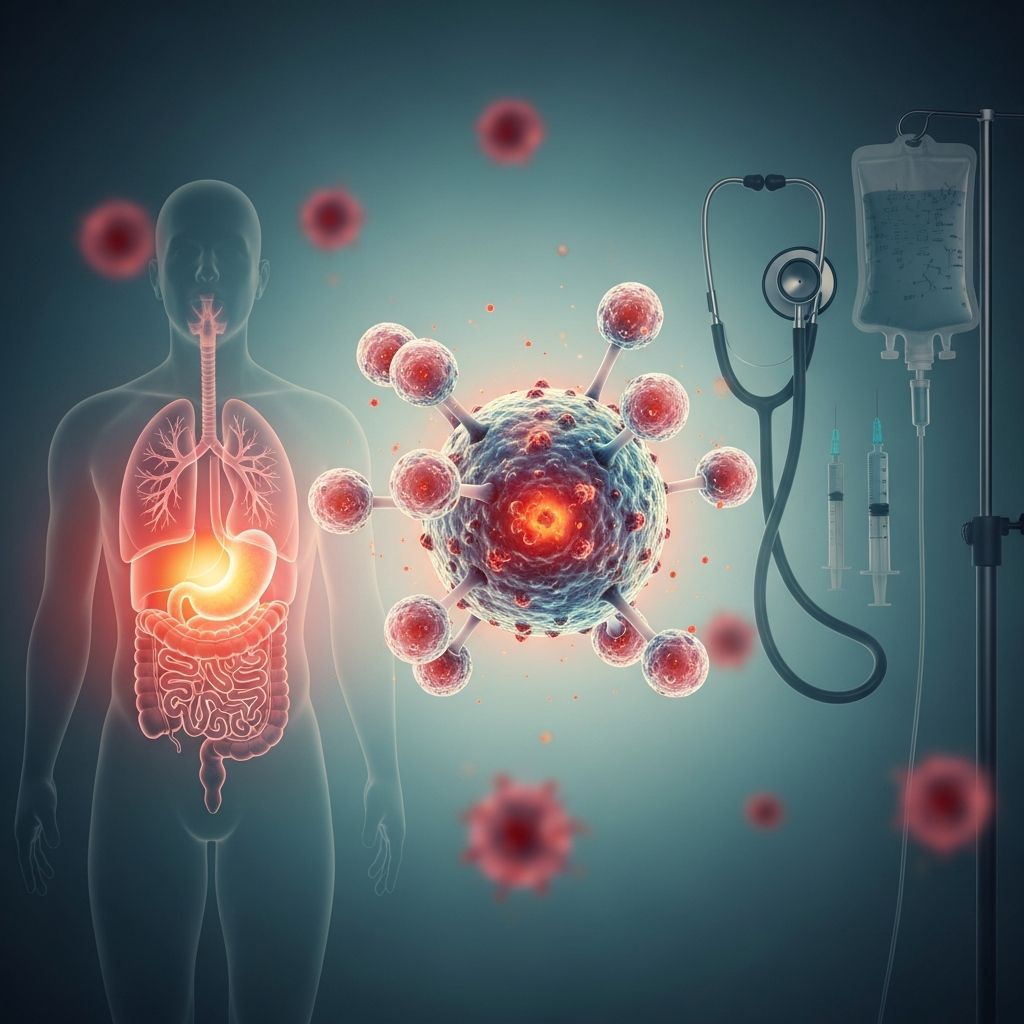
Ricin is a highly toxic protein derived from castor beans that poses a serious threat to human health. This potent toxin works by preventing cells from making proteins, which leads to cell death and ultimately organ failure. Understanding ricin poisoning is essential for recognizing symptoms, seeking appropriate medical care, and taking preventive measures. Ricin can enter the body through three primary routes: inhalation, ingestion, or injection, with each pathway presenting distinct symptoms and progression patterns.
What is Ricin?
Ricin is a toxic protein found in castor beans that can be weaponized or released through accidental exposure. The toxin is approximately 6,000 times more lethal than cyanide and only a small amount is needed to cause severe harm. Ricin works by inhibiting protein synthesis in cells, effectively shutting down cellular function and leading to widespread organ damage. The toxin can penetrate cells within four hours of exposure, making the effects rapidly irreversible. Due to its lethality and potential for misuse, ricin is a concern for public health and safety officials.
Routes of Exposure to Ricin
Ricin can enter the human body through multiple pathways, each with different severity and symptom profiles:
Inhalation Exposure
When ricin is inhaled as an aerosol or powder, it affects the respiratory system directly. Inhalation exposure typically results in the most rapid onset of symptoms among the three routes. Early symptoms may appear between 4 to 24 hours after exposure, with progression potentially leading to death within 36 to 72 hours if untreated.
Ingestion Exposure
Consuming ricin through contaminated food or water requires larger amounts of the toxin to cause serious harm compared to other routes. However, even small quantities can be lethal. Ingestion symptoms typically begin within 10 hours of exposure and primarily affect the gastrointestinal system initially before progressing to systemic organ failure.
Injection Exposure
Injection delivers ricin directly into tissue and the bloodstream, making it extremely dangerous with rapid symptom onset. This route causes localized tissue damage at the injection site along with systemic effects. Injection exposure can lead to death relatively quickly through multi-organ failure.
Symptoms of Ricin Poisoning by Exposure Route
Inhalation Symptoms
When ricin is breathed in, it affects multiple body systems progressively. Initial symptoms may include:
– Difficulty breathing- Fever- Cough- Nausea- Chest tightness
Within 18 to 24 hours, additional symptoms may develop such as sweating, aches, and pains. As the condition worsens, more severe manifestations can occur including:
– Fluid buildup in the lungs (pulmonary edema)- Blue-tinted skin- Low blood pressure- Respiratory failure
Death from inhalation exposure typically occurs within 36 to 72 hours, resulting from damage to the heart, blood vessels, and severe respiratory compromise.
Ingestion Symptoms
Swallowing ricin causes primarily gastrointestinal symptoms initially, though it can progress to systemic effects. Early symptoms typically appear in less than 10 hours and include:
Related Stories



– Vomiting- Diarrhea (which may become bloody)- Severe dehydration- Nausea
As poisoning advances, additional serious symptoms may manifest:
– Seizures- Blood in urine- Hallucinations- Liver, kidney, and spleen failure- Multi-organ failure leading to death
Injection Symptoms
Injection of ricin causes rapid and localized effects around the injection site followed by systemic symptoms. These include:
– Immediate local tissue and muscle injury- Pain at injection site- Weakness developing within hours- Swollen lymph nodes- Fever (typically within 24 hours)- Dehydration- Multi-organ failure
Skin and Eye Exposure
Ricin is unlikely to penetrate normal, intact skin, but contact with ricin powders or contaminated materials can cause localized reactions including redness and pain. If ricin contacts the eyes, it can cause inflammation and discomfort. Immediate first aid for eye exposure involves removing glasses or contacts and rinsing eyes thoroughly with plain water for 10 to 15 minutes.
Timeline of Ricin Poisoning Effects
The progression of ricin poisoning follows a critical timeline that emphasizes the urgency of medical intervention:
| Exposure Route | Initial Symptoms | Symptom Progression | Critical Timeline |
|---|---|---|---|
| Inhalation | 4-24 hours | Respiratory symptoms worsen within hours | Death 36-72 hours |
| Ingestion | Less than 10 hours | GI symptoms progress to organ damage | Death 36-72 hours |
| Injection | Pain within hours, fever within 24 hours | Rapid systemic spread | Death within days |
First Aid and Immediate Response
If you suspect ricin exposure, immediate action can help reduce the severity of poisoning. The Centers for Disease Control and Prevention (CDC) recommends specific steps based on the type of exposure:
Inhalation Exposure First Aid
– Move away from the contaminated area immediately- Get to fresh air as quickly as possible- Avoid re-exposure to the source- Seek medical attention promptly
Skin Contamination First Aid
– Remove contaminated clothing immediately- Wash skin thoroughly with large amounts of soap and water- Avoid touching face or eyes until hands are clean- Dispose of contaminated clothing in a sealed bag
Eye Contamination First Aid
– Remove glasses or contact lenses immediately- Rinse eyes with plain water for 10 to 15 minutes- Do not rub eyes- Seek medical attention
For all exposure types, seeking immediate medical attention is critical, as early intervention can significantly improve outcomes.
Medical Treatment Options
Current Treatment Limitations
Unfortunately, there is no FDA-approved cure or antidote for ricin poisoning. Since ricin can penetrate cells within four hours of exposure, making its effects irreversible, any therapeutic interventions must be administered extremely quickly to be effective. This narrow treatment window emphasizes the importance of rapid medical response and early recognition of exposure.
Supportive Medical Care
Treatment focuses on managing symptoms and supporting vital organ function to allow the body time to recover. Supportive care may include:
– Respiratory support, including oxygen administration and mechanical ventilation if needed- Intravenous fluid replacement to combat severe dehydration- Medications to treat seizures- Medications to manage low blood pressure- Activated charcoal if ricin was recently swallowed- Electrolyte replenishment- Vasopressors or other blood pressure support medications
Specific Treatment by Exposure Route
For inhalation exposure, treatment specifically addresses respiratory distress and may include bronchodilators, endotracheal intubation, and positive end-expiratory pressure (PEEP) supplementation. For ingestion exposure, aggressive intravenous hydration, antidiarrheal medications, and antiemetics are commonly used to manage gastrointestinal symptoms and prevent further dehydration.
Prognosis and Recovery
The outcome of ricin poisoning depends significantly on the dose, route of exposure, and how quickly medical treatment is received. Individuals who survive the first five days have a reasonably good chance of recovery. Supportive care extending beyond the critical 72-hour window can allow the body to eliminate the toxin naturally and begin healing damaged tissues.
Prevention and Safety Measures
The most effective strategy against ricin poisoning is prevention through awareness and precaution. Avoiding contact with castor beans and being aware of potential ricin hazards can reduce exposure risk. Researchers are currently investigating vaccination approaches that may provide protection against ricin’s effects, offering hope for future preventive strategies.
Frequently Asked Questions
Q: Can ricin poisoning be diagnosed with a specific test?
A: There is no good test to confirm ricin exposure. Diagnosis is primarily based on clinical symptoms, known exposure history, and ruling out other conditions. Medical professionals must rely on patient history and symptom presentation to identify ricin poisoning.
Q: Is there a vaccine for ricin poisoning?
A: Currently, there is no approved vaccine for ricin. However, research is exploring vaccination approaches that could prevent serious side effects and death from ricin exposure in the future.
Q: How quickly do symptoms appear after ricin exposure?
A: Symptom onset varies by exposure route. Inhalation may show symptoms in 4-24 hours, ingestion typically within 10 hours, and injection can cause immediate localized pain with systemic symptoms within hours.
Q: What is the survival rate for ricin poisoning?
A: Survival depends on dose, route, and speed of medical intervention. People who survive beyond five days have a good chance of recovery with continued supportive care.
Q: Can ricin pass through skin?
A: Ricin is unlikely to penetrate normal, intact skin, though contact can cause local inflammation and pain. The main routes of concern are inhalation, ingestion, and injection.
Q: What should healthcare workers do when treating ricin poisoning?
A: Healthcare workers should use standard barrier precautions including gowns, eye shields, masks, and gloves when handling patients with ricin poisoning, particularly when managing vomiting or diarrhea.
References
- Symptoms and Treatments for Ricin Poisoning — Soligenix, Inc. 2025. https://www.soligenix.com/our-focus/what-is-ricin-intoxication/
- Ricin Poisoning: Causes, Symptoms, Next Steps — Healthline Media. 2025. https://www.healthline.com/health/ricin-poisoning
- Ricin Poisoning After Oral Ingestion of Castor Beans — National Center for Biotechnology Information (NCBI). 2020. https://pmc.ncbi.nlm.nih.gov/articles/PMC7700980/
- Ricin Fact Sheet — Minnesota Department of Health. 2025. https://www.health.state.mn.us/diseases/ricin/ricin.html
- Ricin: Chemical Emergencies — Centers for Disease Control and Prevention (CDC). 2025. https://www.cdc.gov/chemical-emergencies/chemical-fact-sheets/ricin.html
- Ricin Poisoning — Mayo Clinic. 2025. https://www.mayoclinic.org/diseases-conditions/toxic-hepatitis/expert-answers/ricin/faq-20057863
Similar Articles








Read full bio of Sneha Tete