Rickets: Causes, Diagnosis, And Treatment Guide
Discover the essentials of rickets, from nutritional deficiencies to genetic forms, including symptoms, diagnosis, and effective treatments for healthy bone growth.
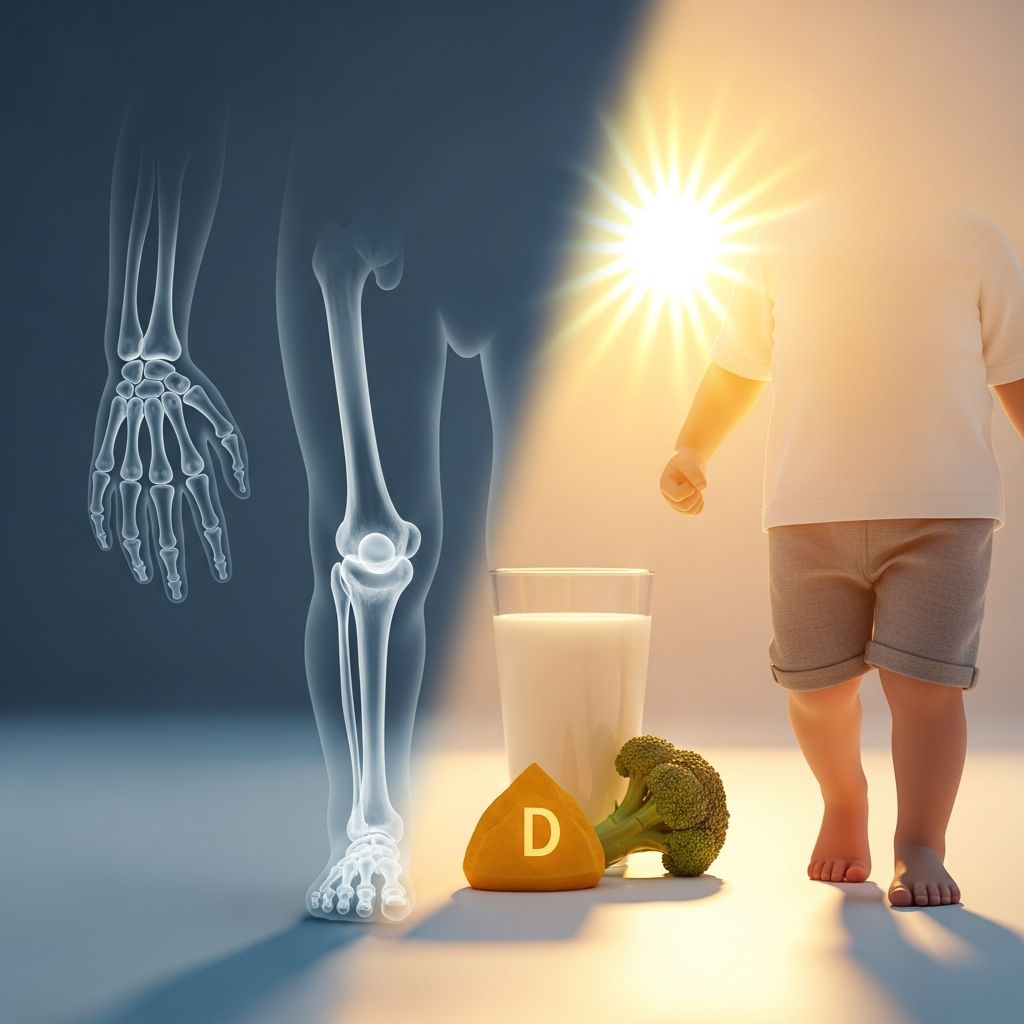
Rickets is a childhood disorder that impairs bone mineralization, leading to soft, weak bones prone to deformities. It primarily affects growing children due to disruptions in calcium, phosphate, or vitamin D balance, with nutritional deficiencies being the leading cause worldwide.
Understanding Bone Development in Children
During childhood, bones grow rapidly through growth plates, areas of cartilage at the ends of long bones that harden into bone via mineralization. This process requires adequate supplies of calcium and phosphate, regulated by vitamin D, parathyroid hormone (PTH), and fibroblast growth factor 23 (FGF23). When these elements falter, hypertrophic chondrocytes in the growth plate fail to undergo proper apoptosis, causing widened, irregular metaphyses and skeletal abnormalities.
Healthy mineralization ensures strong bones, but rickets disrupts this, resulting in clinical manifestations that vary by age and severity. Early intervention restores normal growth in most cases, particularly nutritional forms.
Recognizing the Signs of Rickets
Symptoms emerge based on the child’s age, disease duration, and underlying cause. Common indicators include:
- Thickened wrists, ankles, or knees from metaphyseal widening.
- Bowed legs (genu varum), knock-knees (genu valgum), or waddling gait.
- Growth failure and short stature.
- Bone pain, muscle weakness, and delayed motor milestones like walking.
In infants, additional features are delayed fontanelle closure, frontal bossing (prominent forehead), parietal bossing, and craniotabes (soft skull). Older children may show rachitic rosary (rib cage bumps), pigeon chest, or spinal curvatures like scoliosis.
Non-skeletal issues include hypotonia, irritability, respiratory infections, delayed dentition, anemia, and hypocalcemia-induced seizures or cardiomyopathy. Prompt recognition prevents permanent deformities.
Classifying the Many Faces of Rickets
Rickets arises from over 20 causes, split into nutritional, hereditary hypophosphatemic, calcipenic, and other rare forms. Nutritional rickets stems from vitamin D or calcium shortages, while hereditary types involve genetic mutations in vitamin D pathways, phosphate handling, or FGF23 regulation.
| Type | Main Cause | Key Features |
|---|---|---|
| Nutritional | Vitamin D/Calcium deficiency | Low 25(OH)D, high PTH, normal/low phosphate |
| X-linked hypophosphatemic (XLH) | PHEX gene mutation | Low phosphate, high FGF23, normal calcium/vitamin D |
| Vitamin D-dependent (VDDR) | 1-alpha-hydroxylase or VDR defects | Low calcium/phosphate, high PTH, low 1,25(OH)2D |
| Hypophosphatasia (HPP) | ALP gene mutation | Low ALP, high phosphoethanolamine |
This classification guides diagnosis and therapy, as treatments differ significantly.
Unpacking Nutritional Rickets
The most prevalent form, nutritional rickets, results from insufficient vitamin D synthesis (via sunlight) or intake, compounded by low dietary calcium. Risk factors include exclusive breastfeeding without supplements, dark skin, limited sun exposure, malabsorption, or diets lacking fortified foods.
Exclusively breastfed infants need vitamin D drops (400 IU daily) since breast milk provides minimal amounts. Globally, it affects regions with low sunlight or poor nutrition, but resurgence occurs in developed areas due to indoor lifestyles.
Genetic and Hereditary Variants
Hereditary rickets includes X-linked hypophosphatemia (XLH), the most common, caused by PHEX mutations elevating FGF23, which promotes renal phosphate wasting. Symptoms start around walking age: short stature (short limbs), dental issues, hearing loss, and craniosynostosis.
Related Stories



Vitamin D-dependent rickets type 1 (VDDR1) involves 1-alpha-hydroxylase deficiency, impairing active vitamin D production; type 2 (VDDR2) features vitamin D receptor defects, often with alopecia. Autosomal dominant hypophosphatemic rickets (ADHR) links to FGF23 mutations. These demand genetic testing for targeted therapies like burosumab for XLH.
Diagnostic Journey: From Suspicion to Confirmation
Diagnosis combines history (diet, sun exposure, family cases), physical exam, labs, and imaging. Elevated alkaline phosphatase (ALP) is universal (except HPP). Key labs:
- Serum calcium, phosphate (age-adjusted).
- 25(OH)D, 1,25(OH)2D, PTH, FGF23.
- ALP, phosphate regulators.
Radiographs of wrists/knees reveal fraying, cupping, splaying, and widened growth plates. The Radiographic Severity Score (RSS) quantifies changes (0-10 scale).
For suspected genetics, sequence relevant genes (PHEX, CYP24A1). Pitfalls include mistaking for abuse or other metabolic disorders; always correlate biochemically.
Treatment Strategies for Lasting Recovery
Treatment targets the cause:
- Nutritional: Vitamin D (stoss therapy: high-dose, or daily 2000-5000 IU) plus calcium; heals in weeks-months.
- Hypophosphatemic: Phosphate salts + active vitamin D; burosumab (FGF23 inhibitor) for XLH improves growth.
- VDDR: High-dose calcitriol; calcium for VDDR2.
- Surgical: Osteotomies for deformities post-mineralization.
Monitor via labs, X-rays; nutritional cases often fully resolve, genetic ones require lifelong management.
Preventing Rickets in At-Risk Populations
Prevention focuses on vitamin D supplementation (400 IU/day for infants), sun-safe exposure (10-15 min midday), calcium-rich diets (dairy, greens). Public health campaigns in high-risk groups (dark-skinned, veiled, northern latitudes) reduce incidence.
Pregnant women need 600 IU vitamin D; fortified foods help. Screening high-risk kids catches early cases.
Potential Complications and Long-Term Outlook
Untreated rickets causes permanent deformities, fractures, growth stunting, dental defects, and seizures. Adults may develop osteomalacia. Early treatment yields excellent prognosis for nutritional rickets; genetic forms need ongoing care but improve quality of life.
Frequently Asked Questions (FAQs)
What is the main cause of rickets?
Vitamin D deficiency from poor diet or sunlight is primary, but genetic phosphate issues also contribute.
Can rickets be cured completely?
Yes, for nutritional types with prompt treatment; genetic forms are managed lifelong.
How is rickets diagnosed in babies?
Via clinical signs (bossing, craniotabes), blood tests (high ALP, low vitamin D), and wrist X-rays.
Is rickets only in developing countries?
No, it occurs globally, including in affluent nations due to lifestyle factors.
Should breastfed babies get vitamin D?
Yes, 400 IU daily supplements are recommended.
Emerging Research and Future Directions
Recent guidelines emphasize precise classification and therapies like burosumab, showing RSS improvements and height gains in XLH trials. Gene therapies and FGF23 modulators hold promise. Multidisciplinary care (endocrinologists, orthopedists) optimizes outcomes.
References
- Rickets guidance: part I—diagnostic workup — PMC/NCBI. 2022-07-20. https://pmc.ncbi.nlm.nih.gov/articles/PMC9307538/
- Diagnosis, treatment, and management of rickets: a position paper — Frontiers in Endocrinology. 2024-05-14. https://www.frontiersin.org/journals/endocrinology/articles/10.3389/fendo.2024.1383681/full
- Rickets: Symptoms, Causes & Treatment — Cleveland Clinic. 2023-08-15. https://my.clevelandclinic.org/health/diseases/22459-rickets
- Rickets — Health Encyclopedia, FloridaHealthFinder. 2024-01-10. https://quality.healthfinder.fl.gov/health-encyclopedia/HIE/1/000344
- Rickets – Symptoms & causes — Mayo Clinic. 2023-11-07. https://www.mayoclinic.org/diseases-conditions/rickets/symptoms-causes/syc-20351943
- Rickets — MedlinePlus. 2024-02-01. https://medlineplus.gov/rickets.html
Similar Articles








Read full bio of Sneha Tete