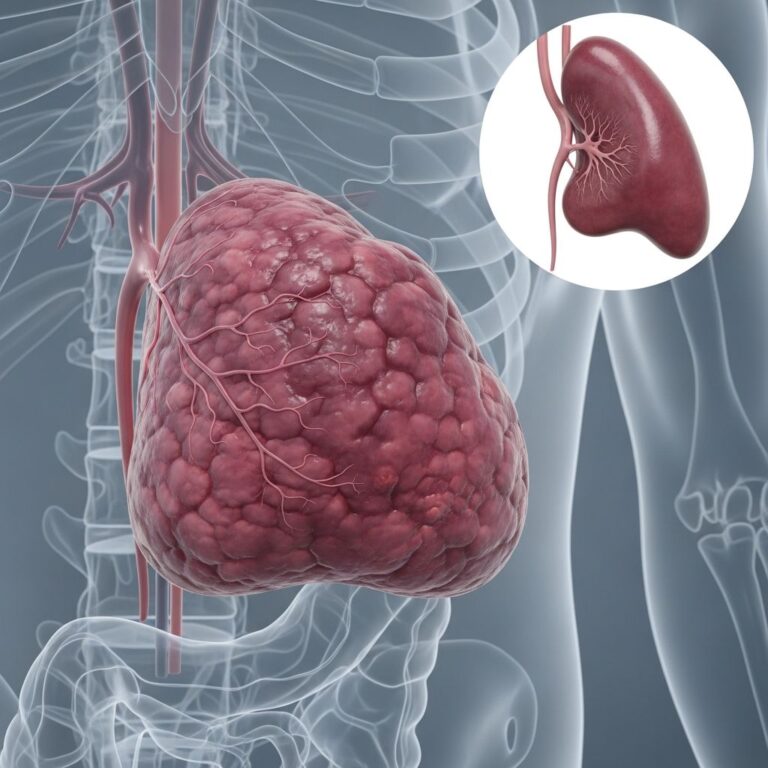
Rickets In Children: Signs, Causes, And Treatment Guide
Understanding rickets: causes, symptoms, diagnosis, and effective treatment options for children.
Understanding Rickets: A Comprehensive Guide
Rickets is a medical condition that significantly impacts your child’s bone development and overall growth. This disorder weakens and softens your child’s bones, causing them to bend, warp, and break more easily than healthy bones. While rickets is considered rare in developed nations, it remains a serious global health concern affecting children’s quality of life and long-term development. The condition is preventable and treatable when diagnosed early, making awareness and understanding of this disease essential for parents and caregivers.
The most common cause of rickets is vitamin D deficiency, which prevents your child’s body from properly absorbing essential nutrients like calcium and phosphorus. These minerals are fundamental building blocks for developing strong, healthy bones during childhood and adolescence. Without adequate vitamin D, calcium, and phosphorus, children cannot develop the skeletal strength necessary for normal physical activity and growth. Understanding the signs, causes, and treatment options can help you protect your child’s bone health and ensure proper development during these critical years.
What Is Rickets?
Rickets is a metabolic bone disease characterized by impaired mineralization of growing bone tissue. This impairment results in bone frailty, deformities, and compromised growth and development. The condition primarily affects infants and young children whose bones are still developing and mineralizing. When rickets develops, it disrupts the normal process of bone formation, leading to structural weakness and visible deformities.
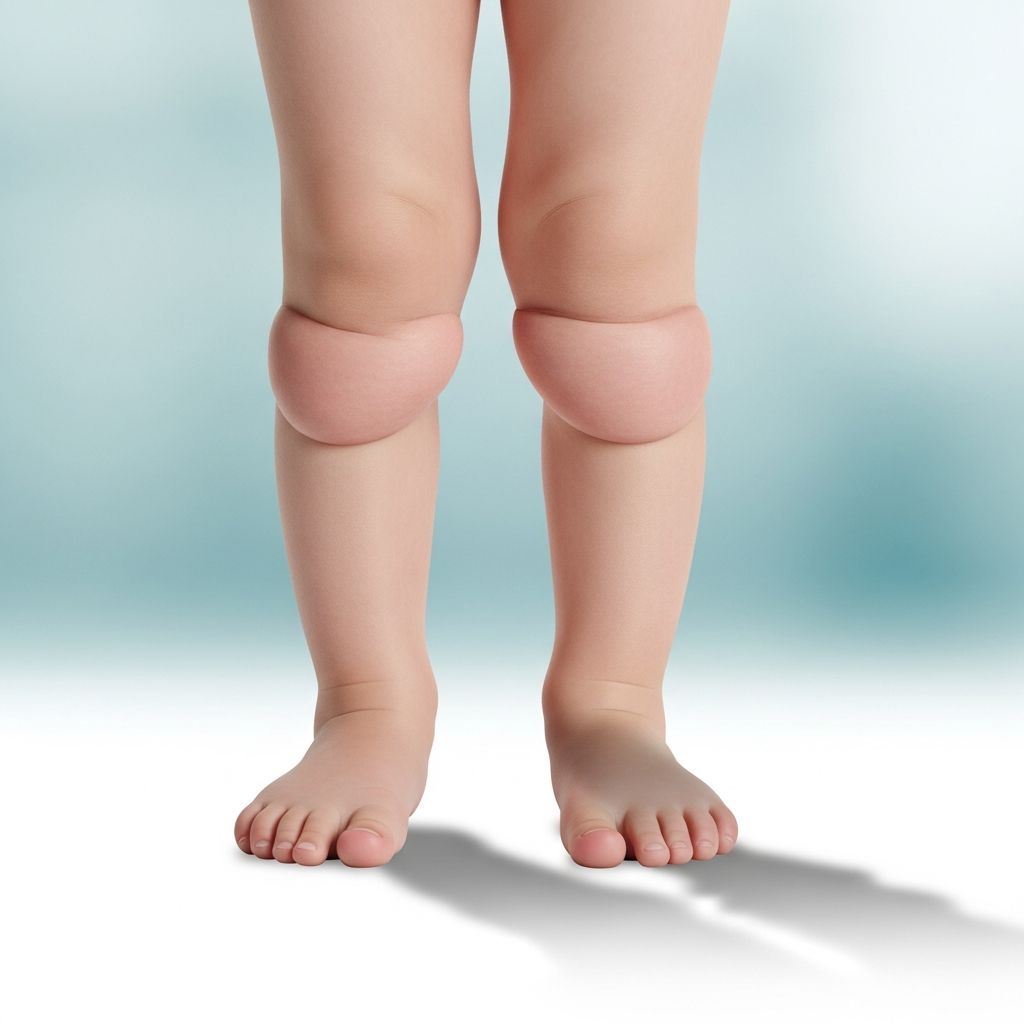
The disease results from abnormalities of the growth plate cartilage, which predominantly affects the longer bones in the body. These abnormalities lead to poor bone growth, defective mineralization, and characteristic bony deformities such as bowed legs and knock-knees. The severity of rickets can range from mild cases with subtle symptoms to severe cases requiring intensive medical intervention and specialist care.
Common Symptoms of Rickets
Recognizing the symptoms of rickets is crucial for early diagnosis and treatment. Parents and caregivers should be alert to the following signs in their children:
– Bowed or bent legs (the most common and visible symptom)- Muscle weakness and delayed motor development- Bone pain and tenderness- Increased susceptibility to fractures- Delayed or stunted growth- Swollen wrists and ankles- Delayed tooth eruption- Rachitic rosary (beading along the ribcage)- Frontal bossing (protrusion of the forehead)- Muscle cramps and spasms- In severe cases, hypocalcemic seizures
Symptoms typically manifest gradually and may not be immediately obvious to parents. Bowed legs are often the first noticeable sign, particularly when children begin walking. Bone pain may cause children to be less active than their peers, and muscle weakness can affect their ability to perform age-appropriate physical activities. Some children may also experience dental problems, including enamel hypoplasia and dental caries.
Causes of Rickets
Multiple factors can contribute to the development of rickets in children. Understanding these causes helps with prevention and appropriate treatment strategies.
Vitamin D Deficiency (Nutritional Rickets)
Vitamin D deficiency is the most common cause of rickets, accounting for the majority of cases worldwide. This form is known as nutritional rickets. Vitamin D is essential for your body to absorb calcium and phosphorus, the two most important minerals for bone development and strength. Without adequate vitamin D, even if your child consumes sufficient calcium and phosphorus, their body cannot properly utilize these nutrients.
Vitamin D deficiency can occur when children:
Related Stories



– Do not consume enough vitamin D-rich foods such as fatty fish, egg yolks, fortified dairy products, and fortified cereals- Have limited sun exposure, as the body naturally produces vitamin D when skin is exposed to sunlight- Live in geographical locations with limited sunlight during certain seasons- Follow dietary restrictions that eliminate major vitamin D sources- Have malabsorption issues affecting nutrient absorption
Genetic and Hereditary Forms
Several inherited conditions can cause rickets even when vitamin D intake is adequate. These include vitamin D-dependent rickets types 1 and 2, X-linked hypophosphatemic rickets, and hereditary hypophosphatemic rickets with hypercalciuria. These genetic forms are typically more complex to manage and may require specialist care.
Underlying Health Conditions
Certain chronic health conditions can lead to the development of rickets. Chronic kidney disease, for example, impairs the body’s ability to produce the active form of vitamin D (calcitriol), resulting in renal rickets. Liver disease, certain medications like phenytoin, and conditions affecting phosphate metabolism can also contribute to rickets development.
Calcium Deficiency
Although less common than vitamin D deficiency in developed nations, inadequate calcium intake can contribute to rickets development. Calcium deficiency rickets typically occurs in populations with limited access to dairy products or calcium-fortified foods.
Diagnosis of Rickets
Diagnosing rickets involves a comprehensive evaluation combining clinical assessment, medical history, and diagnostic testing.
Medical History and Physical Examination
Your child’s pediatrician will begin by asking detailed questions about your family health history, your child’s dietary habits, sun exposure, and any symptoms you’ve noticed. They will perform a thorough physical examination, looking for characteristic signs such as bowed legs, wrist and ankle swelling, dental abnormalities, and muscle tone assessment.
Diagnostic Tests
Several laboratory and imaging tests help confirm rickets diagnosis and determine the underlying cause:
–
Blood tests
: Measuring levels of 25-hydroxyvitamin D, 1,25-dihydroxyvitamin D, calcium, phosphorus, alkaline phosphatase, and parathyroid hormone-X-rays
: Revealing characteristic bone changes and deformities associated with rickets-Bone density scans
: Assessing bone mineralization and strength-Genetic testing
: Performed when hereditary rickets is suspected-Renal function tests
: Important when kidney disease may be contributingLaboratory findings typically show low serum levels of 25-hydroxyvitamin D in nutritional rickets, along with elevated parathyroid hormone and alkaline phosphatase levels. These biochemical markers help differentiate nutritional rickets from other metabolic bone disorders.
Treatment Options for Rickets
Treatment approaches vary depending on the underlying cause of rickets, but most cases respond well to appropriate intervention.
Nutritional Rickets Treatment
For the most common form—nutritional rickets caused by vitamin D deficiency—treatment includes:
–
Vitamin D supplementation
: Oral vitamin D supplements in doses determined by the severity of deficiency and your child’s age-Dietary modifications
: Increasing consumption of vitamin D-rich foods and calcium sources-Sun exposure
: Appropriate, safe sun exposure to naturally boost vitamin D production-Calcium supplementation
: When dietary calcium intake is insufficient-Follow-up monitoring
: Regular blood tests and clinical assessments to ensure vitamin D levels normalizeMost symptoms, including bone pain and muscle weakness, typically improve within a few weeks of starting treatment. The vitamin D deficiency should normalize within six to eight weeks. However, if your child has developed bone bending or bowing, this may take months to fully resolve, sometimes requiring braces or surgical intervention.
Treatment for Genetic and Disease-Related Rickets
Children with rickets caused by genetic conditions or underlying diseases require specialized treatment approaches. For renal rickets, vitamin D supplementation alone is ineffective because the kidneys cannot convert calcidiol into its active form. These patients typically require calcitriol (active vitamin D) supplementation along with management of their underlying kidney disease.
When your child’s rickets results from a health condition other than nutritional deficiency, your pediatrician may refer you to specialists such as pediatric endocrinologists, nephrologists, or genetic specialists. While treating the vitamin D deficiency can improve bone health, the underlying disease may be lifelong, requiring ongoing management and monitoring.
Timeline for Recovery
The recovery timeline varies depending on rickets severity and the underlying cause:
–
Acute symptoms
: Most acute symptoms like bone pain and muscle weakness typically improve within weeks of starting appropriate treatment-Biochemical correction
: Vitamin D deficiency usually corrects within six to eight weeks with supplementation-Structural changes
: Bowing or bending of bones may take months to fully resolve and sometimes requires orthopedic intervention-Complete recovery
: Children with nutritional rickets typically recover completely and develop into healthy adults with proper treatmentPrognosis and Long-Term Outlook
The outlook for children with rickets depends significantly on the underlying cause and how quickly treatment begins. For nutritional rickets, the prognosis is typically excellent. With appropriate treatment, the condition should resolve within weeks or months, and most children recover completely, growing into healthy adults without long-term complications.
For children with rickets caused by genetic conditions or chronic diseases, the prognosis requires ongoing management. While these conditions may be lifelong, specialized healthcare providers can help children and families manage the condition effectively, preventing complications and optimizing bone health and quality of life.
Prevention Strategies
Preventing rickets is significantly easier than treating it. Consider these preventive measures:
– Ensure your child consumes adequate vitamin D through diet or supplements as recommended by their pediatrician- Provide appropriate sun exposure while protecting against skin damage- Include calcium-rich foods in your child’s diet- Maintain regular pediatric check-ups to monitor growth and development- Follow dietary guidelines appropriate for your child’s age- Screen for risk factors such as dietary restrictions or malabsorption issues
Frequently Asked Questions About Rickets
Q: Is rickets contagious?
A: No, rickets is not contagious. It results from nutritional deficiencies, genetic factors, or underlying health conditions—not from infectious agents.
Q: Can rickets be completely cured?
A: Nutritional rickets can be completely cured with appropriate treatment, typically within weeks or months. However, rickets caused by genetic conditions or chronic diseases may require lifelong management, though symptoms can be significantly improved with proper treatment.
Q: How much vitamin D does my child need?
A: Recommended vitamin D intake varies by age. The amount depends on your child’s age, current health status, and geographical location. Your pediatrician can determine appropriate vitamin D levels and supplementation for your child.
Q: Can rickets cause permanent damage?
A: If left untreated, rickets can cause permanent bone deformities. However, with early diagnosis and appropriate treatment, most cases resolve without long-term complications. Severe cases may require orthopedic intervention to correct bone deformities.
Q: When should I contact my child’s pediatrician about rickets?
A: Contact your pediatrician if your child shows signs of bowed legs, bone pain, muscle weakness, stunted growth, delayed development milestones, or frequent bone fractures, or if you’re concerned about your child’s vitamin D intake.
Q: Are certain children at higher risk for rickets?
A: Yes. Children with limited sun exposure, restrictive diets, malabsorption issues, chronic kidney disease, or family history of rickets have increased risk and should be monitored closely by healthcare providers.
References
- An Overview of Rickets in Children — National Center for Biotechnology Information (NCBI), National Institute of Health (NIH). 2020. https://pmc.ncbi.nlm.nih.gov/articles/PMC7335963/
- Rickets: Symptoms, Causes & Treatment — Cleveland Clinic Children’s. Last updated May 8, 2025. https://my.clevelandclinic.org/health/diseases/22459-rickets
- Rickets — PubMed, National Center for Biotechnology Information (NCBI). 2024. https://pubmed.ncbi.nlm.nih.gov/40875260/
- Vitamin D Deficiency: Causes, Symptoms & Treatment — Cleveland Clinic. https://my.clevelandclinic.org/health/diseases/15050-vitamin-d-vitamin-d-deficiency
Similar Articles








Read full bio of medha deb