Rickettsial Diseases: What You Need To Know
Comprehensive guide to rickettsial infections: causes, symptoms, diagnosis, treatment, and prevention of these vector-borne diseases.
Authoritative facts about rickettsial diseases: what they are, who gets them, and how to treat and prevent them.
What are rickettsial diseases?
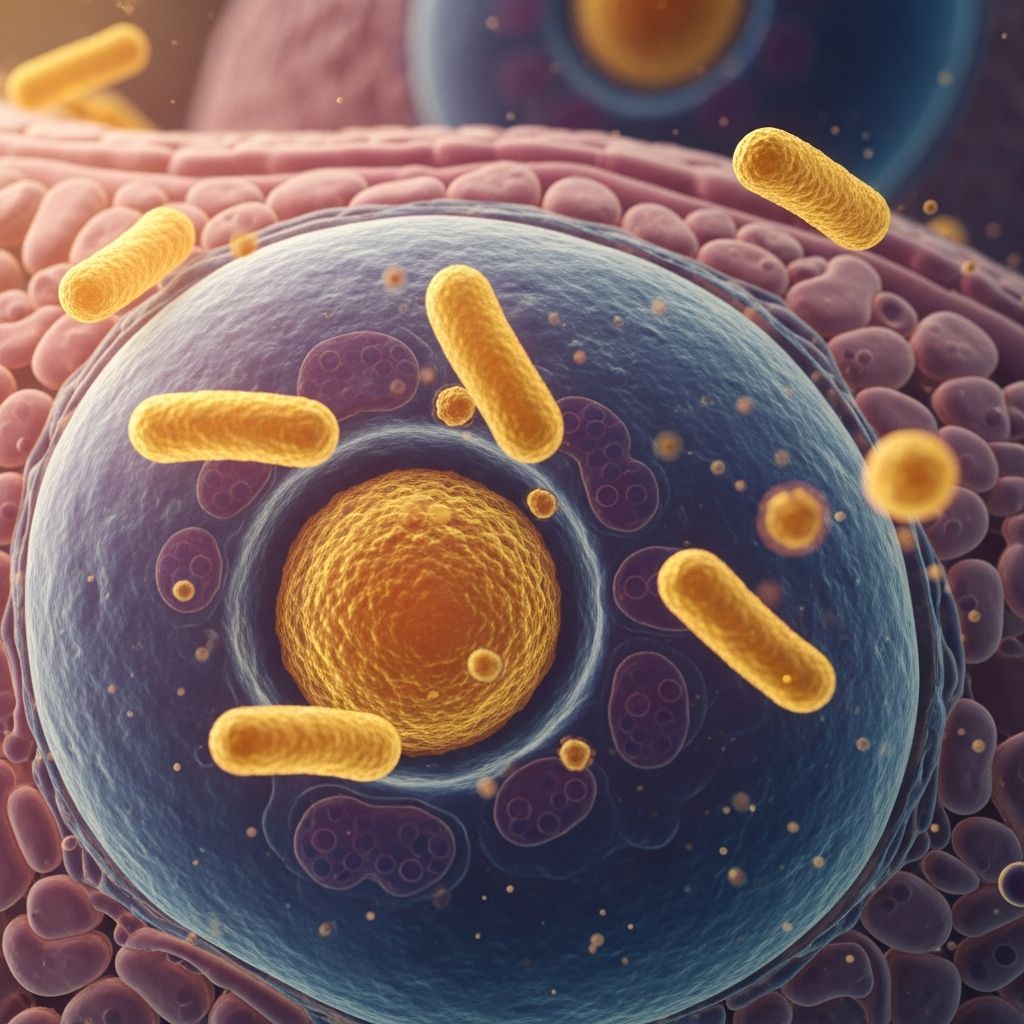
Rickettsial diseases are a group of infections caused by bacteria in the genus Rickettsia and related genera such as Orientia, Ehrlichia, Anaplasma, and Coxiella. These obligate intracellular bacteria are primarily transmitted to humans through the bites of infected arthropods, including ticks, fleas, lice, and mites.
Unlike viruses, rickettsiae are bacteria that invade and multiply within host cells, particularly vascular endothelial cells. This leads to widespread vasculitis, increased vascular permeability, inflammation, and potentially life-threatening complications like organ failure. Globally, these diseases affect millions annually, with higher incidence in tropical and subtropical regions, though cases occur worldwide.
Rickettsial infections are classified into several groups: the spotted fever group (SFG), typhus group (TG), transitional group, and others like scrub typhus caused by Orientia tsutsugamushi. Common examples include Rocky Mountain spotted fever (RMSF), epidemic typhus, murine typhus, and Mediterranean spotted fever.
Who gets rickettsial diseases?
Anyone exposed to infected vectors can contract rickettsial diseases, but certain groups are at higher risk. Individuals in rural or endemic areas, such as the southeastern United States for RMSF, or travelers to Africa and Asia for African tick bite fever, face elevated risks.
Occupations involving outdoor work—farmers, veterinarians, hikers, and military personnel—increase exposure to ticks and mites. Children and the elderly may experience more severe disease due to immune factors. Immunocompromised patients have worse prognoses, with higher mortality from virulent species like R. rickettsii and R. prowazekii.
Outbreaks often follow ecological changes, such as increased rodent populations or vector proliferation during warm seasons. In the U.S., RMSF cases peak in spring and summer, transmitted by dog ticks.
What causes rickettsial diseases?
Rickettsial diseases result from bacteria transmitted via arthropod vectors. Ticks are the primary vectors for spotted fever group rickettsioses, carrying species like R. rickettsii (RMSF), R. parkeri (rickettsiosis), and R. africae (African tick bite fever).
- Spotted fever group (SFG): Includes RMSF (R. rickettsii, American dog tick), rickettsialpox (R. akari, house mouse mite), and oriental spotted fever (R. japonica, ticks in Japan).
- Typhus group (TG): Epidemic typhus (R. prowazekii, body louse), murine typhus (R. typhi, fleas).
- Scrub typhus: Orientia tsutsugamushi, chigger mites, prevalent in Asia-Pacific.
- Anaplasmosis and ehrlichiosis: Anaplasma phagocytophilum (black-legged tick) and Ehrlichia spp. (Lone Star tick), infecting white blood cells.
Bacteria enter through vector saliva or feces rubbed into the bite site. Not all bites transmit disease; attachment duration matters, often 4-6 hours for ticks.
What are the clinical features of rickettsial diseases?
Symptoms typically emerge 3-14 days post-exposure, starting with non-specific flu-like illness: high fever (39-40°C), severe headache, myalgias, chills, and malaise.
Related Stories



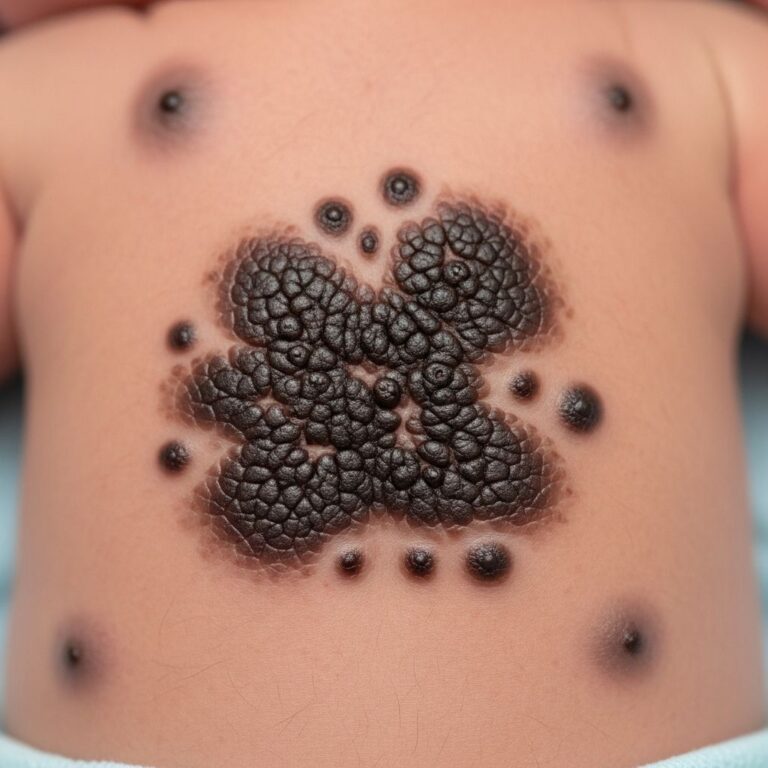
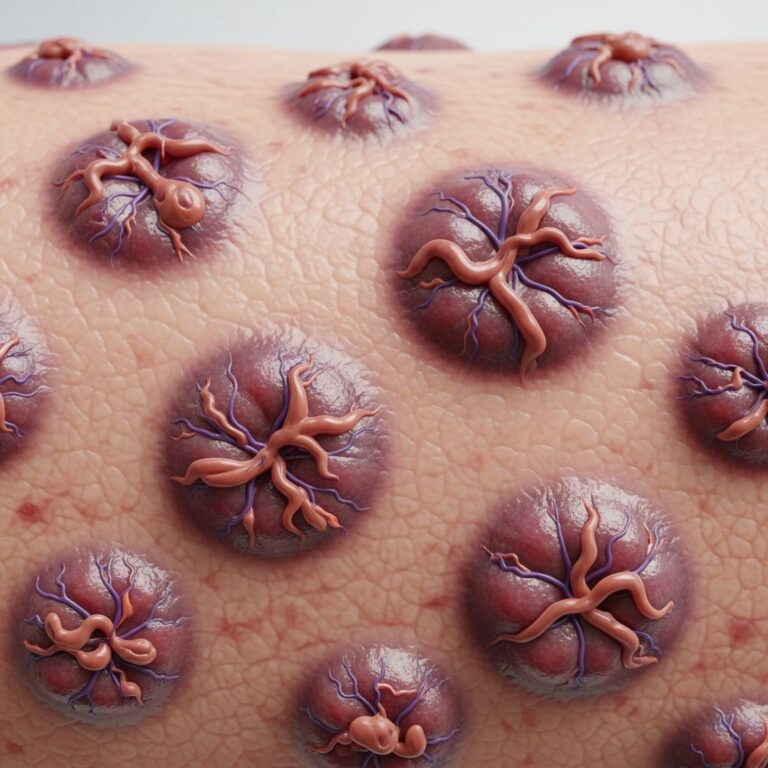
A hallmark is the rash, appearing in 80-90% of SFG cases like RMSF: initially macular on wrists/ankles, spreading centripetally to trunk, palms, and soles; progresses to petechial or purpuric. Eschars (black necrotic lesions) occur at bite sites in some SFG (e.g., R. parkeri, Mediterranean fever).
| Disease | Agent | Vector | Rash | Eschar | Severity |
|---|---|---|---|---|---|
| Rocky Mountain Spotted Fever | R. rickettsii | Dog ticks | Petechial, centripetal | Rare | High (up to 30% mortality untreated) |
| Rickettsiosis | R. parkeri | Gulf Coast tick | Maculopapular | Common | Mild |
| Epidemic Typhus | R. prowazekii | Body louse | Truncal, pale | No | Severe |
| Anaplasmosis | A. phagocytophilum | Black-legged tick | Rare | No | Mild-moderate |
| Scrub Typhus | O. tsutsugamushi | Chiggers | Maculopapular | Common | Variable |
Severe cases involve multi-organ dysfunction: encephalitis, myocarditis, renal failure, shock, and gangrene from vasculitis. Lab findings include thrombocytopenia, hyponatremia, elevated liver enzymes, and leukopenia.
How is the diagnosis of rickettsial diseases made?
Diagnosis is primarily clinical due to non-specific early symptoms and delayed serology. Key clues: fever, rash, tick exposure history, thrombocytopenia.
- Serology: Indirect immunofluorescence assay (IFA) for IgM/IgG; paired acute/convalescent samples needed for confirmation.
- PCR: Skin biopsy or blood for DNA detection, most sensitive early.
- Biopsy: Immunohistochemistry on rash/eschar shows organisms in endothelium.
- Blood tests: CBC shows low platelets/WBCs; elevated transaminases.
Differential includes meningococcemia, measles, dengue; rash distribution aids distinction.
What is the treatment for rickettsial diseases?
Doxycycline is first-line for all ages, including children and pregnant women when benefits outweigh risks: 100 mg BID for adults, 2.2 mg/kg/day for kids.
Treatment should start empirically on suspicion, as delays increase mortality (e.g., RMSF untreated fatality 20-30%). Alternatives: chloramphenicol for pregnancy allergies.
Supportive care includes fluids, vasopressors for shock, and monitoring for complications. Most respond within 48 hours; defervescence indicates efficacy.
What is the outcome for rickettsial diseases?
With prompt doxycycline, prognosis is excellent; mortality <1% for most. Untreated RMSF or typhus can kill 10-40% via vascular collapse.
Survivors may have sequelae: hearing loss, paralysis, cognitive deficits from encephalitis. Virulent strains like R. rickettsii pose highest risk in delayed treatment.
How can rickettsial diseases be prevented?
- Avoid vectors: Use DEET repellents, permethrin-treated clothing; check for ticks daily.
- Tick removal: Grasp with tweezers, pull steadily; clean site.
- Vaccines: None widely available; typhus vaccine exists but limited.
- Hygiene: Delouse in louse-borne outbreaks.
- Prophylaxis: Single-dose doxycycline post high-risk tick bite (e.g., RMSF).
Frequently Asked Questions (FAQs)
Q: Are rickettsial diseases contagious?
A: No, they are not person-to-person; transmission requires arthropod vectors.
Q: Does everyone bitten by an infected tick get sick?
A: No, transmission requires prolonged attachment (hours to days), and not all ticks carry pathogens.
Q: Can doxycycline be used in children for rickettsia?
A: Yes, benefits outweigh dental staining risks; recommended by CDC.
Q: What does a rickettsial rash look like?
A: Often starts on extremities, spreads to trunk; macular turning petechial, involving palms/soles in RMSF.
Q: How soon after a tick bite do symptoms start?
A: Incubation 3-14 days; seek care if fever follows exposure.
References
- Rickettsial Infection – StatPearls — NCBI Bookshelf. 2023-07-17. https://www.ncbi.nlm.nih.gov/books/NBK431127/
- Rickettsial Diseases Overview — WebMD. 2024-05-15. https://www.webmd.com/skin-problems-and-treatments/rickettsial-diseases-overview
- Overview of Rickettsial and Related Infections — Merck Manual Professional. 2025-01-10. https://www.merckmanuals.com/professional/infectious-diseases/rickettsiae-and-related-organisms/overview-of-rickettsial-and-related-infections
- Guidelines for Diagnosis and Treatment of Tick-Borne Rickettsial Diseases — AAFP. 2007-07-01. https://www.aafp.org/pubs/afp/issues/2007/0701/p137.html
- Rickettsial Diseases — Health.mil. 2019-09-01. https://health.mil/Reference-Center/Publications/2019/09/01/Rickettsial-Diseases
- Rickettsia species — Johns Hopkins ABX Guide. 2024-11-20. https://www.hopkinsguides.com/hopkins/view/Johns_Hopkins_ABX_Guide/540481/all/Rickettsia_species
- Diagnosis and Management of Tickborne Rickettsial Diseases — CDC MMWR. 2016-05-20. https://www.cdc.gov/mmwr/volumes/65/rr/rr6502a1.htm
Similar Articles








Read full bio of Sneha Tete