Ridges in Nails: Causes, Types, and Treatment
Discover what causes ridges in your nails and how to treat them effectively.
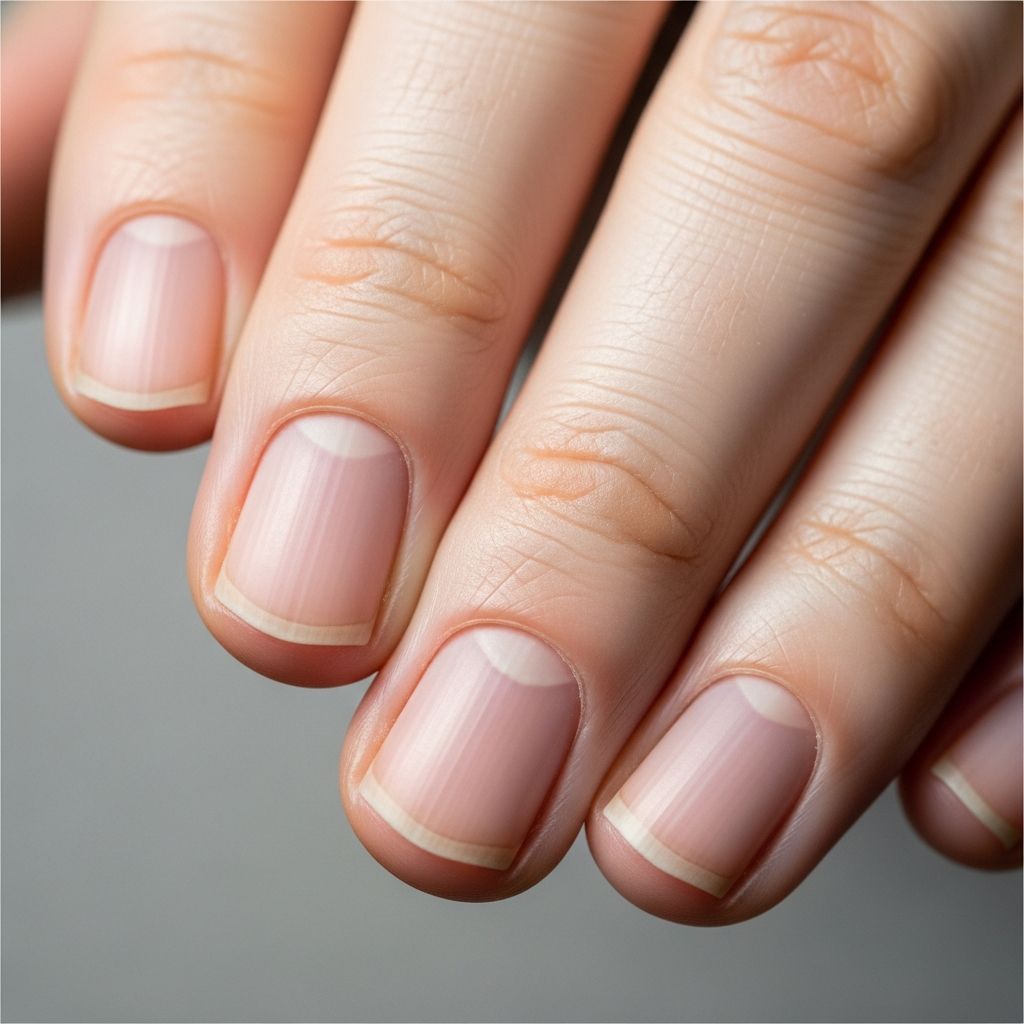
Understanding Ridges in Nails
Ridges in fingernails or toenails are visible lines or dents that can run vertically (up and down) or horizontally (across) your nail. These ridges may be a sign of a current or past illness, a nutrient deficiency, or simply a part of the aging process. While some ridges are harmless, others can indicate an underlying health condition that requires attention.
Types of Nail Ridges
There are two main types of nail ridges: vertical and horizontal.
Vertical Nail Ridges
Vertical nail ridges, also known as longitudinal ridges, run from the cuticle to the tip of the nail. These ridges are common and often become more pronounced with age. They are usually harmless but can sometimes be a sign of a health condition or nutrient deficiency.
Horizontal Nail Ridges
Horizontal ridges or dents in your nails are usually due to a condition called Beau’s lines. These dents occur when something interrupts your nail growth. Beau’s lines can be a sign of a serious illness, injury, or skin condition.
Causes of Nail Ridges
Several factors can cause ridges in your nails. Understanding the underlying cause is essential for proper treatment.
Health Conditions
- Thyroid Disease: Both hypothyroidism and hyperthyroidism can cause changes in your nails, including ridges.
- Psoriasis: This skin condition can cause nail changes, including ridges, pitting, and discoloration.
- Arthritis: Certain types of arthritis, such as psoriatic arthritis, can affect nail health.
- Fungal Infections: Fungal infections can cause ridges, discoloration, and thickening of the nails.
- Melanoma: In rare cases, ridges or lines in the nails can be a sign of melanoma, a type of skin cancer.
Nutrient Deficiencies
- Zinc Deficiency: Zinc deficiency can cause Beau’s lines and white spots on your nails.
- Iron Deficiency: Iron deficiency can cause vertical nail ridges and koilonychia (spoon nails). Spoon nails have a depression in the middle, like the center of your nail was scooped out.
Other Causes
- Aging: As you age, your nails may naturally develop vertical ridges.
- Injury: Trauma to the nail or nail bed can cause ridges.
- Skin Conditions: Certain skin conditions, such as lichen planus, can cause nail ridges.
Diagnosis of Nail Ridges
If you notice ridges in your nails, it’s important to see a healthcare provider to determine the underlying cause. Your provider may:
- Examine your nails and take a health history.
- Ask about any recent illnesses, injuries, or changes in your health.
- Order blood tests to check for nutrient deficiencies or underlying health conditions.
Treatment of Nail Ridges
The treatment for nail ridges depends on the underlying cause. In many cases, treating the underlying condition will improve the appearance of your nails.
Treating Underlying Health Conditions
- Thyroid Disease: Medication for thyroid disease often improves or resolves related nail problems.
- Psoriasis: Treatment for psoriasis may include topical creams, oral medications, or biologics.
- Arthritis: Treatment for arthritis may include medications, physical therapy, or lifestyle changes.
- Fungal Infections: Antifungal medications can treat fungal infections and improve nail health.
Related Stories



Nutrient Deficiencies
- Zinc Deficiency: Taking zinc supplements, with your provider’s guidance, may help if you have a deficiency.
- Iron Deficiency: Taking iron supplements, with your provider’s guidance, may help if you have a deficiency.
Home Care
- Moisturize: Apply moisturizer to your nails and cuticles to improve their appearance.
- Nail Ridge Filler: You can temporarily hide ridges by applying a nail ridge filler and nail polish.
- Gentle Buffing: Gentle nail buffing once a week can improve texture, but avoid aggressive filing, which may thin nails.
When to See a Healthcare Provider
You should see a healthcare provider if you notice new ridges or lines in your nails, especially if they are accompanied by other symptoms such as pain, swelling, or changes in nail color. Other nail changes to mention to a healthcare provider include:
- Discoloration
- Thickening
- Brittleness
- Separation from the nail bed
Prevention of Nail Ridges
There’s no guaranteed way to prevent nail ridges, but seeing your provider as recommended can help. Tell your provider about any health changes, including changes to your nails. If you develop nail ridges, your provider can work with you to treat the underlying cause.
Frequently Asked Questions (FAQs)
Q: Are vertical nail ridges a sign of a serious health condition?
A: Vertical nail ridges are usually harmless and become more common with age. However, if they are accompanied by other symptoms or changes in your nails, it’s important to see a healthcare provider.
Q: Can nutrient deficiencies cause nail ridges?
A: Yes, nutrient deficiencies such as zinc and iron deficiency can cause nail ridges. Taking supplements, with your provider’s guidance, may help.
Q: How long does it take for nail ridges to grow out?
A: It takes several months for your nails to grow out and for changes to become visible. Beau’s lines, for example, grow out gradually after you recover or receive treatment for the underlying cause, which takes about six months.
Q: Can I hide nail ridges with nail polish?
A: Yes, you can temporarily hide ridges by applying a nail ridge filler and nail polish. However, use nail products with caution, as some can weaken or damage nails.
Q: When should I be concerned about nail ridges?
A: You should be concerned if you notice new ridges or lines in your nails, especially if they are accompanied by other symptoms such as pain, swelling, or changes in nail color. Always tell your provider about any health changes, including changes to your nails.
Conclusion
Ridges in your nails can be a sign of a health condition or nutrient deficiency. While some ridges are harmless, others may require medical attention. Seeing a healthcare provider can help determine the underlying cause and appropriate treatment. With time and treatment, you may see new, smoother nails grow in. If your nail ridges aren’t due to a health condition or deficiency, home nail care may help improve their appearance.
References
- Ridges in Nails: Horizontal, Vertical, Causes & Treatment — Cleveland Clinic. 2022-11-16. https://my.clevelandclinic.org/health/symptoms/24459-ridges-in-nails
- Beau’s Lines: What It Looks Like, Causes & Treatment — Cleveland Clinic. 2022-11-16. https://my.clevelandclinic.org/health/symptoms/22906-beaus-lines
- Evaluation of nail lines: Color and shape hold clues — Cleveland Clinic Journal of Medicine. 2016-05-01. https://www.ccjm.org/content/83/5/385
Similar Articles








Read full bio of Sneha Tete