Rifampicin: Essential Guide To Uses, Dosing, And Risks
Comprehensive insights into rifampicin's role in treating TB, meningitis prevention, and more, with usage, effects, and safety details.
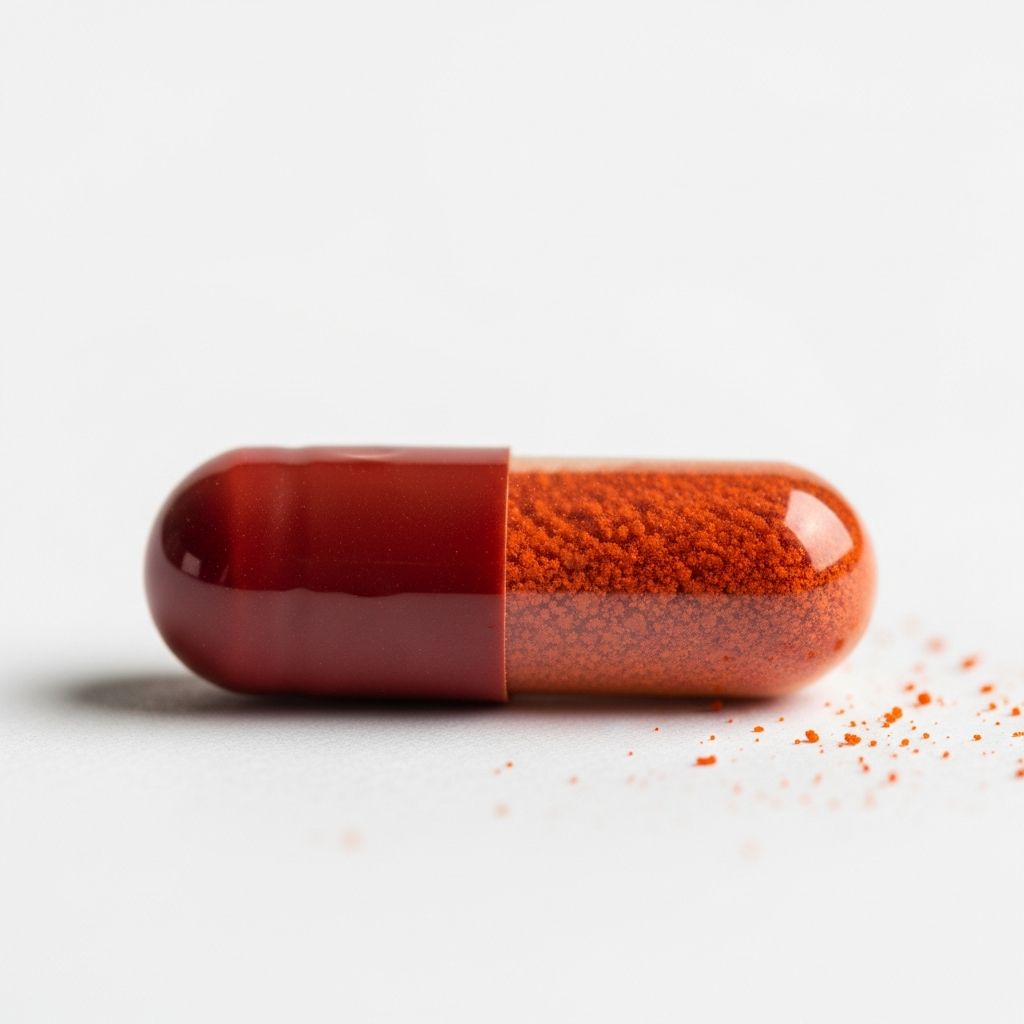
Rifampicin, also known as rifampin, stands as a cornerstone antibiotic in combating serious bacterial infections, particularly tuberculosis (TB) and certain prophylactic treatments. This ansamycin-class drug inhibits bacterial RNA synthesis, making it indispensable in multi-drug regimens to prevent resistance.
Primary Therapeutic Applications
Rifampicin plays a pivotal role in managing mycobacterial diseases. For active TB caused by Mycobacterium tuberculosis, it forms part of standard combination therapies alongside isoniazid, pyrazinamide, and ethambutol, typically administered daily for at least six months to eradicate infection and curb resistance development. In latent TB cases, where bacteria persist without symptoms, rifampicin can be used as monotherapy for 3-4 months, offering efficacy comparable to longer isoniazid courses with reduced hepatotoxicity risk.
Beyond TB, rifampicin addresses nontuberculous mycobacteria, including leprosy (Hansen’s disease), where it combines with dapsone and clofazimine in multidrug therapy to avoid resistance. It also treats infections like Mycobacterium avium complex, M. kansasii, and M. ulcerans (Buruli ulcer), often paired with clarithromycin.
Prophylactic Uses Against Meningitis
As post-exposure prophylaxis, rifampicin eliminates Neisseria meningitidis from the nasopharynx in asymptomatic carriers, preventing meningitis outbreaks. Dosing involves 600 mg twice daily for two days in adults. It serves similarly for Haemophilus influenzae type b exposure. For active meningococcal infections, combination therapy is essential due to rapid resistance.
Alternative Indications
- Treatment of Legionnaires’ disease and tick-borne infections like Lyme disease (Borrelia burgdorferi) or anaplasmosis when doxycycline is unsuitable, such as in pregnancy.
- Laboratory use to selectively isolate spirochetes due to limited efficacy against them.
Pharmacological Mechanism
Rifampicin targets the beta-subunit of bacterial DNA-dependent RNA polymerase, binding within the DNA/RNA channel to block elongation after 2-3 nucleotides, halting protein synthesis. This spares mammalian enzymes, ensuring selectivity. Resistance arises swiftly via mutations, necessitating combination use.
Administration and Dosing Guidelines
Available as oral capsules (typically 300 mg) or intravenous (IV) for those unable to swallow, rifampicin is taken on an empty stomach with water to optimize absorption. Dosing varies by indication and patient factors:
| Indication | Adult Dose | Duration/Notes |
|---|---|---|
| Pulmonary TB (initial phase) | 10 mg/kg daily (max 600 mg) | Combined with isoniazid + pyrazinamide for 2 months |
| Latent TB | 10 mg/kg daily (max 600 mg) | 3-4 months monotherapy |
| Meningococcal prophylaxis | 600 mg twice daily | 2 days |
| Leprosy (multidrug) | 600 mg monthly | With dapsone/clofazimine |
Adjust for body weight, liver function, and age; monitor blood counts and liver enzymes periodically. Children receive weight-based doses under medical supervision.
Common Adverse Reactions
Body fluids like urine, sweat, tears, and saliva often turn red-orange, a harmless but noticeable effect. Gastrointestinal issues predominate:
- Nausea, vomiting, diarrhea, appetite loss.
- Abdominal cramps.
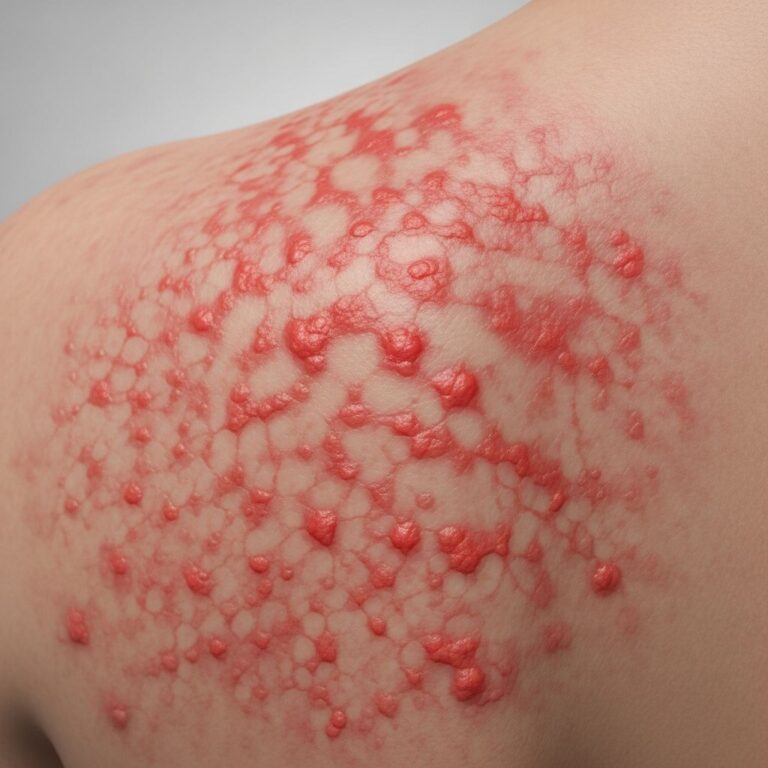
Other effects include flu-like symptoms (fever, chills, headache, muscle pain), rash, itching, flushing, and shortness of breath, especially with intermittent dosing.
Serious Risks and Monitoring
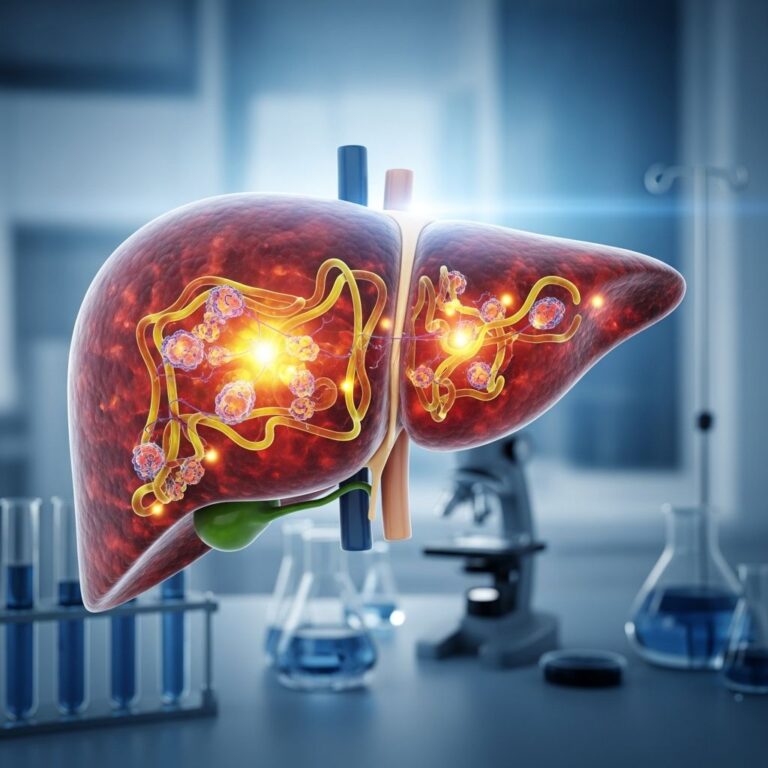
Hepatotoxicity poses the gravest threat, with potential for hepatitis or liver failure; baseline and regular liver function tests are mandatory. Allergic reactions, thrombocytopenia, and adrenal insufficiency may occur. Discontinue if jaundice, severe GI symptoms, or blood dyscrasias appear.
Drug Interactions and Contraindications
Rifampicin potently induces CYP450 enzymes, accelerating metabolism of numerous drugs:
- Hormonal contraceptives: Efficacy reduced; use backups.
- Antiretrovirals (e.g., protease inhibitors): Dose adjustments needed.
- Warfarin, digoxin, oral hypoglycemics: Monitor levels.
- Other anti-TB drugs: Enhances clearance of isoniazid.
Related Stories



Contraindicated in jaundice or full-dose concurrent saquinavir/ritonavir therapy. Inform providers of all medications.
Special Populations: Pregnancy, Breastfeeding, Pediatrics
Safe in pregnancy as part of TB regimens, though data is limited; category C per older classifications. It enters breast milk, potentially causing infant GI upset or orange discoloration, but benefits often outweigh risks with monitoring. Pediatric use mirrors adult weight-based dosing, effective for TB/meningitis prophylaxis. Elderly patients require renal/hepatic adjustments.
Practical Patient Advice
Complete full courses to prevent resistance. Avoid alcohol to minimize liver strain. Soft contact lenses may stain; discard during treatment. Report fever, weakness, yellowing skin, or dark urine immediately. Store at room temperature, away from moisture.
Historical Context and Development
Discovered in 1965 from Amycolatopsis rifamycinica, rifampicin entered clinical use by 1968, revolutionizing TB therapy by shortening regimens and improving outcomes. Today, it’s WHO-essential for global TB control.
Frequently Asked Questions (FAQs)
Does rifampicin make urine orange?
Yes, it harmlessly colors urine, tears, sweat, and saliva red-orange due to metabolite excretion.
Can I drink alcohol on rifampicin?
Avoid it; alcohol heightens liver toxicity risk.
Is rifampicin safe during pregnancy?
It’s recommended for active TB treatment in pregnancy, combined with others, despite limited safety data.
How long does TB treatment with rifampicin last?
Typically 6+ months in combinations; latent TB may be 3-4 months.
What if I miss a dose?
Take as soon as remembered unless near next dose; never double up. Consult your doctor.
Does rifampicin interact with birth control?
Yes, it reduces effectiveness; use non-hormonal methods.
References
- Rifampicin — Wikipedia. 2023-10-01. https://en.wikipedia.org/wiki/Rifampicin
- Rifampin: Uses, Interactions, Mechanism of Action — DrugBank Online. 2024-01-15. https://go.drugbank.com/drugs/DB01045
- Rifampin (oral route) — Mayo Clinic. 2023-05-01. https://www.mayoclinic.org/drugs-supplements/rifampin-oral-route/description/drg-20065839
- Rifampin — MedlinePlus. 2023-11-15. https://medlineplus.gov/druginfo/meds/a682403.html
- RIFADIN (rifampin capsules USP) Label — U.S. Food and Drug Administration. 2022-01-01. https://www.accessdata.fda.gov/drugsatfda_docs/label/2022/050420s087,050627s030lbl.pdf
- Rifampin (Rifadin, Rimactane) — WebMD. 2024-02-10. https://www.webmd.com/drugs/rifampin
Similar Articles








Read full bio of Sneha Tete