Rifampicin for Infection (Rifadin, Rimactane)
Comprehensive guide to rifampicin: uses, dosage, side effects, and precautions for treating TB and serious bacterial infections.
About rifampicin
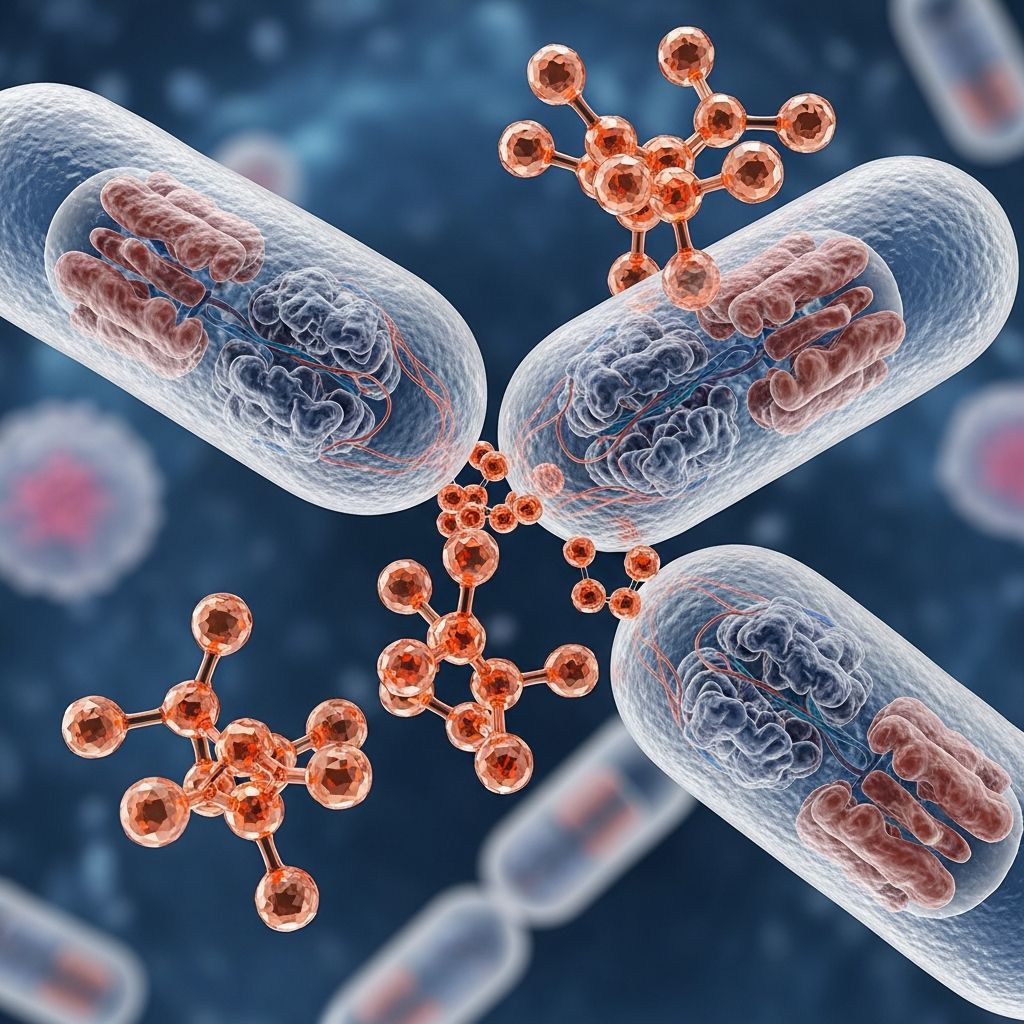
Rifampicin, also known as rifampin, is a potent antibiotic belonging to the rifamycin group, primarily used to treat serious bacterial infections such as tuberculosis (TB). It is almost always prescribed in combination with other antibiotics to prevent resistance development and enhance efficacy. Rifampicin works by binding to the beta-subunit of bacterial DNA-dependent RNA polymerase, inhibiting RNA synthesis and effectively halting bacterial growth. This mechanism targets microbial enzymes specifically, sparing human cells.
Available as capsules, tablets, oral liquid, and intravenous injection, rifampicin is indicated for active TB, latent TB, leprosy, and prophylaxis against infections like meningococcal disease and Haemophilus influenzae type b. For TB, treatment typically spans six months with daily dosing alongside drugs like isoniazid, pyrazinamide, and ethambutol. In latent TB, shorter 3-4 month regimens may be used, showing comparable efficacy to longer isoniazid courses with fewer liver issues.
| Type of Medicine | Used For | Also Called | Available As |
|---|---|---|---|
| An antibiotic and antituberculosis medicine | Treatment or prevention of serious infections, including TB | Rifampin (US); Rifadin®, Rimactane® | Capsules, tablets, oral liquid, injection |
Key facts
- Rifampicin commonly causes orange-red discoloration of urine, sweat, tears, and saliva, which is harmless but can stain contact lenses.
- Treatment for active TB requires 6 months of combination therapy; never use alone to avoid rapid resistance.
- It induces liver enzymes, interacting with many drugs like oral contraceptives, warfarin, and antiretrovirals, often reducing their effectiveness.
- Liver function tests are recommended before and during long-term use due to hepatotoxicity risk.
- Pregnancy category C: used in TB treatment when benefits outweigh risks, but safety data is limited.
- Not effective against viral infections like colds or flu.
How and when to take rifampicin
Follow your doctor’s instructions precisely, as dosing varies by condition, weight, and combination therapy. For adults with TB, typical dose is 10 mg/kg daily (450-600 mg), taken on an empty stomach 1 hour before or 2 hours after meals to improve absorption. Capsules or tablets should be swallowed whole with water; do not crush or chew. Oral liquid is measured with a syringe for accuracy.
Intravenous use is for patients unable to take oral forms. For prophylaxis: single 600 mg dose for meningococcal contacts, or four daily 20 mg/kg doses for H. influenzae. Leprosy may involve monthly supervised dosing. Combination TB tablets reduce pill burden.
Dosage Table
| Condition | Adult Dose | Child Dose | Duration/Frequency |
|---|---|---|---|
| Pulmonary TB (initial phase) | 600 mg daily | 10-15 mg/kg daily (max 600 mg) | 2 months, then continuation phase |
| Latent TB | 600 mg daily | 10-20 mg/kg daily | 3-4 months |
| Meningococcal prophylaxis | 600 mg single dose | 10 mg/kg single (max 600 mg) | Once |
| H. influenzae prophylaxis | 20 mg/kg daily | 20 mg/kg daily | 4 days |
| Leprosy | 600 mg monthly | 10-15 mg/kg monthly | Supervised, 6-12 months |
Missed dose: Take as soon as remembered unless near next dose; do not double up. Inform your doctor.
Common questions about rifampicin
How long does rifampicin take to work?
Symptoms may improve within days, but complete TB treatment requires 6 months to eradicate bacteria and prevent relapse.
Related Stories



Will rifampicin stop working if I take it too often?
No, but overuse promotes resistance. Always complete the course and use only as prescribed.
Can I take paracetamol for pain whilst taking rifampicin?
Yes, but consult doctor; rifampicin may alter paracetamol metabolism. Avoid excessive alcohol.
Does rifampicin affect contraception?
Yes, it reduces efficacy of hormonal methods; use barrier contraception or alternatives.
Can I drive or ride a bike whilst taking rifampicin?
Generally yes, unless side effects like dizziness occur.
Side-effects
Most people tolerate rifampicin well, but side effects occur in up to 20%. Common ones are mild and transient.
Common side effects
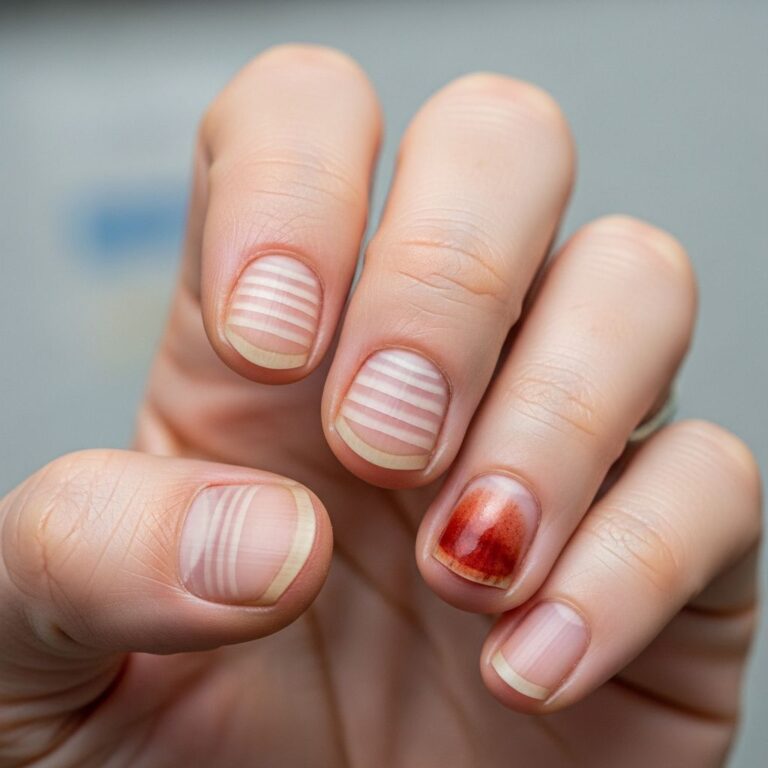
- Orange-red bodily fluids (urine, tears, sweat, saliva) – avoid soft contact lenses.
- Nausea, vomiting, diarrhea, abdominal pain, loss of appetite.
- Headache, drowsiness, dizziness.
- Flu-like symptoms with intermittent dosing (fever, chills, malaise).
These often improve as body adjusts. Take with food if stomach upset, but absorption may decrease.
Serious side effects
Seek immediate medical help for:
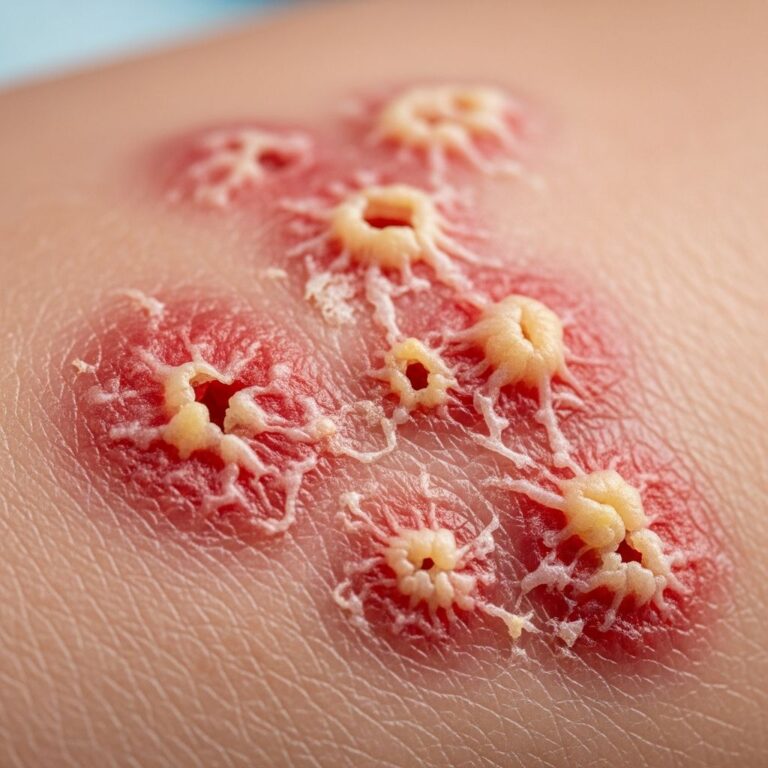
- Allergic reactions: rash, itching, swelling, breathing difficulty.
- Liver problems: jaundice, dark urine, severe fatigue, abdominal pain.
- Blood disorders: unusual bruising, bleeding, sore throat, fever.
- Muscle pain/weakness, vision changes, breathing issues.
Monitoring: baseline and periodic liver enzymes, blood counts.
How to cope with side effects of rifampicin
- Feeling sick? Take on empty stomach; if persists, with small snack or antiemetic from doctor.
- Orange fluids: Use daily contact lenses; protect fabrics.
- Headache: Paracetamol (check interactions); rest, hydrate.
- Diarrhea: Drink fluids; see doctor if severe.
Report persistent or worsening effects immediately.
Pregnancy and breastfeeding
In pregnancy, rifampicin is used for active TB as benefits outweigh risks; it’s part of WHO-recommended regimens. Monitor mother and fetus closely. Limited data on breastfeeding; trace amounts in milk, but generally compatible if infant monitored for issues. Consult specialist.
Other medicines, food and drink
Rifampicin is a strong CYP450 inducer, interacting with >600 drugs. Key interactions:
| Drug Class | Effect | Management |
|---|---|---|
| Oral contraceptives | Reduced efficacy | Alternative contraception |
| Warfarin | Decreased anticoagulant effect | Monitor INR, adjust dose |
| Antiretrovirals (e.g., protease inhibitors) | Reduced levels | Dose adjustments or alternatives |
| Sulfonylureas (e.g., glyburide) | Reduced efficacy | Monitor blood sugar |
| Alcohol | Increased liver risk | Avoid |
Inform doctor of all medications, supplements. No major food interactions, but avoid high-fat meals.
Buying rifampicin
Rifampicin is prescription-only worldwide due to resistance risks and monitoring needs. Not available over-the-counter.
Further information
- Complete full course to prevent relapse/resistance.
- TB screening for close contacts.
- Lifestyle: no special diet, but avoid alcohol.
- Storage: room temperature, away from moisture/light.
Frequently Asked Questions (FAQs)
Q: Does rifampicin make my urine orange?
A: Yes, it’s a common, harmless effect lasting during treatment.
Q: Can children take rifampicin?
A: Yes, weight-based dosing; safe in pediatrics for TB/leprosy.
Q: Is rifampicin safe in liver disease?
A: Use cautiously with monitoring; contraindicated in acute hepatitis.
Q: How to prevent TB resistance?
A: Always use in combination; adhere to DOT if recommended.
References
- Rifampicin – Wikipedia — Wikimedia Foundation. 2023-10-01. https://en.wikipedia.org/wiki/Rifampicin
- Rifampin: Uses, Interactions, Mechanism of Action — DrugBank Online. 2024-05-15. https://go.drugbank.com/drugs/DB01045
- Rifampicin (Rifadin, Rimactane) — Patient.info. 2023-08-20. https://patient.info/medicine/rifampicin-for-infection-rifadin-rimactane
- Rifampin – StatPearls — NCBI Bookshelf / NIH. 2024-07-10. https://www.ncbi.nlm.nih.gov/books/NBK557488/
- Rifampin (oral route) — Mayo Clinic. 2024-03-01. https://www.mayoclinic.org/drugs-supplements/rifampin-oral-route/description/drg-20065839
- Rifampin: MedlinePlus Drug Information — MedlinePlus / NIH. 2024-01-15. https://medlineplus.gov/druginfo/meds/a682403.html
- Rifampin-Associated Flu-Like Syndrome — Cureus. 2020-06-12. https://www.cureus.com/articles/46413-rifampin-associated-flu-like-syndrome-in-a-patient-undergoing-treatment-for-a-device-related-infection
Similar Articles








Read full bio of medha deb