Rifaximin (Targaxan): Complete Guide To Hepatic Encephalopathy
Comprehensive guide to Targaxan (rifaximin) for preventing hepatic encephalopathy recurrence in liver disease patients.
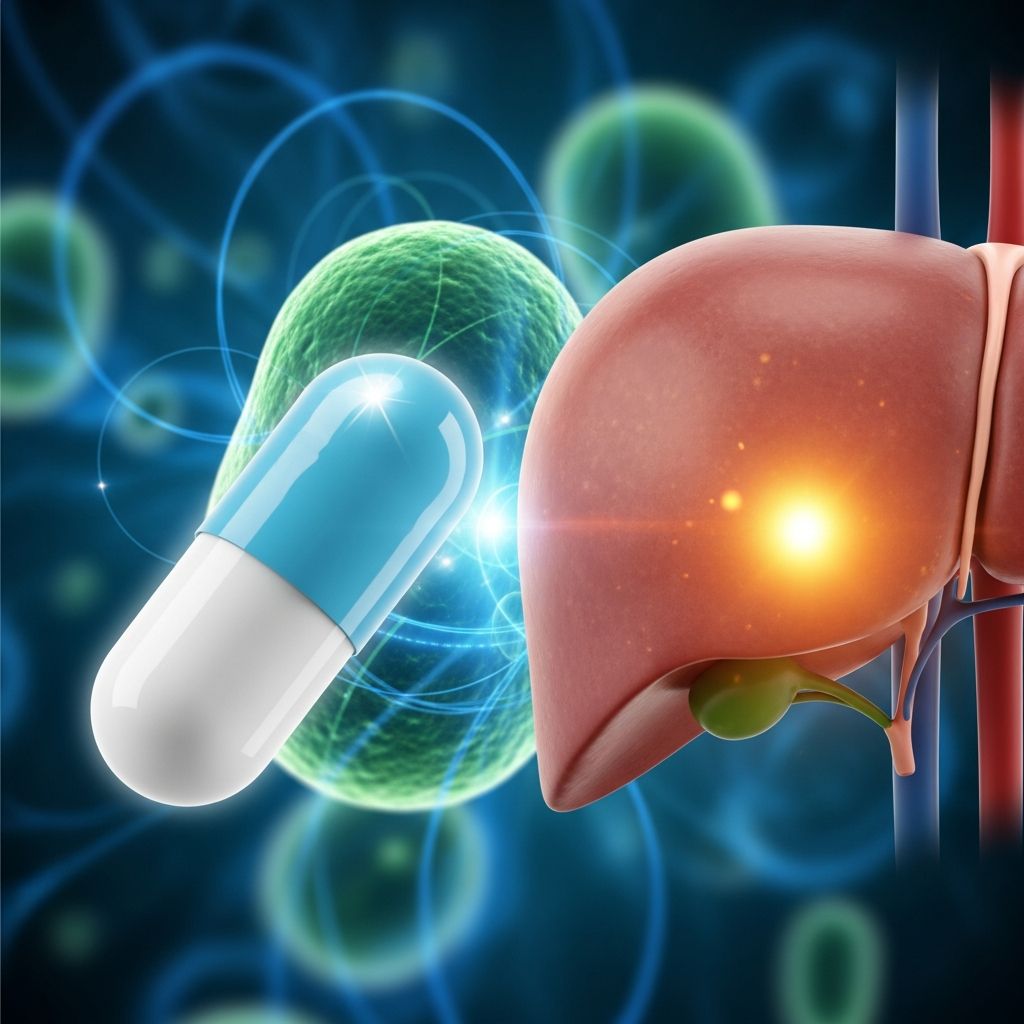
Rifaximin, marketed as Targaxan in many regions, is an antibiotic specifically indicated for adults with liver disease to reduce the recurrence of
overt hepatic encephalopathy (HE)
episodes. It targets gut bacteria producing toxins like ammonia that exacerbate brain dysfunction in liver failure patients, often used alongside lactulose.About Rifaximin Tablets (Targaxan)
Targaxan contains rifaximin, a non-absorbable antibiotic that acts primarily in the gastrointestinal tract. Unlike systemic antibiotics, rifaximin has minimal absorption into the bloodstream, concentrating its effects on intestinal bacteria responsible for ammonia production. This makes it ideal for chronic management in liver cirrhosis patients prone to HE, a neuropsychiatric condition ranging from confusion to coma.
The 550mg tablets are the standard formulation for hepatic encephalopathy prevention. Always use the Targaxan brand for this indication, as other rifaximin brands like Xifaxan or Xifaxanta may differ in dosing or approval.
Key Facts
- Active Ingredient: Rifaximin 550mg per tablet.
- Mechanism: Kills ammonia-producing gut bacteria, reducing toxin buildup that impairs liver detoxification.
- Indication: Prevention of recurrent overt HE in adults with liver disease; not for initial treatment alone.
- Combination Therapy: Commonly paired with lactulose for enhanced efficacy.
- Availability: Prescription-only; long-term use while at risk of HE bouts.
What is Hepatic Encephalopathy and Why Targaxan?
Hepatic encephalopathy (HE) arises in liver cirrhosis when the organ fails to filter toxins, allowing ammonia and others to reach the brain, causing symptoms like agitation, confusion, speech difficulties, muscle issues, or coma. Patients with cirrhosis and ascites face a 15% one-year HE risk, with over 60% mortality post-onset.
Targaxan prevents recurrent overt HE by modulating gut microbiota. A large randomized trial showed rifaximin significantly reduces HE breakthroughs, especially with lactulose. It’s recommended after the second HE episode or for non-responders to standard therapies.
Before Taking Targaxan
Consult your doctor if you have allergies, intestinal blockage, or severe liver impairment. Targaxan is contraindicated in hypersensitivity to rifaximin, rifamycins (e.g., rifampicin), or excipients.
Do Not Take If:
- Allergic to rifaximin or similar antibiotics.
- Intestinal obstruction present.
- Severe diarrhea or conditions mimicking Clostridium difficile infection.
Warnings and Precautions
- Antibiotic-Associated Diarrhea: Stop immediately if severe diarrhea occurs during or months after treatment; may indicate C. difficile.
- Severe Liver Disease: Requires close monitoring as effects may intensify.
- Variceal Bleeding: Discontinue if esophageal varices bleed.
- Pregnancy/Breastfeeding: Avoid; discuss risks with your doctor.
- Other Issues: Inform doctor of blood disorders, feverish diarrhea, or recent antibiotics.
How and When to Take Targaxan
The standard dose for long-term liver problems is
550mg (one tablet) twice daily
, with or without food. Continue long-term while prone to HE; do not self-stop without medical advice.Related Stories



Dosage Table
| Indication | Dose | Frequency | Duration |
|---|---|---|---|
| Prevention of Recurrent Overt HE | 550mg | Twice daily | Long-term |
| With Lactulose | 550mg | Twice daily | Ongoing |
Swallow tablets whole. If a dose is missed, take it as soon as remembered unless near the next; do not double up. For severe liver issues, your doctor may adjust monitoring.
Possible Side Effects
Like all medicines, Targaxan can cause side effects, though not everyone experiences them. Most are mild and gastrointestinal.
Common Side Effects (May Affect Up to 1 in 10 People)
- Dizziness, headache.
- Abdominal pain, bloating, flatulence, constipation, diarrhea, nausea, vomiting.
- Joint/muscle pain, peripheral edema, insomnia.
Serious Side Effects (Seek Immediate Help)
- Severe watery/bloody diarrhea, fever, cramps (up to 2 months post-treatment).
- Hives, rash, itching, swelling, breathing difficulty.
- Unusual bleeding/bruising, black/tarry stools, blood in urine.
- Rapid breathing, muscle spasms, anxiety, insomnia.
Less Common Side Effects
- Thrush/yeast infections, UTIs, nasopharyngitis.
- Anxiety, depression, confusional state, amnesia.
- Reddish urine, increased blood parameters.
Report any persistent or worrying effects to your doctor. Long-term safety data supports use, but high-quality trials for lifelong therapy are ongoing.
How to Cope with Side Effects
Dizziness/Headache: Rest, stay hydrated; avoid driving.
GI Upset: Eat small meals, use anti-diarrheals only if advised.
Fatigue/Swelling: Elevate limbs, monitor weight.
Always prioritize medical advice over self-treatment.
Interactions with Other Medicines
Targaxan has low systemic absorption, minimizing interactions. However:
- Cyclosporine: May increase rifaximin levels.
- P-glycoprotein Inducers/Inhibitors: (e.g., rifampicin) affect exposure.
- Warfarin: Monitor INR.
- No major issues with lactulose, but inform doctor of all medications.
Pregnancy and Fertility
Avoid during pregnancy/breastfeeding due to limited data. Effective contraception advised for women of childbearing potential.
Driving and Operating Machinery
Targaxan may cause dizziness or confusion; do not drive or operate machinery until effects are known.
Storage and Disposal
Store below 25°C in original packaging, away from children. Dispose of unused medicine via pharmacy take-back; do not flush.
How to Take if You Forget a Dose
Take as soon as possible unless it’s almost time for the next. Never take two doses at once.
If You Take Too Much
Contact emergency services or doctor immediately; symptoms may include GI distress.
Further Information
Targaxan is not for viral infections or traveler’s diarrhea in HE patients (different dosing). Discontinuation should be considered periodically based on HE risk and cost.
Frequently Asked Questions (FAQs)
Q: How long should I take Targaxan?
A: Long-term while at risk of HE recurrence; your doctor will review periodically.
Q: Can I take it with food?
A: Yes, with or without food.
Q: Is Targaxan safe long-term?
A: Clinical data supports safety; monitor for side effects.
Q: What if I get severe diarrhea?
A: Stop immediately and contact your doctor.
Q: Does it cure liver disease?
A: No, it prevents HE episodes; treats symptoms, not underlying cirrhosis.
Q: Can pregnant women use it?
A: Avoid; consult your doctor.
References
- Package Leaflet: Information for the user – Targaxan — HPRA. 2023. https://assets.hpra.ie/products/Human/26376/b93da961-dc97-4efb-9531-f8035979bd6a.pdf
- Rifaximin (Targaxan®) Patient Information — Cambridge University Hospitals NHS. 2024-01-15. https://www.cuh.nhs.uk/patient-information/rifaximin-targaxan/
- Safety, efficacy, and patient acceptability of rifaximin for hepatic encephalopathy — PMC/NCBI. 2014-03-15. https://pmc.ncbi.nlm.nih.gov/articles/PMC3964161/
- Rifaximin (Xifaxan): Uses & Side Effects — Cleveland Clinic. 2025-06-01. https://my.clevelandclinic.org/health/drugs/18573-rifaximin-tablets
- Rifaximin (oral route) – Side effects & dosage — Mayo Clinic. 2025-08-20. https://www.mayoclinic.org/drugs-supplements/rifaximin-oral-route/description/drg-20065817
- Rifaximin: MedlinePlus Drug Information — MedlinePlus/NIH. 2025-10-10. https://medlineplus.gov/druginfo/meds/a604027.html
Similar Articles








Read full bio of Sneha Tete