Rifaximin Tablets: Uses, Dosage, and Side Effects
Complete guide to rifaximin tablets: Uses, dosage, side effects, and important safety information.

Understanding Rifaximin Tablets
Rifaximin is an oral antibiotic medication available under the brand name Xifaxan that belongs to a class of medications designed to treat specific gastrointestinal and hepatic conditions. Unlike systemic antibiotics that are absorbed into the bloodstream, rifaximin is a gut-selective antimicrobial agent, meaning it works locally within the intestinal tract while minimizing systemic absorption. This unique characteristic makes it particularly effective for treating conditions affecting the digestive system and liver-related complications without causing widespread effects throughout the body.
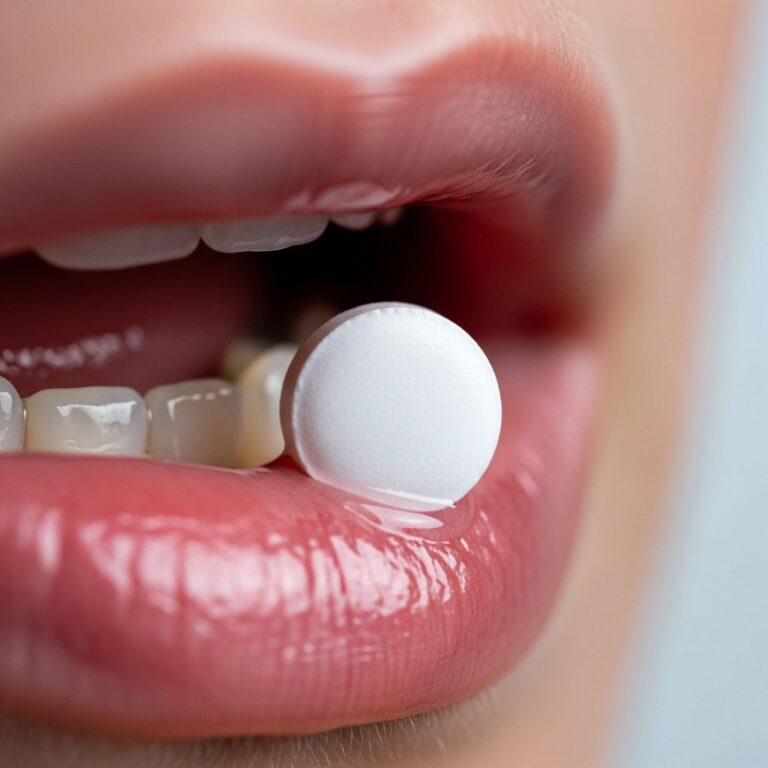
The medication comes in tablet form and is available in two primary strengths: 200-mg tablets and 550-mg tablets, each prescribed based on the specific condition being treated. Understanding the proper use of rifaximin, including its indications, dosing protocols, potential side effects, and safety considerations, is essential for patients and healthcare providers to ensure optimal therapeutic outcomes.
Primary Uses and Indications
Rifaximin has been approved by the FDA for three primary therapeutic uses in adult and pediatric populations, each with distinct dosing regimens and treatment durations.
Traveler’s Diarrhea Treatment
Rifaximin 200-mg tablets are specifically indicated for treating traveler’s diarrhea caused by noninvasive strains of Escherichia coli bacteria. This condition commonly affects individuals traveling to areas with poor sanitation or contaminated water supplies. The antibiotic works by stopping the growth of bacteria responsible for causing diarrhea, providing relief from this uncomfortable and potentially debilitating condition.
The medication is approved for use in adults and children at least 12 years of age. Rifaximin is particularly valuable for traveler’s diarrhea because of its localized action in the intestines, which reduces systemic side effects compared to other antibiotics. However, it is important to note that rifaximin will not be effective for traveler’s diarrhea that is bloody or occurs with fever, as these symptoms may indicate a more serious infection requiring different treatment approaches.
Hepatic Encephalopathy Prevention
Rifaximin 550-mg tablets are used to prevent episodes of hepatic encephalopathy (HE), a serious neurological condition that develops when the liver cannot properly process toxins, leading to changes in thinking, behavior, personality, and consciousness. This condition occurs in patients with advanced liver disease or cirrhosis.
Clinical trials have demonstrated that rifaximin at a dose of 550 mg taken twice daily is as effective as lactulose or lactitol at improving hepatic encephalopathy symptoms. Furthermore, research has shown that the combination of lactulose plus rifaximin resulted in significantly decreased mortality in cirrhotic patients compared to lactulose alone, with shorter hospital stays and improved quality of life. The medication treats hepatic encephalopathy by stopping the growth of bacteria that produce ammonia and other toxins that worsen liver disease.
Irritable Bowel Syndrome with Diarrhea
Rifaximin 550-mg tablets are also indicated for treating irritable bowel syndrome with diarrhea (IBS-D) in adults. The medication has been shown to improve bloating and pain symptoms, addressing two common complaints in IBS patients. Research has demonstrated that 78% of patients who received rifaximin 400 mg three times daily for two weeks experienced global dyspepsia symptom relief after eight weeks, compared with only 52% in the placebo group.
Related Stories



Dosage and Administration Guidelines
Proper dosing of rifaximin is critical for therapeutic efficacy while minimizing potential adverse effects. The following guidelines outline appropriate dosing for each approved indication:
For Traveler’s Diarrhea
The standard dosing regimen for traveler’s diarrhea in adults and children 12 years of age and older is 200 mg taken orally three times daily for 3 consecutive days. The medication should be taken with or without food, allowing for flexible administration. For children younger than 12 years of age, dosing must be determined individually by a healthcare provider based on the child’s specific clinical situation.
For Hepatic Encephalopathy Prevention
When used for preventing hepatic encephalopathy, the standard adult dose is 550 mg taken orally twice daily as a maintenance therapy. Long-term studies have demonstrated that continuous use of this regimen for 24 months or longer provides sustained reduction in hepatic encephalopathy-related hospitalizations without increased adverse events.
For Irritable Bowel Syndrome with Diarrhea
The recommended dosage for treating irritable bowel syndrome is 550 mg taken three times daily for 14 consecutive days. Some clinical trials have also evaluated 400 mg three times daily for two weeks, which has shown efficacy in symptom relief.
General Administration Recommendations
Patients should take rifaximin at approximately the same times each day to maintain consistent medication levels and establish a regular dosing schedule. It is crucial to follow the directions on the prescription label exactly as written and to ask healthcare providers or pharmacists for clarification about any aspect of the dosing regimen. Do not take more or less of the medication or take it more frequently than prescribed, as this may reduce effectiveness or increase the risk of adverse effects.
How Rifaximin Works
Rifaximin functions as a nonabsorbable derivative of rifampin, a well-established antibiotic. The medication works through multiple mechanisms depending on the condition being treated. For traveler’s diarrhea and irritable bowel syndrome, rifaximin stops the growth of bacteria causing symptoms. For hepatic encephalopathy, the antibiotic prevents the growth of ammonia-producing enteric bacteria and other microorganisms that generate toxins contributing to the neurological manifestations of liver disease.
The gut-selective nature of rifaximin means it remains in the intestinal tract where it exerts its therapeutic effects locally. This localized action minimizes systemic absorption and reduces the potential for widespread drug interactions and systemic side effects, making it a well-tolerated option for long-term therapy in patients with chronic liver disease.
Side Effects and Adverse Reactions
While rifaximin is generally well-tolerated, patients should be aware of potential side effects and serious adverse reactions that warrant immediate medical attention.
Serious Side Effects Requiring Immediate Medical Attention
Patients experiencing any of the following symptoms should contact their healthcare provider immediately:
– Watery or bloody diarrhea, particularly when accompanied by stomach cramps and fever, especially during treatment or for up to 2 months after completing the course
– Hives, rash, or itching
– Difficulty breathing or swallowing
– Swelling of the face, throat, tongue, lips, eyes, hands, feet, ankles, or lower legs
– Hoarseness
– Large, hive-like swelling on the face, eyelids, lips, tongue, or throat
– Red, swollen, or scaly skin
Common and Less Serious Side Effects
Most patients tolerate rifaximin well with minimal adverse effects. However, some individuals may experience mild side effects. The most frequently reported side effects include gastrointestinal symptoms, although these are usually mild and transient. Rifaximin demonstrates superior tolerability compared to cathartic therapies and some other antibiotics, contributing to high patient acceptance and compliance.
Important Safety Considerations
Limitations Against Viral Infections
It is essential to understand that rifaximin, like all antibiotics, will not be effective against viral infections such as colds or influenza. Taking antibiotics when they are not needed increases the risk of developing infections later that are resistant to antibiotic treatment, a growing public health concern. Therefore, rifaximin should only be used when prescribed by a healthcare provider for confirmed bacterial or protozoal infections or specific hepatic conditions.
Long-Term Safety Profile
Extensive clinical research has established that rifaximin is safe and well-tolerated for long-term maintenance therapy. A 24-month open-label maintenance study in patients with hepatic encephalopathy found no increase in the rate of infections, including Clostridium difficile infections, or development of bacterial antibiotic resistance with prolonged rifaximin use. The hospitalization rates remained low and consistent with the original trial data, demonstrating sustained clinical benefit without accumulating adverse effects.
Clinical Guidelines and Recommendations
Both the American Association for the Study of Liver Diseases (AASLD) and the European Association for the Study of the Liver (EASL) recommend rifaximin as adjunctive therapy for preventing overt hepatic encephalopathy recurrence. These organizations recognize rifaximin as an important therapeutic option that provides clinically important reductions in infections, hospital re-admissions, duration of hospital stays, and overt hepatic encephalopathy recurrence.
Drug Interactions and Precautions
Before starting rifaximin therapy, patients should inform their healthcare provider about all medications, supplements, and herbal products they are taking. While rifaximin has minimal systemic absorption due to its gut-selective nature, patients should still discuss their complete medical history, including allergies, previous adverse reactions to antibiotics, and any existing medical conditions affecting the liver, kidneys, or digestive system.
Patients with a documented allergy to rifaximin or any components of the medication should not use this drug. Those with a history of allergic reactions to related antibiotics may also experience cross-reactivity and should discuss this with their healthcare provider before initiating therapy.
Clinical Effectiveness and Patient Outcomes
Numerous clinical trials have established rifaximin’s effectiveness across its approved indications. For hepatic encephalopathy, combination therapy with lactulose plus rifaximin resulted in significantly more favorable outcomes compared to lactulose monotherapy, including reduced mortality from sepsis, shorter hospital stays, and improved quality of life with better driving capacity. For irritable bowel syndrome with diarrhea, rifaximin demonstrated efficacy superior to placebo in reducing global dyspepsia symptoms, particularly in female patients.
The cost-benefit analysis of rifaximin therapy has shown that despite the medication’s monthly expense, the benefits—including reduced hospitalizations, improved symptom control, and enhanced quality of life—substantially outweigh the costs.
Frequently Asked Questions
Q: Can rifaximin be taken with or without food?
A: Yes, rifaximin tablets can be taken with or without food. However, taking it around the same time each day helps maintain consistent medication levels.
Q: How long does rifaximin take to work?
A: For traveler’s diarrhea, most patients experience symptom relief within a few days of starting the 3-day treatment course. For hepatic encephalopathy and irritable bowel syndrome, therapeutic effects may take several days to weeks to become apparent.
Q: Is rifaximin safe for long-term use?
A: Yes, rifaximin has demonstrated safety for long-term maintenance therapy lasting 24 months or longer without increased adverse events or development of antibiotic resistance.
Q: What should I do if I miss a dose?
A: If you miss a dose, take it as soon as you remember, unless it is almost time for your next scheduled dose. Do not double-dose to make up for a missed dose.
Q: Can children take rifaximin?
A: For traveler’s diarrhea, rifaximin is approved for children 12 years of age and older. For hepatic encephalopathy and irritable bowel syndrome, pediatric dosing must be determined individually by a healthcare provider.
Q: Will rifaximin work for viral gastroenteritis?
A: No, rifaximin will not treat viral infections. It is only effective against bacterial infections and specific conditions like hepatic encephalopathy and irritable bowel syndrome with diarrhea.
Q: Are there any contraindications to taking rifaximin?
A: Patients with documented allergies to rifaximin or related antibiotics should not use this medication. Any history of severe allergic reactions should be discussed with a healthcare provider.
References
- Rifaximin: MedlinePlus Drug Information — U.S. National Library of Medicine. 2024. https://medlineplus.gov/druginfo/meds/a604027.html
- Hepatic Encephalopathy — Cleveland Clinic. 2024. https://my.clevelandclinic.org/departments/digestive/medical-professionals/hepatology/hepatic-encephalopathy
- Rifaximin (Oral Route) – Side Effects & Dosage — Mayo Clinic. 2024. https://www.mayoclinic.org/drugs-supplements/rifaximin-oral-route/description/drg-20065817
- Rifaximin is Safe and Well Tolerated for Long-term Maintenance — Gastroenterology. PubMed Central, 2014. https://pubmed.ncbi.nlm.nih.gov/24365449/
- Functional Dyspepsia: How to Manage the Burn and the Bloat — Cleveland Clinic Journal of Medicine. 2024. https://www.ccjm.org/content/91/5/301
- Evaluation of a Protocol for Rifaximin Discontinuation in Critically Ill Patients — National Center for Biotechnology Information. 2024. https://pmc.ncbi.nlm.nih.gov/articles/PMC10698349/
Similar Articles








Read full bio of Sneha Tete