Riga-Fede Disease: 6 Effective Treatments For Infants
Understanding Riga-Fede disease: causes, symptoms, diagnosis, and effective treatments for this benign oral ulceration in infants.
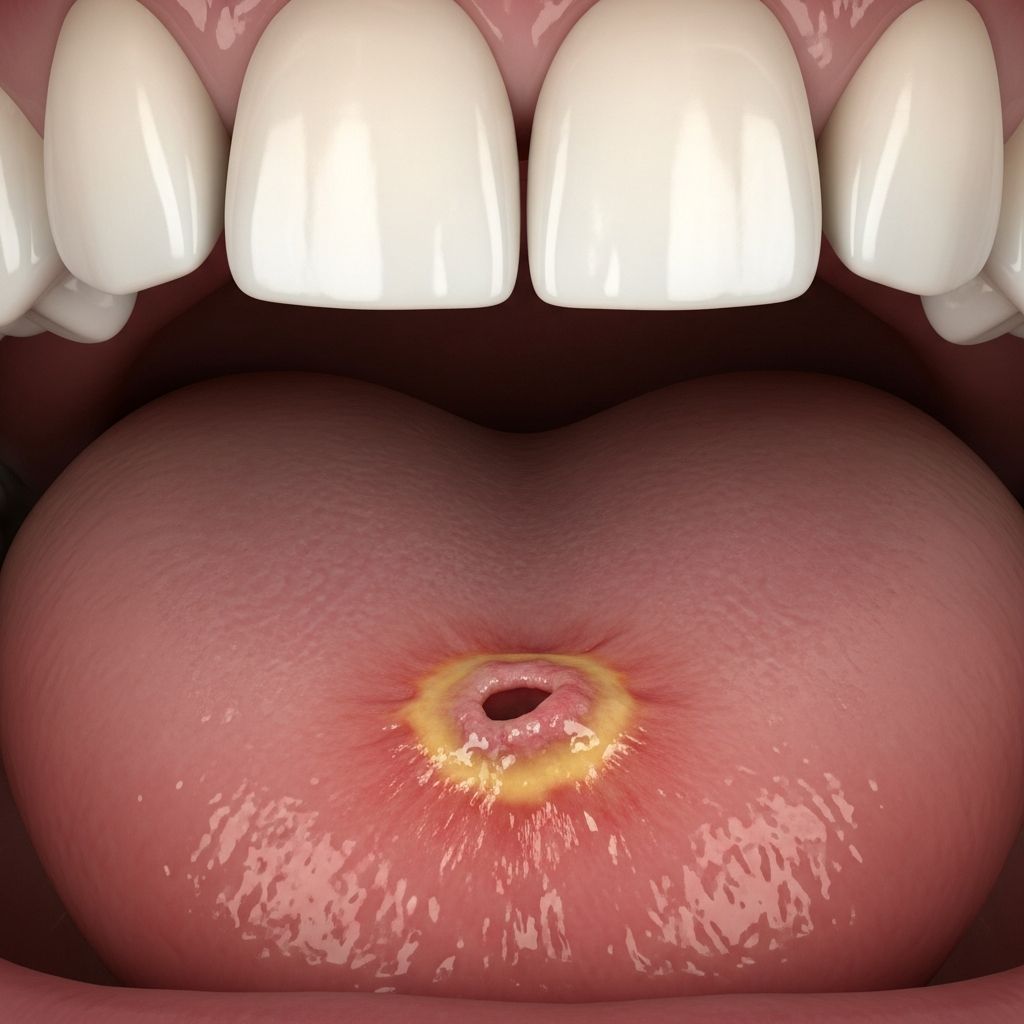
Riga-Fede disease is a benign, traumatic ulceration of the oral mucosa, most commonly affecting the ventral surface of the tongue in infants and young children due to repetitive friction from natal or neonatal teeth.
What is Riga-Fede disease?
Riga-Fede disease, first described by Italian physician Antonio Riga in 1881 and histologically characterized by Giovanni Fede in 1890, represents a reactive mucosal disorder resulting from mechanical trauma. It manifests as a persistent ulcer, typically on the tongue, caused by the tongue rubbing against lower incisor teeth during protrusive and retrusive movements. This condition is rare but well-recognized in pediatric dentistry and oral pathology, often linked to the eruption of primary lower incisors or the presence of natal/neonatal teeth in newborns.
While primarily seen in infants, it can occur in older children or even adults with neurological conditions causing repetitive oral trauma. The lesion is usually solitary and unifocal, though multifocal or recurrent cases have been documented. Both males and females are affected, with some reports suggesting a slight male predominance. Importantly, Riga-Fede disease is self-limiting if the trauma source is addressed, but untreated cases can lead to complications like feeding difficulties.
Who gets Riga-Fede disease?
Riga-Fede disease predominantly affects infants under one year, coinciding with teething phases. Newborns with natal teeth (present at birth) or neonatal teeth (erupting within the first month) are at highest risk, as these sharp edges traumatize the tongue during suckling.
Key risk factors include:
- Natal or neonatal teeth: Present in 1 in 1,000–3,500 births, these increase friction risk.
- Prematurity: Associated with earlier tooth eruption.
- Tongue-tie (ankyloglossia): Limits tongue mobility, exacerbating trauma.
- Neurological disorders: Such as cerebral palsy, where tongue spasticity causes prolonged rubbing.
- Developmental delays or gastroesophageal reflux: Leading to altered feeding mechanics.
- Poor oral hygiene: May worsen ulceration.
Older children with sharp dental edges or habits like lip/tongue biting may develop similar lesions.
What causes Riga-Fede disease?
The primary cause is repetitive mechanical trauma from the tongue or lip against sharp lower incisors. During breastfeeding or bottle-feeding, the infant’s tongue moves vigorously, rubbing against protruding teeth, leading to ulceration.
Variants include:
- Congenital Riga-Fede: In newborns with natal teeth causing immediate ulcers.
- Acquired Riga-Fede: In older infants post-primary tooth eruption.
- Riga-Fede syndrome: Associated with natal/neonatal teeth and feeding ulcers.
- Traumatic lesions: From biting or dental appliances.
Histologically, it features an ulcerated surface with granulation tissue and mixed inflammation rich in eosinophils, lymphocytes, macrophages, and mast cells, distinguishing it as an eosinophilic ulcer.
Clinical features
The classic presentation is a well-demarcated, oval ulcer on the ventral tongue tip or undersurface, 0.5–1.5 cm in size, covered by a yellowish fibrinopurulent membrane. Pain varies; some infants are asymptomatic, while others exhibit severe discomfort.
Common sites:
- Tongue (60% of cases): Ventral surface or tip.
- Lips, palate, gingiva, vestibular mucosa, floor of mouth, or cheeks from biting.
Symptoms include:
- Irritability and feeding refusal.
- Pain during suckling, leading to poor weight gain, dehydration, or failure-to-thrive.
- Excessive drooling, foul breath.
- Tongue mobility impairment.
In cerebral palsy cases, spastic tongue movements prolong the condition. Spontaneous healing occurs if trauma ceases, but lesions persisting beyond 2 weeks warrant biopsy.
Related Stories



Diagnosis
Diagnosis is clinical, based on history of teething, feeding issues, and characteristic ulcer location opposite lower incisors. Differential includes infections (bacterial, fungal), allergies, immunologic diseases, trauma, syphilis, tuberculosis, agranulocytosis, or tumors (e.g., neuroma, lymphoma).
Investigations:
- Biopsy: If persistent >2 weeks; shows ulcerative mucosa, granulation tissue, eosinophil-rich infiltrate.
- Imaging: Dental X-rays for tooth assessment.
No routine labs needed unless systemic signs suggest other causes.
Management
Treatment focuses on eliminating trauma, symptom relief, and monitoring. Conservative approaches suffice for most.
| Treatment Option | Description | Indications |
|---|---|---|
| Smoothing incisal edges | Bevel sharp tooth edges with composite or sanding. | First-line for mild-moderate ulcers. |
| Tooth extraction | Remove natal/neonatal tooth if ulcer severe/prevents feeding. | Persistent or large lesions. |
| Topical steroids | Corticosteroid ointment (e.g., triamcinolone) to reduce inflammation. | Painful ulcers. |
| Protective barriers | Cellulose film, teething rings, or dental appliances. | Prevent further trauma. |
| Disinfectants/oral hygiene | Chlorhexidine rinses for infants. | Infection prevention. |
| Tongue-tie release | Surgical frenotomy if ankyloglossia contributes. | Associated tongue restriction. |
Nutritional support with soft foods or supplements prevents malnutrition. Follow-up every 1–2 weeks monitors healing; most resolve in days to weeks post-intervention.
Frequently Asked Questions
What is Riga-Fede disease?
A benign tongue ulcer in infants from friction against teeth, causing pain and feeding problems.
What causes it?
Repetitive trauma from natal/neonatal teeth or erupting incisors during feeding.
How is it diagnosed?
Clinically by location and history; biopsy if persistent.
What are the symptoms?
Painful ulcer, irritability, drooling, poor feeding, weight loss.
Is it serious?
No, it resolves with treatment; untreated, it risks dehydration.
How is it treated?
Dental smoothing, extraction if needed, steroids, hygiene.
Can it recur?
Yes, if trauma persists; address underlying issues.
This comprehensive overview draws from pediatric dental and dermatological literature, emphasizing early intervention for optimal outcomes in affected infants. Parental education on oral hygiene and feeding techniques aids prevention.
References
- Riga-Fede Disease: Causes, Signs, and Treatment — Medicover Hospitals. 2023. https://www.medicoverhospitals.in/diseases/riga-fede-disease/
- Riga-Fede disease — DermNet NZ. 2023-10-15. https://dermnetnz.org/topics/riga-fede-disease
- Riga–Fede disease — Wikipedia (informed by primary sources). 2024. https://en.wikipedia.org/wiki/Riga%E2%80%93Fede_disease
- Riga-Fede disease and neonatal teeth — PMC – PubMed Central. 2012-12-01. https://pmc.ncbi.nlm.nih.gov/articles/PMC3533976/
- Treatment Alternatives for Sublingual Traumatic Ulceration (Riga-Fede Disease) — American Academy of Pediatric Dentistry (AAPD). 2022. https://www.aapd.org/globalassets/media/publications/archives/slayton-22-05.pdf
Similar Articles








Read full bio of medha deb