Right Atrial Enlargement: Causes, Symptoms, and Treatment
Understanding right atrial enlargement: causes, symptoms, diagnosis, and effective treatment options.
Right Atrial Enlargement: Understanding Your Heart’s Upper Chamber
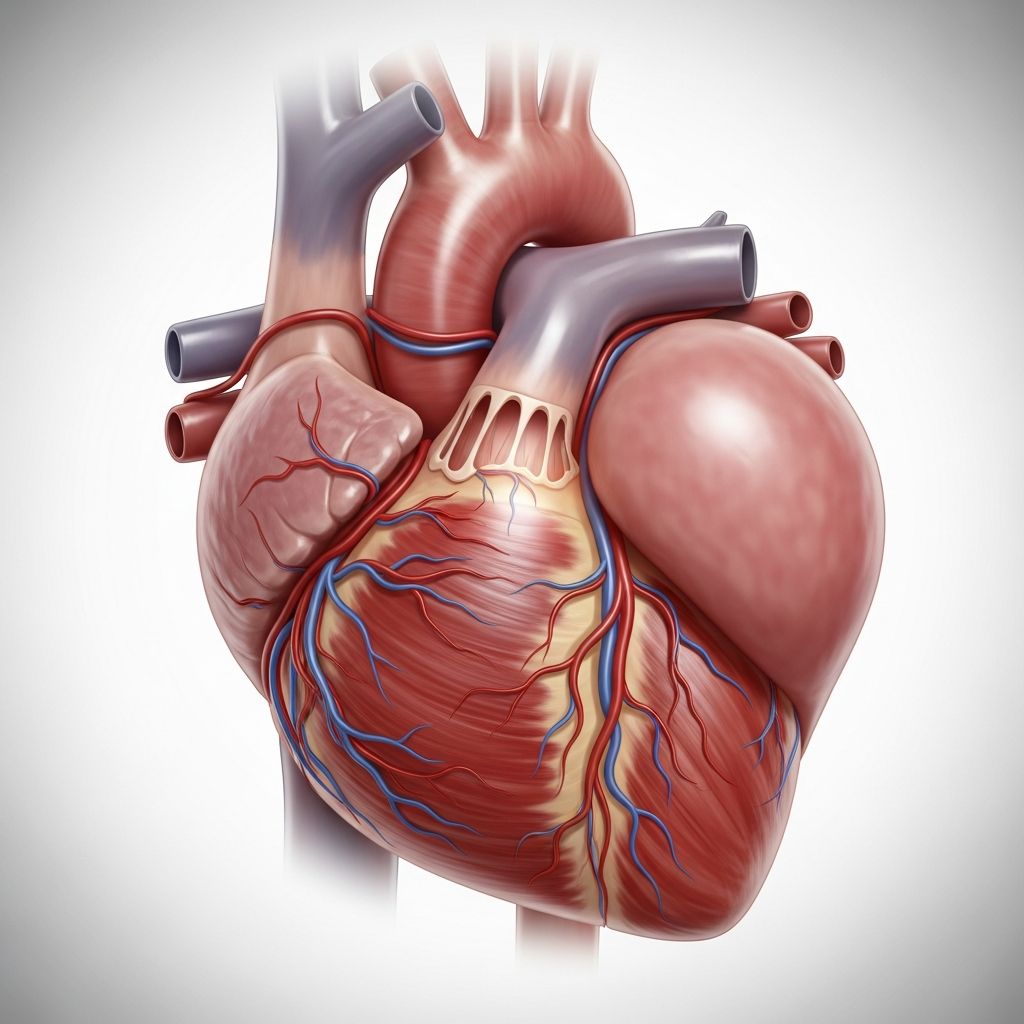
Right atrial enlargement (RAE) is a medical condition in which your heart’s right atrium becomes abnormally large. The right atrium is the upper chamber of your heart responsible for receiving oxygen-poor blood from your body before it moves to the right ventricle. When this chamber becomes enlarged, it indicates that either too much blood is accumulating or the pressure within the chamber is elevated. This condition typically develops as a secondary response to other heart or lung problems rather than existing as an isolated issue.
Understanding right atrial enlargement is important because it often signals an underlying cardiovascular or pulmonary problem that requires medical attention. The enlargement occurs when the right atrium must work harder to pump blood, causing it to stretch and expand like an inflating balloon. For athletes, some degree of atrial enlargement can be normal as their hearts adapt to increased physical demands. However, for non-athletes, right atrial enlargement is a sign that something else is happening within your cardiovascular system that needs evaluation and treatment.
What Causes Right Atrial Enlargement?
Right atrial enlargement develops due to various underlying conditions that affect how your heart functions. The most common causes relate to increased pressure or volume in the right atrium, forcing it to compensate by enlarging.
Pulmonary and Cardiovascular Causes
High blood pressure in your lungs, known as pulmonary hypertension, is the principal cause of right atrial enlargement. When pressure increases in the pulmonary circulation, your right atrium must work harder to pump blood against this resistance, leading to its enlargement. Chronic lung diseases such as chronic obstructive pulmonary disease (COPD) can trigger pulmonary hypertension and subsequently cause RAE. This relationship between lung disease and heart enlargement is referred to as cor pulmonale.
Tricuspid valve disorders significantly contribute to right atrial enlargement. When your tricuspid valve—the valve separating your right atrium from your right ventricle—doesn’t close properly, blood leaks backward into the right atrium. This regurgitation causes excess blood accumulation, forcing the chamber to enlarge to accommodate the additional volume. Similarly, tricuspid stenosis, a narrowing of the tricuspid valve, can obstruct blood flow and increase pressure in the right atrium.
Congenital Heart Conditions
Certain birth defects can lead to right atrial enlargement. Pulmonary stenosis, a narrowing of the valve between the right ventricle and pulmonary artery, and Tetralogy of Fallot, a complex congenital heart defect combining four different heart abnormalities, are recognized causes. These conditions force your right heart to work harder, leading to compensatory enlargement of the right atrium.
Right Ventricular Problems
If your right pumping chamber (right ventricle) becomes weak or fails, this directly affects your right atrium. A weakened right ventricle cannot efficiently pump blood forward, causing blood to back up into the right atrium. This accumulation of excess blood enlarges the chamber over time. Right ventricular failure can result from various causes, including prolonged high blood pressure or damage from heart attacks.
Additional Contributing Factors
Atrial septal defects, holes in the wall separating the right and left atria, allow abnormal blood flow patterns that can lead to right atrial enlargement. Additionally, some people develop idiopathic right atrial enlargement, meaning the cause is unknown. These individuals may be born with the condition and may or may not have other associated heart problems.
Related Stories



Recognizing the Symptoms
Right atrial enlargement can develop without causing noticeable symptoms. In fact, many people remain unaware they have this condition until it’s discovered during tests for other reasons. However, when symptoms do occur, they can include a variety of heart-related manifestations.
Common Symptoms Include
- Heart palpitations or irregular heartbeats
- Shortness of breath or dyspnea, especially during physical activity
- Chest pain or discomfort
- Fatigue and general malaise
- Fainting episodes (syncope)
- Rapid heart rate (tachycardia)
- Cough
- Loss of appetite
- Cyanosis (bluish discoloration of skin)
People who experience symptoms tend to have worse outcomes than those without symptoms. This underscores the importance of recognizing these warning signs and seeking medical evaluation promptly. Any unexplained heart palpitations, persistent shortness of breath, or chest discomfort warrants a conversation with your healthcare provider.
How Is Right Atrial Enlargement Diagnosed?
Diagnosing right atrial enlargement involves several diagnostic approaches. Your healthcare provider will use specific tests to identify the condition and determine its underlying cause.
Electrocardiogram (ECG)
The primary diagnostic tool for detecting right atrial enlargement is an electrocardiogram (ECG or EKG). During this test, your healthcare provider examines the “P wave,” which represents your right atrium’s electrical contraction. In a normal heart, the P wave measures less than 1 millimeter in height. However, with right atrial enlargement, the P wave becomes abnormally elevated, potentially reaching almost 3 millimeters in height.
According to ECG criteria, right atrial enlargement is indicated by a P wave amplitude in lead II greater than 2.5 millimeters and an upward deflection of the P wave in lead V1 greater than 1.5 millimeters in amplitude. This specific pattern is sometimes referred to as “p-pulmonale” because it’s frequently associated with pulmonary disease.
Additional Diagnostic Methods
Beyond the standard ECG, your healthcare provider may recommend imaging studies such as echocardiography to visualize your heart’s structure and function. Chest X-rays can reveal signs of lung disease or heart enlargement. In some cases, advanced imaging like cardiac magnetic resonance imaging (MRI) may provide detailed visualization of your right atrium’s size and function. Your provider might also examine jugular venous pressure (JVP) waveforms, where large “a” waves can aid in diagnosis.
Understanding Your Prognosis
Your prognosis with right atrial enlargement depends on several factors, including what’s causing the condition, your symptoms, and how well you respond to treatment. The underlying cause plays a crucial role—some causes are more manageable than others. Patients without symptoms generally have better outcomes compared to those experiencing cardiac symptoms. Importantly, surgical intervention has demonstrated better results than other treatment approaches alone.
Potential complications of right atrial enlargement include serious arrhythmias and, in rare cases, sudden cardiac death. However, with appropriate treatment of the underlying cause and proper management, many people with right atrial enlargement live well and maintain good quality of life.
Treatment Options for Right Atrial Enlargement
The most common and effective treatment approach for right atrial enlargement is addressing the underlying cause rather than treating the enlargement itself. By resolving the primary condition causing your right atrium to enlarge, the chamber often improves naturally.
Medical Management
Your healthcare provider may prescribe various medications depending on what’s causing your right atrial enlargement. These might include medications to treat high blood pressure in your lungs, manage heart rhythm problems, or improve heart function. If you’re not undergoing surgery, your provider may recommend low-dose aspirin to help prevent blood clots. Beta-blockers can help regulate heart rate and reduce strain on your heart. Diuretics may help manage fluid accumulation, while anticoagulants reduce clotting risk and anti-arrhythmic medications help control irregular heartbeats.
Surgical Intervention
In rare cases, your healthcare provider may recommend surgery specifically for right atrial enlargement treatment. The goal of surgery is to make your right atrium smaller. After surgery, you’ll likely need to take medications to prevent abnormal heart rhythms and blood clots. Surgery has shown better results than other treatments alone, making it an important option to discuss with your cardiologist if recommended.
Lifestyle and Preventive Measures
Treating the conditions that cause right atrial enlargement is fundamental to prevention and management. If your RAE results from atrial fibrillation or pulmonary hypertension, controlling these conditions through appropriate treatment helps prevent further deterioration. Stress reduction plays an important role, as stress, anxiety, and anger can negatively impact your cardiovascular system. Incorporating relaxation techniques, regular physical activity, and mental health support can contribute to better outcomes.
When to Contact Your Healthcare Provider
You should contact your healthcare provider if you experience any symptoms that might indicate right atrial enlargement or other heart problems. These include:
- Irregular heartbeats or heart palpitations
- Unexplained shortness of breath
- Chest pain or pressure
- Fainting or near-fainting episodes
- Unusual fatigue or weakness
- Persistent cough
Early detection and intervention provide the best opportunity to manage any cardiac condition before it progresses. If something feels abnormal with your heart, don’t wait—schedule an appointment with your healthcare provider for proper evaluation and testing.
Frequently Asked Questions About Right Atrial Enlargement
Q: Is right atrial enlargement dangerous?
A: Right atrial enlargement itself is not inherently dangerous, but it signals that an underlying heart or lung condition requires treatment. The danger lies in the underlying cause and potential complications like irregular heartbeats or heart failure if left untreated.
Q: Can right atrial enlargement go away?
A: Yes, in many cases, when the underlying cause is effectively treated, the right atrium can gradually return to a more normal size. The key is addressing what’s causing the enlargement through appropriate medical management or surgery.
Q: Is right atrial enlargement the same as an enlarged heart?
A: Right atrial enlargement is a specific type of heart enlargement affecting only the right atrium. An enlarged heart (cardiomegaly) is a broader term that can involve any heart chambers or the entire heart structure.
Q: How is right atrial enlargement different in athletes?
A: Athletes often develop physiologic cardiac enlargement as their hearts adapt to increased demands. For athletes, some atrial enlargement is normal and not necessarily concerning. In non-athletes, however, it indicates an underlying problem.
Q: What lifestyle changes help with right atrial enlargement?
A: Managing stress, maintaining regular physical activity appropriate for your condition, controlling blood pressure, avoiding excessive caffeine and alcohol, eating a healthy diet rich in fruits and vegetables, and maintaining a healthy weight all support heart health.
Q: Can stress cause right atrial enlargement?
A: While stress itself doesn’t directly cause right atrial enlargement, chronic stress can contribute to conditions that do, such as high blood pressure and arrhythmias. Stress management is an important component of treatment.
Living with Right Atrial Enlargement
Many people live successfully with right atrial enlargement by understanding their condition, following their healthcare provider’s treatment recommendations, and making appropriate lifestyle modifications. Regular medical follow-up allows your doctor to monitor your condition and adjust treatment as needed. By addressing the underlying cause and managing symptoms effectively, you can maintain good quality of life while reducing your risk of serious complications.
References
- Right Atrial Enlargement — Wikipedia. https://en.wikipedia.org/wiki/Right_atrial_enlargement
- Right Atrial Enlargement (RAE): Causes and Treatment — Cleveland Clinic. https://my.clevelandclinic.org/health/symptoms/23576-right-atrial-enlargement
- Right Atrial Enlargement – ECG Library Basics — LITFL (Life in the Fast Lane). https://litfl.com/right-atrial-enlargement-ecg-library/
- Enlarged Heart – Symptoms & Causes — Mayo Clinic. https://www.mayoclinic.org/diseases-conditions/enlarged-heart/symptoms-causes/syc-20355436
- Right Atrial Enlargement (RAE): Symptoms, Causes and Treatment Options — Narayana Health. https://www.narayanahealth.org/blog/right-atrial-enlargement-rae-symptoms-causes-and-treatment-options
- Conditions Affecting the Right Side of the Heart — National Institutes of Health. https://pmc.ncbi.nlm.nih.gov/articles/PMC1123164/
Similar Articles








Read full bio of Sneha Tete