Right-Side Chest Pain: Causes, Symptoms & Treatment
Understand the causes of right-sided chest pain and when to seek medical attention.
Understanding Right-Side Chest Pain
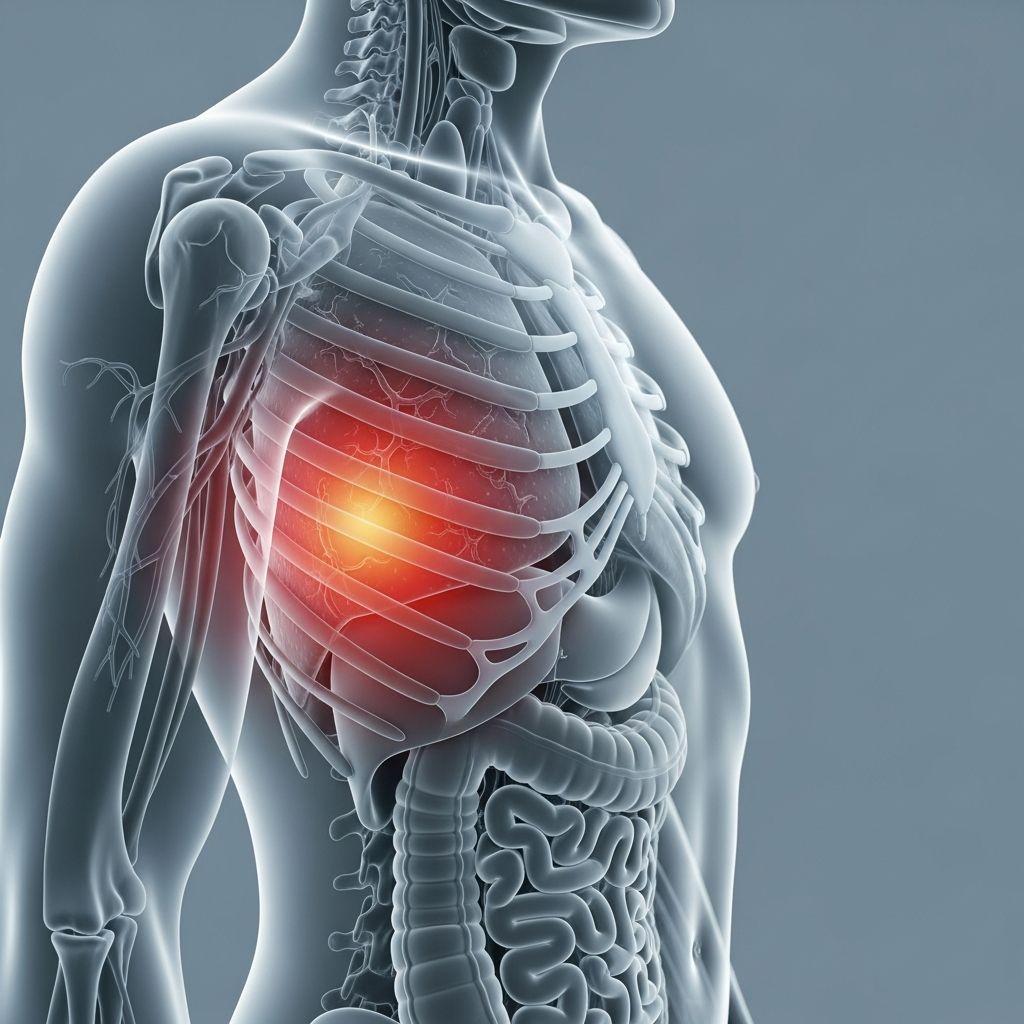
Right-side chest pain can originate from various sources within your body, making it essential to understand the potential causes and when to seek professional medical attention. The pain in your chest may feel sharp, dull, or present as a sensation of tightness, and it often worsens when you breathe deeply or inhale. Unlike some health conditions with singular causes, right-side chest pain can stem from issues affecting your lungs, muscles, bones, or digestive system, among other areas.
Many people experience right-side chest pain at some point in their lives, and while some causes are benign and resolve on their own, others require immediate medical intervention. Understanding the nature of your pain, the circumstances under which it occurs, and any accompanying symptoms can help you determine whether you need emergency care or a routine doctor’s visit.
Common Causes of Right-Side Chest Pain
Lung-Related Causes
Lung conditions represent some of the most frequent causes of right-side chest pain. These conditions can range from minor infections to more serious complications that require prompt medical attention.
Pulmonary Embolism (PE)
A pulmonary embolism occurs when a blood clot from another part of your body becomes lodged in a pulmonary artery within your lung. This serious condition causes sharp chest pain that intensifies when you breathe in. People with PE often experience additional symptoms including shortness of breath and a rapid or racing heart rate. This condition requires immediate emergency treatment, as it can be life-threatening if not addressed promptly.
Acute Respiratory Distress Syndrome (ARDS) and Airway Issues
Problems with your air sacs and airway lining can make breathing difficult and cause chest discomfort. You may experience chest tightness, shortness of breath, and wheezing. These conditions require medical evaluation to determine the underlying cause and appropriate treatment.
Pneumonia and Lung Infections
Infections in your lungs cause chest pain along with other characteristic symptoms. When you have pneumonia, you’ll likely experience fever, chills, and a cough that produces mucus. These symptoms indicate your body is fighting an infection, and antibiotic treatment is usually necessary to recover properly.
Pleurisy (Pleural Inflammation)
The membrane surrounding your lungs can become infected or inflamed, a condition known as pleurisy. This causes sharp chest pain that worsens when you cough or breathe deeply. You may also experience pain radiating to your shoulder. This condition requires medical attention to prevent complications.
Spontaneous Pneumothorax (Collapsed Lung)
Air can accumulate between the layers of tissue covering your lungs, causing all or part of your lung to collapse. This sudden condition causes sharp chest pain and may also affect your neck and shoulder. A collapsed lung requires immediate medical evaluation and treatment.
Pulmonary Hypertension
Several disorders can cause abnormally high blood pressure in your pulmonary arteries—the blood vessels that transport blood to your lungs for oxygen exchange. When hypertension develops in these vessels, your heart must work harder to push blood through the resistance created by elevated pressure. This increased workload causes chest pain. You may also experience shortness of breath with this progressive condition.
Related Stories



Asthma
Allergens and irritants can narrow your airways, making breathing difficult and causing chest tightness. During an asthma attack, you may cough, wheeze, and feel chest discomfort. Proper management with medications and avoidance of triggers helps prevent attacks.
Lung Cancer
Chest pain from lung cancer characteristically worsens when you cough, laugh, or take a deep breath. This serious condition requires immediate medical diagnosis and treatment to improve outcomes.
Musculoskeletal Causes
Not all chest pain originates from internal organs. Your muscles, bones, and connective tissues can also be sources of right-side discomfort.
Broken Ribs
Accidents and injuries can fracture the ribs that protect your chest. Broken ribs cause significant pain, especially when you breathe deeply or move. The pain typically persists for several weeks as the bones heal. While rib fractures usually heal on their own, medical evaluation ensures there are no complications.
Muscle Strain or Tear
Injuring the muscles in your chest can cause them to tear, resulting in pain that worsens with movement. You may notice swelling and bruising at the injury site. Most muscle strains resolve with rest and conservative treatment.
Shingles (Herpes Zoster)
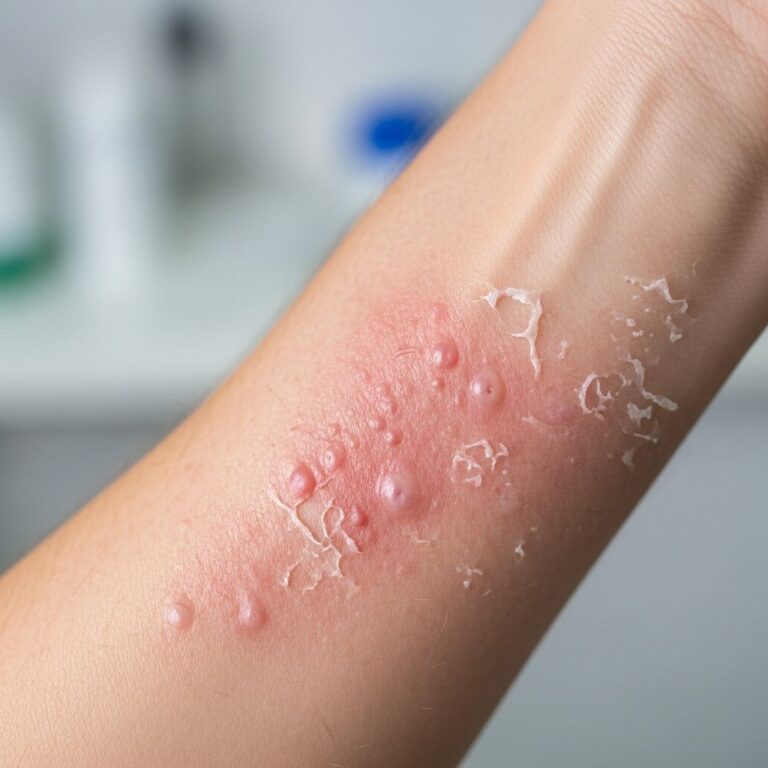
The virus responsible for chickenpox remains dormant in your nerve tissue and can reactivate later in life, particularly in people over 50. When reactivated, it causes shingles, a painful rash that typically appears on one side of your upper body and chest. The pain can be severe and may persist even after the rash heals, a condition called postherpetic neuralgia.
Digestive System Causes
Your digestive system can also produce chest pain on the right side, particularly conditions affecting your gallbladder.
Gallstones
Gallstones, composed primarily of cholesterol, can block the ducts where bile—a fluid essential for digestion—needs to travel to reach your small intestine. This blockage causes swelling in your gallbladder and results in extreme pain under your right ribs. These episodes can last for many hours and may require emergency care if severe.
When to Seek Immediate Medical Attention
Certain conditions causing right-side chest pain require urgent treatment. You should seek immediate medical attention if you experience:
- Symptoms of a pulmonary embolism, including sudden sharp chest pain and shortness of breath
- Signs of a heart attack or acute coronary syndrome
- Severe asthma or COPD exacerbations that don’t respond to medications
- Chest pain accompanied by difficulty breathing or loss of consciousness
- Symptoms of a collapsed lung, such as sudden severe chest pain and inability to breathe
- Suspected lung cancer or other serious pulmonary conditions
The risk of not treating asthma, COPD, and pulmonary embolism is that your body may not receive sufficient oxygen, which can be life-threatening. Similarly, untreated lung cancer is fatal, making early diagnosis crucial.
When to Schedule a Doctor’s Appointment
You should seek treatment from your healthcare provider for any right-side chest pain lasting more than a few minutes. Even if the pain seems minor or manageable, professional evaluation helps identify the underlying cause and prevents complications. Your doctor can perform diagnostic tests and recommend appropriate treatment options based on your specific condition.
Treatment Options for Right-Side Chest Pain
Treatment approaches vary significantly depending on the underlying cause of your chest pain. Medications effectively treat many causes of right-side chest pain, while some conditions require procedural interventions or other specialized treatments.
Medical Treatments
Your healthcare provider may prescribe medications tailored to your specific diagnosis. For example, antibiotics treat bacterial pneumonia, bronchodilators and corticosteroids manage asthma and COPD, anticoagulants prevent blood clots in pulmonary embolism, and antiviral medications address herpes zoster. Pain management may include over-the-counter or prescription analgesics depending on severity.
Procedural Interventions
Some conditions require more than medication. Procedures might include drainage of infected fluid from around the lungs in cases of severe pleurisy, chest tube insertion for pneumothorax, or surgical intervention for certain complications. Your healthcare provider will recommend the appropriate procedure if needed.
Lifestyle Modifications
Depending on your diagnosis, lifestyle changes may support recovery. These might include rest for musculoskeletal injuries, breathing exercises for lung conditions, dietary adjustments for gallstone management, and stress reduction techniques.
Prevention Strategies
While you cannot prevent most causes of right-side chest pain, certain preventive measures can reduce your risk of specific conditions:
- Move regularly during long flights or car rides to prevent blood clots
- Maintain adequate hydration to reduce clot formation risk
- Wear compression stockings if you’re at high risk for deep vein thrombosis
- Elevate your legs when sitting for extended periods
- Follow your asthma action plan to prevent attacks
- Maintain a healthy weight to reduce gallstone risk
- Ensure you’re vaccinated against shingles if you’re 50 or older
- Practice proper body mechanics to avoid musculoskeletal injuries
Diagnostic Approaches
Your healthcare provider will take a comprehensive approach to diagnosing the cause of your right-side chest pain. They’ll ask detailed questions about when the pain started, what it feels like, what makes it better or worse, and what other symptoms you’re experiencing. Based on this information and physical examination, they may order tests such as chest X-rays, CT scans, electrocardiograms (EKGs), blood tests, or ultrasounds to identify the underlying condition.
Frequently Asked Questions
Q: Is right-side chest pain always serious?
A: Not always. While some causes like pulmonary embolism and lung cancer are serious, others such as musculoskeletal strain or minor pleurisy may resolve with conservative treatment. However, any chest pain lasting more than a few minutes warrants professional evaluation.
Q: Can anxiety cause right-side chest pain?
A: While anxiety can contribute to chest discomfort through muscle tension and stress responses, right-side chest pain is more likely to stem from physical causes affecting your lungs, muscles, or organs. A healthcare provider can help determine if anxiety is a factor.
Q: How long does right-side chest pain typically last?
A: Duration depends on the cause. Musculoskeletal pain from a strain might resolve in days to weeks, while pleurisy could last longer. Conditions like pulmonary hypertension require ongoing management. Your doctor can provide timeline expectations based on your diagnosis.
Q: Can I treat right-side chest pain at home?
A: Simple musculoskeletal pain may improve with rest and over-the-counter pain relievers, but you should still consult your healthcare provider to rule out serious conditions. Never self-diagnose or delay seeking medical attention for persistent chest pain.
Q: What’s the difference between right-side and left-side chest pain?
A: While left-side chest pain often raises concerns about heart conditions, right-side pain more commonly originates from lung, gallbladder, or musculoskeletal issues. However, both require medical evaluation to determine the cause.
Q: Should I go to the emergency room for right-side chest pain?
A: If you experience sudden severe pain, difficulty breathing, rapid heartbeat, or other emergency warning signs, go to the emergency room immediately. For less urgent pain, call your doctor for guidance on the appropriate level of care.
Key Takeaways
Right-side chest pain can result from various conditions affecting your lungs, muscles, bones, digestive system, and other structures. While many causes respond well to medical treatment, some serious conditions require emergency intervention. The sharp or tight pain you experience may worsen with deep breathing or movement, depending on the underlying cause. It’s crucial not to ignore persistent chest pain, even if it seems minor. Your healthcare provider can conduct proper diagnostic testing, identify the specific cause, and recommend appropriate treatment. Once diagnosed, following your provider’s instructions and attending all follow-up appointments ensures optimal recovery and prevents complications. If you experience chest pain, rest assured that seeking professional medical attention will help clarify what’s happening and get you on the path to feeling better.
References
- 12 Causes of Right-Sided Chest Pain — Cleveland Clinic. 2024. https://my.clevelandclinic.org/health/symptoms/25070-right-side-chest-pain
- Chest Pain: What It Feels Like, Causes & Treatment — Cleveland Clinic. 2024. https://my.clevelandclinic.org/health/symptoms/21209-chest-pain
- When To Worry About Chest Pain — Cleveland Clinic. 2024. https://health.clevelandclinic.org/how-to-tell-if-your-chest-pain-might-be-serious
- Chest and Back Pain — Cleveland Clinic. 2024. https://my.clevelandclinic.org/health/symptoms/chest-and-back-pain
- Musculoskeletal Chest Pain: Definition, Causes & Treatment — Cleveland Clinic. 2024. https://my.clevelandclinic.org/health/symptoms/musculoskeletal-chest-pain
Similar Articles








Read full bio of medha deb