Right Upper Quadrant Pain: Causes, Symptoms & Treatment
Comprehensive guide to RUQ pain: understand causes, symptoms, and when to seek medical care.
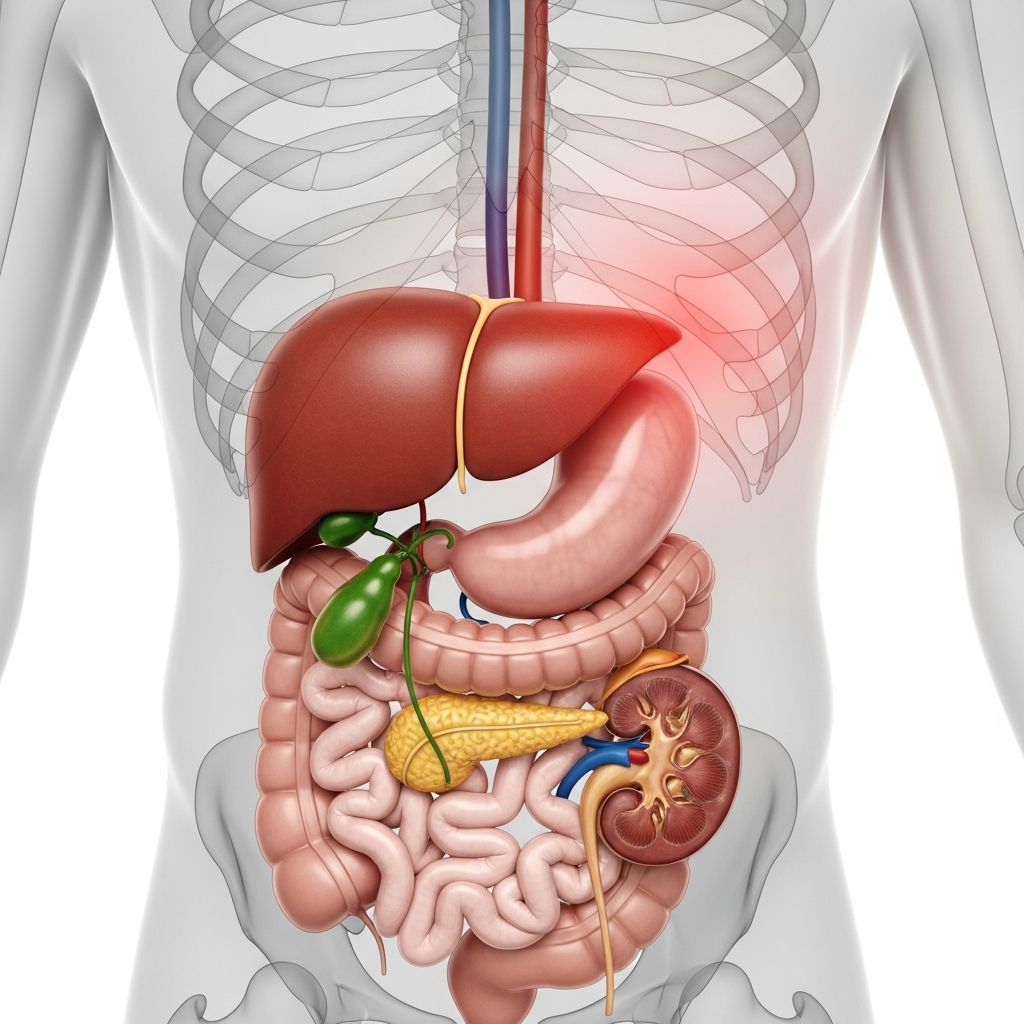
Understanding Right Upper Quadrant Pain
Right upper quadrant (RUQ) pain refers to discomfort in the upper portion of the abdomen on the right side of your body. To understand where this pain occurs, imagine dividing your abdomen into four sections with a vertical line down the middle and a horizontal line at your belly button level. The uppermost section on your right-hand side is your right upper quadrant. This area contains several vital organs, including your liver, gallbladder, right kidney, and portions of your intestines and pancreas.
RUQ pain is among the most common complaints patients report to healthcare providers, particularly in emergency departments. While minor aches and pains are common and typically resolve on their own, recurring or severe pain in this region may indicate an underlying medical condition requiring professional evaluation.
Common Causes of Right Upper Quadrant Pain
Gallbladder Problems
Inflammation of the gallbladder (cholecystitis) is the most common diagnosable cause of RUQ pain. Cholecystitis usually occurs when the main opening to the gallbladder becomes blocked, either by a gallstone or biliary sludge. Gallstones are hardened deposits of digestive fluid that form in your gallbladder and can cause significant discomfort.
RUQ pain due to gallstones may last several hours, often after consuming a large meal or in the evening. Additional symptoms associated with gallbladder problems include:
- Severe, sudden pain in the upper right abdomen
- Pain between the shoulder blades
- Pain in the right shoulder
- Nausea or vomiting
- Jaundice (yellowing of skin and eyes)
Treatment options for gallbladder conditions range from dietary modifications to surgical intervention. Doctors may recommend avoiding fatty foods that trigger symptoms, prescribing medications such as antacids and H2 blockers, or performing surgery such as cholecystectomy (gallbladder removal) in severe cases.
Kidney Stones and Kidney Infections
Problems with the kidney typically produce pain around the right-hand side of the RUQ or in your back (loin), though the pain may spread to involve the front of the abdominal area. Kidney stones can cause severe pain that occurs in spasms lasting from a few minutes to several hours.
An infection in the right kidney can also cause RUQ pain. Other symptoms of a kidney infection may include:
- Pain in the groin and back
- Fever and chills
- Frequent urination
- Pain when urinating
- Blood in the urine
- Dark or cloudy urine with foul odor
- Nausea and vomiting
Untreated kidney infections can lead to serious complications, including high blood pressure, kidney failure, and kidney scarring. Prompt medical evaluation is essential if you suspect a kidney infection.
Liver Problems
Although the liver occupies a large portion of the right upper quadrant, it doesn’t frequently cause pain. However, when liver problems do arise, they can include:
Related Stories



- Hepatitis: Infection causing inflammation of the liver, typically resulting in jaundice, fever, and feeling generally unwell. There are multiple types of hepatitis, including hepatitis A, B, and C.
- Liver cirrhosis: Chronic scarring of the liver tissue
- Fatty liver disease: Accumulation of fat in liver cells
Liver conditions often present with additional symptoms such as dark urine, pale stools, and unexplained weight loss.
Pancreatic Conditions
You can experience RUQ pain if your pancreas becomes inflamed, a condition known as pancreatitis. The pain from pancreatitis typically worsens gradually over time and is often accompanied by:
- Nausea or vomiting
- Fever
- Increased heart rate
- Pain in the center or upper left portion of the abdomen
While pancreatitis pain is usually felt more centrally or on the left side, it can occasionally be felt on the right. Most cases of acute pancreatitis require hospitalization for treatment. People with chronic pancreatitis may need to make significant lifestyle changes, such as ceasing to drink alcohol, to manage their condition.
Pancreatic cancer can also cause upper abdominal pain, though symptoms often don’t appear until the disease is advanced.
Gastrointestinal Issues
Several gut problems can generate RUQ pain:
- Duodenal ulcer: Pain typically begins a couple of hours after eating and may improve with antacids. Pain can gradually intensify over time and may be associated with vomiting blood—an emergency requiring immediate hospital care.
- Indigestion and gastritis: Characterized by dull, burning pain with accompanying symptoms including uncomfortable fullness, bloating, burping, gas, nausea, or vomiting. Most mild cases resolve independently, though persistent symptoms lasting longer than two weeks warrant medical evaluation.
- Gastroesophageal reflux disease (GERD): Chronic acid reflux can produce upper abdominal discomfort
Less Common Causes of Right Upper Quadrant Pain
Heart Problems
While heart attacks typically present with chest pain radiating to the left arm or neck, or chest tightness, they can occasionally cause pain in the RUQ. If experiencing a heart attack, you would typically feel unwell, experiencing symptoms such as sweating or shortness of breath. Any suspicious chest or upper abdominal pain accompanied by these symptoms requires immediate emergency care.
Respiratory Infections
Pneumonia and other lung infections can cause RUQ pain. This infection affects the lungs and normally produces a cough and high temperature (fever), with or without breathlessness and chest pain. If the infection is in the lower portion of your right lung, you may feel the pain in your RUQ. Similarly, conditions such as pleurisy can sometimes produce pain so low in your chest that it feels located in your abdomen.
Other Conditions
Additional conditions occasionally causing RUQ pain include:
- Shingles (herpes zoster) affecting the right side
- Diabetic ketoacidosis, a serious diabetes complication
- Preeclampsia during pregnancy
- Referred pain from other body areas
Referred Pain and the Complexity of RUQ Pain
The human body’s pain signaling system is complex, and pain in the RUQ doesn’t always originate from organs in that region. Referred pain occurs when pain signals from one area of the body are perceived as coming from another location. This mechanism broadens the possible causes of RUQ pain and underscores the importance of professional medical evaluation rather than self-diagnosis.
Diagnosis and Evaluation
Evaluating RUQ pain requires a combination of approaches. Healthcare providers typically begin with a detailed medical history and physical examination, paying particular attention to the nature of the pain, when it started, what makes it worse or better, and accompanying symptoms.
Diagnostic testing may include:
- Laboratory tests: Blood work to check liver function, kidney function, and other markers
- Imaging studies: Ultrasound, CT scans, or MRI to visualize organs in the RUQ
- Specialized tests: HIDA scan for gallbladder function or endoscopy for digestive tract issues
The specific tests ordered depend on the suspected underlying cause based on your symptoms and examination findings.
Treatment Options
There is no single treatment for RUQ pain because the appropriate therapy depends entirely on the underlying cause. Once a diagnosis is established, your healthcare provider will recommend a targeted treatment plan. Treatment approaches vary widely:
- Gallstones: May resolve with dietary changes or require surgical removal
- Kidney infections: Typically treated with antibiotics
- Pancreatitis: Usually requires hospitalization for supportive care and pain management
- GERD and gastritis: Managed with dietary modifications and medications
- Liver conditions: Treatment varies based on the specific diagnosis and severity
When to Seek Medical Care
Seek immediate medical attention if you experience:
- Severe, sudden pain in the RUQ
- Pain accompanied by fever, jaundice, or vomiting blood
- Pain with signs of a heart attack (chest pressure, shortness of breath, arm pain)
- Pain that persists for more than a few hours or worsens despite over-the-counter pain relief
- RUQ pain accompanied by signs of infection (fever, chills)
Additionally, untreated conditions causing RUQ pain can lead to serious complications. Untreated gallstones may cause inflammation or infection of the gallbladder or pancreas. Untreated gastritis increases the risk of ulcers or stomach cancer. Untreated kidney infections can progress to kidney failure. Early evaluation and diagnosis are crucial for optimal health outcomes.
Prevention and Management
While not all causes of RUQ pain are preventable, certain lifestyle modifications may reduce your risk:
- Maintain a healthy diet: Limit fatty and greasy foods that may trigger gallbladder pain
- Stay hydrated: Drinking adequate water may help prevent kidney stones
- Manage alcohol consumption: Excessive alcohol use increases the risk of liver disease and pancreatitis
- Practice infection prevention: Good hygiene and safe practices reduce infection risk
- Maintain a healthy weight: Obesity increases gallstone risk
Frequently Asked Questions
Q: What is the most common cause of right upper quadrant pain?
A: Inflammation of the gallbladder (cholecystitis) is the most common diagnosable cause of RUQ pain, typically occurring when gallstones block the gallbladder opening.
Q: How long does RUQ pain typically last?
A: Duration varies by cause. Gallstone-related pain may last several hours, kidney stone pain occurs in spasms of minutes to hours, while some conditions cause chronic persistent pain. Medical evaluation is necessary to determine duration and cause.
Q: Can RUQ pain be caused by something serious?
A: Yes, RUQ pain can indicate serious conditions including heart attacks, pancreatitis, kidney infections, and liver disease. Any severe or persistent RUQ pain warrants professional medical evaluation.
Q: Should I go to the emergency room for RUQ pain?
A: Seek emergency care if you experience severe pain, pain with fever or jaundice, suspected heart attack symptoms, or pain accompanied by vomiting blood. For milder pain, schedule an appointment with your primary care provider.
Q: Can stress cause right upper quadrant pain?
A: While stress can exacerbate some digestive conditions, RUQ pain typically indicates an underlying physical condition. Medical evaluation is important to identify the specific cause rather than attributing pain solely to stress.
References
- Right Upper Quadrant Pain — Patient.info. 2024-12-16. https://patient.info/signs-symptoms/right-upper-quadrant-pain-leaflet
- Evaluating the Patient with Right Upper Quadrant Abdominal Pain — PubMed/National Center for Biotechnology Information. 2016. https://pubmed.ncbi.nlm.nih.gov/27133241/
- What Causes Right Upper Quadrant Pain Under My Ribs? — Healthline. 2024. https://www.healthline.com/health/right-upper-quadrant-pain-under-ribs
- Right Upper Quadrant Pain Under the Ribs: 9 Causes — Medical News Today. 2024. https://www.medicalnewstoday.com/articles/325862
Similar Articles








Read full bio of Sneha Tete