Rilpivirine Tablets For HIV: Essential Guide To Dose & Risks
Comprehensive guide to Rilpivirine (Edurant) tablets: usage, dosage, side effects, and key considerations for HIV treatment.
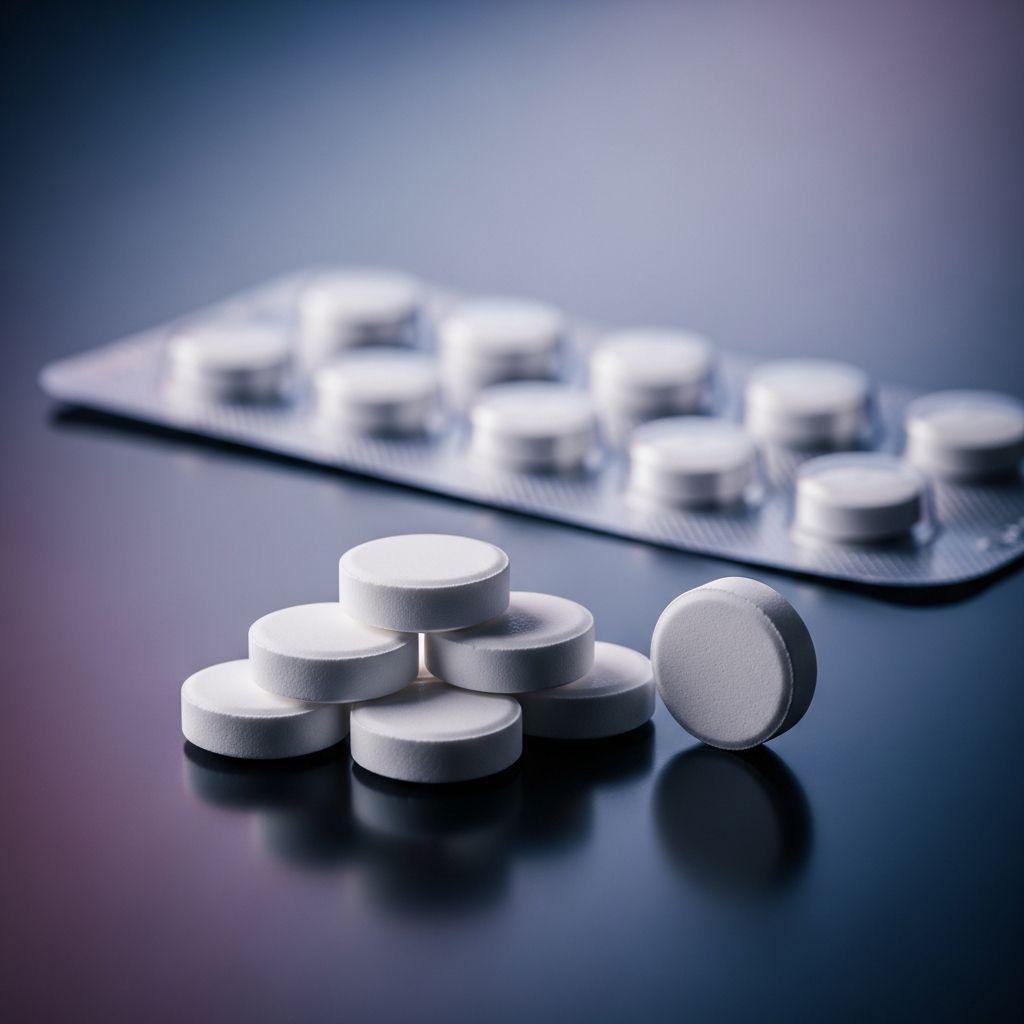
Rilpivirine, marketed as
Edurant
, is a non-nucleoside reverse transcriptase inhibitor (NNRTI) used in combination with other antiretroviral medications to treat HIV-1 infection in treatment-naive patients.About rilpivirine tablets
Rilpivirine tablets help control HIV by inhibiting the reverse transcriptase enzyme, which the virus uses to replicate. This reduces viral load, boosts CD4 cell counts, and slows disease progression, though it does not cure HIV or prevent transmission. It is specifically indicated for adults and adolescents with HIV-1 RNA ≤100,000 copies/mL and CD4+ >200 cells/mm³ who have not previously received antiretroviral therapy.
Available as 25 mg oral tablets or tablets for suspension, rilpivirine is taken daily with food to enhance absorption. It features in combination products like Complera, Odefsey, Juluca, and Rekambys for simplified regimens.
Before taking rilpivirine
Allergy
Avoid rilpivirine if allergic to it or any ingredients. Hypersensitivity reactions, though rare, can occur and require immediate discontinuation.
Pregnancy and breastfeeding
Limited data exists on rilpivirine in pregnancy; it is not recommended unless benefits outweigh risks. Animal studies show no direct harm, but human data is insufficient. Effective contraception is advised during treatment and for 1 month after. Breastfeeding is not recommended for HIV-positive individuals due to transmission risk.
Babies and children
Approved for children ≥2 years weighing ≥14 kg (tablets for suspension) or ≥12 years/≥25 kg (tablets). Dosing is weight-based; consult a specialist for pediatrics.
Adults aged 65+ and liver/kidney disease
Use caution in elderly patients due to potential comorbidities. Dose adjustment not typically needed for mild-moderate liver impairment (Child-Pugh A/B), but avoid in severe cases. Monitor kidney function; no adjustment for mild impairment.
How and when to take rilpivirine
Dosage
Adults and adolescents ≥12 years/≥25 kg: 25 mg once daily.
Children 2-11 years/14-25 kg: Weight-based, e.g., 15 mg (20-<25 kg) as tablets for suspension.
| Weight (kg) | Dose (mg) | Tablets for Suspension |
|---|---|---|
| 14 to <20 | 10 | 4 tablets |
| 20 to <25 | 15 | 6 tablets |
| ≥25 | 25 | 10 tablets or standard tablet |
For short-term use with cabotegravir: 25 mg daily for ≥28 days before Cabenuva injections.
Taking with food and missed doses
Take with a meal (≥400 kcal) to improve bioavailability; avoid proton pump inhibitors which reduce absorption. For missed doses within 12 hours, take immediately; otherwise, skip and resume schedule. Do not double dose.
Common questions about rilpivirine
- How does it work? As an NNRTI, it binds non-competitively to reverse transcriptase, blocking HIV-1 replication without affecting human polymerases.
- Duration of treatment? Lifelong, as part of combination therapy to maintain viral suppression.
- Storage? Room temperature, away from moisture; discard unused suspension after constitution.
Side-effects of rilpivirine
Most side effects are mild and resolve over time. Common ones (>10%): rash (16%), nausea (4%), dizziness (3%), headache (4%), insomnia (4%).
| Frequency | Side Effects |
|---|---|
| Common (>1/10) | Rash |
| Common (1-10%) | Nausea, dizziness, headache, insomnia, fatigue, depression, abdominal pain |
| Rare | Hypersensitivity, hepatotoxicity, severe depression/suicidality |
Serious risks include immune reconstitution syndrome, fat redistribution, and QT prolongation (avoid with other QT-prolonging drugs). Monitor liver enzymes, especially in hepatitis B/C co-infection.
Related Stories



How to cope with rilpivirine side effects
- Rash: Mild cases self-resolve; severe require medical attention. Use moisturizers; avoid irritants.
- Nausea: Take with food; ginger or antiemetics if persistent.
- Dizziness/Headache: Rest, hydrate; avoid driving if severe.
- Depression: Report mood changes immediately; seek mental health support.
- Lipodystrophy: Exercise, diet; monitor lipids.
Report severe symptoms (e.g., rash with fever, suicidal thoughts, jaundice) urgently.
Interactions – medicines and others
Rilpivirine is metabolized by CYP3A4; inducers (e.g., rifampicin, carbamazepine) reduce levels and are contraindicated. Proton pump inhibitors (e.g., omeprazole) decrease absorption—avoid or separate by 12 hours.
| Drug Class | Examples | Effect |
|---|---|---|
| Antacids/H2 blockers | Maalox, ranitidine | ↓ Rilpivirine; separate ≥2/4 hours |
| CYP3A inducers | Rifampicin, St. John’s wort | Contraindicated |
| CYP3A inhibitors | Ketoconazole | ↑ Rilpivirine; monitor |
| QT prolongers | Methadone, amiodarone | Caution; ECG monitoring |
Alcohol/grapefruit unlikely to interact significantly, but limit alcohol to protect liver.
Alternatives to rilpivirine
Other NNRTIs: efavirenz, doravirine. Preferred regimens per guidelines include bictegravir/emtricitabine/tenofovir (Biktarvy) or dolutegravir-based for broader use. Long-acting options: cabotegravir/rilpivirine (Cabenuva) injections monthly.
Frequently Asked Questions (FAQs)
Q: Can rilpivirine cure HIV?
A: No, it manages HIV but does not cure it or prevent transmission. Maintain safer sex practices.
Q: Is rilpivirine safe during pregnancy?
A: Use only if necessary; discuss with your doctor. Registry data ongoing.
Q: What if I miss a dose?
A: Take within 12 hours; otherwise skip. Consistency prevents resistance.
Q: Does rilpivirine cause weight gain?
A: Less lipodystrophy than older NNRTIs, but monitor body fat changes.
Q: Can I switch to rilpivirine if experienced on other ART?
A: Primarily for naive patients; check resistance profile with specialist.
Rilpivirine remains a key option in HIV management, offering once-daily dosing with a favorable profile when used appropriately. Regular monitoring ensures optimal outcomes. Consult healthcare providers for personalized advice.
References
- Rilpivirine Tablets: Uses & Side Effects — Cleveland Clinic. 2023. https://my.clevelandclinic.org/health/drugs/19436-rilpivirine-tablets
- Rilpivirine: Uses, Interactions, Mechanism of Action — DrugBank. 2024-01-10. https://go.drugbank.com/drugs/DB08864
- Rilpivirine — Aidsmap. 2023-05-15. https://www.aidsmap.com/about-hiv/arv-factsheet/rilpivirine
- Rilpivirine (oral route) — Mayo Clinic. 2024. https://www.mayoclinic.org/drugs-supplements/rilpivirine-oral-route/description/drg-20074935
- Rilpivirine (Edurant) — CATIE.ca. 2021-07-25. https://www.catie.ca/sites/default/files/2021-07/fs-treat-rilpivirine-EN-2018-07-25.pdf
- Rilpivirine — NCBI LiverTox. 2023-08-12. https://www.ncbi.nlm.nih.gov/books/NBK548514/
Similar Articles








Read full bio of medha deb