Rimexolone Eye Drops: Uses, Safety, And Alternatives
Understanding rimexolone eye drops: uses, safety, and discontinuation status.
Rimexolone Eye Drops for Inflammation
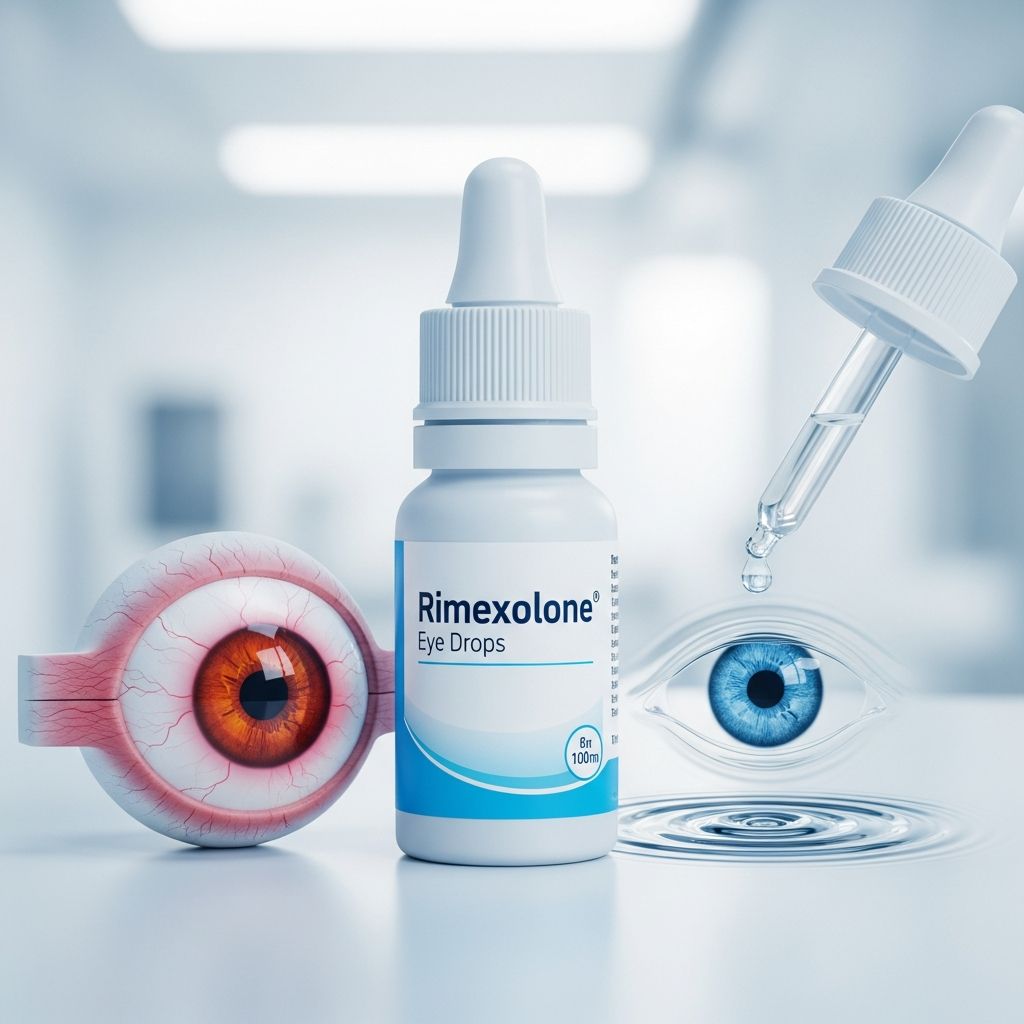
Rimexolone eye drops, marketed under the brand name Vexol, are corticosteroid medications used to treat short-term inflammatory eye conditions. These drops work by reducing inflammation, redness, and irritation in the eye. However, it is important to note that rimexolone products have been discontinued in the United Kingdom and several other countries, including the United States. This comprehensive guide provides detailed information about rimexolone, its uses, safety considerations, and important administration guidelines.
About Rimexolone Eye Drops
Rimexolone is a glucocorticoid steroid suspension formulated as a 1% ophthalmic solution. The medication is a sterile, multi-dose topical ophthalmic suspension containing rimexolone as its active ingredient. These eye drops are designed specifically for treating inflammatory conditions affecting the anterior chamber of the eye. Healthcare providers, particularly eye specialists, typically prescribe rimexolone for patients requiring short-term anti-inflammatory treatment.
The medication functions by suppressing the inflammatory response in the eye, helping to reduce capillary dilatation, fibroblastic proliferation, deposition of collagen, and scar formation associated with inflammation. This mechanism of action makes rimexolone effective for various post-operative and inflammatory eye conditions.
| Property | Details |
|---|---|
| Type of Medicine | Corticosteroid eye drops |
| Brand Name | Vexol |
| Active Ingredient | Rimexolone 1% ophthalmic suspension |
| Route of Administration | Topical ocular (eye drops) |
| Availability | Discontinued in UK and US; may be available in other countries |
Medical Uses
Rimexolone eye drops are indicated for treating several eye conditions. The primary uses include:
- Postoperative inflammation: Treatment of anterior chamber inflammation following ocular surgery, particularly cataract surgery
- Anterior uveitis: Management of inflammation in the anterior portion of the uveal tract
- Conjunctivitis: Treatment of inflammatory conjunctival conditions
- Keratitis: Management of corneal inflammation
Clinical trials have demonstrated that rimexolone is efficacious for treating postoperative inflammation following ocular surgery. Eye specialists typically prescribe these drops when anti-inflammatory treatment is necessary to prevent complications and promote healing after eye procedures.
Before Using Rimexolone Eye Drops
Before starting treatment with rimexolone eye drops, it is essential that your healthcare provider knows important information about your medical history and current medications. This ensures the medication is appropriate for your specific situation and minimizes the risk of adverse reactions or complications.
Inform your doctor or eye specialist if you have:
- Ever had an allergic reaction to any eye drops or other medications
- A suspected eye infection or recent eye infection history
- Herpes simplex or other viral eye infections
- Soft contact lenses that you regularly wear
- Are currently pregnant or breastfeeding
- Taking any other medications, including over-the-counter products and herbal remedies
Important contraindications: Rimexolone is contraindicated in epithelial herpes simplex infections and other viral eye conditions. Additionally, the medication should not be used in cases of mycobacterial, fungal, or amoebal eye infections, as rimexolone only reduces inflammation without addressing the underlying infection.
Related Stories



How to Use Rimexolone Eye Drops
Proper administration technique is crucial for the effectiveness of rimexolone eye drops and to minimize the risk of complications. Follow these guidelines carefully:
Dosage for postoperative inflammation: Apply one to two drops of rimexolone 1% ophthalmic suspension into the conjunctival sac of the affected eye(s). The typical dosing schedule begins with frequent application during the first week and gradually tapers as inflammation improves.
General administration tips:
- Do not touch the dropper tip to your eye, fingers, or any other surface to prevent contamination and reduce infection risk
- If you are using multiple eye drops or ointments, wait at least five minutes between applications to prevent excessive liquid in the eye
- Do not share bottles between eyes, particularly when the drops are used in association with surgery
- Keep the bottle tightly closed when not in use
- Wash your hands before and after administration unless instructed otherwise
Duration of treatment: Rimexolone is meant for short-term use only, with a maximum duration of four weeks. Prolonged use beyond the recommended period can cause serious problems within the eye, including ocular hypertension, glaucoma, optic nerve damage, visual acuity and field defects, and posterior subcapsular cataract formation.
Vision after application: When first instilled, eye drops may cause temporary blurred vision. This usually clears quickly, but ensure your vision is clear before driving or operating machinery to prevent accidents.
Getting the Most From Your Treatment
To achieve optimal results from rimexolone treatment, follow these recommendations:
Regular monitoring: If your symptoms do not improve within a few days or if they worsen, contact your doctor or eye clinic immediately for reassessment. Your healthcare provider may need to adjust your treatment plan.
Contact lens considerations: If you normally wear contact lenses, switch to spectacles until your doctor advises it is safe to resume lens use. This is important for two reasons: first, you should not wear contact lenses while your eyes are inflamed; second, eye drop bottles contain preservatives that can damage some soft contact lenses, particularly those made from certain materials.
Intraocular pressure monitoring: If the product is used for 10 days or longer, your intraocular pressure should be monitored, even though this may be difficult in children and uncooperative patients. Regular monitoring helps detect glaucoma development early.
Follow-up care: After initial prescription, medication renewal beyond 14 days should only be made by a physician following a comprehensive eye examination with magnification (such as slit lamp biomicroscopy) and appropriate fluorescein staining when indicated.
Can Rimexolone Eye Drops Cause Problems?
Common side effects: Most patients experience minimal side effects from rimexolone. The most frequently reported adverse effects include:
- Blurred vision: Usually disappears within a few minutes. Do not drive or use machinery while affected
- Mild irritation or discomfort: Should pass quickly; contact your doctor if it persists
- Tearing: Common reaction to eye drop administration
Occasional side effects occurring in 1-5% of patients: These may include discharge, ocular pain, foreign body sensation, hyperemia (redness), and pruritus (itching).
Less common side effects (less than 1%): These include sticky sensation, increased fibrin, dry eye, conjunctival edema, corneal staining, keratitis, photophobia, corneal ulcer, browache, lid margin crusting, corneal edema, corneal infiltrate, and corneal erosion.
Non-ocular side effects: Side effects affecting the rest of the body occur in less than 2% of patients and may include headache, hypotension, rhinitis, pharyngitis, and taste perversion.
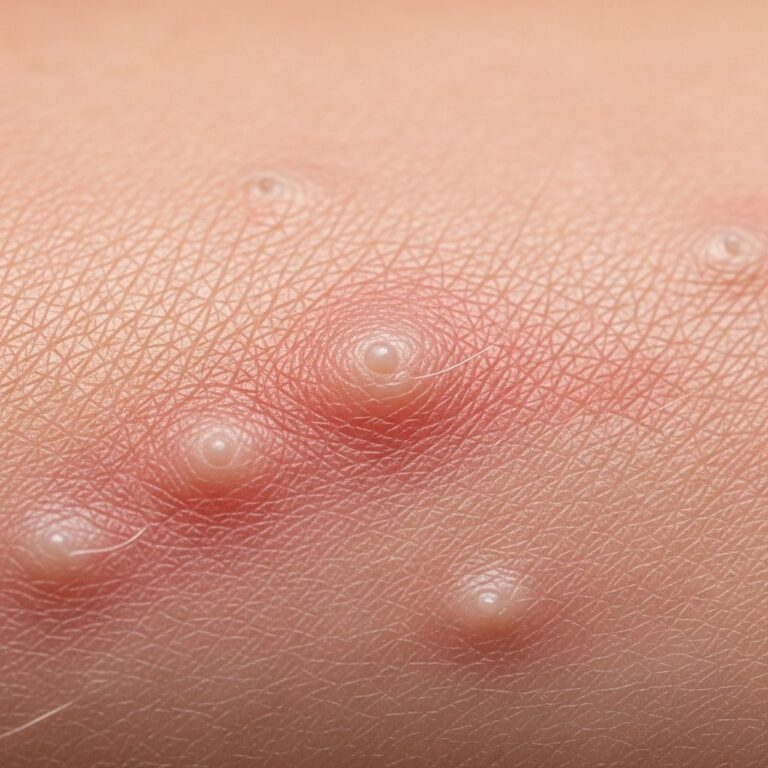
Allergic reactions: Occasionally, people may be allergic to eye drops due to preservative content. If you notice a rash around your eyes, swelling, or itching, stop using the drops immediately and contact your doctor. These symptoms may indicate a preservative allergy.
Serious complications with prolonged use: Extended use beyond the recommended four-week maximum can result in ocular hypertension, glaucoma, optic nerve damage, visual field defects, posterior subcapsular cataract formation, and secondary ocular infections due to suppression of host immune response. Acute purulent eye infections may be masked or worsened by rimexolone use.
How to Store Rimexolone Eye Drops
Proper storage ensures the medication remains effective and safe to use. Store rimexolone eye drops in a cool, dry place away from direct sunlight and heat. Keep the bottle tightly closed when not in use. Do not freeze the medication. Check the expiration date regularly and discard expired products according to local pharmaceutical waste disposal guidelines. If you have questions about proper storage, consult your pharmacist.
Important Information About All Medicines
Eye use only: Rimexolone eye drops are formulated exclusively for use in the eyes. The solution is not intended for ingestion or use in other parts of the body.
Accidental ingestion: If you suspect that someone, particularly a child, has swallowed rimexolone eye drops, proceed immediately to the accident and emergency department of your local hospital. Bring the container with you, even if it is empty, as this helps healthcare providers identify the substance ingested.
Personal use only: This medicine is prescribed specifically for you. Never give it to other people, even if their condition appears to be identical to yours. Individual patient factors, contraindications, and medical history differ, making personalized prescriptions essential for safe treatment.
Manufacturer information: Always refer to the manufacturer’s information supplied with your medication for additional details and updated safety information. Healthcare providers should consult the most current prescribing information when making treatment decisions.
Current Status and Availability
Rimexolone products, including the branded formulation Vexol, have been discontinued in the United Kingdom as of 2019. At the time of this review, no branded or generic products containing rimexolone are available in the UK market. However, rimexolone may still be available in other countries outside the United Kingdom and United States.
Patients and healthcare providers seeking alternative treatments for eye inflammation should consult with their eye specialist regarding other available corticosteroid options for managing ocular inflammation and postoperative conditions.
Frequently Asked Questions
Q: Why was rimexolone discontinued?
A: While specific reasons for discontinuation are not detailed, many medications are discontinued due to market factors, manufacturing decisions, or the availability of alternative treatments. Consult your eye care provider about suitable alternatives for managing your eye inflammation.
Q: What alternatives are available to rimexolone?
A: Several other corticosteroid eye drops are available for treating eye inflammation, including dexamethasone, prednisolone acetate, and betamethasone. Your ophthalmologist can recommend the most appropriate alternative based on your specific condition.
Q: Can I use rimexolone with contact lenses?
A: No. You should not wear contact lenses while using rimexolone because eye drops contain preservatives that can damage soft contact lenses. Switch to glasses until your eye inflammation resolves and your doctor approves resuming lens use.
Q: How long can I safely use rimexolone?
A: Rimexolone is designed for short-term use only, with a maximum duration of four weeks. Prolonged use beyond this period increases the risk of serious complications including glaucoma and cataract formation.
Q: What should I do if my eye symptoms don’t improve?
A: If symptoms do not improve within a few days or if they worsen, contact your eye doctor immediately. You may need a different treatment approach or a reassessment of your condition.
Q: Can I use rimexolone in both eyes from the same bottle?
A: Use of the same bottle for both eyes is not recommended, particularly when the drops are used in association with surgery, as this increases infection risk.
Q: What are the signs of an allergic reaction to rimexolone?
A: Signs of allergic reaction include rash around the eyes, swelling, and itching. If you experience these symptoms, stop using the drops and contact your doctor immediately.
References
- Rimexolone eye drops for inflammation — Patient.info. Last updated 12 September 2022. https://patient.info/medicine/rimexolone-eye-drops-for-inflammation-discontinued
- Vexol® 1% (rimexolone ophthalmic suspension) – Prescribing Information — U.S. Food and Drug Administration. 2012. https://www.accessdata.fda.gov/drugsatfda_docs/label/2012/020474s021lbl.pdf
- Rimexolone — National Library of Medicine. https://pubchem.ncbi.nlm.nih.gov/compound/Rimexolone
Similar Articles








Read full bio of Sneha Tete