Ring Pessaries: 3 Safe Options To Manage Pelvic Prolapse
Discover how ring pessaries offer effective, non-surgical relief for pelvic organ prolapse and incontinence symptoms in women.
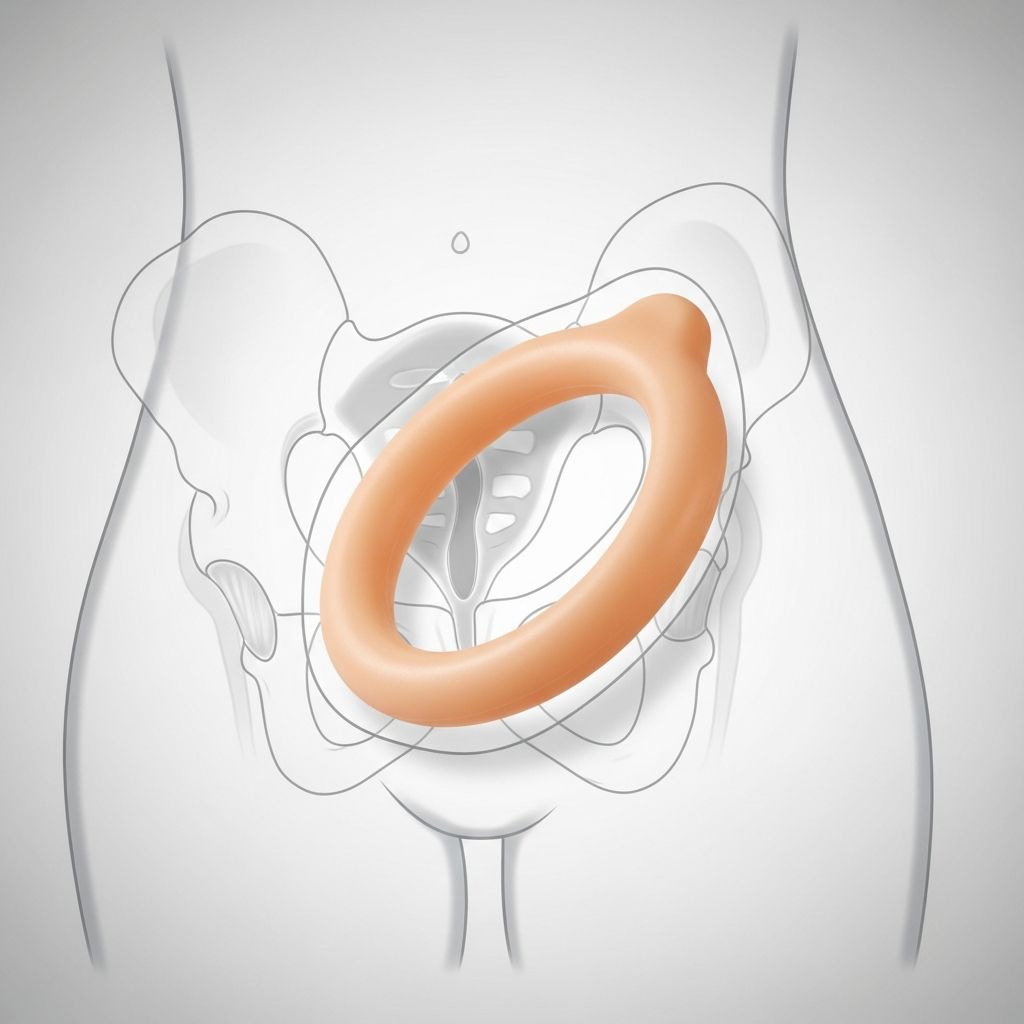
Ring pessaries are flexible, ring-shaped devices inserted into the vagina to support weakened pelvic structures, primarily used to manage pelvic organ prolapse (POP) and associated urinary issues. These medical aids offer women a practical alternative to invasive procedures, particularly for those with early-stage conditions or contraindications to surgery.
Understanding Pelvic Organ Prolapse and the Role of Support Devices
Pelvic organ prolapse occurs when pelvic floor muscles and tissues weaken, allowing organs such as the bladder, uterus, rectum, or small intestine to descend into the vaginal canal. This condition affects millions of women, often exacerbated by childbirth, menopause, chronic constipation, or heavy lifting. Symptoms include a sensation of heaviness, bulging in the vagina, discomfort during intercourse, and urinary leakage, especially under stress like coughing or exercising.
Support devices like ring pessaries address these issues by repositioning prolapsed organs, restoring normal anatomy without surgery. They are especially beneficial for women planning future pregnancies, those deemed high-risk for operations, or individuals preferring conservative management.
Design and Variations of Ring Pessaries
The classic ring pessary resembles a soft, flexible donut made from medical-grade silicone, typically 5-10 cm in diameter. It features a smooth edge and sometimes a supportive membrane across the center. Variations include:
- Plain ring: Ideal for first- and second-stage POP, providing general support without additional features.
- Ring with knob: Includes a small protrusion to bolster urethral support, targeting stress urinary incontinence alongside prolapse.
- Supported ring: Contains a firmer internal structure for moderate prolapse cases.
These designs prioritize ease of use, with many allowing self-insertion and removal. Clinicians select sizes based on vaginal dimensions and prolapse severity during a pelvic exam.
Who Benefits Most from Ring Pessaries?
Candidates for ring pessaries include women with symptomatic POP stages I-III, stress incontinence linked to prolapse, or those simulating surgical outcomes preoperatively. They suit active individuals, as the device remains stable during daily activities, exercise, or intercourse (with removal if needed).
| Prolapse Stage | Suitability for Ring Pessary | Common Symptoms Addressed |
|---|---|---|
| Stage I-II (Mild-Moderate) | Highly suitable; first-line choice | Bulging sensation, mild incontinence |
| Stage III (Severe) | Possible with monitoring | Visible prolapse, urinary retention |
| Stage IV (Complete) | Less ideal; alternatives preferred | Full organ eversion, severe discomfort |
Contraindications are limited to active vaginal infections, severe tissue ulceration, silicone/latex allergies, or poor follow-up compliance.
The Fitting Process: What to Expect
Fitting begins with a comprehensive pelvic evaluation, including history review, symptom assessment, and physical exam to measure vaginal length, width, and prolapse extent. No anesthesia is required; the provider applies lubricant and folds the pessary for insertion behind the pubic bone, where it expands to support the organs.
Patients test the fit by walking, coughing, squatting, and voiding. Success means no expulsion, discomfort, or voiding issues. Self-management training follows, with follow-up in 2-4 weeks to confirm adaptation. Multiple trials may be needed for optimal sizing.
Related Stories



- Provider selects trial sizes.
- Inserts folded pessary with lubricant.
- Patient performs mobility tests.
- Teaches self-removal/insertion.
- Schedules check-up.
Daily Management and Hygiene Practices
Once fitted, ring pessaries can remain in place for weeks to months, with self-removal for cleaning advised weekly or as directed. Wash with mild soap and warm water, dry thoroughly, and reinsert after folding. Some women remove nightly for intercourse or sleep.
Regular check-ups every 3-6 months monitor for irritation, odor, or erosion. Vaginal estrogen cream may be prescribed for postmenopausal women to maintain tissue health. Most users report minimal awareness of the device after adjustment.
Potential Complications and How to Mitigate Them
While safe, minor issues like increased discharge, odor, or spotting can occur, resolving with hygiene. Rare complications include vaginal erosion, infection, or fistula, prevented by routine follow-up. Discontinue if severe pain, bleeding, or malodorous discharge arises, and seek prompt care.
- Vaginal irritation: Use estrogen therapy.
- Expulsion: Resize or switch types.
- Incontinence worsening: Temporary; assess fit.
Long-Term Use: Effectiveness and Lifestyle Integration
Studies affirm high success rates, with 70-90% satisfaction for symptom relief in POP and incontinence. Long-term use is viable indefinitely for suitable candidates, delaying or avoiding surgery.
Integration tips:
- Exercise pelvic floor muscles alongside use.
- Maintain healthy weight and bowel habits.
- Choose cotton underwear for breathability.
Compared to surgery, pessaries offer reversibility and lower risk, though surgery may provide permanent correction for severe cases.
Comparing Ring Pessaries to Other Options
| Treatment | Pros | Cons | Best For |
|---|---|---|---|
| Ring Pessary | Non-invasive, self-manageable, quick relief | Requires maintenance, minor risks | Mild-moderate POP, active women |
| Surgery | Potentially permanent | Invasive, recovery time, risks | Severe prolapse, surgery candidates |
| Gellhorn Pessary | Better for advanced prolapse | Harder to self-remove | High-stage POP |
Frequently Asked Questions
Can I have sex with a ring pessary in place?
Yes, many types allow intercourse without removal, but check with your provider; self-removal is straightforward for rings.
How often should I clean my pessary?
Weekly removal for washing, or as advised; provider cleans during visits.
Will a pessary cure prolapse?
No, it manages symptoms; pelvic exercises strengthen muscles long-term.
Are pessaries covered by insurance?
Often yes for medical necessity; confirm with your plan.
What if the pessary falls out?
Reinsert after cleaning; persistent issues warrant refitting.
Empowering Women Through Informed Choices
Ring pessaries empower women to manage pelvic health proactively, balancing symptom control with lifestyle needs. Consult healthcare providers for personalized guidance, combining pessaries with lifestyle modifications for best outcomes.
References
- Pessary Use in Pelvic Organ Prolapse and Urinary Incontinence — NCBI/PMC. 2010-05-15. https://pmc.ncbi.nlm.nih.gov/articles/PMC2876320/
- Vaginal pessary use to treat pelvic organ prolapse — Urine Incontinence Australia. 2023. https://www.urineincontinence.com.au/prolapse/vaginal-pessary-use-treat-pelvic-organ-prolapse
- What Are Vaginal Pessaries? — WebMD. 2024-01-10. https://www.webmd.com/urinary-incontinence-oab/what-are-vaginal-pessaries
- Pessary: Benefits, Placement, Types, Care & Effectiveness — Cleveland Clinic. 2023-08-22. https://my.clevelandclinic.org/health/treatments/16036-pessaries
- Vaginal Pessary for Pelvic Organ Prolapse — Your Pelvic Floor. 2022. https://www.yourpelvicfloor.org/media/vaginal-pessary-for-pelvic-organ-prolapse-english-1.pdf
Similar Articles








Read full bio of Sneha Tete