Ringworm: Causes, Symptoms, Treatment & Prevention
Complete guide to understanding ringworm: fungal infection symptoms, diagnosis, and effective treatment options.
Understanding Ringworm: A Comprehensive Guide
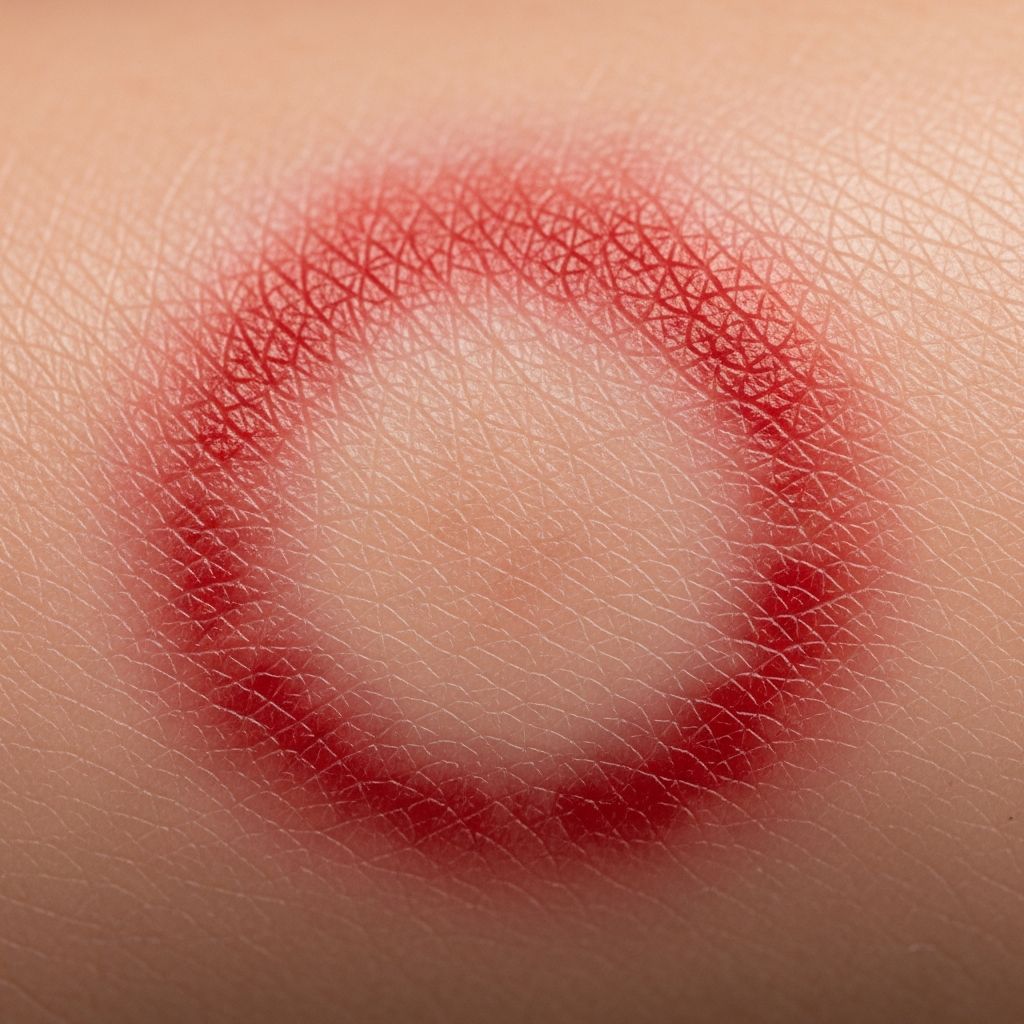
Ringworm is a common and highly contagious fungal skin infection that affects people of all ages and can appear on nearly any part of the body. Despite its misleading name, ringworm is not caused by a worm at all, but rather by a fungal infection. The condition gets its name from the distinctive red or brown ring-shaped rash it produces on the skin. Understanding the nature of ringworm, its causes, symptoms, and treatment options is essential for anyone who suspects they may have this infection or wants to prevent its transmission.
What Is Ringworm?
Ringworm, medically known as dermatophytosis, is a fungal skin infection caused by organisms called dermatophytes. These fungi naturally live on human skin, hair, and nails. When environmental conditions become favorable—particularly in warm, damp environments—these fungi can multiply uncontrollably, leading to the characteristic symptoms of ringworm. The infection typically manifests as a red or brown flat patch with a circular or ring-like shape and a scaly, raised border.
The condition is remarkably common and highly contagious, spreading easily through close contact with infected individuals or contaminated surfaces. Ringworm can develop on virtually any area of the body and is often named according to its location, such as athlete’s foot (ringworm of the feet), jock itch (ringworm of the groin), or scalp ringworm.
Types of Ringworm Infections
Ringworm manifests in different forms depending on which part of the body is affected. Each type has its own characteristics and may require slightly different treatment approaches:
- Tinea Pedis (Athlete’s Foot): Affects the feet and is common among athletes and individuals in warm, moist environments
- Tinea Cruris (Jock Itch): Occurs in the groin area and is particularly prevalent in warm climates
- Tinea Capitis (Scalp Ringworm): Affects the scalp and hair, very common in children
- Tinea Corporis (Body Ringworm): Can appear on any area of the body’s skin
- Tinea Barbae (Beard Ringworm): Affects the beard area, often transmitted from infected animals
- Tinea Unguium (Nail Ringworm): Infects fingernails and toenails
Causes and Risk Factors
Ringworm is caused by fungi that naturally inhabit our skin, hair, and nails. The infection develops when these fungi grow excessively due to favorable environmental conditions. Several factors increase the likelihood of developing ringworm:
- Exposure to warm and damp environments, such as locker rooms, swimming pools, or communal showers
- Poor hygiene practices or infrequent bathing
- Skin injuries or breaks in the skin barrier
- Weakened immune system or immunosuppressive conditions
- Direct contact with infected individuals or animals
- Contact with contaminated surfaces, clothing, or bedding
- Excessive sweating or moisture on the skin
- Poor ventilation in footwear or tight-fitting clothing
People with certain conditions, such as diabetes or those taking immunosuppressive medications, face elevated risk of ringworm infection. Athletes and individuals who frequent communal facilities are also at higher risk due to increased exposure to the fungus.
Related Stories



Symptoms and Signs of Ringworm
Ringworm symptoms typically appear between 4 and 14 days after contact with the fungus. The characteristic signs include:
- Red or brown flat patches on the skin with a circular or ring-like appearance
- Scaly, raised, or wavy borders around the affected area
- Itching or mild discomfort in the infected region
- Dry, cracked, or flaking skin
- In scalp ringworm: swollen red patches, hair loss, and dandruff-like scaling
- In nail ringworm: discoloration, thickening, or crumbling of the nail
- Blistering or weeping in severe cases
The appearance and severity of symptoms can vary depending on the location of the infection and the individual’s immune response. Some people may experience minimal symptoms, while others develop more pronounced inflammation and discomfort.
Diagnosis of Ringworm
Diagnosing ringworm typically involves a combination of clinical assessment and laboratory testing. Healthcare providers use several methods to confirm a ringworm diagnosis:
Physical Examination
A doctor can often identify ringworm by examining the characteristic ring-shaped patches and assessing reported symptoms. The distinctive appearance of the rash frequently allows for preliminary diagnosis without additional testing.
Microscopic Analysis
To confirm a diagnosis, healthcare providers may take cell samples from the infected area. They may pluck hairs or scrape skin cells from the affected region. These samples are then examined under a microscope to identify fungal elements, providing definitive confirmation of the infection.
Wood Light Examination
A special ultraviolet light called a Wood light can be used to examine the affected area. Under this UV light, certain types of ringworm fungus may glow distinctive colors including yellow, green, or blue, depending on the specific dermatophyte present. This test helps healthcare providers determine the type of fungus causing the infection.
Fungal Culture
In some cases, healthcare providers may perform a fungal culture test. Samples from the infected area are cultured in a laboratory to grow and identify the specific fungus responsible for the infection, which can guide treatment decisions.
Treatment Options for Ringworm
Ringworm is generally easy to treat, with most infections responding well to antifungal medications. Treatment approaches vary based on the location and severity of the infection:
Over-the-Counter Antifungal Treatments
Most ringworm infections can be effectively treated with over-the-counter antifungal creams and powders. Common options include tolnaftate (Tinactin) and clotrimazole (Lotramin). These products are often found in the foot care section and marketed for athlete’s foot. When applied as directed, these treatments typically:
- Stop the growth and spread of the fungus
- Reduce inflammation and itching
- Allow the skin to heal and return to normal appearance
- Prevent recurrence when used consistently
Most mild to moderate ringworm cases clear up within a few weeks with consistent use of OTC antifungal creams.
Prescription Antifungal Medications
If over-the-counter treatments don’t produce results after two weeks or if the infection is widespread, a healthcare provider may prescribe oral antifungal medications. These systemic treatments are absorbed into the bloodstream and reach infected areas throughout the body more effectively than topical treatments alone.
For scalp ringworm, antifungal shampoos can help prevent the infection from spreading, but oral antifungal medications are usually necessary for complete resolution. In cases involving severe inflammation or kerions (inflamed pustular lesions), oral corticosteroids like prednisone may be prescribed to reduce swelling and minimize the risk of scarring.
Important Treatment Considerations
It is crucial not to use over-the-counter hydrocortisone skin cream on ringworm, as this can actually worsen the infection by promoting fungal growth. Treatment duration varies by severity, with most infections clearing within a few weeks to several months of consistent therapy.
Home Care and Management
In addition to antifungal medications, several self-care measures support treatment and prevent spread:
- Keep the infected area clean and dry, as fungi thrive in moist environments
- Wash hands thoroughly after touching the infected area or applying medication
- Avoid scratching or picking at the rash to prevent spread to other body areas
- Use separate towels and washcloths for the infected area
- Wear loose-fitting, breathable clothing to minimize moisture
- Change socks and underwear frequently if these areas are affected
- Disinfect home surfaces regularly, as ringworm fungus can survive on surfaces for months
- Wash bedding and clothing in hot water to kill fungal spores
Prevention Strategies
While ringworm is contagious, several preventive measures can significantly reduce infection risk:
- Maintain good personal hygiene with regular bathing and handwashing
- Keep skin clean and dry, especially in areas prone to moisture
- Wear protective footwear in communal areas like locker rooms and swimming pools
- Avoid sharing personal items such as towels, combs, or clothing
- Limit contact with infected individuals or animals
- Ensure proper ventilation in footwear and clothing
- Avoid walking barefoot in public facilities
- Treat any skin injuries or breaks promptly
- Maintain a strong immune system through proper nutrition and health practices
When to Seek Medical Attention
While most ringworm cases can be managed with over-the-counter treatments, contact a healthcare provider if:
- Antifungal creams are not working after two weeks of consistent use
- The infection spreads to new areas of your body
- The affected area becomes increasingly inflamed, painful, or shows signs of secondary bacterial infection
- The infection covers a large area of your body
- You have ringworm on your scalp or nails
- You have a weakened immune system
- You are pregnant or nursing
- Home care measures are not providing relief
Frequently Asked Questions
Q: Can ringworm go away on its own without treatment?
A: A mild case of ringworm may clear up on its own in a few weeks if you are fortunate and maintain careful hygiene. However, this is unlikely, and the infection typically spreads to other body areas without proper treatment. It is best not to rely on self-resolution and instead use appropriate antifungal medications to ensure complete elimination of the infection.
Q: Are natural remedies like tea tree oil or apple cider vinegar effective for ringworm?
A: Despite popular claims and folklore, natural remedies such as apple cider vinegar, tea tree oil, aloe vera, garlic, turmeric, and coconut oil are not scientifically proven to cure ringworm. Using these substances may actually result in open sores, inflammation, or other complications. Antifungal medications are the evidence-based approach for effective ringworm treatment.
Q: How long does ringworm take to clear up with treatment?
A: Mild ringworm cases often clear up within a few weeks with consistent use of over-the-counter antifungal creams. More serious infections may persist for several months despite proper treatment. Scalp ringworm and nail infections typically require longer treatment periods, sometimes up to six weeks or more for complete resolution.
Q: How contagious is ringworm, and how can I prevent spreading it to others?
A: Ringworm is very contagious and spreads easily through direct contact with infected skin, petting infected animals, or touching contaminated surfaces. To prevent transmission, wash hands frequently after touching the affected area, use separate personal items, keep the infection covered when possible, and maintain good hygiene practices while undergoing treatment.
Q: Can I get ringworm from my pet?
A: Yes, ringworm can be transmitted from infected animals to humans. Direct contact with infected cats, dogs, cattle, or other animals can result in fungal transmission. If you suspect your pet has ringworm, seek veterinary care and practice careful hygiene when handling the animal.
Q: Is it necessary to disinfect my home if I have ringworm?
A: Yes, disinfection is recommended. Ringworm fungus can survive on home surfaces for months. Your healthcare provider will recommend disinfecting frequently touched surfaces and washing bed sheets, towels, and clothing in hot water to eliminate fungal spores and prevent reinfection or transmission to family members.
References
- Ringworm (Tinea) — Cleveland Clinic. 2024. https://my.clevelandclinic.org/health/diseases/4560-ringworm
- Tinea Capitis: Symptoms, Causes & Treatment — Cleveland Clinic. 2024. https://my.clevelandclinic.org/health/diseases/22449-tinea-capitis
- Tips for Getting Rid of Ringworm — Cleveland Clinic Health. 2024. https://health.clevelandclinic.org/how-to-cure-ringworm
- Tinea Barbae (Beard Ringworm): Symptoms, Causes, Treatment — Cleveland Clinic. 2022. https://my.clevelandclinic.org/health/articles/23525-tinea-barbae
- Ringworm — Cleveland Clinic Abu Dhabi. 2025. https://www.clevelandclinicabudhabi.ae/en/health-hub/health-resource/diseases-and-conditions/ringworm
Similar Articles








Read full bio of Sneha Tete