Ringworm Comprehensive Guide: Symptoms, Treatment, Prevention
Everything you need to know about ringworm: causes, symptoms, diagnosis, treatment, and prevention of this common fungal infection.
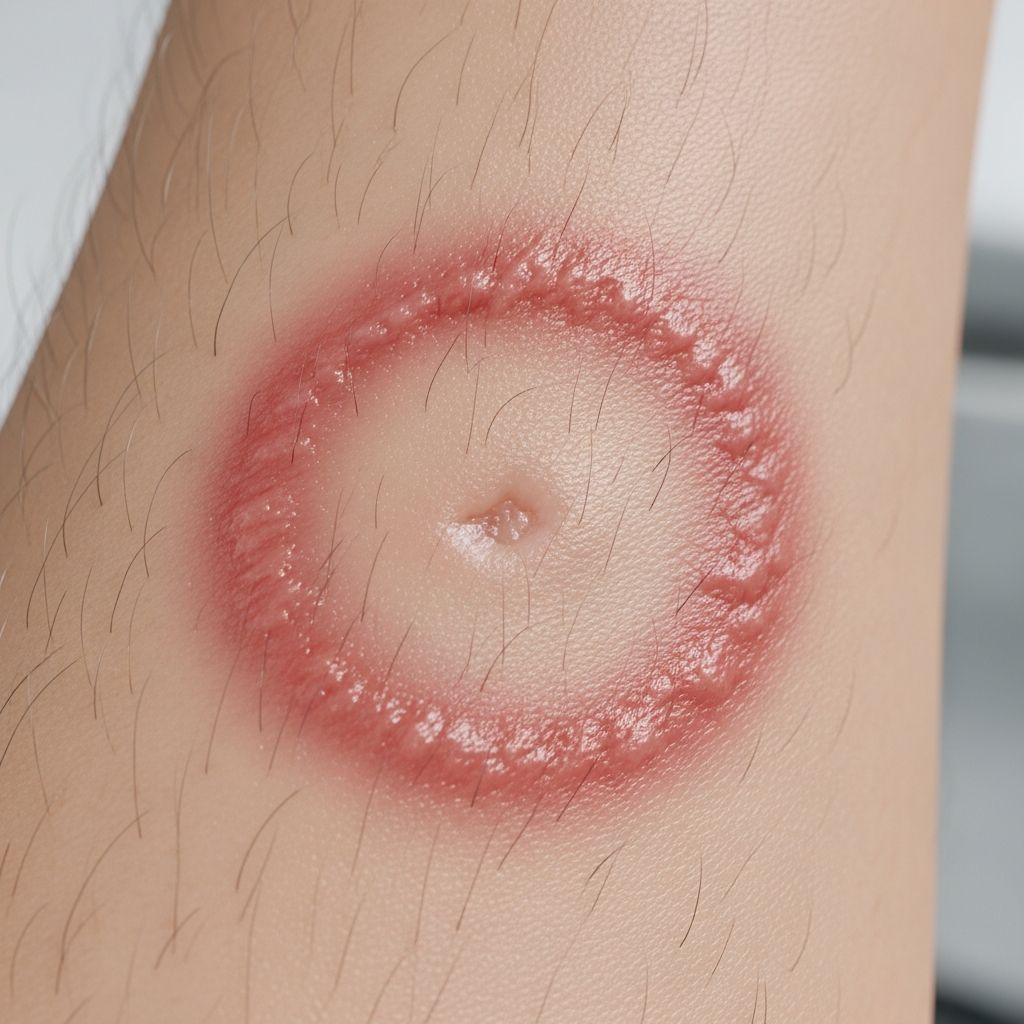
Ringworm, medically known as tinea or dermatophytosis, is a highly contagious fungal infection that affects the skin, hair, and nails, causing distinctive itchy, ring-shaped rashes. Despite its name, it is caused by dermatophyte fungi, not worms, and impacts millions worldwide, accounting for about half of all fungal skin infections globally.
What Is Ringworm?
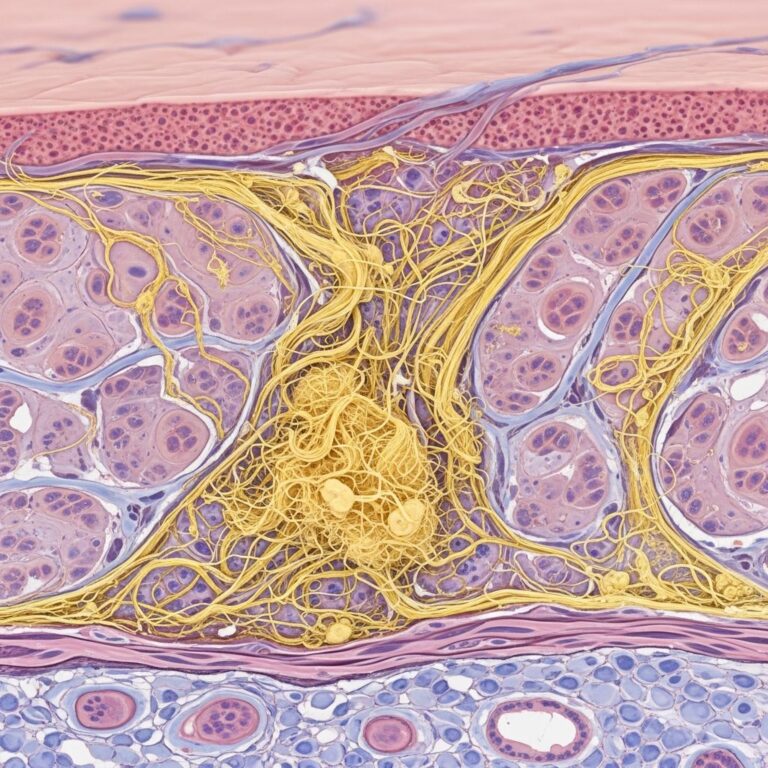
Ringworm is a superficial fungal infection caused by dermatophytes—mold-like fungi that feed on keratin in the skin, hair, and nails. These fungi thrive in warm, moist environments and are responsible for roughly 650 million cases annually, with scalp infections affecting over 25% of children under 10 in some regions. The infection is not serious but can be uncomfortable, spread easily, and lead to complications like secondary bacterial infections if untreated.
Common species include Trichophyton, Microsporum, and Epidermophyton, which can infect humans, animals, and soil. Emerging strains like T. indotineae and TMVII are causing severe, drug-resistant cases, particularly in South Asia and Europe.
Symptoms of Ringworm
Symptoms appear 4-14 days after exposure and vary by infection site. The hallmark is a red, itchy, scaly ring with clearer skin in the center, often expanding outward. On darker skin, rings may appear brown, gray, or purplish.
- Itchiness: Often intense, especially at night.
- Ring-shaped rash: Raised, scaly borders with central clearing.
- Other signs: Blisters, pustules, hair loss, or overlapping rings.
Symptoms by Body Area
| Type | Location | Symptoms |
|---|---|---|
| Tinea capitis | Scalp | Itching, redness, scaly patches, hair loss in circular areas, swollen lymph nodes. |
| Tinea corporis | Body (trunk, arms, legs) | Ring-shaped rash, itchy, scaly, expanding rings. |
| Tinea cruris | Groin (jock itch) | Red, itchy rash in folds, burning sensation. |
| Tinea pedis | Feet (athlete’s foot) | Itchy, cracked skin between toes, scaling. |
| Tinea unguium | Nails | Thick, discolored, brittle nails; pain in severe cases. |
| Tinea barbae | Beard area | Red, itchy patches with pus-filled bumps. |
In severe cases, especially with resistant strains like T. indotineae, infections cover large body areas, cause inflammation, blisters, or boils.
Causes and Transmission
Ringworm spreads via direct or indirect contact. Dermatophytes live on skin surfaces and spores can persist in environments.
- Person-to-person: Skin contact, especially in crowded settings.
- Animal-to-person: Pets like cats, dogs; common in children.
- Object-to-person (fomites): Towels, clothing, combs, gym mats.
- Soil-to-person: Rare, from prolonged contact with infected soil.
- Sexual transmission: Emerging with TMVII strain in genitals/buttocks.
Risk Factors
- Warm, humid climates.
- Sweating, tight clothing, poor hygiene.
- Close contact sports (wrestling).
- Weakened immunity, diabetes, or age (children, elderly).
- Recent travel to endemic areas like South Asia.
Diagnosis
Diagnosis starts with visual exam of the characteristic rash. For confirmation:
- Wood’s lamp: Glows under UV light for some fungi.
- KOH prep: Skin scrapings examined under microscope for fungal elements.
- Culture or biopsy: For resistant or atypical cases.
Related Stories



Healthcare providers should suspect resistant strains in widespread, persistent infections.
Treatment
Treatment depends on severity and location. Most respond to antifungals within 2-4 weeks.
Topical Antifungals (Mild Cases)
- Clotrimazole, terbinafine, miconazole creams (apply 1-2x daily for 2-4 weeks).
- Effective for body, groin, feet; continue 1 week post-clearing.
Oral Antifungals (Severe/Scalp/Nails)
- Terbinafine, griseofulvin, fluconazole (1-3 months).
- Necessary for tinea capitis, unguium, or resistant strains.
For drug-resistant cases like T. indotineae, longer courses or combination therapy may be needed; consult specialists. Keep area clean, dry; avoid sharing items.
Prevention
Prevent spread with hygiene and awareness:
- Hygiene: Shower daily, dry thoroughly, especially folds.
- Avoid sharing: Towels, razors, clothing, sports gear.
- Pet care: Check animals for bald patches; treat promptly.
- Environment: Disinfect surfaces; wear flip-flops in public showers.
- Clothing: Loose, breathable fabrics; change socks daily.
In outbreaks, screen children/schools; treat asymptomatics if exposed.
Complications
Untreated ringworm can lead to:
- Secondary infections: Bacterial (cellulitis, impetigo), painful.
- Kerions: Pus-filled swellings on scalp.
- Nail damage: Permanent deformity.
- Chronic spread: Especially in immunocompromised.
When to See a Doctor
- Rash spreads, worsens, or doesn’t improve in 2 weeks.
- Involves scalp, nails, or face.
- Fever, pus, swelling (infection sign).
- Suspected resistance (travel history).
Frequently Asked Questions (FAQs)
Q: Is ringworm contagious?
A: Yes, highly contagious via direct contact, fomites, animals, or soil until treated.
Q: How long is ringworm contagious?
A: Until 24-48 hours after starting topical treatment; longer for oral.
Q: Can ringworm go away on its own?
A: Sometimes in healthy individuals, but treatment speeds recovery and prevents spread.
Q: What kills ringworm spores?
A: Antifungals; wash items in hot water, dry on high heat, or discard.
Q: Is there a ringworm vaccine?
A: No human vaccine; available for pets in some regions.
Emerging Concerns: Drug-Resistant Ringworm
Over the past decade, severe, resistant strains like T. indotineae (widespread in South Asia, spreading globally) and TMVII (sexually transmitted in Europe) challenge standard treatments. These cause extensive rashes, genital lesions, and require prolonged therapy. Providers should note travel/sexual history.
References
- Ringworm (tinea) — World Health Organization. 2024-04-25. https://www.who.int/news-room/fact-sheets/detail/ringworm-(tinea)
- Ringworm (body) – Symptoms & causes — Mayo Clinic. 2023-11-14. https://www.mayoclinic.org/diseases-conditions/ringworm-body/symptoms-causes/syc-20353780
- Ringworm: Causes, Symptoms, Treatment and More — Healthline. 2024-06-12. https://www.healthline.com/health/ringworm
- Ringworm (Tinea Corporis): What It Looks Like, Causes & Treatment — Cleveland Clinic. 2023-09-28. https://my.clevelandclinic.org/health/diseases/4560-ringworm
- Information for Healthcare Providers: Emerging Ringworm — Centers for Disease Control and Prevention. 2024-08-15. https://www.cdc.gov/ringworm/hcp/clinician-brief-resistant-infections/index.html
Similar Articles








Read full bio of medha deb