Should You Rinse Canned Beans? Reduce Sodium Up To 41%
Discover why rinsing canned beans reduces sodium by up to 41% while preserving nutrition for heart-healthy meals.
Canned beans are a convenient, nutrient-packed staple, but high sodium levels often raise concerns.
Rinsing them under cool water can reduce sodium by up to 41%
, making them a smarter choice for heart health and low-sodium diets without sacrificing convenience or nutrition.Beans provide fiber, protein, antioxidants, and essential minerals. Health authorities like the American Heart Association recommend legumes for their role in reducing chronic disease risk. Yet, the packing liquid in cans absorbs sodium added during processing. Simple draining and rinsing removes much of this excess, as confirmed by peer-reviewed studies.
Why Are Canned Beans High in Sodium?
Sodium is added to canned beans primarily for flavor enhancement and texture preservation during heat processing, not for safety. A typical half-cup serving of un-rinsed canned beans contains 300-500 mg of sodium, about 20% of the daily recommended limit of 2,300 mg per Dietary Guidelines for Americans.
Processing involves blanching beans in saltwater, which infuses the liquid. Brands vary: some offer no-salt-added options, but standard varieties pack 400+ mg per serving. Without rinsing, this contributes to hidden sodium intake, linked to hypertension and cardiovascular issues per CDC data.
- Sodium sources: Processing brine for taste and firmness.
- Daily impact: Multiple servings can exceed half your sodium allowance.
- Alternatives: Low-sodium or dry beans exist, but rinsing standard cans is easiest.
How Much Sodium Does Rinsing Remove?
Scientific studies quantify rinsing’s effectiveness precisely. Draining alone cuts sodium by 36% on average, while draining and rinsing achieves 41% reduction across bean varieties.
A Bush’s Beans-sponsored study tested five types—kidney, pinto, black, garbanzo, great northern—across brands. From a mean 503 mg per half-cup serving, draining reduced it to 321 mg (36%), and rinsing to 298 mg (41%). Results were consistent (p<0.05), with kidney beans showing highest reductions.
| Bean Variety | Unrinsed (mg Na/½ cup) | Drained (% Reduction) | Drained & Rinsed (% Reduction) |
|---|---|---|---|
| Kidney | 523 | 38% | 43% |
| Pinto | 487 | 37% | 42% |
| Black | 498 | 35% | 40% |
| Garbanzo | 512 | 39% | 44% |
| Great Northern | 489 | 33% | 38% |
USDA research on vegetables like green beans, corn, and peas echoes this: draining reduces sodium 9-23%, rinsing adds minimal extra loss. For beans specifically, the effect is robust due to brine adhesion.
Does Rinsing Affect Nutrition?
Concerns about nutrient loss are valid but overstated. Rinsing removes some water-soluble vitamins and minerals alongside sodium, yet beans retain core benefits: fiber, protein, iron, folate, and potassium.
- Fiber: Mostly insoluble, stays with solids; 6-8g per serving intact.
- Protein: 7-9g per half-cup, unaffected.
- Lost nutrients: Up to 10-20% B vitamins, minor minerals; negligible vs. overall diet.
NutritionFacts.org notes rinsing halves sodium but discards aquafaba (bean liquid) rich in oligosaccharides and some nutrients. Opt for no-salt-added cans to retain liquid. USDA data shows vitamin C drops 5-28% in rinsed veggies, but beans’ baseline is low; potassium holds steady.
Net gain: Lower sodium improves blood pressure control, outweighing minor losses. A 41% sodium cut aligns with DASH diet goals.
Related Stories



Health Benefits of Canned Beans (Rinsed)
Rinsed canned beans shine for health. They’re as nutritious as home-cooked, per studies, with advantages in convenience and consistency.
- Heart health: Potassium-fiber combo lowers blood pressure; meta-analyses link legumes to 8-10% CVD risk drop.
- Digestive aid: Soluble fiber feeds gut bacteria, reduces constipation.
- Diabetes control: Low glycemic index stabilizes blood sugar.
- Weight management: Satiating, low-calorie (120-150 kcal/serving).
- Antioxidants: Polyphenols combat inflammation.
WHO endorses legumes for non-communicable disease prevention. Canned versions retain 80-90% bioactives post-processing.
How to Rinse Canned Beans Properly
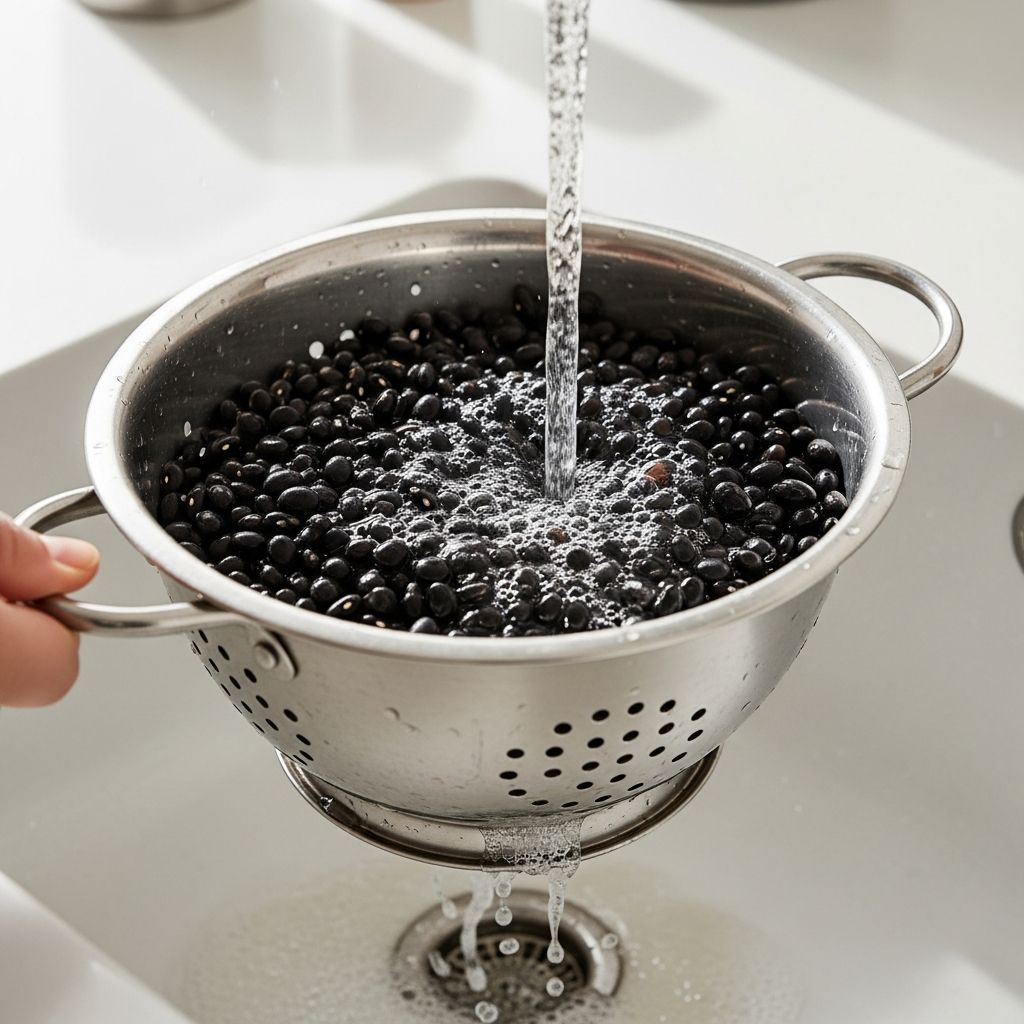
It’s simple: Open can, dump into colander, rinse under cool running water 30-60 seconds until liquid runs clear. Use 2-3 volumes water per bean volume.
- Dump beans into fine-mesh strainer.
- Run cold water over for 30 seconds, gently stirring.
- Shake off excess; pat dry if needed.
- Use immediately or store in airtight container up to 5 days.
Tips: Cool water prevents mushiness; avoid hot water. For recipes, rinse post-drain for max effect.
Best Beans to Buy and Recipes
Choose no-salt-added or low-sodium first; rinse standards otherwise. Top picks: black beans (versatile), chickpeas (salads), kidney (chilis).
Quick Recipes
- Bean Salad: Rinse 2 cans chickpeas, black beans; mix with tomatoes, onion, olive oil, lemon, cumin. Serves 4; 10g protein/serving.
- Three-Bean Chili: Rinse kidney, pinto, black; simmer with tomatoes, garlic, spices 20 mins. Sodium under 200mg/serving.
- Hummus: Blend rinsed chickpeas, tahini, garlic, lemon. Use aquafaba from low-sodium cans as egg replacer.
- Bean Burgers: Mash rinsed black beans with oats, egg, spices; grill. High-fiber patties.
These cut prep time vs. dry beans (8-12 hours soak).
FAQs
Is it necessary to rinse canned beans?
Yes, to cut sodium 36-41%; optional for no-salt-added cans.
Do rinsed beans taste different?
Slightly milder; season to taste—no canned flavor lingers.
Can I reuse bean liquid?
Aquafaba from unsalted cans whips like eggs; discard salty brine.
Are canned beans healthier than dry?
Equally nutritious when rinsed; canned win on convenience.
How long do rinsed beans last?
Refrigerate 4-5 days; freeze 6 months in portions.
Conclusion
Always rinse canned beans—it’s a game-changer for sodium control, preserving their powerhouse status in healthy eating. Incorporate weekly for effortless nutrition wins.
References
- Sodium Reduction in Canned Beans After Draining, Rinsing — R.L. Duyff et al., Bush Beans. 2013. https://www.bushbeans.com/-/media/BushsBeans/FAQ/reduced_sodium_article.pdf
- Effect of draining and rinsing on the sodium and water-soluble content of canned vegetables — USDA ARS. 2005. https://www.ars.usda.gov/ARSUserFiles/80400525/articles/eb11_drainedveg.pdf
- Are Canned Beans as Healthy as Home-Cooked? — NutritionFacts.org. 2016. https://nutritionfacts.org/blog/are-canned-beans-as-healthy-as-home-cooked/
Similar Articles








Read full bio of Sneha Tete