Risks of Cosmetic Eye Color Change Procedures
Discover why iris implants and laser treatments for changing eye color can lead to irreversible vision damage and serious complications.
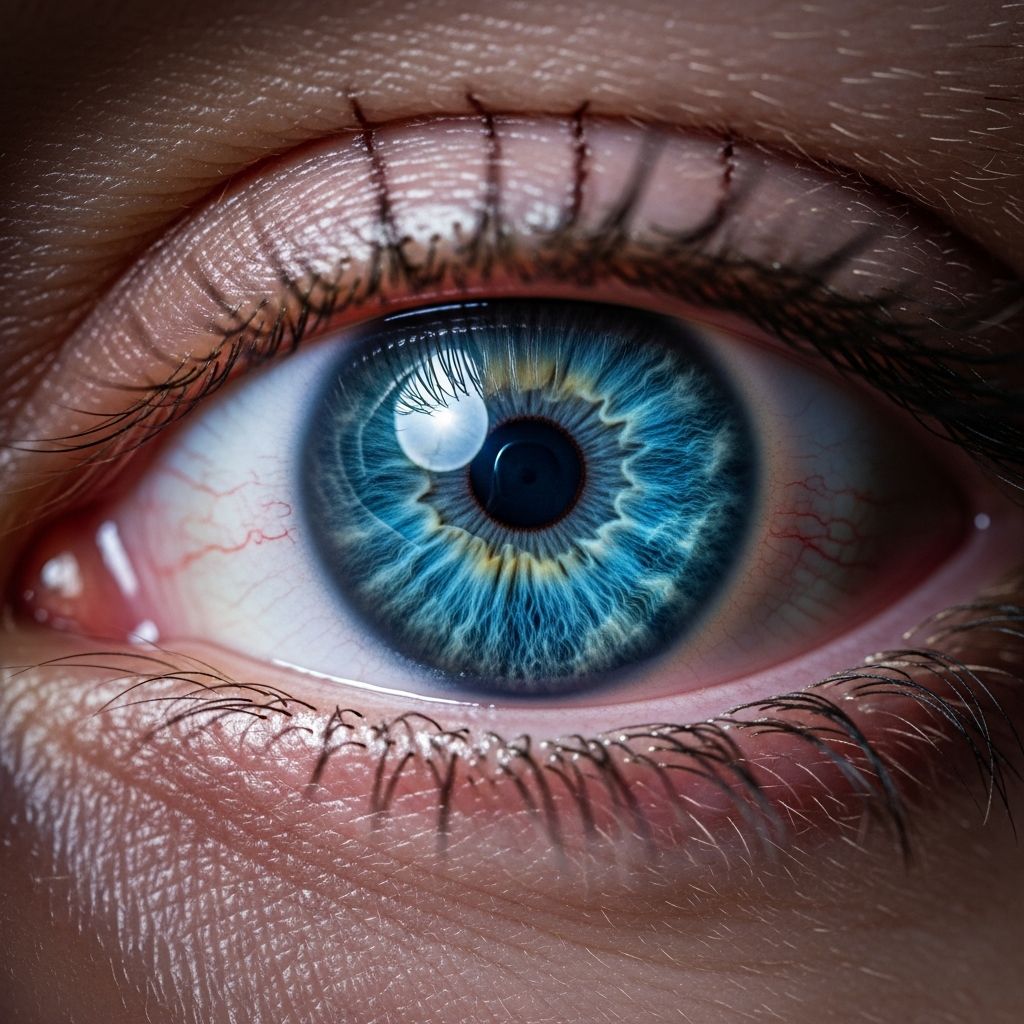
Procedures aimed at altering eye color for aesthetic purposes have surged in popularity, fueled by social media trends. However, medical authorities strongly caution against them due to high risks of permanent damage.
Understanding How Eye Color Change Works
The iris, the colored part of the eye, determines eye hue through melanin levels. Brown eyes contain more melanin, while blue eyes have less. Cosmetic interventions disrupt this natural structure to achieve desired shades.
Two primary methods dominate: surgical iris implants and laser depigmentation. Each targets different eye layers but shares devastating potential side effects.
Surgical Iris Implants: Procedure and Mechanism
In iris implant surgery, a silicone prosthetic iris is inserted via a corneal incision. Folded for entry, it unfolds over the natural iris to mask its color. Originally designed for medical conditions like aniridia—where the iris is absent or malformed—this adaptation for cosmetics ignores safety protocols.
Performed abroad due to U.S. regulatory bans for non-medical use, patients often travel to places like Panama or Tijuana. Local anesthesia numbs the area, but the invasive nature heightens complication odds.
Laser Depigmentation: A Non-Surgical Alternative?
Laser procedures, such as stroma laser treatment, use energy to break down iris melanin, exposing lighter underlying layers. Marketed as minimally invasive, they avoid incisions but still provoke inflammatory responses.
Dyes or pigments may supplement lasers in corneal tattooing, depositing color directly into the eye’s front surface. Fading, uneven application, and toxicity issues plague these techniques.
Common Complications from Iris Implants
Studies reveal alarming rates of adverse events. In one analysis, 9 of 14 patients required implant removal due to severe issues.
- Corneal Damage: Scratches, scarring, or inflammation often necessitate transplants if untreated.
- Glaucoma Risk: Elevated intraocular pressure from implant blockage damages the optic nerve.
- Cataract Formation: Clouding of the lens impairs light passage, blurring vision.
- Blindness or Vision Reduction: Direct injury or secondary effects can cause partial or total sight loss.
- Inflammation and Pain: Uveitis or iritis leads to tearing, sensitivity, and chronic discomfort.
- Light Sensitivity (Photophobia): Overwhelming glare hinders daily function.
Removal surgeries compound trauma, as seen in videos demonstrating delicate extraction to salvage natural tissue.
Laser Procedure Pitfalls
Laser methods trigger pigment release, potentially clogging eye drainage and spiking pressure— a glaucoma precursor.
- Corneal cloudiness, warpage, or leakage.
- Dye reactions causing uveitis or vascular ingrowth.
- Infections leading to scarring.
- Uneven or fading color results.
Long-term effects may emerge years later, evading initial detection.
Regulatory Status and Medical Consensus
The FDA approves iris implants solely for reconstructive needs, not cosmetics. No clinical trials validate aesthetic safety.
Ophthalmology bodies like the American Academy of Ophthalmology (AAO) deem risks unjustifiable for vanity. Medical patients tolerate implants better, as benefits eclipse harms.
| Procedure | FDA Approval | Primary Risks | Complication Rate Insight |
|---|---|---|---|
| Iris Implants | Medical only | Blindness, glaucoma, cataracts | 64% needed removal in study |
| Laser Depigmentation | None for cosmetics | Glaucoma, inflammation, infection | Pigment clogging common |
| Corneal Tattooing | Not approved | Dye leakage, fading, sensitivity | High variability |
Related Stories



Real Patient Experiences
Personal accounts underscore perils. Shenise Farrell, seeking light brown eyes, endured blurry vision post-Panama surgery, requiring implant excision to preserve sight.
Another U.S. woman returned from Latin America with malformed pupils and tissue damage. Even celebrity Tiny Harris noted deteriorating outcomes over time.
These stories highlight regret, financial burden, and lifelong management of sequelae.
Why Complications Arise: Anatomical Factors
The eye’s delicate equilibrium—balancing pressure, fluid, and light—falters under foreign interference. Implants obstruct aqueous humor flow, lasers inflame sensitive stroma, and dyes provoke immune assaults.
Pre-existing healthy eyes fare worse than defective ones, as interventions superimpose risks on functional anatomy.
Safer Paths to Eye Enhancement
Opt for non-invasive options:
- Colored contact lenses: FDA-regulated, reversible, with proper fitting to avoid infections.
- Makeup techniques: Enhance appearance without risk.
- Accept natural traits: Embrace genetic diversity.
Consult board-certified ophthalmologists for personalized advice. Routine exams detect issues early.
FAQs on Eye Color Change Risks
Are iris implants safe for cosmetics?
No. Even silicone versions risk blindness and glaucoma; not FDA-approved for aesthetics.
Can laser eye color change cause permanent damage?
Yes, via pigment-induced pressure rises leading to glaucoma or vision loss.
Why travel abroad for these procedures?
U.S. bans cosmetic use; overseas clinics exploit demand despite inferior standards.
How common are complications?
Studies show over 60% require intervention; all patients face elevated risks.
What should I do if I’ve had this surgery?
Seek immediate ophthalmology evaluation for monitoring or removal.
Preventive Advice from Experts
Prioritize vision preservation. Social media glamour obscures harsh realities. Weigh fleeting aesthetics against irreplaceable sight.
Education empowers informed choices. Share warnings to protect others.
References
- American Academy of Ophthalmology Issues Warning on the Dangers of Eye Color-Changing Procedures — Modern Optometry. 2024. https://modernod.com/news/american-academy-of-ophthalmology-issues-warning-on-the-dangers-of-eye-color-changing-procedures/2482088/
- Cosmetic Iris Implants Carry Risk of Permanent Eye Damage, Vision Loss — California Eye Center. 2023. https://caleyecenter.com/uncategorized/cosmetic-iris-implants-carry-risk-of-permanent-eye-damage-vision-loss/
- The Dangers of Permanent Eye Color Change Surgeries — IQLaser Vision. 2023. https://www.iqlaservision.com/blog/dont-mess-with-your-eye-color-the-dangers-of-permanent-eye-color-change/
- Cosmetic Iris Implants can cause severe ocular damage — Retina Center Tijuana (YouTube). 2023-07-17. https://www.youtube.com/watch?v=8AEVzEUk8ZE
- The Dangers of Eye Color Change Surgery — Cleveland Clinic. 2023. https://health.clevelandclinic.org/dangers-of-eye-color-change-surgery
Similar Articles








Read full bio of medha deb