Risks Of Eye Color Change Procedures: 4 Methods To Avoid
Discover why cosmetic surgeries and drops to alter eye color pose serious vision threats and what safer options exist.
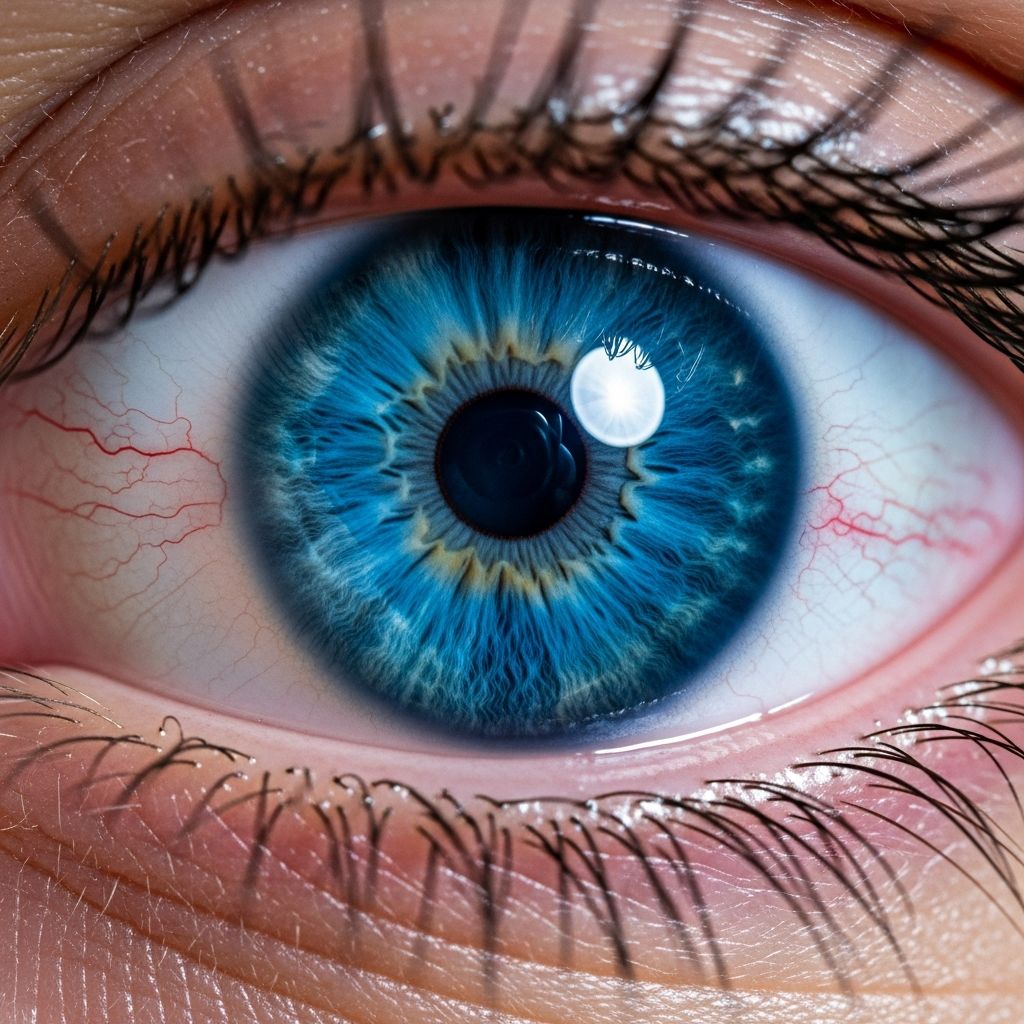
Procedures aimed at permanently altering eye color for cosmetic reasons have gained attention through social media, but they come with substantial health dangers that can lead to permanent vision loss. Major ophthalmology organizations, including the American Academy of Ophthalmology, strongly advise against these methods due to risks like glaucoma, cataracts, and corneal damage.
Understanding the Desire for Eye Color Modification
Human eye color results from melanin distribution in the iris, with brown eyes having higher concentrations and blue or green eyes lower. Many seek changes for aesthetic appeal, influenced by trends on platforms like Instagram. However, the eye’s delicate anatomy makes non-medical alterations hazardous, as interventions can disrupt light regulation, fluid dynamics, and tissue integrity.
Primary Techniques and Their Mechanisms
Several approaches exist to modify iris appearance, each targeting different eye structures. These include implant insertion, laser-based pigment removal, corneal pigmentation, and unproven eyedrops. None are FDA-approved for cosmetic use in the U.S., and they are often performed abroad where regulations may be lax.
Iris Implants: A Highly Invasive Option
Cosmetic iris implants involve surgically placing a silicone disc over the natural iris in the anterior chamber. This provides an immediate, dramatic color shift but triggers severe complications due to foreign body reaction. Mechanical irritation from the implant’s edges causes ongoing trauma to the corneal endothelium, leading to cell loss and edema.
Reported issues include chronic inflammation (uveitis), elevated intraocular pressure causing glaucoma, cataract formation, and corneal decompensation necessitating transplants. A study of 65 eyes found 92% developed complications, with 81% requiring removal within two years. Patients like an Instagram model suffered partial blindness from pressure buildup and inflammation after silicone plate insertion.
Laser Iris Depigmentation: Targeting Melanin
This minimally invasive method uses low-energy lasers to break down brown melanin in the iris stroma, allowing lighter natural colors to emerge over sessions. It works only for darkening-to-lightening changes, with no color selection control.
While less destructive than implants, risks persist: iris inflammation (iritis), pigment dispersion into eye fluids raising glaucoma risk, photophobia, and reduced visual fields. Long-term data is scarce, and future eye exams or surgeries like cataracts become complicated by pigment alterations.
Keratopigmentation: Tattooing the Cornea
Keratopigmentation (KTP) injects biocompatible dyes into the corneal stroma for a color overlay effect. Used medically for iris defects, its cosmetic application remains experimental. It offers customizable shades and stability but demands precise femtosecond laser channels to avoid irregularities.
Complications encompass corneal haze, dye migration causing uveitis or infections, light sensitivity, and endothelial damage. Patients with prior LASIK face heightened risks due to thinned corneas. Though deemed relatively safer in some reviews, robust long-term studies are absent.
Comprehensive Risks Across All Methods
All techniques share potential for vision impairment. Here’s a breakdown:
| Procedure | Common Complications | Severity |
|---|---|---|
| Iris Implants | Glaucoma, cataracts, corneal transplant need, blindness | High (92% complication rate) |
| Laser Depigmentation | Iris inflammation, pigment glaucoma, photophobia | Moderate (lacks long-term data) |
| Keratopigmentation | Corneal opacity, uveitis, dye reactions | Moderate-High |
Related Stories



Additional threats include infections, hemorrhages, and psychological distress from unnatural results or revisions. Procedures abroad amplify dangers due to variable sterility and expertise.
Dangerous Eyedrops: A Non-Surgical Myth
Proponents promote prostaglandin analog drops (e.g., off-label latanoprost) to lighten eyes by stimulating melanin loss. Originally for glaucoma, misuse causes uneven darkening or lightening, periorbital hyperpigmentation, and severe iris inflammation. No evidence supports safe cosmetic use, and effects are unpredictable with risks of permanent damage.
Why These Procedures Are Not FDA-Approved
The FDA has not cleared any for cosmetic eye color change, citing insufficient safety profiles. Implants were abandoned after metallic versions caused rampant issues; silicone variants fare marginally better but still provoke consensus rejection as malpractice. Laser and tattoo methods await rigorous trials, with experts like Duke’s Melissa Daluvoy highlighting inevitable vision threats.
Safer, Reversible Alternatives
- Prescription Colored Contacts: FDA-approved, custom-fitted by optometrists. They mimic any color without structural risks if cleaned properly.
- Digital Enhancements: Photo editing apps or filters for images/videos provide risk-free changes.
- Embrace Natural Traits: Counseling on self-acceptance counters social pressures.
Ophthalmologists unanimously endorse contacts over surgery, noting reversibility and professional oversight prevent infections or hypoxia.
Real-World Consequences and Patient Stories
Numerous cases underscore perils. A model underwent implants abroad, enduring years of pain before corneal transplant and partial sight loss from clogged drainage and inflammation. Other reports detail blindness from infections or glaucoma post-implant. A multicenter review confirmed near-universal complications, urging avoidance. Social media amplifies misinformation, luring seekers despite warnings.
Expert Consensus and Regulatory Warnings
The AAO’s 2024 alert emphasized vision loss potential. Cleveland Clinic’s Nicole Bajic, MD, and Northwell’s Allison Coombs affirm risks eclipse benefits. International bodies echo: Clinic Barcelona notes all methods’ side effects. Patients must prioritize board-certified consultations.
Frequently Asked Questions (FAQs)
Is eye color change surgery safe?
No procedure is safe for cosmetics; all carry vision loss risks.
Can laser depigmentation guarantee my desired color?
No, it only lightens to natural undertones without customization.
Are colored contacts a viable substitute?
Yes, when prescribed and maintained correctly, they pose minimal risks.
What if I get surgery abroad?
Risks heighten from unregulated practices, complicating U.S. follow-up care.
Do eyedrops really change eye color permanently?
No, they cause unpredictable, risky changes unfit for cosmetics.
Opt for evidence-based eye care. Consult ophthalmologists before cosmetic pursuits to safeguard lifelong vision.
References
- Changing eye colour: a trend that can pose serious risks to visual health — Clinic Barcelona. 2023. https://www.clinicbarcelona.org/en/news/changing-eye-colour-a-trend-that-can-pose-serious-risks-to-visual-health
- The Dangerous Trend of Eye Color-Changing Procedures — Delray Eye Care. 2024. https://delrayeyecare.com/uncategorized/the-dangerous-trend-of-eye-color-changing-procedures-what-you-need-to-know/
- The Dangers of Permanent Eye Color Change Surgeries — IQLaser Vision. 2023. https://www.iqlaservision.com/blog/dont-mess-with-your-eye-color-the-dangers-of-permanent-eye-color-change/
- Corneal Specialist Shares Dangers of Eye Color Change Procedures — Duke Eye Center. 2024. https://dukeeyecenter.duke.edu/news/corneal-specialist-shares-dangers-eye-color-change-procedures
- Eye Color Change Surgery: Why It’s So Risky — All About Vision. 2024. https://www.allaboutvision.com/treatments-and-surgery/vision-surgery/cosmetic/eye-color-change-surgery/
- Cosmetic Eye Color Surgery Leaves Instagram Model Partially Blind — Healthline. 2019-05-28. https://www.healthline.com/health-news/cosmetic-eye-color-surgery-leaves-instagram-model-partially-blind
- Surgical Techniques for Cosmetic Eye Color Change — PMC – NIH. 2024. https://pmc.ncbi.nlm.nih.gov/articles/PMC12271006/
- The Dangers of Eye Color Change Surgery — Cleveland Clinic. 2024. https://health.clevelandclinic.org/dangers-of-eye-color-change-surgery
Similar Articles








Read full bio of Sneha Tete