Ruptured Ovarian Cyst: Symptoms, Risks & Treatment Guide
Understanding the dangers and complications of a ruptured ovarian cyst.
What Is a Ruptured Ovarian Cyst?
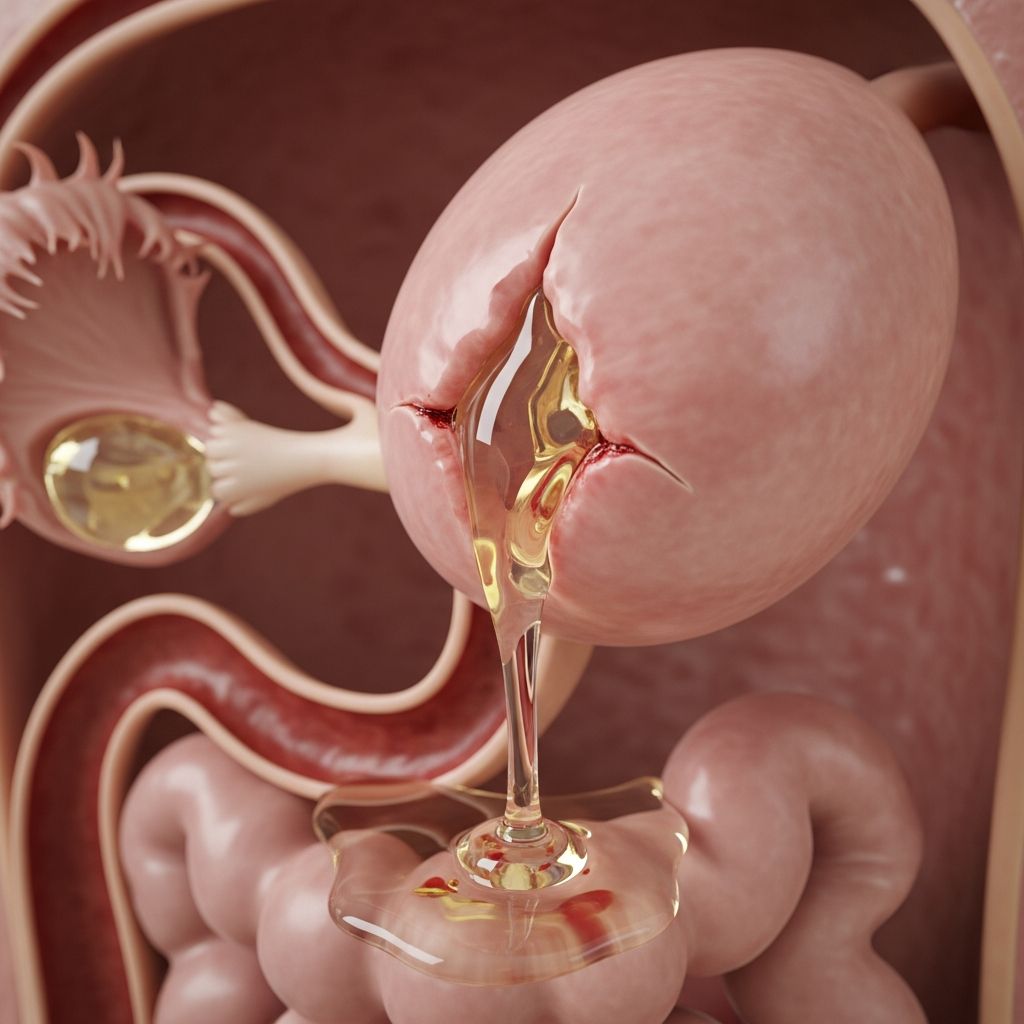
An ovarian cyst is a fluid-filled sac that forms on or inside an ovary. Most ovarian cysts are harmless and resolve on their own without causing symptoms. However, sometimes these cysts can rupture, or burst open, leading to a range of symptoms and potential complications. While many ruptured ovarian cysts are not dangerous, some can cause severe pain, internal bleeding, or other serious health issues.
Common Symptoms of a Ruptured Ovarian Cyst
When an ovarian cyst ruptures, symptoms can vary widely from person to person. Some women may experience no symptoms at all, while others may have sudden and severe pain. Common symptoms include:
- Sudden, sharp pain in the lower abdomen or pelvis
- Nausea and vomiting
- Vaginal bleeding or spotting
- Pressure or a heavy feeling in the pelvis
- Pain during sexual intercourse
- Dizziness or lightheadedness
- Weakness or fainting
- Fluid buildup in the abdomen (ascites)
When to Seek Emergency Medical Attention
While most ruptured ovarian cysts are not emergencies, certain symptoms indicate the need for immediate medical care. Seek emergency help if you experience:
- Severe abdominal or pelvic pain
- Heavy vaginal bleeding
- Fever
- Shortness of breath
- Rapid heart rate
- Lightheadedness or fainting
- Signs of shock (pale skin, cold sweats, confusion)
These symptoms may indicate complications such as significant internal bleeding, infection, or ovarian torsion, all of which require prompt medical intervention.
Complications Associated with a Ruptured Ovarian Cyst
Although most ruptured ovarian cysts are benign, some can lead to serious complications. These include:
Internal Bleeding (Hemoperitoneum)
A ruptured cyst can cause bleeding into the abdominal cavity, a condition known as hemoperitoneum. This can lead to low blood pressure, rapid heart rate, and, in severe cases, shock. Hemoperitoneum is a medical emergency and may require hospitalization, blood transfusion, or surgery.
Ovarian Torsion
Ovarian torsion occurs when a cyst causes the ovary to twist, cutting off its blood supply. This is a gynecological emergency that can result in tissue death and may require surgical removal of the affected ovary. Symptoms of ovarian torsion include severe pelvic pain, nausea, vomiting, and sometimes fever.
Infection
If a ruptured cyst becomes infected, it can lead to pelvic inflammatory disease or abscess formation. Symptoms may include fever, chills, and worsening pelvic pain. Antibiotics and sometimes surgery are needed to treat infection.
Persistent Pain
Some women experience ongoing pain after a cyst ruptures, which may require further evaluation and treatment. Persistent pain could indicate complications such as adhesions, scar tissue, or the presence of another cyst.
Diagnosis of a Ruptured Ovarian Cyst
Diagnosing a ruptured ovarian cyst typically involves a combination of medical history, physical examination, and imaging tests. Common diagnostic methods include:
- Pelvic exam
- Ultrasound (transvaginal or abdominal)
- Blood tests (to check for signs of infection or anemia)
- Pregnancy test (to rule out ectopic pregnancy)
Related Stories



In some cases, a CT scan or MRI may be used to get a more detailed view of the pelvic organs.
Treatment Options for a Ruptured Ovarian Cyst
Treatment depends on the severity of symptoms and the presence of complications. Options include:
Observation and Pain Management
For mild cases with no complications, doctors may recommend:
- Over-the-counter pain relievers (such as ibuprofen or acetaminophen)
- Rest and hydration
- Monitoring symptoms at home
- Follow-up ultrasounds to ensure the cyst resolves
Hospitalization
Severe symptoms or complications may require hospitalization. In the hospital, treatment may include:
- Intravenous (IV) fluids
- Pain medications
- Blood transfusion (if there is significant blood loss)
- Monitoring of vital signs
- Repeated imaging tests
Surgery
Surgery may be necessary in cases of severe bleeding, infection, ovarian torsion, or suspicion of cancer. Surgical options include:
- Laparoscopy (minimally invasive surgery with small incisions)
- Laparotomy (open surgery with a larger incision)
Surgery carries its own risks, including bleeding, infection, blood clots, and damage to surrounding organs.
Risks and Complications of Surgery
While surgery can be life-saving in severe cases, it also comes with potential risks and complications:
- Bleeding
- Infection
- Blood clots
- Scar tissue formation
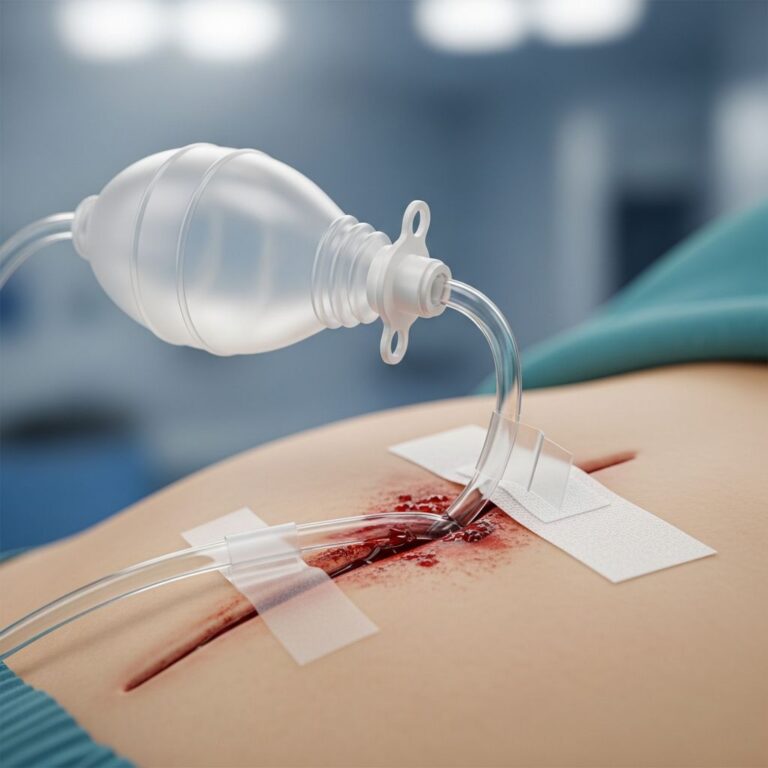
- Poorly healing incisions
- Damage to blood vessels, nerves, or organs
- Complications related to anesthesia
Prevention and Management
While it is not always possible to prevent ovarian cysts, certain measures may help reduce the risk of complications:
- Regular pelvic exams
- Monitoring for symptoms of cysts
- Using hormonal birth control (which can reduce the formation of new cysts)
- Seeking prompt medical attention for severe or persistent symptoms
FAQs About Ruptured Ovarian Cysts
Can a ruptured ovarian cyst be life-threatening?
Most ruptured ovarian cysts are not life-threatening, but severe internal bleeding or infection can be dangerous and require emergency treatment.
How long does pain from a ruptured ovarian cyst last?
Pain usually lasts a few hours to a few days. Persistent or worsening pain should be evaluated by a healthcare provider.
Can a ruptured ovarian cyst cause infertility?
Most ruptured cysts do not affect fertility. However, complications such as infection or ovarian torsion may impact fertility in rare cases.
What color is the discharge from a ruptured ovarian cyst?
Vaginal bleeding from a ruptured cyst may appear as pink or brown discharge.
Should I go to the ER for a ruptured ovarian cyst?
If you have severe pain, heavy bleeding, fever, or signs of shock, seek emergency care immediately.
When Might an Ovarian Cyst Need Medical Attention?
Medical attention is needed if you experience:
- Severe or worsening abdominal or pelvic pain
- Heavy vaginal bleeding
- Fever or chills
- Dizziness or fainting
- Rapid heart rate
- Shortness of breath
Summary Table: Ruptured Ovarian Cyst Overview
| Symptom | Severity | Action Needed |
|---|---|---|
| Mild pain, no bleeding | Low | Home care, pain relief |
| Severe pain, heavy bleeding | High | Emergency care |
| Fever, chills | High | Medical evaluation |
| Dizziness, fainting | High | Emergency care |
References
- Ruptured Ovarian Cyst: Symptoms, Causes, and Treatment — Medical News Today. 2023-08-15. https://www.medicalnewstoday.com/articles/ruptured-ovarian-cyst
- Management of Ruptured Ovarian Cyst — University of Rochester Medical Center. 2023-01-01. https://www.urmc.rochester.edu/encyclopedia/content?contenttypeid=135&contentid=346
- What to Expect After an Ovarian Cyst Ruptures — Healthline. 2023-09-12. https://www.healthline.com/health/what-to-expect-after-an-ovarian-cyst-ruptures
Similar Articles








Read full bio of medha deb