Rivaroxaban Tablets: 6 Dosage Regimens For Clot Prevention
Comprehensive guide to Rivaroxaban (Xarelto): uses, dosage, side effects, and essential patient information for safe anticoagulant therapy.
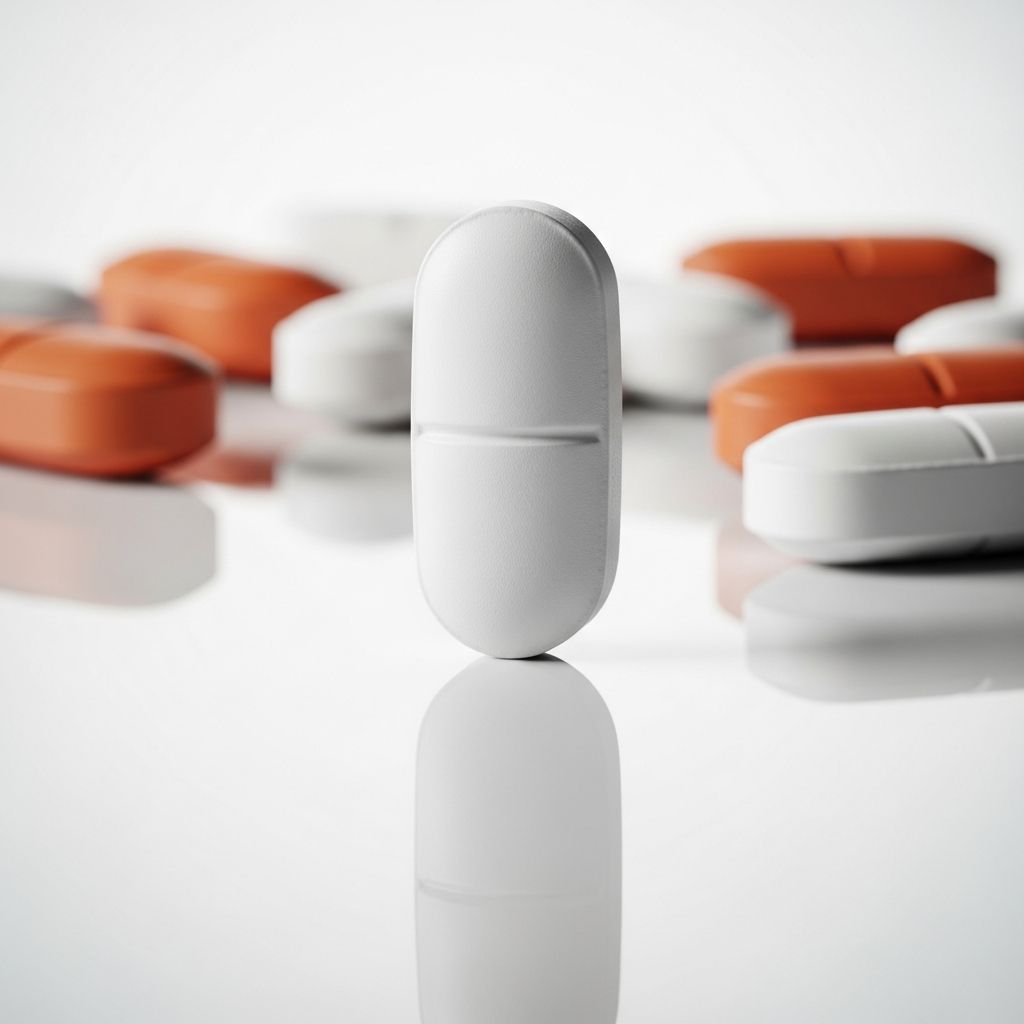
Rivaroxaban, sold under the brand name Xarelto, is an oral anticoagulant medication known as a blood thinner. It works by inhibiting factor Xa, a key protein in the blood clotting process, to prevent harmful blood clots from forming or worsening.
About rivaroxaban tablets
Rivaroxaban tablets are designed to treat and prevent conditions related to blood clots. Unlike traditional anticoagulants like warfarin, rivaroxaban does not require routine blood monitoring and has a more predictable effect, making it convenient for many patients. It is available in various strengths, typically 10 mg, 15 mg, and 20 mg tablets, tailored to specific indications.
The medication is particularly valuable for patients at risk of thromboembolic events, such as those with atrial fibrillation, recent surgery, or existing clots. By blocking factor Xa, rivaroxaban interrupts the coagulation cascade, reducing the production of thrombin and fibrin clot formation without directly affecting platelets.
Before taking rivaroxaban tablets
Before starting rivaroxaban, consult your healthcare provider to ensure it is suitable for your condition. Certain medical histories and concurrent medications can increase bleeding risks or alter the drug’s effectiveness.
Allergies
Inform your doctor if you have any allergies to rivaroxaban or its ingredients. Rare allergic reactions may include rash, itching, swelling, severe dizziness, or trouble breathing—seek immediate medical help if these occur.
Pregnancy and breastfeeding
Rivaroxaban is not recommended during pregnancy due to potential harm to the fetus, as it may increase bleeding risks for both mother and baby. Effective contraception is advised for women of childbearing potential. It is unknown if rivaroxaban passes into breast milk, so breastfeeding mothers should discuss alternatives with their doctor.
Other medical conditions
- Kidney or liver disease: Use with caution, as impaired function can lead to drug accumulation and heightened bleeding risk.
- Recent surgery or injury: Especially spinal, eye, brain, or major bleeding events—risk of complications is elevated.
- Bleeding disorders: History of ulcers, strokes, or gastrointestinal bleeding requires careful evaluation.
- Atrial fibrillation with valve issues: Not indicated for patients with mechanical heart valves.
Other medicines
Rivaroxaban interacts with drugs that affect bleeding or CYP3A4/P-gp pathways. Always disclose all medications, including over-the-counter and herbals.
| Drug Category | Interaction Risk | Advice |
|---|---|---|
| NSAIDs (e.g., ibuprofen), aspirin | Increased bleeding | Monitor closely; use lowest effective dose |
| Other anticoagulants (e.g., warfarin) | High bleeding risk | Avoid concurrent use |
| Strong CYP3A4 inhibitors (e.g., ketoconazole) | Drug levels increase | Avoid or adjust dose |
| Rifampin (inducer) | Reduced efficacy | May require alternative |
| Herbals (e.g., St. John’s wort) | Decreased effect | Avoid |
How and when to take rivaroxaban tablets
Follow your prescription precisely. Dosing varies by indication, and consistency is crucial to maintain therapeutic levels and minimize clot or bleeding risks.
Dosage
Common regimens include:
- Nonvalvular atrial fibrillation (stroke prevention): 20 mg once daily with evening meal (15 mg if CrCl 15-50 mL/min).
- DVT/PE treatment: 15 mg twice daily for 21 days, then 20 mg once daily with food.
- DVT/PE prevention post-treatment: 10 mg once daily.
- Post-hip/knee replacement: 10 mg once daily for 12-35 days.
- CAD/PAD (with aspirin): 2.5 mg twice daily.
- Hospitalized for acute illness: 10 mg once daily for 31-39 days.
Children: Dosing is weight-based and determined by a doctor.
Administration
- Swallow tablets whole; do not crush, break, or chew (except 2.5/10 mg starter pack for suspension if directed).
- Take with food for doses ≥15 mg to enhance absorption; lower doses with or without food.
- Missed dose: Take immediately if within 6 hours; otherwise, skip and resume next dose. Do not double.
- Store at room temperature, away from moisture.
Related Stories



Side effects of rivaroxaban tablets
The primary concern is bleeding, ranging from minor to life-threatening. No routine blood tests are needed, but report unusual symptoms promptly.
Common side effects
- Skin rash
- Bleeding from cuts (longer than usual)
- Heavy menstrual bleeding
- Dizziness or fainting
- Stomach upset or pain
Serious side effects
Seek emergency care for:
- Bleeding signs: Black/tarry stools, blood in urine/stool, severe headache, coughing/vomiting blood, frequent nosebleeds, gum bleeding, weakness.
- Spinal/epidural hematoma: Back pain, numbness/tingling in legs, weakness (especially post-procedure).
- Clot signs: Chest pain, shortness of breath, leg swelling/redness.
- Allergic reaction: Swelling, hives, difficulty breathing.
Risk factors for major bleeding include age >75, low body weight, kidney impairment, and drug interactions.
How to cope with side effects of rivaroxaban tablets
- Bleeding: Use soft toothbrush, electric razor; avoid contact sports. Apply pressure to cuts.
- Rash: Keep skin clean; avoid irritants. See doctor if worsens.
- Dizziness: Rise slowly from sitting/lying; stay hydrated.
- Menstrual bleeding: Track cycles; consult for heavy flow options.
- Never stop abruptly without medical advice, as clot risk rebounds.
Pregnancy and breastfeeding with rivaroxaban tablets
Avoid during pregnancy (Category C/D risk). Use contraception. Not advised while breastfeeding—pump and discard milk or choose alternative.
Other medicines, food and rivaroxaban tablets
Besides drug interactions noted earlier, avoid excessive alcohol, which heightens bleeding. Grapefruit may mildly affect levels but is less critical than with other drugs. Inform all providers before procedures; may need to pause dosing.
Common questions about rivaroxaban tablets
Frequently Asked Questions (FAQs)
Can I drink alcohol while taking rivaroxaban?
Moderate alcohol is generally okay, but excess increases bleeding risk. Limit intake and discuss with your doctor.
Do I need blood tests with rivaroxaban?
No routine monitoring like INR for warfarin, but kidney function may be checked periodically.
What if I miss a dose of rivaroxaban?
Take as soon as possible within 12 hours (or 6 for some); skip if later. Never double up.
How long do I take rivaroxaban?
Duration depends on indication—e.g., 35 days post-surgery, ongoing for AFib. Follow doctor’s plan.
Is rivaroxaban reversible?
Andexanet alfa (Andexxa) or PCC can reverse effects in emergencies.
Stopping rivaroxaban tablets
Do not stop suddenly, especially for stroke prevention—risk of clots increases. Taper or switch as directed. Notify doctor before dental/surgery.
References
- Rivaroxaban (Xarelto): Uses & Side Effects — Cleveland Clinic. 2023. https://my.clevelandclinic.org/health/drugs/19858-rivaroxaban-tablets
- Rivaroxaban (Xarelto®) — Brigham and Women’s Hospital. 2022. https://www.brighamandwomens.org/assets/BWH/patients-and-families/pharmacy/pdfs/ams-riva-bwh-meded-sheet.pdf
- Rivaroxaban (oral route) — Mayo Clinic. 2025-01-01. https://www.mayoclinic.org/drugs-supplements/rivaroxaban-oral-route/description/drg-20075013
- Rivaroxaban (Xarelto): Important Patient Information — University of Rochester Medical Center. 2023. https://www.urmc.rochester.edu/medialibraries/urmcmedia/medicine/general-medicine/patientcare/documents/rivaroxaban_brochure.pdf
- Rivaroxaban (Xarelto) — Northwestern Medicine. 2024. https://www.nm.org/-/media/northwestern/resources/patients-and-visitors/patient-education/medication/northwestern-medicine-rivaroxaban-xarelto.pdf
- Rivaroxaban — MedlinePlus. 2024-06-15. https://medlineplus.gov/druginfo/meds/a611049.html
Similar Articles








Read full bio of Sneha Tete