Rivastigmine: Managing Dementia Symptoms
Explore how Rivastigmine helps alleviate cognitive decline in Alzheimer's and Parkinson's patients with detailed insights on usage and care.

Rivastigmine stands as a cornerstone therapy for individuals grappling with mild to moderate dementia linked to Alzheimer’s disease or Parkinson’s disease. By targeting the brain’s cholinergic system, this medication aims to enhance cognitive functions like memory, attention, and daily task performance, though it does not alter the disease’s progression.
Understanding Rivastigmine’s Core Role in Brain Health
In neurodegenerative conditions such as Alzheimer’s and Parkinson’s, a key issue is the diminished levels of acetylcholine, a neurotransmitter vital for communication between nerve cells. Rivastigmine functions as a reversible cholinesterase inhibitor, blocking enzymes that break down acetylcholine, thereby sustaining higher levels in the brain to support cognitive processes.
This approach addresses the cholinergic deficit central to early Alzheimer’s pathology, where neuronal loss in areas like the cerebral cortex and hippocampus impairs memory and thinking. Similarly, in Parkinson’s-related dementia, it mitigates overlapping cognitive impairments. Clinical evidence shows it can improve thinking skills and daily functioning in responsive patients.
Who Can Benefit from Rivastigmine Treatment?
Rivastigmine is primarily prescribed for adults with mild to moderate dementia stages. For Alzheimer’s, it suits those experiencing initial memory lapses and mental changes; for Parkinson’s, it targets dementia symptoms that emerge alongside motor issues.
- Alzheimer’s Patients: Improves or stabilizes cognitive abilities and activities of daily living.
- Parkinson’s Dementia: Eases memory loss and confusion without exacerbating motor symptoms in most cases.
- Exclusion Criteria: Not recommended for severe dementia, children, or those with hypersensitivity to cholinesterase inhibitors.
Patient selection involves assessing baseline cognition via tools like the Mini-Mental State Examination, ensuring benefits outweigh risks.
Available Forms and Administration Methods
Rivastigmine offers flexibility with oral capsules, oral solution, and transdermal patches, catering to varying patient needs and tolerances.
| Form | Strengths | Administration | Advantages |
|---|---|---|---|
| Capsules | 1.5 mg, 3 mg, 4.5 mg, 6 mg | Twice daily with food | Precise dosing; generic availability |
| Oral Solution | 2 mg/mL | Twice daily, use syringe | Useful for swallowing difficulties |
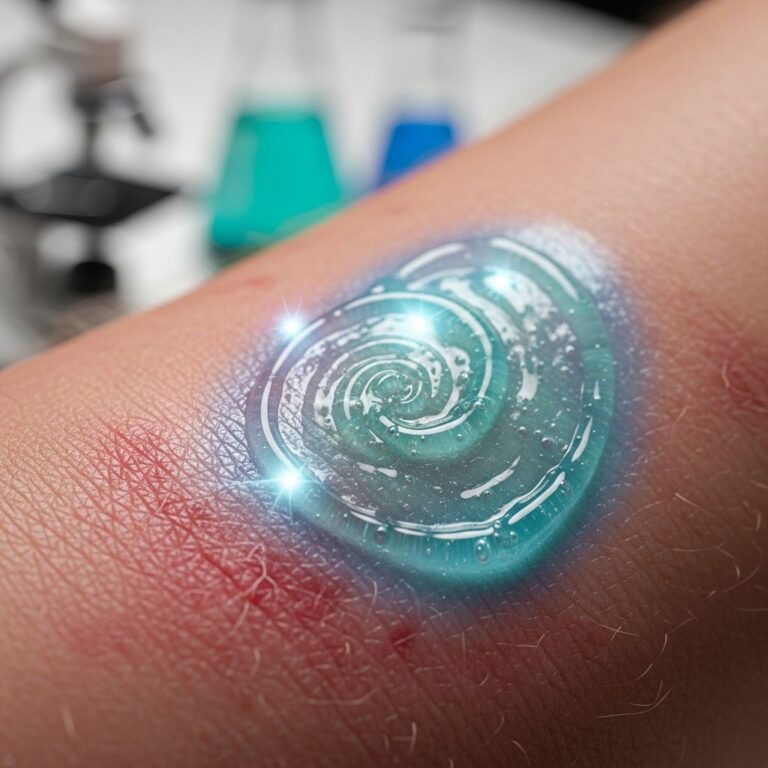
| Transdermal Patch | 4.6 mg/24h, 9.5 mg/24h, 13.3 mg/24h | Apply once daily to clean skin | Reduces GI side effects; steady release |
Patches are particularly beneficial for patients prone to nausea, providing consistent drug delivery across the blood-brain barrier.
Step-by-Step Dosing Guidelines
Treatment begins at low doses to minimize side effects, with gradual titration based on tolerance. For oral forms in Alzheimer’s or Parkinson’s dementia:
- Start with 1.5 mg twice daily.
- Increase to 3 mg twice daily after at least 2 weeks if tolerated.
- Further escalate to 4.5 mg, then 6 mg twice daily, with 2-4 week intervals.
Maximum daily dose is 12 mg (6 mg BID). For patches: Initiate at 4.6 mg/24h, titrate to 9.5 mg/24h after 4 weeks, up to 13.3 mg/24h. If treatment lapses over 3 days, restart at the lowest dose.
Monitoring involves regular check-ins for efficacy and adverse reactions, adjusting as cognitive status evolves.
How Rivastigmine Interacts with the Body
Related Stories



Rivastigmine rapidly absorbs, peaking in plasma within 1 hour orally and CSF in 1.4-2.6 hours, with weak protein binding (40%) and brain-specific enzyme inhibition. It inhibits both acetylcholinesterase (AChE) and butyrylcholinesterase (BChE), achieving up to 60% CSF inhibition post-dose. Metabolized by esterases, its short half-life necessitates twice-daily dosing for oral forms.
Food delays absorption but doesn’t affect overall exposure, making administration with meals advisable to curb GI upset.
Potential Side Effects and Risk Management
Common issues stem from cholinergic excess, affecting 10-30% of users, including nausea (up to 47%), vomiting (31%), diarrhea, and dizziness.
- Gastrointestinal: Nausea, vomiting, abdominal pain – mitigate by slow titration and food intake.
- Neurological: Headache, tremor, confusion – monitor Parkinson’s patients closely.
- Cardiovascular: Bradycardia, potential fainting – caution in heart conditions.
- Serious Risks: GI bleeding, seizures, worsening asthma/COPD.
Report severe symptoms like persistent vomiting or chest pain immediately. Weight loss may occur; track nutrition.
Key Drug and Lifestyle Interactions
Rivastigmine amplifies effects of other cholinergics (e.g., bethanechol) and risks additive toxicity with anticholinesterases. Anticholinergics like atropine may counteract benefits. NSAIDs increase GI bleed risk; beta-blockers heighten bradycardia.
Lifestyle Tips:
- Avoid alcohol to prevent enhanced sedation.
- Press patches firmly; rotate sites to avoid irritation.
- Store securely away from children.
Special Considerations for Diverse Patient Groups
Elderly and Hepatic/Renal Impairment
Older adults, common dementia patients, require dose caution due to slower clearance. Mild hepatic impairment halves dose; severe cases contraindicate use. No renal adjustment needed, but monitor closely.
Pregnancy and Breastfeeding
Limited data; use only if benefits outweigh risks (Category B). Unknown in breast milk – consider alternatives.
Overdose Response and Emergency Care
Symptoms include severe nausea, bradycardia, hypotension, and seizures. Supportive care: atropine for cholinergic crisis, diazepam for seizures. Dialysis ineffective due to rapid metabolism. Seek immediate medical help.
Measuring Treatment Success
Improvements may appear in weeks, peaking at maintenance dose. Track via cognitive tests, caregiver reports on daily function. If no benefit after 3 months or intolerable effects, reassess with physician. Combine with non-drug therapies like cognitive training for best outcomes.
Frequently Asked Questions (FAQs)
Does Rivastigmine cure dementia?
No, it manages symptoms but does not stop disease progression.
Can I stop Rivastigmine abruptly?
Taper under guidance to avoid withdrawal effects.
Is the patch better than pills?
Patches reduce GI issues for many; discuss with your doctor.
What if I forget a dose?
Take as soon as remembered unless near next dose; skip if double-dosing risks overdose.
Will it worsen Parkinson’s tremors?
Possible; monitor and adjust.
Empowering Patients and Caregivers
Success with Rivastigmine hinges on partnership: adhere to schedules, report changes promptly, and integrate lifestyle supports like exercise and diet. Regular consultations ensure tailored care amid evolving needs.
References
- Rivastigmine: Uses, Interactions, Mechanism of Action — DrugBank. 2023. https://go.drugbank.com/drugs/DB00989
- Rivastigmine: Uses, Side Effects, Dosage & Reviews — GoodRx. 2024-02-01. https://www.goodrx.com/rivastigmine/what-is
- Rivastigmine (oral route) — Mayo Clinic. 2023-11-01. https://www.mayoclinic.org/drugs-supplements/rivastigmine-oral-route/description/drg-20065860
- Exelon (Rivastigmine Tartrate) Label — FDA. 2018-07-27. https://www.accessdata.fda.gov/drugsatfda_docs/label/2018/020823s036,021025s024lbl.pdf
- Drug Facts: Exelon (rivastigmine) — Fisher Center for Alzheimer’s Research Foundation. 2022. https://www.alzinfo.org/articles/drug-facts-exelon-rivastigmine/
- Rivastigmine — StatPearls, NCBI Bookshelf. 2023-08-14. https://www.ncbi.nlm.nih.gov/books/NBK557438/
- Rivastigmine skin patches — Cleveland Clinic. 2024. https://my.clevelandclinic.org/health/drugs/18054-rivastigmine-patches
Similar Articles








Read full bio of Sneha Tete