Roasted vs. Soaked Chickpeas: Which Is Healthier?
Discover the nutritional showdown between roasted and soaked chickpeas: digestion, calories, benefits, and which wins for your health goals.
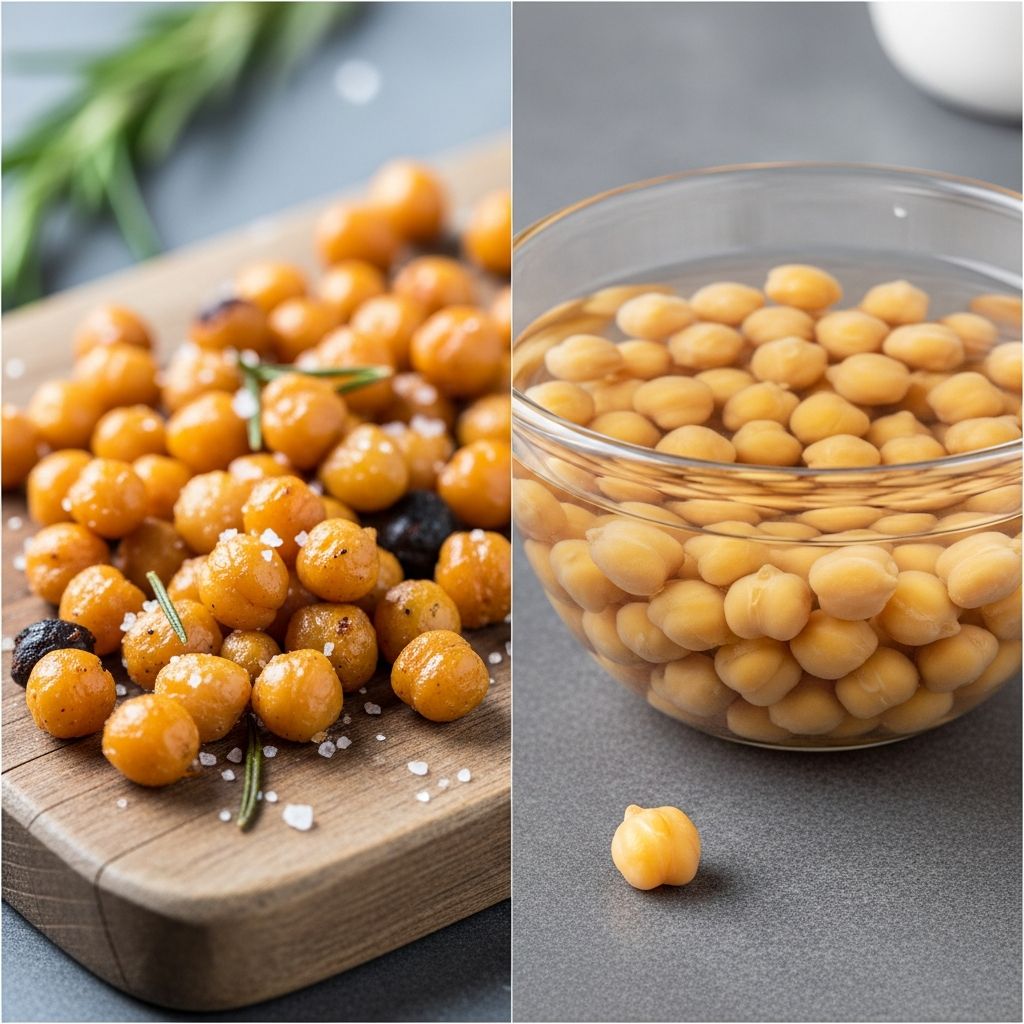
Chickpeas, also known as garbanzo beans or chana, are a nutritional powerhouse packed with protein, fiber, vitamins, and minerals. Popular in diets worldwide, especially among vegetarians and vegans, they come in various forms. Two common preparations—roasted and soaked—offer distinct benefits. Roasted chickpeas deliver a crunchy, shelf-stable snack, while soaked ones prioritize digestibility and nutrient absorption. But which is truly healthier? This article dives into their nutrition, digestion impacts, health advantages, and practical uses to help you decide based on your goals.
What Are Roasted Chickpeas?
Roasted chickpeas are dry-roasted after cooking, resulting in a crispy texture ideal for snacking. The process removes moisture, concentrating nutrients and enhancing flavor while extending shelf life. High heat inactivates enzymes that cause spoilage and reduces anti-nutritional factors like tannins and phytates. Studies show roasting increases resistant starch, lowers the glycemic index, and boosts antioxidant activity, making chickpeas more suitable for consumption.
Roasting breaks down complex carbohydrates, improving absorbability and reducing digestive discomfort. It’s an efficient method with minimal contamination risk and short processing time. Essential amino acids remain elevated, supporting its role as a protein-rich option.
What Are Soaked Chickpeas?
Soaked chickpeas involve submerging dry chickpeas in water for 8-12 hours or overnight. This activates enzymes, softens texture, and reduces anti-nutrients such as phytic acid, which hinders mineral absorption (iron, zinc, calcium). Soaking leaches out oxalates, lectins, and trypsin inhibitors, while hydrolyzing oligosaccharides like raffinose and stachyose that cause gas and bloating.
The process promotes starch gelatinization and protein denaturation for easier digestion. It increases beneficial gut bacteria, detoxifies by removing phenolics, and enhances bioavailability of vitamins and minerals. Soaked chickpeas have lower oxalate levels, potentially reducing kidney stone risk.
Nutritional Comparison: Roasted vs. Soaked Chickpeas
Roasted chickpeas are more calorie-dense due to water loss, packing higher protein and fiber per gram. Soaked chickpeas retain more water, appearing lower in calories but preserving heat-sensitive vitamins like C and B vitamins better.
| Nutrient (per 100g) | Soaked Chickpeas | Roasted Chickpeas |
|---|---|---|
| Calories | 164 | 356 |
| Protein | ~8-9g | ~19g |
| Fiber | ~7g | ~17g |
| Iron | High bioavailability post-soak | Concentrated, but heat may affect some |
| Magnesium | Preserved | High |
Data adapted from USDA via sources; roasted values concentrate due to dehydration. Soaked forms support better raw nutrient retention, while roasting enhances mineral density like iron and magnesium.
Digestibility and Gut Health
- Soaked Chickpeas: Excel in digestibility by breaking down complex sugars, reducing bloating. They boost gut bacteria, optimize digestion, and eliminate anti-nutrients for superior nutrient uptake.
- Roasted Chickpeas: Heat gelatinizes starch, easing carb absorption and minimizing discomfort. However, they retain more anti-nutrients than soaked, potentially harder for sensitive stomachs in large amounts.
Peer-reviewed research confirms soaking significantly cuts alpha-galactosidase inhibitors and total sugars, while roasting inactivates spoilage enzymes but less effectively reduces phytates.
Related Stories



Satiety and Weight Management
Roasted chickpeas’ crunch, high protein, and fiber promote fullness, curbing snacking. A 2016 Appetite study showed chickpea snacks reduced later calorie intake. Yet, their density demands portion control—ideal as a handful replacement for chips.
Soaked chickpeas, lower-calorie and fiber-rich, sustain satiety longer without excess energy. They’re perfect for weight loss, detox, and managing hunger pangs. UConn Extension notes dried chickpeas (soaked before use) offer natural flavor without preservatives.
Health Benefits Breakdown
Benefits of Roasted Chickpeas
- High plant-based protein for muscle repair and satiety.
- Improved digestion via carb breakdown.
- Antioxidant boost and longer shelf life.
- Weight loss aid when portioned.
- Rich in iron, magnesium for energy and bone health.
Benefits of Soaked Chickpeas
- Enhanced nutrient absorption (iron, zinc).
- Supports gut health and detoxification.
- Lowers kidney stone risk via reduced oxalates.
- Weight management with low calories.
- Promotes beneficial bacteria.
How to Prepare Roasted Chickpeas
- Drain and rinse canned or cooked chickpeas.
- Pat dry thoroughly.
- Toss with olive oil, salt, spices (paprika, cumin).
- Roast at 400°F for 20-30 minutes, shaking halfway.
- Cool for crunchiness.
Store in airtight containers for weeks.
How to Prepare Soaked Chickpeas
Overnight Soak: Sort, rinse, cover with water, refrigerate 12 hours. Rinse and cook.
Quick Soak: Boil 1 minute, cover off-heat for 1 hour. Rinse, then cook 1-2 hours until tender.
Use in salads, curries, or hummus for maximum benefits.
Which One Should You Choose?
Neither is universally superior—choose based on needs:
- Weight loss/gut health: Soaked (lighter, digestible).
- Quick snack/energy: Roasted (satisfying, portable).
- Both: Rotate for variety; moderation key.
Both reduce anti-nutrients via processing, offering versatile nutrition.
Frequently Asked Questions (FAQs)
Are roasted chickpeas healthier than soaked ones?
No clear winner; roasted suit snacking with concentrated nutrients, soaked excel in digestion and low calories. Depends on goals.
Can soaked chickpeas help with weight loss?
Yes, their fiber promotes satiety with fewer calories.
Do roasted chickpeas cause gas?
Less than raw, but sensitive individuals may prefer soaked.
How long to soak chickpeas?
8-12 hours overnight or 1-hour quick soak.
Are canned chickpeas as good as soaked dry ones?
Dry soaked are preservative-free but require time; rinse canned to cut sodium.
References
- Roasted VS. Soaked Chickpeas: Which One’s Healthier And Why? — Times Now News. 2024-10-15. https://www.timesnownews.com/health/roasted-vs-soaked-chickpeas-which-ones-healthier-and-why-article-151624520
- Roasted Vs. Soaked Chana: Which Is Healthier? Nutrition, Health Benefits and Side Effects — Netmeds. 2024. https://www.netmeds.com/c/health-library/post/roasted-vs-soaked-chana-which-is-healthier-nutrition-health-benefits-and-side-effects
- Chickpeas and gut microbiome: Functional food implications for health — PMC (NCBI). 2024. https://pmc.ncbi.nlm.nih.gov/articles/PMC11532829/
- The Health Benefits of Chickpeas — UConn Extension (.edu). 2023-05-01. https://extension.uconn.edu/publication/the-health-benefits-of-chickpeas/
Similar Articles








Read full bio of Sneha Tete