Robotic Prostatectomy: Advanced Surgical Treatment
Understanding minimally invasive robotic prostate cancer surgery and its benefits.
Understanding Robotic Prostatectomy
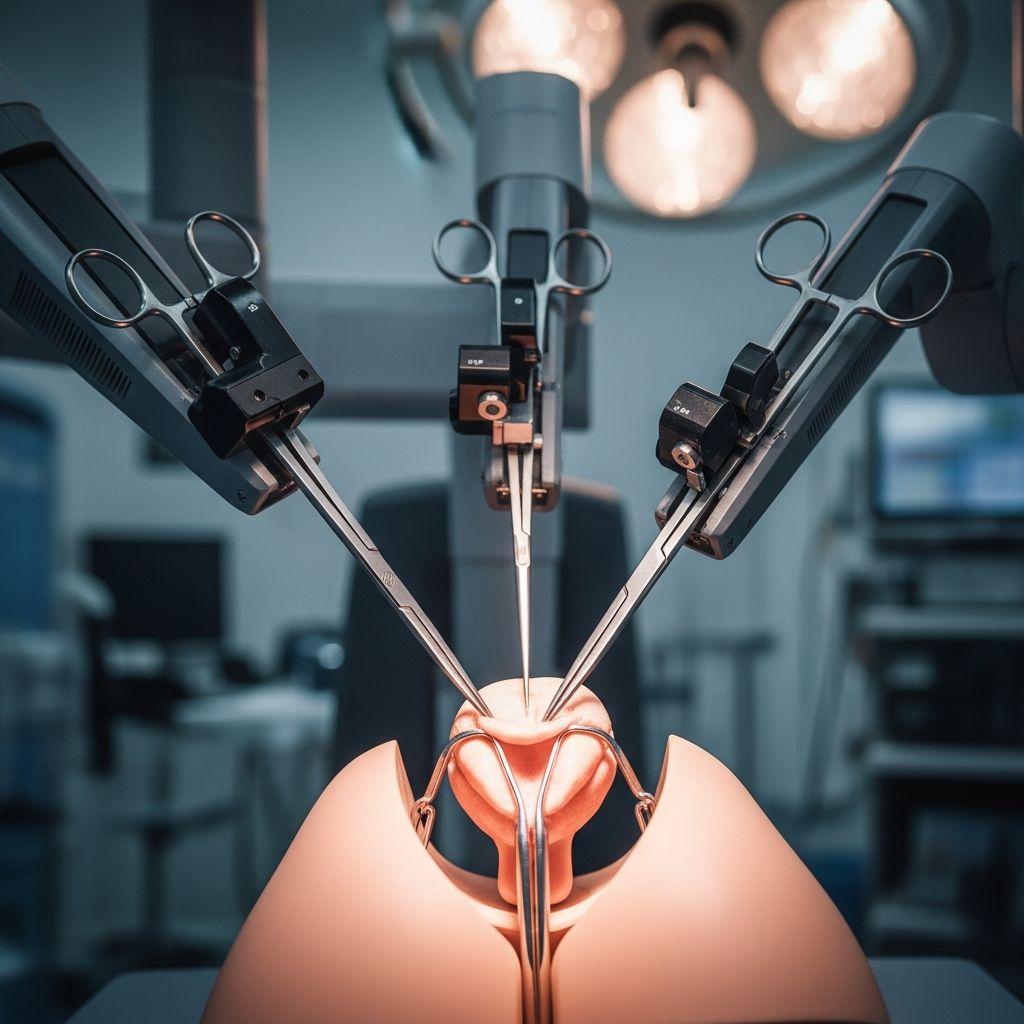
Robotic prostatectomy represents a significant advancement in surgical technology for treating prostate cancer. This minimally invasive approach utilizes the da Vinci surgical robotic system to remove the prostate gland while preserving critical surrounding structures and minimizing tissue damage. Unlike traditional open surgery, which requires a large incision below the navel, robotic prostatectomy is performed through multiple tiny incisions through which specialized instruments are inserted and controlled by the surgeon from a console.
The procedure has transformed the landscape of prostate cancer treatment, offering patients reduced hospital stays, faster recovery times, and improved outcomes compared to conventional surgical approaches. At Johns Hopkins, robotic prostatectomy has become a cornerstone of the institution’s comprehensive prostate cancer treatment program, with the majority of radical prostatectomy procedures now performed using this advanced technology.
What is Prostate Cancer?
The prostate is a gland in the male reproductive system that produces fluid contributing to semen. Prostate cancer develops when malignant cells begin to grow within this gland. The disease can progress at varying rates—some forms grow slowly and may not cause serious harm, while others are aggressive and spread rapidly to other parts of the body.
Risk factors for prostate cancer include age, family history, race, and certain genetic predispositions. Early detection through screening tests like PSA (prostate-specific antigen) blood tests and digital rectal examinations can identify cancer at more treatable stages. When prostate cancer is diagnosed, several treatment options are available depending on the cancer’s stage, grade, and the patient’s overall health and preferences.
How Robotic Prostatectomy Works
The Surgical Approach
During a robotic prostatectomy, the surgeon sits at a console away from the patient and manipulates robotic arms equipped with specialized surgical instruments. The surgeon views a magnified three-dimensional image of the surgical field, providing superior visualization compared to traditional open surgery. The robotic system translates the surgeon’s hand movements into precise instrument movements, filtering out any tremor and allowing for exceptional accuracy.
There are multiple approaches to robotic prostatectomy, including the transperitoneal approach, which accesses the prostate through the abdominal cavity, and the extraperitoneal approach, which avoids entering the peritoneum. The extraperitoneal technique provides advantages similar to open retropubic prostatectomy, including reduced risk of ileus and other abdominal complications, while maintaining the precision benefits of robotic surgery.
Nerve-Sparing Technique
One of the most significant advantages of robotic prostatectomy is the ability to perform nerve-sparing surgery. The neurovascular bundles containing cavernous nerves run along the sides of the prostate and are crucial for erectile function. Innovative techniques, including the use of transrectal ultrasound imaging during surgery, help surgeons visualize and preserve these delicate structures. Advanced imaging technologies allow surgeons to identify the blood vessels accompanying the nerves, which serve as landmarks for locating the microscopic cavernous nerves.
Nerve-sparing robotic prostatectomy significantly improves the likelihood of preserving erectile function after surgery, an important consideration for many patients. This technique requires specialized training and expertise, which Johns Hopkins surgeons have refined over years of experience.
Related Stories



Advantages of Robotic Prostatectomy
Robotic prostatectomy offers numerous advantages over traditional open surgical approaches:
- Minimally Invasive: Multiple small incisions instead of one large surgical cut result in less tissue trauma and reduced blood loss during the procedure.
- Enhanced Visualization: The three-dimensional magnified view provides surgeons with superior visibility of the surgical field, enabling more precise dissection and preservation of critical structures.
- Improved Precision: Robotic instruments offer greater maneuverability and accuracy than the human hand, particularly in delicate anatomical areas.
- Nerve Preservation: Advanced imaging techniques and surgical precision significantly improve the chances of preserving sexual function postoperatively.
- Reduced Blood Loss: The minimally invasive nature of the procedure typically results in significantly less intraoperative bleeding.
- Shorter Hospital Stay: Most patients are discharged within one to two days, compared to several days for open surgery.
- Faster Recovery: Patients experience reduced pain, less scarring, and quicker return to normal activities.
- Accessibility: The robotic approach has made high-quality prostatectomy surgery available at more medical centers, particularly benefiting patients at institutions where open surgery expertise may be limited.
Candidates for Robotic Prostatectomy
Robotic prostatectomy is suitable for men with clinically localized prostate cancer who are candidates for surgical treatment. The procedure is particularly beneficial for several patient populations:
Obese patients: The robotic approach is ideally suited for men with elevated body mass index, as the increased intra-abdominal pressure in obese individuals compresses venous drainage, leading to increased blood loss during open surgery. The robotic technique minimizes this complication.
Patients with prior abdominal surgery: Men who have undergone previous abdominal procedures may have adhesions that complicate open surgical access. Robotic surgery can navigate these anatomical challenges more effectively.
Patients with inguinal hernias: Concomitant inguinal hernias can be addressed during robotic prostatectomy without significantly complicating the procedure.
Younger men: Patients concerned about preserving sexual and urinary function particularly benefit from the nerve-sparing capabilities of robotic surgery.
Your urologic surgeon will determine whether robotic prostatectomy is appropriate for your specific situation based on your cancer stage, grade, overall health, and personal preferences regarding treatment outcomes.
The Robotic Prostatectomy Procedure
Preoperative Preparation
Before undergoing robotic prostatectomy, patients undergo comprehensive preoperative evaluation including blood work, imaging studies, and anesthesia consultation. Patients are instructed to fast for several hours before surgery and may receive bowel preparation. The night before surgery, patients should arrange transportation, as they will be unable to drive following general anesthesia.
During the Operation
The procedure begins with general anesthesia, after which the patient is positioned optimally for the approach chosen. The surgeon then makes multiple small incisions, typically three to five, each approximately one centimeter in length. Through these incisions, trocars (small tubes) are inserted to provide access for the robotic instruments and camera. The robotic system is then docked, and the surgeon takes position at the console.
The surgeon carefully dissects tissues, identifies and preserves the neurovascular bundles, and removes the prostate along with surrounding tissue, seminal vesicles, and often the pelvic lymph nodes, depending on cancer characteristics. The bladder is then reconnected to the urethra, and a urinary catheter is placed to allow healing of this new connection.
The entire procedure typically takes two to three hours, depending on factors such as prostate size, cancer extent, and surgeon experience.
Recovery and Aftercare
Immediate Postoperative Period
Following robotic prostatectomy, patients are transferred to the recovery room where vital signs are monitored as anesthesia wears off. Most patients experience minimal pain and can walk with assistance within hours of surgery. Many patients are discharged home the following day, accompanied by a catheter that remains in place for one to two weeks while the bladder-urethra connection heals.
Recovery Timeline
The recovery trajectory following robotic prostatectomy is typically rapid and straightforward:
- Days 1-7: Patients are encouraged to walk regularly and perform light activities. Strenuous activity, heavy lifting, and sexual intercourse should be avoided. Pain is generally minimal and managed with mild analgesics.
- Weeks 2-3: The urinary catheter is typically removed after one to two weeks, after which patients often experience some urinary incontinence that gradually improves. Normal voiding patterns usually return within several weeks.
- Weeks 4-6: Most patients are able to resume light work and activities. Exercise can be gradually increased, though heavy lifting and intense workouts should still be avoided.
- Months 2-3: The majority of patients return to full activity levels. Urinary continence typically returns to normal or near-normal within three months.
- Sexual function: Recovery of erectile function varies and may take six months to one year, even with nerve-sparing surgery. Patients are often prescribed medications to support erectile function during the recovery period.
Postoperative Care Instructions
Patients receive detailed postoperative instructions regarding catheter care, wound care, activity restrictions, and signs requiring medical attention. A nurse navigator at Johns Hopkins helps patients navigate the recovery process, optimizing their outcomes and addressing concerns. Regular follow-up appointments allow the surgical team to monitor healing and address any complications.
Potential Complications and Side Effects
While robotic prostatectomy is generally safe, potential complications can include urinary incontinence, erectile dysfunction, bleeding, infection, blood clots, and injury to adjacent structures. However, the minimally invasive nature of robotic surgery significantly reduces the incidence and severity of these complications compared to open surgery.
Urinary Incontinence: Some degree of temporary urinary incontinence is common immediately after catheter removal but typically resolves within weeks to months. Persistent incontinence occurs in a small percentage of patients and can be managed with pelvic floor physical therapy, medications, or other interventions.
Erectile Dysfunction: Sexual dysfunction can result from nerve injury during surgery, though nerve-sparing techniques have significantly improved outcomes. Recovery may take several months, and medications or devices can support function during recovery.
Other Complications: Infection, bleeding, and injury to surrounding structures are uncommon with robotic surgery due to the precision and minimal invasiveness of the approach.
Why Choose Johns Hopkins for Robotic Prostatectomy
Johns Hopkins is a premier center for prostate cancer treatment and robotic prostatectomy. The institution’s leadership in this field is rooted in historic achievements—the first radical prostatectomy was performed at Johns Hopkins in 1904, and many seminal discoveries in prostatectomy technique have originated from Hopkins surgeons.
Today, Johns Hopkins maintains its position as a leader in robotic prostatectomy through:
- Pioneering Expertise: Johns Hopkins surgeons developed and refined many modern robotic prostatectomy techniques, including the extraperitoneal approach and advanced nerve-sparing methods.
- Volume and Experience: The institution performs thousands of radical prostatectomies annually, with the majority now using robotic technology. This high volume ensures that surgeons maintain exceptional skills and can optimize outcomes for each patient.
- Multidisciplinary Team: Patients benefit from care coordinated across urology, oncology, pathology, and other specialties, ensuring comprehensive treatment planning and support.
- Innovative Technology: Johns Hopkins continues to advance robotic surgical techniques, including research into enhanced intraoperative imaging using transrectal ultrasound guidance for improved nerve visualization.
- Patient-Centered Care: A dedicated nurse navigator helps patients navigate the healthcare system, understand their options, and optimize their recovery. Comprehensive postoperative support ensures excellent outcomes.
- Research and Development: Ongoing research at Johns Hopkins continues to refine surgical techniques and improve patient outcomes.
Frequently Asked Questions
Q: How does robotic prostatectomy differ from open prostatectomy?
A: Robotic prostatectomy uses multiple small incisions and robotic instruments controlled by the surgeon, while open prostatectomy requires one large incision. Robotic surgery typically results in less blood loss, reduced pain, shorter hospital stays, and faster recovery, though both approaches can effectively treat prostate cancer when performed by experienced surgeons.
Q: Is robotic prostatectomy better than open surgery?
A: Both approaches can provide excellent cancer outcomes when performed by experienced surgeons. The robotic approach offers advantages including reduced blood loss, shorter recovery, and better access for patients with obesity or prior abdominal surgery. Open surgery remains a valid option and may be preferred by some experienced surgeons.
Q: How long does the robotic prostatectomy procedure take?
A: The procedure typically takes two to three hours, depending on prostate size, cancer extent, and surgeon experience.
Q: When can I return to normal activities after robotic prostatectomy?
A: Most patients can return to light work within one to two weeks. Normal activities and light exercise can typically resume within four to six weeks. Heavy lifting and strenuous exercise should be avoided for six to eight weeks. Full recovery generally takes three to six months.
Q: Will I experience incontinence after robotic prostatectomy?
A: Some temporary urinary incontinence is common immediately after catheter removal but typically resolves within weeks to months. Long-term incontinence occurs in a small percentage of patients and can be managed with pelvic floor physical therapy, medications, or other interventions.
Q: Can erectile function be preserved with robotic prostatectomy?
A: Nerve-sparing robotic prostatectomy significantly improves the chances of preserving erectile function compared to non-nerve-sparing surgery. However, some degree of erectile dysfunction may occur, and recovery may take several months. Medications and other treatments can support sexual function during recovery.
Q: What is the success rate of robotic prostatectomy?
A: When performed by experienced surgeons, robotic prostatectomy has excellent cancer control outcomes comparable to or exceeding those of open surgery. Success rates depend on cancer stage, grade, and other factors, which your surgeon will discuss with you.
Q: How long is the hospital stay after robotic prostatectomy?
A: Most patients are discharged home the day after surgery or within 24-48 hours. This significantly shorter stay compared to open surgery (which may require three to five days) is one of the key advantages of the robotic approach.
References
- The Technique of Robotic Nerve Sparing Prostatectomy — Johns Hopkins University, Department of Urology. Johns Hopkins Medicine. https://pure.johnshopkins.edu/en/publications/the-technique-of-robotic-nerve-sparing-prostatectomy-extraperiton
- Tandem Robot Assisted Laparoscopic Radical Prostatectomy (T-RALP) — Johns Hopkins University, Urobotics Laboratory. https://urobotics.urology.jhu.edu/projects/T-RALP/
- Prostate Cancer Treatment Overview — National Cancer Institute, National Institutes of Health. 2024. https://www.cancer.gov/types/prostate/patient/prostate-treatment-pdq
- Robot-Assisted Radical Prostatectomy: A Systematic Review — American Urological Association, Evidence-Based Review. 2024. https://www.auanet.org/
- Minimally Invasive Surgery for Prostate Cancer — Mayo Clinic Department of Urology. 2024. https://www.mayoclinic.org/tests-procedures/robotic-prostatectomy/about/pac-20384894
Similar Articles








Read full bio of Sneha Tete