Rocky Mountain Spotted Fever: Symptoms, Doxycycline, Prevention
Understanding Rocky Mountain Spotted Fever: causes, symptoms, diagnosis, and treatment options.
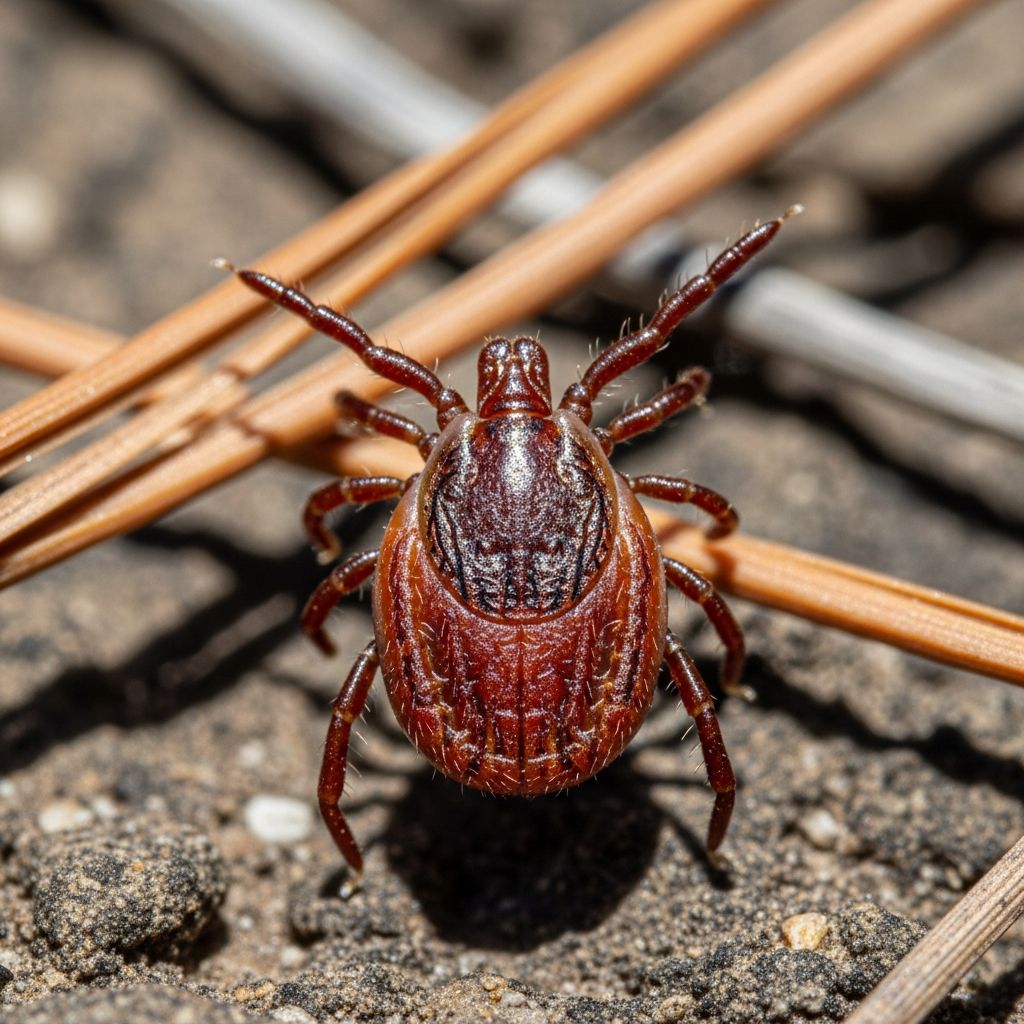
Rocky Mountain Spotted Fever
Rocky Mountain Spotted Fever (RMSF) is a serious and potentially life-threatening illness transmitted through infected tick bites. The disease is caused by the bacterium Rickettsia rickettsii, which enters the bloodstream when an infected tick feeds on a person. Despite its name suggesting a geographic limitation, RMSF is found in most states across the United States and can occur in other regions where infected ticks are present. Early recognition and prompt antibiotic treatment are essential, as delayed treatment can result in severe complications or death.
What Causes Rocky Mountain Spotted Fever?
Rocky Mountain Spotted Fever is caused by the gram-negative bacterium Rickettsia rickettsii. This pathogen is transmitted to humans exclusively through the bite of infected ticks, most commonly the American dog tick, Rocky Mountain wood tick, and Lone Star tick. When an infected tick attaches to the skin and feeds, the bacteria enter the bloodstream and begin their systemic infection.
Once in the bloodstream, R. rickettsii directly attacks blood vessels, muscle cells, and tissues throughout the body. The bacterium causes endothelial cell damage, leading to:
- Leaking blood vessels that allow fluid to escape into surrounding tissues
- Inflammation and swelling in various organ systems
- Damage to muscles, nerves, and vital organs
- Vascular injury that can progress to widespread tissue damage
The severity of infection depends on factors such as bacterial strain virulence, the host’s immune response, and the timing of treatment initiation.
Symptoms and Clinical Presentation
Symptoms of Rocky Mountain Spotted Fever typically appear between two days and two weeks following an infected tick bite, with most cases presenting within five to ten days. It is important to note that only about half of infected patients actually remember being bitten by a tick, as tick bites are often painless and go unnoticed.
Early Symptoms
Initial symptoms are nonspecific and resemble many common illnesses, which can delay diagnosis. Early manifestations include:
- High fever (often exceeding 102°F or 39°C)
- Severe headache
- Muscle pain (myalgias)
- Nausea and vomiting
- Abdominal pain
- Loss of appetite
- General malaise and fatigue
The Characteristic Rash
The hallmark rash of RMSF develops within two to five days after fever onset in approximately 50% of patients. Importantly, the absence of a rash does not rule out RMSF, and treatment should not be delayed while awaiting rash development. When present, the rash typically exhibits the following characteristics:
- Appears first on the wrists, ankles, forearms, and hands
- Consists of small, bright red petechial (spotted) lesions
- Gradually spreads inward toward the trunk and central body
- May eventually involve the palms and soles
- Develops slowly over days, eventually becoming generalized
The classic appearance may not emerge until nearly a week after symptom onset. In severe cases, close to 5% of patients may develop gangrene or skin necrosis, potentially requiring amputation of affected extremities.
Related Stories



Neurological Manifestations
Central nervous system involvement occurs in a subset of RMSF cases, manifesting as:
- Lethargy and confusion (approximately 25% of cases)
- Ataxia or loss of coordination (18% of cases)
- Coma (9-10% of cases)
- Seizures (8% of cases)
These neurological complications indicate severe systemic infection and warrant immediate hospitalization.
Diagnosis of Rocky Mountain Spotted Fever
Diagnosis of RMSF is primarily clinical, based on the patient’s symptoms, history of tick exposure, and geographic location during the incubation period. Early diagnosis is crucial for successful treatment and prevention of long-term complications. Healthcare providers should have a high index of suspicion for RMSF in patients presenting with fever, headache, and muscle pain, particularly during tick season (typically April through September) and in endemic regions.
If symptoms—including fever or rash—appear within four to six weeks after a potential tick bite, patients should consult their physician for specific RMSF testing. Laboratory confirmation may include serological tests, PCR analysis, or immunohistochemical staining of skin biopsy specimens. However, treatment should begin immediately upon clinical suspicion rather than waiting for laboratory confirmation, as delays in antibiotic therapy significantly increase the risk of fatal outcomes.
Treatment of Rocky Mountain Spotted Fever
First-Line Antibiotic Therapy
Doxycycline is the gold standard and only recommended first-line antibiotic for treating Rocky Mountain Spotted Fever in patients of all ages, including children under eight years old and pregnant women. The CDC and American Academy of Pediatrics Committee on Infectious Diseases strongly recommend doxycycline for all suspected RMSF cases.
Standard dosing regimens are:
- Adults: 100 mg orally or intravenously every 12 hours
- Children weighing less than 45 kg (100 lbs): 2.2 mg/kg body weight given twice daily
Patients should receive doxycycline for a minimum of 5 to 7 days, with treatment continuing for at least 3 days after fever subsides and clinical improvement is evident. Studies have demonstrated that short courses of doxycycline (5-10 days) do not result in staining of permanent teeth or enamel hypoplasia, addressing long-standing concerns about fluoroquinolone use in children.
Treatment Timing and Efficacy
Treatment effectiveness is critically dependent on timing. When doxycycline is initiated within the first five days of illness, it is most effective at preventing severe complications and reducing mortality risk. When antibiotic therapy begins promptly:
- Fever generally subsides within 24 to 48 hours
- Most patients show symptomatic improvement within 48 hours
- Long-term complications are significantly reduced
- Mortality risk is minimized
If antibiotics are started too late (beyond the first five days), RMSF can cause serious organ damage and life-threatening complications. Severely ill patients may require longer treatment periods before fever resolves, particularly if organ system damage has already occurred.
Alternative Treatment Options
For patients with documented severe doxycycline allergy, chloramphenicol is the only alternative antibiotic available. However, important limitations must be considered:
- Epidemiologic studies show that chloramphenicol-treated patients have significantly higher mortality rates compared to those receiving tetracycline-class antibiotics
- Oral formulations are not available in the United States
- Serious adverse effects include aplastic anemia and Grey baby syndrome
- In cases of severe allergy, rapid desensitization to doxycycline in an inpatient setting may be considered
Sulfa-containing drugs should be avoided, as they may worsen clinical course and increase mortality risk. Other broad-spectrum antibiotics are generally ineffective against RMSF and should not be used.
Supportive Care
In addition to antibiotic therapy, patients may require supportive treatments based on disease severity:
- Management of mild symptoms at home with over-the-counter medications (under medical guidance)
- Blood transfusion for severe anemia or bleeding complications
- Mechanical ventilation for patients with respiratory compromise
- Fluid management for tissue edema and organ dysfunction
- Intensive care unit admission for critically ill patients
Prevention of Rocky Mountain Spotted Fever
Post-tick bite antibiotic prophylaxis is not recommended for preventing RMSF. Instead, individuals who have been bitten by a tick should monitor closely for signs and symptoms and seek medical evaluation if fever, rash, or other symptoms develop within two weeks of the tick bite.
Effective prevention strategies include:
- Wearing protective clothing (long sleeves and pants) when in tick-infested areas
- Using tick repellents containing DEET or picaridin on exposed skin
- Performing regular tick checks after outdoor activities
- Promptly removing any ticks found on the body
- Avoiding tick-infested areas during peak season when possible
Prognosis and Long-Term Outcomes
The prognosis of RMSF depends significantly on the timing of treatment initiation. With prompt antibiotic therapy, most patients recover completely with no lasting effects. However, without treatment, RMSF carries a mortality rate of 20% to 30%.
Some patients, particularly those with severe initial illness, may experience long-term complications even after successful antibiotic treatment, including:
- Nerve damage and neuropathy
- Tissue damage requiring months of recovery
- Gangrene or amputation of extremities (in approximately 5% of cases)
- Ongoing neurological symptoms
- Permanent organ dysfunction in severely affected patients
Important Clinical Considerations
Several key points are essential for both patients and healthcare providers:
- Do not wait for rash development: Treatment should begin immediately upon clinical suspicion, as rash may be absent in up to 50% of cases
- Complete the full antibiotic course: Even if symptoms improve, all prescribed doxycycline must be taken to prevent relapse
- Seek prompt medical attention: Any fever or rash within four to six weeks after a tick bite warrants urgent evaluation
- Resistance has not been documented: Doxycycline resistance and treatment relapse have not been documented in RMSF cases
- Use of non-recommended antibiotics increases mortality: Using antibiotics other than doxycycline is associated with significantly higher risk of fatal outcomes
Frequently Asked Questions
Q: Can Rocky Mountain Spotted Fever be prevented with antibiotics after a tick bite?
A: No. Post-tick bite antibiotic prophylaxis is not currently recommended for preventing RMSF. Instead, monitor for symptoms within two weeks of the tick bite and seek immediate medical attention if fever, rash, or other symptoms develop.
Q: Is doxycycline safe to use in children?
A: Yes. The CDC and American Academy of Pediatrics recommend doxycycline as the first-line treatment for RMSF in children of all ages, including those under eight years. Short courses (5-10 days) have not been shown to cause permanent tooth staining or enamel problems.
Q: How quickly does doxycycline work for RMSF?
A: Fever typically subsides within 24 to 48 hours of starting doxycycline, and most patients show significant symptomatic improvement within this timeframe when treatment begins early.
Q: What happens if RMSF is not treated?
A: Without treatment, RMSF has a mortality rate of 20% to 30%. Even survivors may experience permanent nerve and tissue damage, organ dysfunction, and other long-term complications.
Q: Can someone get Rocky Mountain Spotted Fever more than once?
A: While rare, reinfection is theoretically possible, though immunity typically develops following natural infection. All suspected cases should be treated promptly regardless of prior history.
References
- Rocky Mountain Spotted Fever: Causes, Symptoms & Treatment — Cleveland Clinic. 2024. https://my.clevelandclinic.org/health/diseases/17838-rocky-mountain-spotted-fever
- Clinical Care of Rocky Mountain Spotted Fever — Centers for Disease Control and Prevention (CDC). 2024. https://www.cdc.gov/rocky-mountain-spotted-fever/hcp/clinical-care/index.html
- Rocky Mountain Spotted Fever — South Carolina Department of Public Health and Environmental Control. 2024. https://dph.sc.gov/diseases-conditions/infectious-diseases/insect-and-vector-borne-diseases/ticks-can-spread-3
- Rocky Mountain Spotted Fever — Columbia University Lyme and Tick-Borne Disease Research Center. 2024. https://www.columbia-lyme.org/rocky-mountain-spotted-fever
- Treatment Guidelines for Rocky Mountain Spotted Fever — Tick-Borne Disease United. 2024. https://www.tbcunited.org/tick-borne-diseases/rocky-mountain-spotted-fever/
- RMSF and Serious Tick-Borne Illnesses — National Center for Biotechnology Information (NCBI/PubMed Central). 2020. https://pmc.ncbi.nlm.nih.gov/articles/PMC7122147/
Similar Articles








Read full bio of medha deb