Roflumilast: 4 Dermatology Uses, Benefits, And Tips
Comprehensive guide to roflumilast: PDE4 inhibitor for psoriasis, seborrheic dermatitis, and emerging skin conditions.
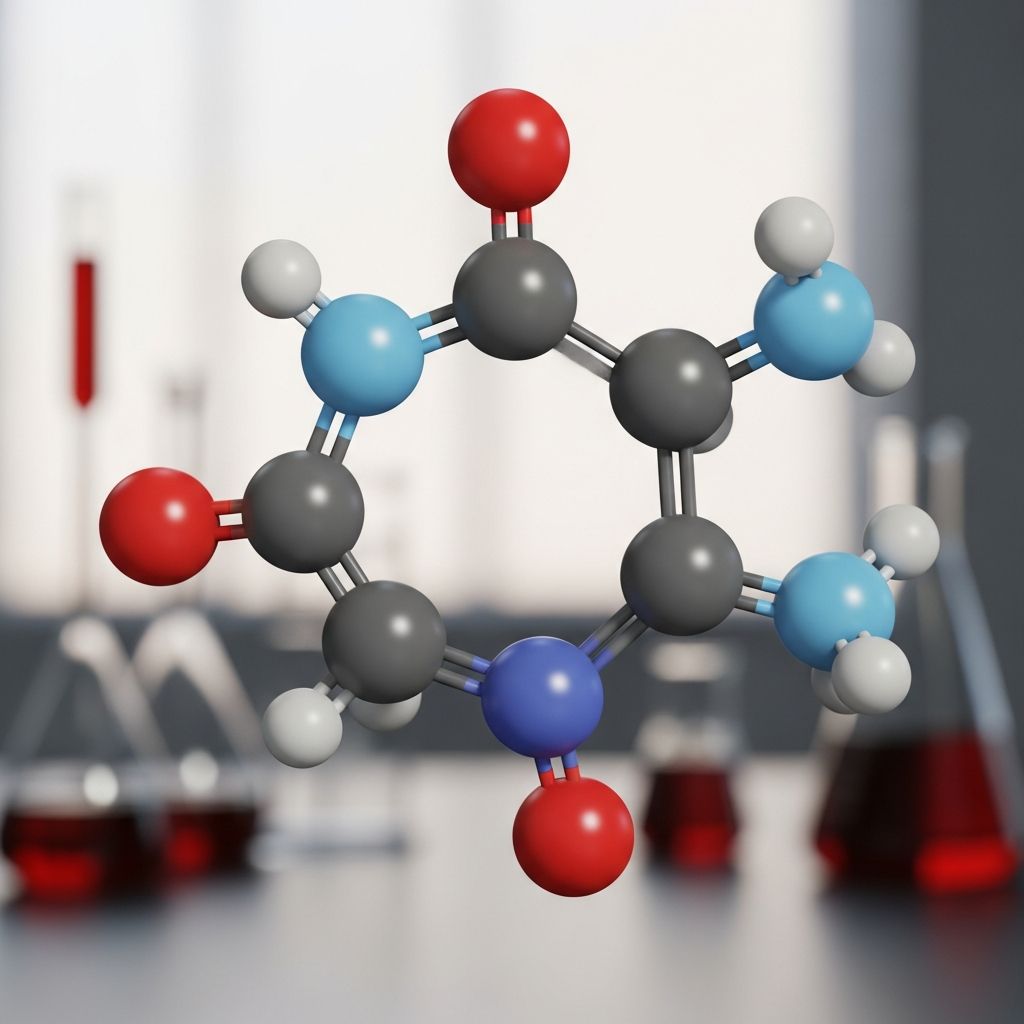
Roflumilast is a
phosphodiesterase-4 (PDE4) inhibitor
primarily used in topical formulations for treating inflammatory skin conditions such as plaque psoriasis and seborrheic dermatitis. Originally developed as an oral medication for chronic obstructive pulmonary disease (COPD), its topical versions have gained FDA approval for dermatological applications due to their targeted anti-inflammatory effects.What is roflumilast?
Roflumilast belongs to the class of selective PDE4 inhibitors, enzymes that regulate cyclic adenosine monophosphate (cAMP) levels in cells. By inhibiting PDE4, roflumilast increases intracellular cAMP, which suppresses the release of pro-inflammatory cytokines such as tumor necrosis factor-alpha (TNF-α), interleukin-17 (IL-17), and IL-23. This mechanism reduces inflammation in the skin without the systemic side effects associated with oral steroids or broad immunosuppressants.
In dermatology, roflumilast is available as a 0.3% cream for plaque psoriasis (approved for patients aged 12 years and older) and a 0.3% foam for seborrheic dermatitis (approved for patients aged 9 years and older). It is notably safe for sensitive areas like the face, intertriginous regions (skin folds), and scalp, where traditional corticosteroids may cause atrophy or irritation.
Compared to other PDE4 inhibitors like crisaborole or apremilast, roflumilast demonstrates over 300-fold greater potency in vitro, allowing for once-daily application due to its long half-life of approximately 4 days in topical form.
What is roflumilast used for?
Roflumilast has established and emerging indications in dermatology:
- Plaque psoriasis: FDA-approved 0.3% cream for mild to moderate plaque psoriasis affecting up to 20% body surface area (BSA), including trunk, extremities, and intertriginous areas.
- Seborrheic dermatitis: FDA-approved 0.3% foam for scalp, face, and trunk involvement in patients ≥9 years.
- Atopic dermatitis: Investigational 0.15% cream showed efficacy in phase III trials for adults and children.
- Other potential uses: Ongoing research for chronic hand eczema, scalp psoriasis, and other inflammatory dermatoses.
How does roflumilast work?
The therapeutic action of roflumilast stems from its high selectivity for PDE4, an enzyme overexpressed in inflammatory skin cells like keratinocytes, T-cells, and dendritic cells. Inhibition elevates cAMP, modulating immune responses:
- Reduces production of cytokines driving Th17/Th22 pathways in psoriasis (IL-17, IL-22).
- Decreases chemokine release, limiting immune cell recruitment to skin lesions.
- Balances innate and adaptive immunity without broad immunosuppression.
Topical delivery ensures high epidermal concentrations—significantly higher than oral forms—minimizing systemic absorption. Phase III data confirm its efficacy surpasses vehicle controls, with improvements in Investigator’s Global Assessment (IGA) scores and Psoriasis Area and Severity Index (PASI).
Clinical evidence
Robust clinical trials underpin roflumilast’s approvals and expanded uses.
Plaque psoriasis
A phase III trial (881 patients) demonstrated that daily 0.3% roflumilast cream achieved IGA 0/1 (clear/almost clear) in significantly more patients than vehicle after 8 weeks. Specifically, PASI-75 (75% improvement) rates were superior, with benefits in intertriginous psoriasis (I-IGA success).
Related Stories



Long-term data from a 52-week open-label study (NCT03764475) across 30 US/Canada centers involved two cohorts: prior trial completers and treatment-naïve adults (2-25% BSA involvement). Key results at week 52:
- 44.8% achieved IGA 0/1.
- 36.4% achieved IGA 0/1 with ≥2-point improvement from baseline.
- 37.6% maintained PASI-75.
- Median BSA reduction: 75%.
- 72.4% intertriginous success (I-IGA 0/1).
No tachyphylaxis (loss of response) occurred, supporting chronic use. Discontinuation rates were low due to efficacy or adverse events.
Seborrheic dermatitis
A phase II randomized, double-blind trial (226 adults) compared 0.3% foam to vehicle for 8 weeks. Roflumilast significantly reduced erythema, scaling, and itching, with higher IGA success rates (clear/almost clear). Tolerability was excellent, with no serious adverse events; common issues like contact dermatitis were similar to vehicle.
Approval followed for ages ≥9 years, addressing limitations of antifungals and corticosteroids.
Atopic dermatitis
2024 phase III trials of 0.15% cream in adults and children showed efficacy and good tolerability once daily. Arcutis is advancing 0.05% for infants 3-24 months.
Application
Dosing: Apply a thin layer to affected areas once daily. Treatment duration: 8 weeks initially for psoriasis; continue as needed for maintenance. Stop on cleared lesions; resume if recurrence.
- Cream (0.3%): Psoriasis on body, face, folds.
- Foam (0.3%): Scalp/face/trunk seborrheic dermatitis; part hair for scalp application.
Tips:
- Moisturize 3+ hours after application.
- Avoid eyes; wash hands post-use.
- Safe for long-term use without steroid-sparing concerns.
Side effects
Roflumilast is well-tolerated, with most adverse events (AEs) mild and application-site related (e.g., erythema, pruritus, stinging). Long-term trials report:
| Adverse Event | Incidence (52-week psoriasis trial) |
|---|---|
| Application-site pain | ~10-15% |
| Diarrhea/nausea (systemic, rare) | <5% |
| Contact dermatitis | Similar to vehicle |
| Serious AEs | 0% |
No skin atrophy, telangiectasia, or hypothalamic-pituitary-adrenal axis suppression, unlike topical steroids. Contraindications: Hypersensitivity. Use caution in moderate-severe hepatic impairment (oral form data).
Interactions and precautions
- Drug interactions: Minimal topically; CYP3A4 inhibitors may increase exposure (oral data).
- Pregnancy: Category not established; use if benefits outweigh risks.
- Children: Approved ≥12 years (psoriasis), ≥9 years (seborrheic dermatitis); investigational younger.
- Monitoring: No routine labs needed; assess response at 4-8 weeks.
Alternatives
| Treatment | Indications | Pros | Cons |
|---|---|---|---|
| Topical corticosteroids | Psoriasis, dermatitis | Rapid onset | Atrophy risk in folds/face |
| Calcipotriol | Psoriasis | Vitamin D analog | Irritation |
| Crisaborole 3% | Atopic dermatitis | PDE4 inhibitor | Less potent |
| Tapinarof/JAK inhibitors | Psoriasis | Non-steroidal | Newer, costlier |
Frequently asked questions
Q: Is roflumilast safe for the face and skin folds?
A: Yes, highly suitable due to low irritation potential; 72% intertriginous success in trials.
Q: How long until roflumilast works for psoriasis?
A: Improvements by week 2-4; full IGA success by week 8 in most.
Q: Can children use roflumilast?
A: Psoriasis ≥12 years (cream); seborrheic dermatitis ≥9 years (foam). Younger atopic dermatitis under study.
Q: Does roflumilast cause skin thinning?
A: No, as a non-steroidal agent; ideal for chronic use.
Q: What if roflumilast doesn’t work?
A: Combine with systemic therapies or switch; low discontinuation rates observed.
References
- Plaque Psoriasis: Long-Term Use of Once-Daily Roflumilast Effective, Well Tolerated — Dermatology Advisor. 2023. https://www.dermatologyadvisor.com/news/plaque-psoriasis-long-term-use-of-once-daily-roflumilast-effective-well-tolerated/
- Phase 2 Randomized Trial Supports Roflumilast as a Potential Treatment for Seborrheic Dermatitis — 2 Minute Medicine. 2023. https://www.2minutemedicine.com/phase-2-randomized-trial-supports-roflumilast-as-a-potential-treatment-for-seborrheic-dermatitis/
- Roflumilast in Dermatology: A Newer Phosphodiesterase-4 Inhibitor — PMC (PubMed Central). 2024. https://pmc.ncbi.nlm.nih.gov/articles/PMC11784981/
- Roflumilast: Uses, Application, and Side-effects — DermNet NZ. 2024. https://dermnetnz.org/topics/roflumilast
- Topical Roflumilast Cream — Arcutis Biotherapeutics (official pipeline). 2025. https://www.arcutis.com/pipeline/topical-roflumilast-cream/
- Roflumilast Therapeutic Cheat Sheet — Next Steps in Derm. 2024. https://nextstepsinderm.com/derm-topics/roflumilast-therapeutic-cheat-sheet/
Similar Articles








Read full bio of Sneha Tete