Rongoā Māori: 5 Core Practices For Healing And Wellness
Discover the holistic world of Rongoā Māori, blending plant medicines, bodywork, and spiritual practices for complete wellbeing.
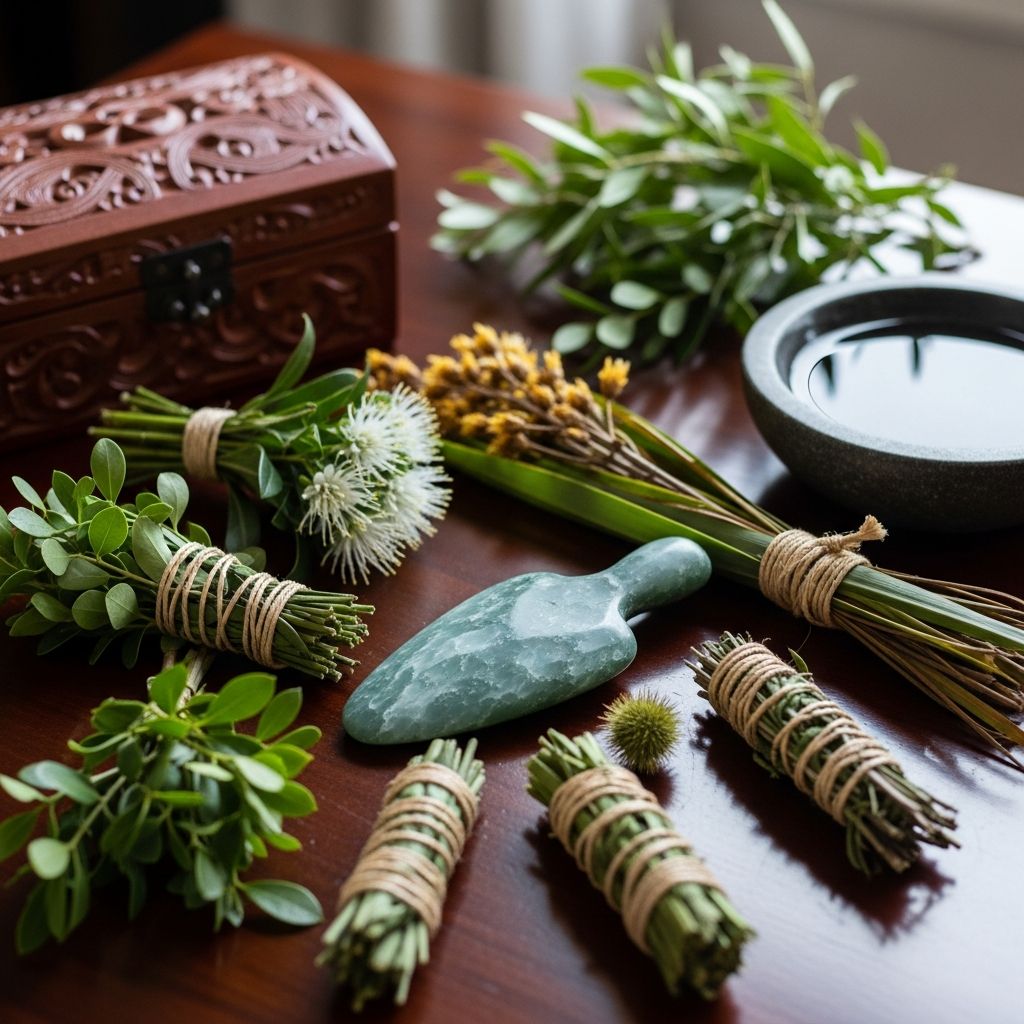
Rongoā Māori represents the ancient healing traditions of New Zealand’s Māori people, encompassing a comprehensive approach to health that addresses physical, emotional, mental, and spiritual dimensions. This system relies on native flora, hands-on therapies, and sacred rituals to promote harmony within individuals and their environment.
Foundations of Māori Healing Practices
At its core, Rongoā Māori views health as a state of equilibrium between the person, their community, the land (whenua), and spiritual forces. Unlike many modern medical models that focus primarily on symptoms, this tradition seeks to identify and correct underlying imbalances, often linked to breaches of tapu (sacred restrictions) or disharmony with nature.
Healing practitioners, known as tohunga rongoā, possess deep knowledge passed down orally through generations. They assess the whole person, considering factors like family dynamics, environmental influences, and spiritual wellbeing before prescribing treatments.
- Holistic Perspective: Illnesses are multi-layered, affecting physical body, emotional state, mental clarity, and spiritual essence.
- Connection to Nature: The forest (ngahere) serves as a vital source of remedies, symbolizing the life force of the land.
- Spiritual Foundation: All treatments begin with respect for ancestral knowledge and the mauri (life force) of plants and people.
Key Components of Rongoā Māori
Rongoā Māori integrates five primary categories of practice, each complementing the others for optimal results. These methods work synergistically, often starting with spiritual elements to prepare the body and spirit for physical interventions.
| Category | Description | Common Applications |
|---|---|---|
| Karakia and Ritenga | Incantations, prayers, and rituals | Invoking healing energies, removing spiritual blockages |
| Mirimiri and Romiromi | Massage and bodywork techniques | Relieving muscle tension, joint pain, expelling negative energies |
| Water-Based Therapies | Cleansing with natural springs or streams | Purifying body, treating infections, restoring vitality |
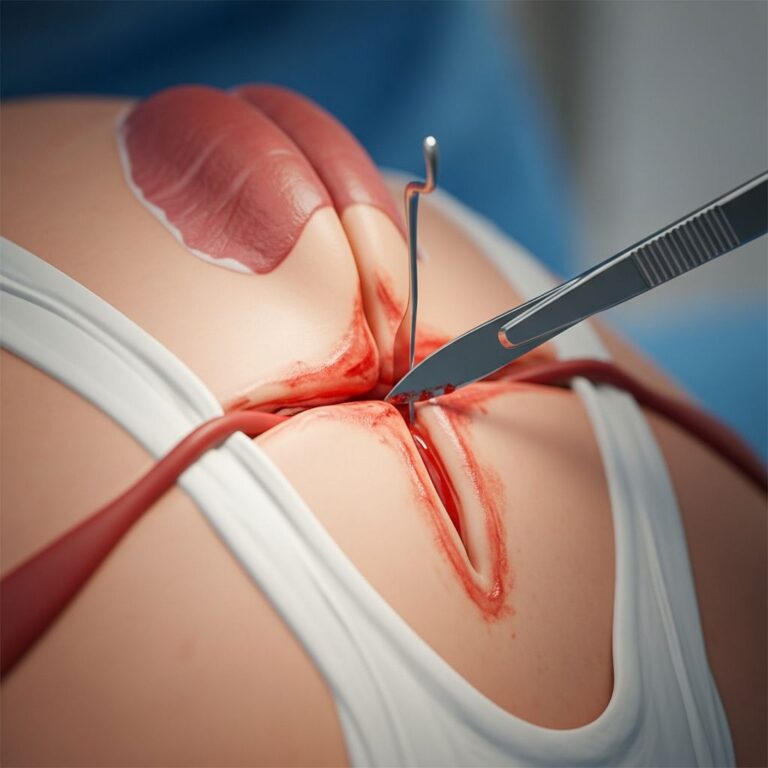
| Minor Surgical Methods | Bloodletting, incisions, drainage | Reducing swelling, draining abscesses |
| Rākau Rongoā | Plant-based medicines | Treating wounds, fevers, digestive issues, pain |
These elements ensure treatments are not isolated but part of a unified process, enhancing the body’s innate healing capacity.
Prominent Native Plants in Rongoā
Over 200 native species form the backbone of rākau rongoā, each harvested with protocols to honor their mauri. Plants are selected based on their properties, seasons, and locations, ensuring sustainability and efficacy.
- Harakeke (Flax): Versatile for skin issues; gel soothes burns and boils, leaves act as bandages, roots aid digestive and respiratory problems.
- Kawakawa (Māori Pepper Tree): Leaves heal cuts, reduce inflammation for arthritis and toothaches; steam baths relieve various ailments.
- Mānuka and Kānuka (Tea Trees): Leaf infusions combat fevers, coughs, urinary infections; ashes treat scalp conditions.
- Māhoe (Whiteywood): Bark for burns, leaf tea for rheumatism.
- Karamū (Coprosma): Leaf compresses for aches, shoots for kidney pain and colds.
Related Stories



Preparation methods include infusions, poultices, decoctions, and direct applications, always paired with karakia for potency.
Addressing Specific Health Concerns
Pain Management Through Rongoā
Rongoā excels in pain relief by targeting root causes, such as energy imbalances or spiritual disharmony. For joint and muscle pain, hot compresses from boiled tutu leaves or karamū are applied; mānuka infusions soothe bladder discomfort.
Respiratory and Digestive Remedies
Colds and coughs respond to mānuka leaf teas, while harakeke roots address stomach upsets. Toothaches are eased by chewing kawakawa leaves.
Skin and Wound Care
Wounds heal faster with flax bandages and kawakawa poultices; māhoe bark prevents infection in burns.
Spiritual Dimensions in Healing
The spiritual aspect is paramount, with mate atua (spirit-caused illnesses) treated by tohunga through diagnosis, exorcism, and restoration. Karakia activates the healing process, balancing tapu and noa (sacred and ordinary states).
Modern practitioners like those in Te Oo Mei Reia combine these with counseling to uncover pain’s origins, fostering emotional release.
Integration with Contemporary Healthcare
Today, Rongoā Māori complements Western medicine, supported by New Zealand’s Ministry of Health standards for tohunga. Research highlights synergies, such as plant compounds validating traditional uses.
Challenges include preserving oral knowledge amid urbanization, but initiatives like Ngā Tipu Whakaoranga database aid documentation.
Practitioner Training and Ethics
Tohunga undergo rigorous apprenticeships, learning plant identification, preparation safety, and self-care rituals. Ethical harvesting prevents depletion, emphasizing reciprocity with nature.
- Knowledge of toxicity risks in plants like tutu.
- Patient mana (prestige) upheld through respectful care.
- Collaboration with whānau (family) for holistic support.
Benefits and Evidence
Users report reduced pain, improved wellbeing, and cultural reconnection. Studies note anti-inflammatory effects in kawakawa and antibacterial properties in mānuka, bridging traditions.
Frequently Asked Questions (FAQs)
What is the difference between Rongoā Māori and Western medicine?
Rongoā focuses on holistic balance and spiritual causes, while Western medicine targets physical symptoms.
Is Rongoā Māori safe for everyone?
Yes, when administered by trained tohunga, but consult professionals for serious conditions.
Can non-Māori use Rongoā?
Absolutely; it’s accessible to all seeking traditional healing, respecting cultural protocols.
How do I find a qualified practitioner?
Seek registered tohunga via health organizations or iwi networks.
Are there scientific studies on Rongoā plants?
Yes, validating antimicrobial and anti-inflammatory benefits.
References
- Rongoā – medicinal use of plants — Te Ara Encyclopedia of New Zealand. 2012. https://teara.govt.nz/en/rongoa-medicinal-use-of-plants
- Analyzing Rongoā Māori and Western Science Interactions — University of Minnesota Conservancy. N/D. https://conservancy.umn.edu/bitstreams/2f2c26bc-5fc3-4988-8eb9-c9e1ad840975/download
- Ngā rākau rongoā Medicinal plants — Canopy.govt.nz. N/D. https://www.canopy.govt.nz/ngahere-maori/species/rongoa
- Traditional Māori Healing – Demystifying Rongoā Māori — bpac.org.nz. 2008-05-01. https://bpac.org.nz/bpj/2008/may/rongoa.aspx
- Rongoā Māori: A traditional healing choice for all — ACC.co.nz. N/D. https://www.acc.co.nz/newsroom/stories/rongoa-maori-a-traditional-healing-choice-for-all
- Rongoā Māori — Healthify.nz. N/D. https://healthify.nz/health-a-z/r/rongoa-maori
- Adapting Traditional Healing Values and Beliefs into Therapeutic Relationships — PMC (PubMed Central). 2022. https://pmc.ncbi.nlm.nih.gov/articles/PMC8744804/
Similar Articles








Read full bio of Sneha Tete