Rooibos Tea: 7 Health Benefits, Nutrition, And Brewing Tips
Discover the science-backed benefits of rooibos tea, from heart health to diabetes management and more.
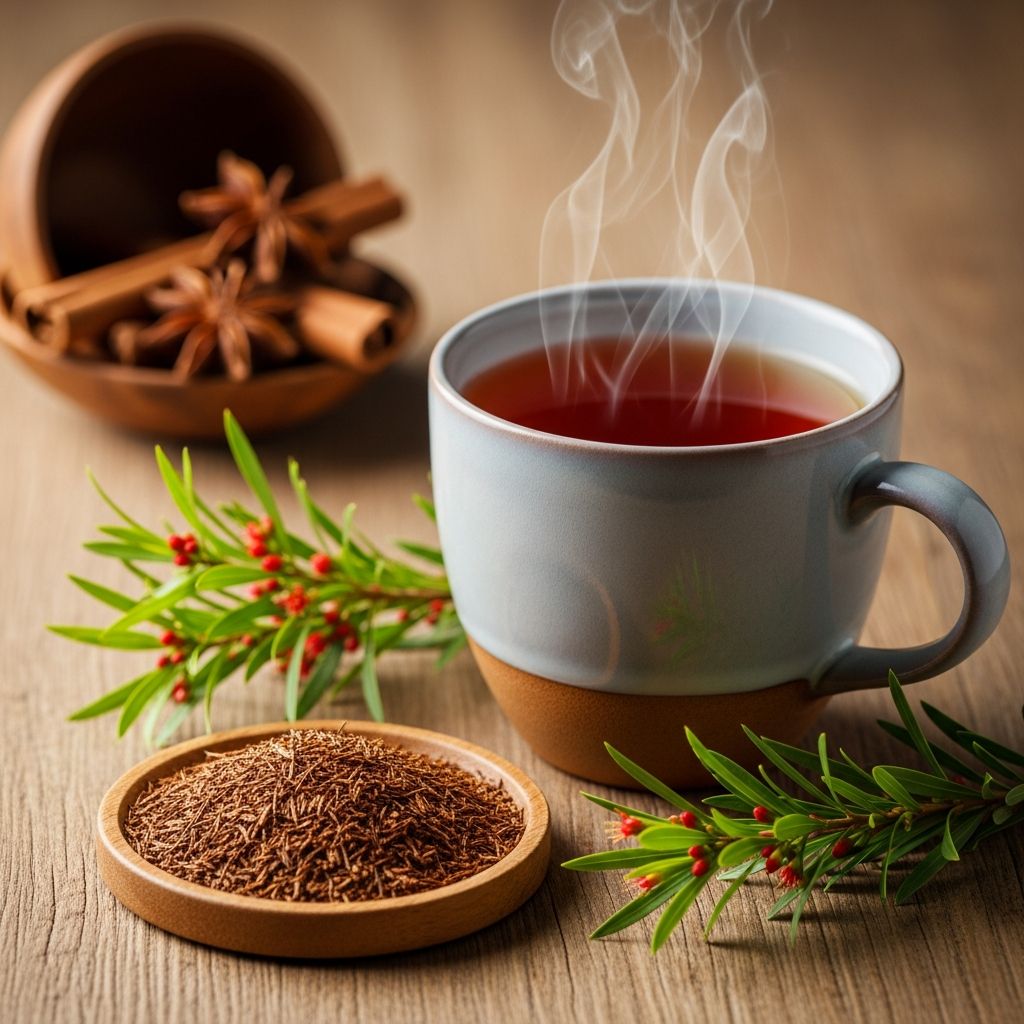
Rooibos tea, derived from the Aspalathus linearis shrub native to South Africa’s Cederberg region, is a naturally caffeine-free herbal infusion celebrated for its sweet, earthy flavor and potential health advantages. Unlike traditional black or green teas, rooibos undergoes fermentation to achieve its signature reddish hue, though unfermented green rooibos retains higher antioxidant levels. Emerging human studies highlight benefits like enhanced antioxidant status, improved lipid profiles, and blood glucose regulation, making it a compelling addition to wellness routines.
What Is Rooibos Tea?
Rooibos, pronounced ‘ROY-boss,’ is not a true tea but a tisane from the needle-like leaves of the Aspalathus linearis plant, endemic to South Africa. Harvested, cut, and fermented or left unfermented, it brews into a vibrant red (fermented) or greenish (unfermented) beverage with a naturally sweet, nutty taste free of bitterness. Low in tannins compared to black tea, it doesn’t hinder iron absorption significantly, as shown in a 2013 study where six cups daily for six weeks had no adverse effect on iron status. Its unique flavonoid profile, including aspalathin and nothofagin—exclusive to rooibos—contributes to its antioxidative prowess.
Traditionally used by indigenous Khoisan people for ailments like allergies and digestive issues, rooibos gained global popularity in the 1930s after South African botanist Benjamin Ginsberg promoted it as a caffeine-free alternative. Today, it’s enjoyed worldwide hot or iced, plain or flavored with honey, lemon, or milk.
Nutrition of Rooibos Tea
A typical 8-ounce cup of plain rooibos tea is virtually calorie-free (0-2 kcal), sugar-free, and fat-free, with trace minerals like iron (0.07 mg), calcium (1.2 mg), potassium (6.6 mg), copper (0.02 mg), zinc (0.02 mg), magnesium (1.4 mg), and fluoride (more than black tea). Its antioxidant content shines: fermented rooibos boasts flavonoids like quercetin, orientin, and isoorientin, while unfermented versions preserve heat-sensitive aspalathin. These compounds combat oxidative stress by neutralizing reactive oxygen species (ROS), potentially preventing chronic diseases. Human studies confirm acute intake boosts total radical-trapping antioxidant potential (TRAP) by up to 6.6%.
7 Health Benefits of Rooibos Tea
While much rooibos research involves animals or cells, human intervention trials provide promising, albeit limited, evidence. Here’s a breakdown of key benefits:
- Rich in Antioxidants: Rooibos elevates antioxidant levels in humans. Acute consumption of 500 ml fermented rooibos raised glutathione (GSH) by 6.24% at 45 minutes and TRAP by 6.6% after one hour. Chronic intake (1,200 ml/day for six weeks) reduced oxidative markers like conjugated dienes (34.9%) and TBARS (54%), enhancing GSH/GSSG ratios. These flavonoids inhibit ROS formation, protecting cells from damage linked to aging and disease.
- Supports Heart Health: Rooibos improves lipid profiles, lowering triglycerides (up to 97% acutely), LDL-cholesterol, and total cholesterol while raising HDL-cholesterol. It inhibits ACE activity (significant at 30-60 minutes), potentially aiding blood pressure control, though acute effects on BP were insignificant in youth. C-reactive protein (CRP) dropped 8% post-ingestion, signaling reduced inflammation.
- Helps Manage Blood Sugar: Both acute and chronic rooibos supplementation lowers serum glucose and enhances insulin sensitivity. Six cups daily (1,200 ml) significantly reduced glucose in healthy and at-risk individuals, mitigating diabetes risks like coronary disease and neuropathy.
- Caffeine-Free and Low-Tannin: Ideal for caffeine-sensitive individuals, rooibos avoids jitters, sleep disruption, or palpitations. Its low tannins preserve iron absorption from plant foods.
- Aids Weight Management: Calorie-free and potentially fat-metabolizing, rooibos may inhibit adipogenesis and promote lipolysis, supporting weight loss efforts per animal data, though human trials are needed.
- Potential Liver Protection: Antioxidants repair oxidative stress on the liver, with studies suggesting prevention of diabetes progression.
- Other Benefits: Preliminary reports note relief for allergies, colic, digestion, insomnia, and skin health, but lack robust human evidence. At high altitudes, rooibos extract reduced acute mountain sickness by 37.5%.
Does Rooibos Tea Have Caffeine?
No, rooibos is naturally caffeine-free, unlike black, green, or white teas (20-70 mg per cup). This makes it suitable for evening consumption, pregnancy, or those with anxiety/heart conditions, providing hydration without diuretic effects.
Possible Side Effects and Risks
Rooibos is generally safe; daily intake up to six cups shows no iron impact. However, those with estrogen-sensitive cancers (e.g., breast) should limit intake due to potential phytoestrogenic effects from animal studies—human data is inconclusive. Excessive consumption may lower liver enzymes or sodium/potassium in rats, but human trials report no adverse events. Kidney stone formers saw no TBARS or BP benefits from four cups daily. Consult a doctor if pregnant, breastfeeding, or on medications.
Related Stories



How to Make Rooibos Tea
Ingredients (1 serving): 1-2 tsp loose rooibos or 1 bag, 8 oz water.
- Boil water (full boil fine, unlike green tea).
- Steep 5-10 minutes for robust flavor.
- Strain/add-ins: honey, milk, lemon, ginger, cinnamon, or fruit.
For iced: Brew double-strength, chill, serve over ice. Honey-roasted flavor pairs with vanilla.
Bottom Line
Rooibos tea delivers a caffeine-free, antioxidant-packed profile with evidence for heart health, glucose control, and oxidation reduction in humans, though larger trials are needed. Enjoy 4-6 cups daily safely for potential wellness boosts.
Frequently Asked Questions (FAQs)
Is rooibos tea good for you?
Yes, human studies show it boosts antioxidants, improves lipids/glucose, and supports heart health without caffeine.
Is it better than green tea?
Rooibos lacks caffeine/tannins but has unique aspalathin; green tea offers catechins—choice depends on needs.
Can I drink rooibos tea every day?
Yes, up to six cups daily is safe per studies.
Does rooibos help with weight loss?
Calorie-free with potential fat-metabolism aid, but pair with diet/exercise.
Is rooibos acidic?
No, naturally low-acid, gentle on stomach.
Can kids drink rooibos?
Yes, caffeine-free and safe in moderation.
References
- The health benefits of rooibos tea in humans (Aspalathus linearis) — PMC/NCBI. 2023. https://pmc.ncbi.nlm.nih.gov/articles/PMC10774856/
- Rooibos tea: Benefits, nutrition, and how to drink it — Medical News Today. 2023-08-31. https://www.medicalnewstoday.com/articles/323637
- All About Rooibos Tea — Tea Forte. 2024. https://teaforte.com/blogs/tea-notes/all-about-rooibos-tea
Similar Articles








Read full bio of Sneha Tete