Room-Sharing with Your Baby: SIDS Prevention vs. Sleep Loss
Exploring the balance between SIDS prevention and parental sleep deprivation in infant care.
Room-Sharing with Your Baby: Balancing SIDS Prevention and Parental Sleep
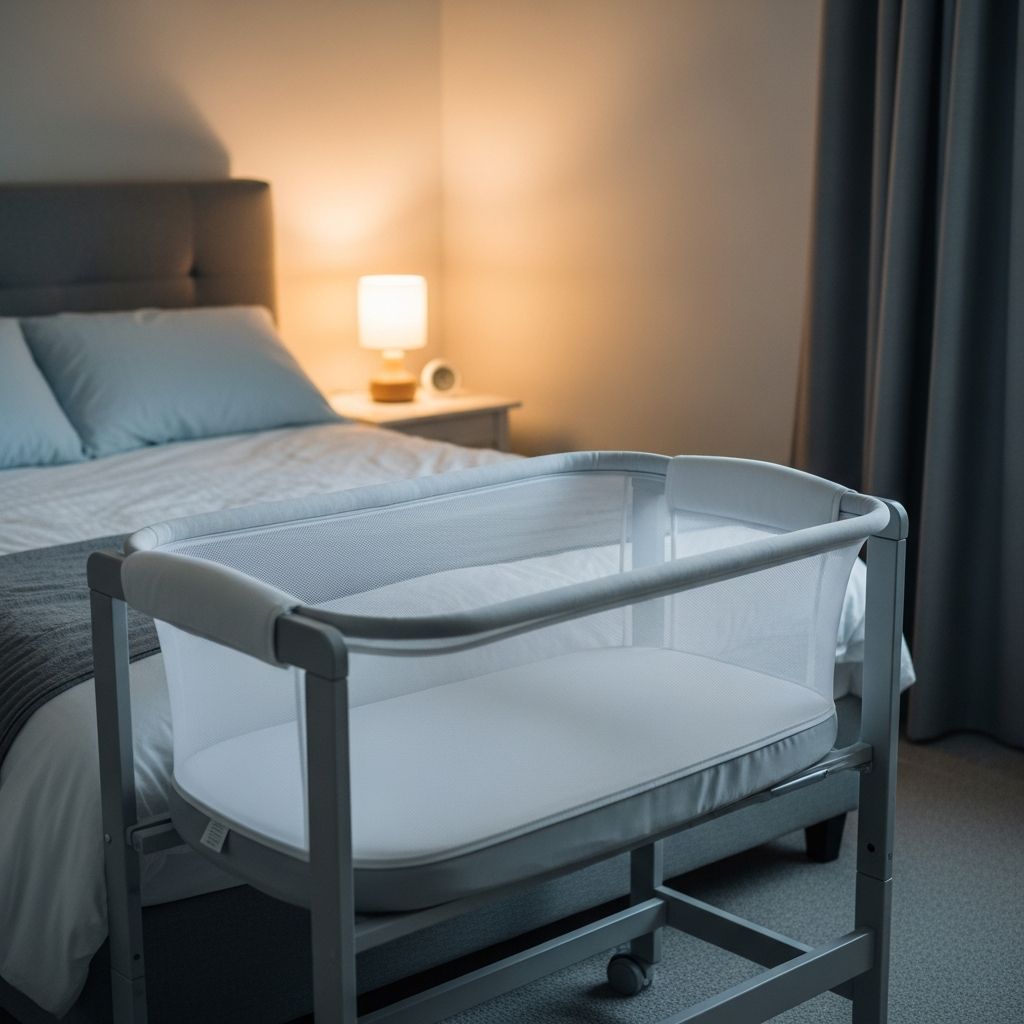
When it comes to infant sleep safety, few recommendations generate as much discussion among parents and healthcare providers as room-sharing. The American Academy of Pediatrics (AAP) strongly recommends that infants sleep in their parents’ room—on a separate, firm sleep surface such as a crib or bassinet—for at least the first six months of life, ideally extending through the first year. This recommendation is based on compelling evidence that room-sharing can reduce the risk of Sudden Infant Death Syndrome (SIDS) by as much as 50%, along with reducing other sleep-related infant deaths. However, this protective benefit comes with a significant trade-off: room-sharing often results in substantial sleep deprivation for both parents and infants, raising important questions about the overall well-being of the entire family unit.
Understanding SIDS and Why Room-Sharing Helps
Sudden Infant Death Syndrome remains one of the leading causes of death among infants between one month and one year of age in the United States. SIDS is characterized by the sudden, unexplained death of an infant during sleep, typically occurring without warning signs or symptoms. The exact mechanisms behind SIDS are not fully understood, but research suggests multiple contributing factors, including developmental immaturity of the infant’s respiratory and cardiovascular systems, sleep position, and environmental factors.
Room-sharing is thought to reduce SIDS risk through several mechanisms. First, when parents and infants share a room, both tend to sleep more lightly. This lighter sleep may allow infants to wake more easily if they experience breathing difficulties or other physiological stress. Second, room-sharing facilitates more frequent breastfeeding, and breastfeeding itself has been demonstrated to independently reduce SIDS risk. Third, parents who share a room with their infants are more likely to notice and respond to unsafe sleep conditions that could increase suffocation risk, such as blankets or pillows that may have migrated into the baby’s sleep space.
Recent research provides strong support for these protective effects. A 2022 study published in Pediatrics found that infants not sharing a room with a mother or caregiver had over 18 times increased risk of suffocation death and 7.6 times increased risk of unexplained death compared to those who room-shared. These findings represent some of the strongest evidence yet supporting the AAP’s room-sharing recommendations.
The Sleep Deprivation Paradox
While the SIDS prevention benefits of room-sharing are scientifically well-established, the impact on parental sleep is equally significant. When infants sleep in the parental bedroom, both parent and baby experience disrupted sleep patterns. Parents may wake more frequently at the sound of their baby’s movements, breathing, or vocalizations. Even infants who sleep soundly in their own rooms may be more wakeful when parents are in close proximity, creating a bidirectional sleep disruption.
The INSIGHT study examined this phenomenon in detail and found that while overall overnight sleep duration was similar between room-sharing and independent sleeping infants at four months of age, the longest single sleep period for infants sleeping independently was 46 minutes longer than for those room-sharing. This difference in consolidated sleep may seem small numerically, but the cumulative effect of fragmented sleep over weeks and months can be profound. Additionally, the study found that room-sharing parents were four times as likely to accidentally transition to bed-sharing overnight—a practice that carries higher SIDS risk—at both four and nine months of age.
Implications for Parental Health and Well-Being
The sleep deprivation associated with room-sharing extends beyond simple tiredness. Chronic sleep disruption in postpartum parents can have serious mental health consequences. Sleep disturbance is recognized as a significant risk factor for postpartum depression (PPD), a condition affecting up to 20% of new mothers and contributing substantially to maternal morbidity and reduced quality of life. For parents already at elevated risk for postpartum depression—whether due to personal history, family history, or other vulnerability factors—the additional sleep fragmentation associated with room-sharing may significantly increase their risk.
The tension between SIDS prevention and maternal mental health creates a genuine clinical dilemma. Healthcare providers increasingly recognize that while room-sharing recommendations are based on solid epidemiologic evidence, they do not fully account for individual circumstances, family dynamics, and the particular needs of parents at risk for postpartum depression. Some experts now recommend that women at high risk for PPD make deliberate efforts to protect their sleep, which may sometimes include choosing to have their infant sleep in a separate room after the immediate newborn period.
Current AAP Recommendations and Their Rationale
The AAP’s specific recommendation states that infants should sleep in the parents’ room, close to the parents’ bed but on a separate surface designed for infants, ideally for the first year of life, but at least for the first six months. This recommendation reflects several considerations:
- The peak risk for SIDS occurs between one and four months of age, with risk declining substantially after six months
- Case-control studies from England, New Zealand, and Scotland demonstrated that room-sharing decreases SIDS risk compared with solitary sleeping
- The protective effects of room-sharing are most pronounced in preventing accidental suffocation and unexplained deaths
- Room-sharing may facilitate more frequent breastfeeding, which independently reduces SIDS risk
The 2022 updated guidelines acknowledged emerging data suggesting that the primary safety benefits of room-sharing end after six months of age, bringing AAP recommendations more in line with guidance from Canada, the United Kingdom, the Netherlands, and New Zealand.
Comprehensive Safe Sleep Recommendations
Room-sharing should be viewed as one component of a comprehensive safe sleep strategy rather than the sole protective measure. The AAP recommends a multifaceted approach that includes:
- Back sleeping position for every sleep
- Firm, flat sleep surface (crib, bassinet, or play yard)
- Breastfeeding, if possible
- Pacifier use at nap time and bedtime
- Avoiding soft objects, loose bedding, bumper pads, and pillows in the sleep area
- Maintaining appropriate room temperature and avoiding overheating
- Avoiding exposure to tobacco, alcohol, and illicit drugs during pregnancy and after birth
- Routine infant immunizations
- Supervised, awake tummy time to promote development
- Considering home visitation programs in high-risk populations
These recommendations work synergistically to create an environment that minimizes SIDS risk while promoting healthy infant development.
Navigating the Room-Sharing Decision
For families considering room-sharing arrangements, the decision should involve thoughtful discussion with healthcare providers about individual risk factors and family circumstances. Questions to consider include:
- Is there a personal or family history of postpartum depression?
- How has sleep deprivation affected mood or well-being in the past?
- What is the family’s cultural context and preferences regarding infant sleep?
- Are there practical constraints related to home size or family composition?
- How does each parent feel about the room-sharing arrangement?
- Are there other SIDS risk factors present that would make room-sharing particularly important?
Research indicates that if room-sharing is working well for a family, there is no reason to discontinue it. Long-term follow-up studies of children who room-shared during infancy show no adverse effects on sleep, behavior, or development in later childhood. Some studies even suggest improvements in pro-social behaviors, though these findings require replication in larger samples.
Alternative Perspectives and Ongoing Debate
Not all researchers uniformly support indefinite room-sharing through the first year of life. The INSIGHT study suggests that AAP recommendations for room-sharing through age one may not be supported by current data and could lead to unintended consequences including increased accidental bed-sharing and poorer sleep consolidation in older infants. These researchers argue that the epidemiology of SIDS, which peaks in the two- to four-month period and declines significantly after six months, does not support universal room-sharing recommendations through 12 months of age.
This ongoing scientific debate reflects the complexity of balancing competing health risks: the genuine SIDS risk in early infancy against the documented mental health impacts of parental sleep deprivation. Rather than a one-size-fits-all approach, many pediatric sleep medicine specialists now advocate for individualized decision-making that considers family circumstances, baseline SIDS risk factors, and parental well-being.
Frequently Asked Questions
Q: How much does room-sharing actually reduce SIDS risk?
A: Research indicates that room-sharing without bed-sharing can reduce the risk of SIDS by as much as 50%. A 2022 study found that infants not sharing a room with a caregiver had over 18 times increased risk of suffocation death and 7.6 times increased risk of unexplained death.
Q: For how long should infants room-share with parents?
A: The AAP recommends room-sharing for at least the first six months, ideally through the first year. However, updated 2022 guidelines recognize that the primary safety benefits are greatest in the first six months, particularly during the peak SIDS risk period of one to four months.
Q: Can room-sharing increase the risk of accidental bed-sharing?
A: Yes. Studies show that parents who room-share are significantly more likely to accidentally transition to bed-sharing overnight, which carries higher SIDS risk than either room-sharing or independent sleeping. This risk can be mitigated by having a separate, easily accessible firm sleep surface for the infant.
Q: Is room-sharing safe if parents use substances like alcohol?
A: No. Room-sharing does not compensate for substance use, which significantly increases SIDS risk. Parents should avoid alcohol and illicit drugs, both during pregnancy and after birth, particularly if bed-sharing occurs or if impaired judgment affects safety awareness.
Q: What should I do if room-sharing is affecting my mental health?
A: Discuss your concerns with your healthcare provider. If you have risk factors for postpartum depression or are experiencing sleep deprivation impacts on mood or well-being, your provider may recommend strategies to protect your sleep while still maintaining safe infant sleep practices.
Q: Are there any long-term developmental effects of room-sharing in infancy?
A: Research suggests no adverse long-term effects. Studies of children who room-shared during infancy show no negative impacts on sleep patterns, behavior, or development in later childhood, and some studies even suggest improvements in pro-social behaviors.
References
- Is Room Sharing in Infancy Necessary for Safe Sleep in 2024? — Dr. Craig Canapari. Accessed December 1, 2025. https://drcraigcanapari.com/is-room-sharing-infancy-necessary-for-safe-sleep/
- New Study Questions Prolonged Room-Sharing for Infants — Center for Women’s Mental Health, Massachusetts General Hospital. 2024. https://womensmentalhealth.org/posts/new-study-questions-prolonged-room-sharing-infants/
- Evidence Base for 2022 Updated Recommendations for a Safe Infant Sleeping Environment — American Academy of Pediatrics. Pediatrics, 2022. https://publications.aap.org/pediatrics/article/150/1/e2022057991/188305/Evidence-Base-for-2022-Updated-Recommendations-for
Similar Articles








Read full bio of Sneha Tete