Root Canal: 6 Reasons, Steps, And Recovery Guide
Complete guide to root canal therapy: understanding the procedure, recovery, and benefits of saving your tooth.
Root Canal: Procedure & Recovery
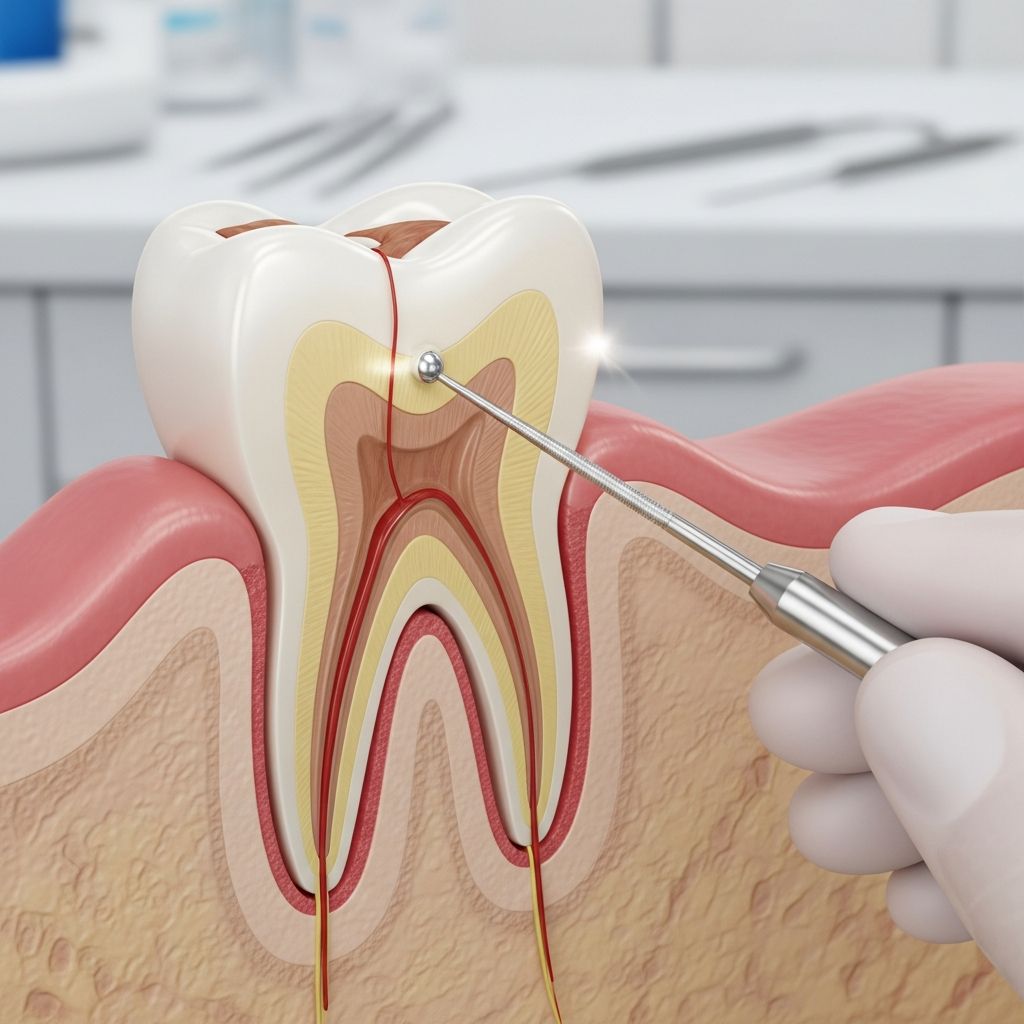
A root canal, formally known as endodontic therapy, is a dental procedure designed to treat infections and damage within the pulp of your tooth. The pulp is the innermost layer of your tooth that contains blood vessels, nerves, and connective tissue. When this vital tissue becomes infected or severely damaged, a root canal procedure can eliminate the problem, relieve pain, and save your natural tooth from extraction. Understanding what a root canal involves, how the procedure works, and what to expect during recovery can help ease concerns and prepare you for treatment.
Understanding Tooth Pulp and Why Root Canals Are Necessary
The tooth pulp serves an important function during tooth development and growth. Once a tooth is fully mature, the pulp is no longer vital to the tooth’s health, as the tooth continues to be nourished by surrounding tissues. When the pulp becomes infected or inflamed, root canal therapy becomes necessary to preserve the tooth and prevent serious complications.
Root canal procedures are performed to save teeth that would otherwise be lost. Approximately 15 million root canal treatments are performed annually in the United States by endodontists and general dentists, making it one of the most common dental procedures. The procedure aims to eliminate bacteria, prevent reinfection, and maintain your natural tooth’s structural integrity.
Common Reasons You Might Need a Root Canal
Several conditions can lead to the need for root canal therapy. Understanding these reasons can help you recognize when to seek treatment:
- Deep decay that has penetrated the tooth structure
- Repeated dental procedures on the same tooth
- Faulty crowns or fillings that allow bacteria to enter
- Cracks or chips in the tooth that expose the pulp
- Trauma or injury to the tooth, even if the tooth is not visibly cracked
- Severe wear on the tooth structure
Symptoms That May Indicate You Need a Root Canal
While some dental problems develop without obvious symptoms, several warning signs may indicate that root canal treatment is necessary:
- Severe toothache pain when chewing or applying pressure
- Prolonged sensitivity to hot or cold temperatures
- Discoloration or darkening of the tooth
- Swelling and tenderness in nearby gums
- A small, pimple-like bump on the gums near the affected tooth
- Persistent or recurring pimples on the gums
If you experience any of these symptoms, it’s important to contact your dentist as soon as possible. Early diagnosis and treatment can prevent the infection from spreading to surrounding teeth and other areas of the mouth.
The Root Canal Procedure: Step-by-Step
Understanding what happens during a root canal procedure can help reduce anxiety and prepare you for treatment. The process involves several carefully planned steps to ensure the infected or damaged pulp is completely removed and the tooth is properly sealed.
Step 1: Diagnosis and Imaging
Your dentist will begin by taking X-rays to examine the tooth and surrounding bone structure. These images help determine the extent of infection or damage and guide the treatment plan. The dentist will also perform a physical examination to assess your symptoms and confirm that root canal therapy is the appropriate treatment option.
Related Stories



Step 2: Local Anesthesia
Before the procedure begins, local anesthesia is applied to the affected area to numb the tooth and surrounding tissues. This ensures that you remain comfortable and pain-free throughout the entire procedure. Modern dental anesthetics are highly effective and work quickly to provide complete numbness.
Step 3: Isolation and Access
To keep your tooth dry and prevent bacteria-filled saliva from entering the tooth, your dentist will place a rubber dam around the tooth. This isolation is crucial for the success of the procedure. The dentist then creates a small opening in the crown of the tooth to access the pulp chamber and root canals.
Step 4: Pulp Removal and Canal Cleaning
Using specialized instruments, your dentist carefully removes the infected or damaged pulp tissue from the pulp chamber and root canals. The canals are then cleaned, shaped, and disinfected to remove all bacteria and prevent future infection. This step eliminates the source of pain and inflammation.
Step 5: Filling the Root Canals
Once the root canals are thoroughly cleaned and shaped, they are filled with a biocompatible material called gutta-percha. This rubber-like substance seals the canals and prevents bacteria from re-entering the tooth. An adhesive cement is typically used to ensure complete sealing of the space.
Step 6: Restoration
After the root canals are filled, the access opening in the crown of the tooth is sealed with a natural-looking dental filling. In many cases, a crown is recommended to restore full function and protect the tooth from future damage. The crown provides strength and durability to the treated tooth.
Duration of Root Canal Treatment
The length of a root canal procedure varies depending on the complexity of your case and the number of roots involved. Most root canal treatments take between 60 to 90 minutes to complete. However, some cases may require more than one visit, especially if additional treatment is necessary or if multiple root canals are involved. Your dentist will discuss the expected timeline during your consultation.
| Treatment Stage | Typical Duration |
|---|---|
| Initial Consultation and Diagnosis | 20-30 minutes |
| Main Root Canal Procedure | 60-90 minutes |
| Follow-up Visit (if needed) | 30-60 minutes |
Managing Pain During Root Canal Treatment
Many patients worry about pain during root canal treatment, but modern techniques and anesthetics have made the procedure comfortable. Local anesthesia is administered before treatment begins, ensuring that you do not feel pain during the procedure. You may feel pressure or vibration from the instruments, but this should not be painful. If you experience any discomfort, inform your dentist immediately so that additional anesthesia can be applied.
What to Expect After Your Root Canal
After your root canal procedure, you may experience some sensitivity or mild discomfort for a few days. This is completely normal and typically subsides quickly. Over-the-counter pain medications such as ibuprofen or acetaminophen are usually sufficient to manage any post-treatment discomfort.
Recovery Timeline
Most patients can return to normal activities immediately after root canal treatment. However, avoid chewing on the treated tooth until it has been fully restored with a crown or permanent filling. Temporary restorations can be sensitive to pressure.
Care Instructions for Recovery
- Take prescribed antibiotics as directed to eliminate any remaining bacteria
- Use over-the-counter pain relievers as needed for discomfort
- Avoid hard, sticky, or chewy foods for at least one week
- Continue regular brushing and flossing, but be gentle around the treated tooth
- Avoid strenuous exercise for 24-48 hours
- Do not consume very hot or cold foods and beverages
- Watch for signs of complications and contact your dentist if problems develop
Benefits of Root Canal Treatment
Root canal therapy offers significant advantages for patients with infected or damaged teeth. The primary benefits include:
Pain Relief
One of the most immediate benefits of root canal treatment is elimination of tooth pain. By removing the infected or damaged pulp, the source of pain is eliminated. Many patients experience instant relief from symptoms after the procedure.
Preserving Your Natural Tooth
Root canal treatment allows you to keep your natural tooth rather than having it extracted. Natural teeth function and look better than missing teeth or replacement teeth. They are also better for sustaining your long-term oral health. Saving your natural tooth avoids the costly and time-consuming process of tooth extraction and replacement.
Preventing Further Complications
By treating an infected tooth promptly, root canal therapy prevents the infection from spreading to surrounding teeth and other areas of the mouth. If left untreated, a severely infected tooth can develop into a serious and potentially life-threatening infection that spreads to other parts of your body.
Restoring Tooth Function
After root canal treatment, your tooth can typically be restored with a crown or filling, ensuring that it functions properly in your bite and allows you to eat, chew, and speak normally.
Importance of Crown Placement After Root Canal
After root canal treatment, it is important to place a crown on the treated tooth as soon as possible. Research indicates that teeth that received a crown within four months after root canal treatment were significantly less likely to require extraction compared with teeth that did not receive a crown. The crown provides structural support and protection to the treated tooth, extending its longevity.
Prevention: Avoiding Future Root Canals
While root canal treatment is highly successful, prevention is always preferable. To reduce your risk of needing root canal therapy, follow these preventive measures:
- Practice excellent oral hygiene by brushing twice daily and flossing daily
- Wear a mouthguard during sports and physical activities
- Avoid chewing on hard objects such as ice, hard candy, or pen caps
- Do not use your teeth as tools
- Seek prompt treatment for cavities and tooth damage
- Visit your dentist regularly for professional cleanings and checkups
- Maintain a diet low in sugary foods and beverages
When to Contact Your Dentist
You should contact your dentist if you experience any of the following after root canal treatment:
- Severe pain that does not improve with medication
- Swelling in the face, jaw, or neck
- Difficulty swallowing or breathing
- Signs of allergic reaction to medications
- Fever or chills
- The temporary filling comes out or is damaged
- Symptoms that do not improve within a few days
Frequently Asked Questions About Root Canals
Q: Is a root canal procedure painful?
A: No, root canal treatment is not painful. Local anesthesia is administered before the procedure to numb the tooth and surrounding tissues. You may feel pressure or vibration, but you should not experience pain. In fact, the procedure eliminates the pain caused by the infected tooth.
Q: How long does a root canal procedure take?
A: Most root canal procedures take between 60 to 90 minutes to complete. Some complex cases may require additional appointments, but this is typically discussed with you beforehand.
Q: What is the success rate of root canal treatment?
A: Root canal treatment has a very high success rate, with studies showing success rates between 85 to 95 percent. The success of the procedure depends on various factors, including the complexity of the case, the patient’s oral hygiene, and whether the tooth is properly restored with a crown.
Q: Can a tooth that has had a root canal become infected again?
A: While root canal treatment removes the infected pulp, a tooth can become infected again if bacteria enter through a crack in the crown or filling, or if the seal is compromised. This is why placing a crown soon after root canal treatment is important to protect the tooth.
Q: How much does a root canal cost?
A: The cost of root canal treatment varies depending on the tooth’s location and the complexity of the case. Generally, root canal therapy is less expensive than having the tooth extracted and replaced with a bridge or implant. Most dental insurance plans cover a portion of root canal treatment costs.
Q: Can I return to work or normal activities after a root canal?
A: Yes, most patients can return to normal activities immediately after root canal treatment. However, avoid chewing on the treated tooth until it has been fully restored with a crown or permanent filling.
Q: What should I eat after a root canal?
A: After your root canal, stick to soft foods for the first few days. Avoid hard, sticky, or chewy foods that could damage the temporary filling or restored tooth. Also avoid very hot or cold foods and beverages that may cause sensitivity.
Conclusion
Root canal treatment is an essential and highly effective dental procedure designed to save your natural tooth, relieve pain, and restore your dental function. By eliminating infection and damaged tissue, endodontic therapy allows you to preserve your tooth and avoid the complications associated with tooth loss. If you are experiencing symptoms that may indicate you need a root canal, it is important to seek professional dental care promptly. Early treatment can prevent the infection from worsening and spreading to other areas of your mouth. With modern techniques and effective anesthesia, root canal treatment is no longer something to fear. By understanding the procedure and what to expect, you can approach your treatment with confidence and achieve a successful outcome that preserves your natural smile.
References
- Root Canal: Procedure & Recovery — Cleveland Clinic. 2024. https://my.clevelandclinic.org/health/treatments/21759-root-canal
- What is an Endodontist? — Cleveland Clinic. 2024. https://my.clevelandclinic.org/health/articles/16959-endodontics
- Periapical Abscess: Symptoms, Diagnosis & Treatment — Cleveland Clinic. 2024. https://my.clevelandclinic.org/health/diseases/24896-periapical-abscess
- Root Canal Treatment: Procedure, Benefits, Cost, and Recovery — Cottonwood Dental. December 19, 2024. https://www.cottonwooddentalutah.com/root-canal-treatment-benefits-cost-recovery/
- Its Influence on the Survival of Endodontically Treated Teeth — PubMed. 2016. https://pubmed.ncbi.nlm.nih.gov/27625148/
- Dental Drugs & Medications: Types & Uses — Cleveland Clinic. 2024. https://my.clevelandclinic.org/health/articles/10909-medications-used-in-dentistry
Similar Articles








Read full bio of Sneha Tete