Rosacea: Clinical Management and Treatment Guide
Comprehensive guide to understanding and managing rosacea with evidence-based treatment approaches.
Rosacea: Understanding a Chronic Inflammatory Skin Condition
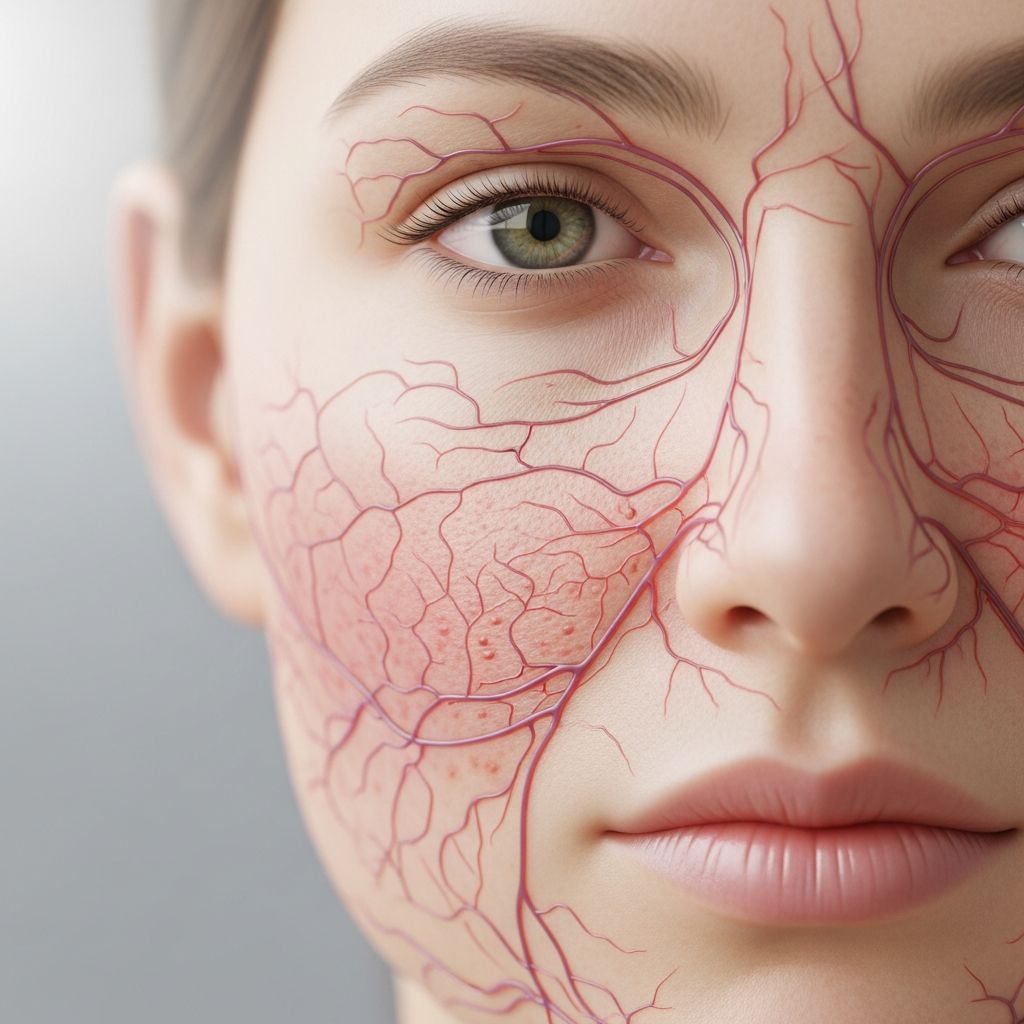
Rosacea is a common chronic inflammatory skin condition characterized by mid-facial erythema, inflammatory papules, and superficial pustules that predominantly affects the central face, particularly the cheeks, nose, chin, and forehead. This condition most often begins between the ages of 30 and 60 years and is diagnosed more frequently in fair-skinned patients of Celtic and Northern European descent. Unlike acne vulgaris, rosacea distinctly lacks comedones, cysts, or nodules, which is an important clinical differentiator. The condition is often transient, recurrent, or persistent in nature, and while there is no permanent cure, symptoms can be effectively managed with appropriate lifestyle measures, medical interventions, and procedural treatments.
Clinical Presentation and Cutaneous Features
The clinical presentation of rosacea varies among individuals, but the core features remain consistent. The characteristic appearance includes transient recurrent erythema, commonly referred to as flushing, along with inflammatory papules and pustules. A distinctive feature is the potential for phymatous changes, where the fleshy part of the nose may slowly enlarge with prominent pores and fibrous thickening, a condition known as rhinophyma. This thickening can also affect other facial areas including the cheeks, earlobes, forehead, and eyelids.
Beyond cutaneous manifestations, rosacea can induce facial lymphoedema, also termed Morbihan disease, which produces redness and swelling of the face and lids. Facial tenderness and burning pain accompanied by redness and flushing characterize neurogenic rosacea, which is considered a rare variant of the condition. Additionally, ocular involvement affects over 50% of patients with rosacea, making non-cutaneous ocular features a significant clinical consideration.
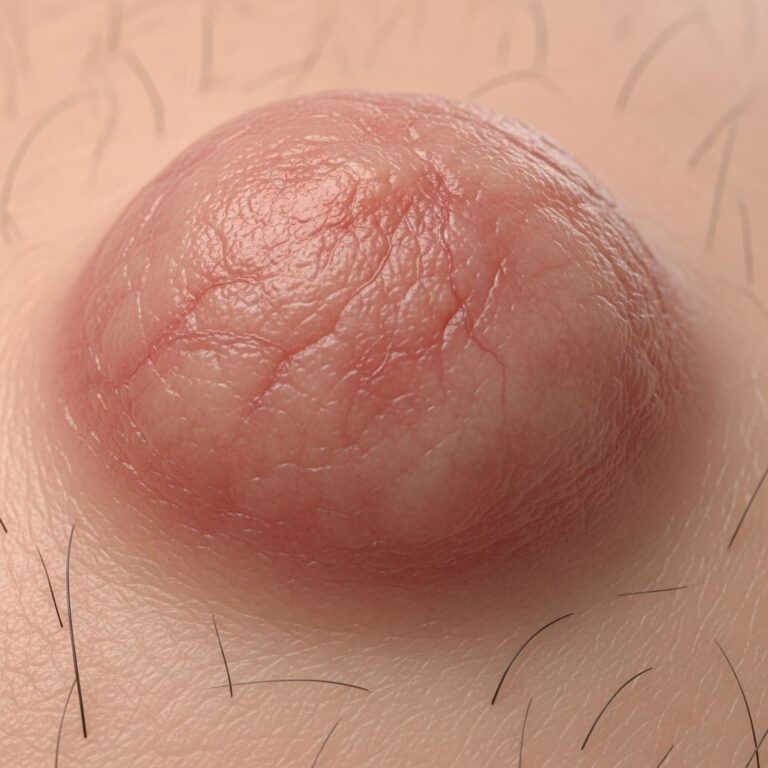
The fleshy appearance and texture changes associated with advanced rosacea, particularly rhinophyma, occur due to overgrowth of tissue around the nose, creating a bigger and bumpy texture especially around the nasal tip. This presentation is more commonly observed in males and represents one of the most visible and distressing manifestations of the condition.
Pathophysiology and Underlying Mechanisms
Rosacea’s pathophysiology is complex and multifactorial, involving several interconnected mechanisms. The fundamental underlying features are inflammation and vascular reactivity, which lead to erythema and papulopustules. Current evidence supports neurovascular dysregulation and altered immune response as integral components of vasodilatory reactivity and neurogenic symptoms such as stinging and burning.
The innate immune system plays a crucial role in rosacea development. An augmented innate immune response involves increased toll-like receptor 2 (TLR2), cathelicidin precursors and peptides, and kallikrein-5, all of which are pattern recognition receptors expressed in the skin of patients with rosacea but not in unaffected individuals. Abnormal TLR2 function may explain the enhanced inflammatory responses to environmental stimuli observed in rosacea patients.
Vascular changes contribute significantly to the clinical manifestations. These include increased vascular endothelial growth factor, increased mast cells, and downstream effects of LL-37, all promoting skin hypervascularity and inflammation. Neurovascular dysregulation causes vasodilation and neurosensory symptoms, while increased immunologic response to triggers activates both acute and chronic inflammatory responses.
The dermal matrix undergoes significant alterations in rosacea, with increased reactive oxygen species and matrix metalloproteinases (MMPs), along with a decrease in antioxidant reserve. High levels of MMPs, such as collagenase and elastase, contribute to inflammation and the thickened, harder skin characteristic of advanced rosacea. Additionally, stratum corneum barrier dysfunction and increased cytokines contribute to rosacea dermatitis.
Related Stories



The Four Subtypes of Rosacea
Rosacea is classified into four distinct subtypes, each with characteristic features and potentially requiring different treatment approaches:
- Erythematotelangiectatic rosacea: Characterized by transient or persistent central facial flushing and visible telangiectasia, representing the vascular predominant form
- Papulopustular rosacea: Features persistent central facial erythema with inflammatory papules and pustules, often resembling acne but without comedones
- Phymatous rosacea: Involves thickened skin and irregular surface nodules, with rhinophyma (nasal involvement) being the most prevalent feature, though changes can occur on the chin, forehead, cheeks, and ears
- Ocular rosacea: Affects the eyes and surrounding tissues, potentially causing significant discomfort and visual complications
Phymatous rosacea is often seen in combination with erythematotelangiectatic and papulopustular rosacea subtypes, indicating that overlap between categories frequently occurs.
The Role of Microorganisms in Rosacea
Microorganisms have long been suspected in rosacea’s pathogenesis. Current evidence suggests that while microbial organisms are not mandatory for rosacea development, their presence and proliferation significantly influence disease progression. Demodex folliculorum, the hair follicle mite, is particularly implicated in rosacea pathogenesis. Studies reveal that the important factor is not merely the presence of Demodex, as this organism is also found in unaffected skin, but rather the magnitude of the infestation.
People with rosacea have increased counts of Staphylococcus epidermidis and Demodex folliculorum, organisms that stimulate skin pathogen receptors and increase inflammation. Bacillus oleronius has also been linked to rosacea, likely through increased inflammatory cytokine production. Additionally, Helicobacter pylori may be associated with rosacea development, as there is a high prevalence of this bacterium in the gastrointestinal tract of rosacea patients. H. pylori can increase levels of nitrous oxide in the blood or tissues, potentially contributing to erythema.
When pustules are present, unroofing followed by microscopy of purulent material often shows numerous Demodex mites, supporting their role in certain presentations.
Environmental Triggers and Aggravating Factors
Rosacea symptoms are often aggravated by multiple environmental and personal factors. With a hyperreactive immune system as background, environmental triggers can incite an exaggerated immune response, triggering the innate immune system and inducing a signaling cascade of inflammatory factors that lead to chronic inflammation and altered vascular state.
Ultraviolet (UV) radiation significantly worsens rosacea symptoms due to its pro-inflammatory effect on skin. UVA light causes collagen denaturation and activates the inflammatory cascade, while UVB light increases the expression of fibroblast and vascular growth factors, which promote skin hypervascularity.
People with rosacea often have dry, flaky, sensitive skin that may burn or sting when exposed to facial products, including sunscreen and other cosmetic preparations. This increased skin sensitivity necessitates careful product selection and avoidance of obvious irritants, though avoidance alone is rarely sufficient for complete symptom control.
Diagnostic Approach and Clinical Evaluation
Diagnosis of rosacea is primarily clinical, based on characteristic facial appearance and patient history. The presence of mid-facial erythema combined with inflammatory papules and pustules, particularly in the absence of comedones, strongly suggests rosacea over acne vulgaris. Careful evaluation of secondary features such as burning or stinging sensations, plaques, dry appearance, edema, ocular manifestations, peripheral location, and phymatous changes aids in classification and severity assessment.
Secondary features may occur but are not necessary for diagnosis, allowing for variability in clinical presentation among patients. The chronic nature of the condition, combined with its relapsing course, distinguishes it from other facial inflammatory conditions and influences long-term management strategies.
Management Strategies and Therapeutic Approaches
Although there is no cure for rosacea, symptoms can be effectively managed through a multifaceted approach combining lifestyle modifications, topical treatments, oral medications, and procedural interventions. All patients with rosacea should receive education on general skincare and lifestyle measures as foundational therapy.
Existing treatments for rosacea can be very effective; however, they often target only one feature of the disease. This means that a combination of therapies is frequently required when patients present with multiple features or in cases of severe rosacea.
Topical Treatments
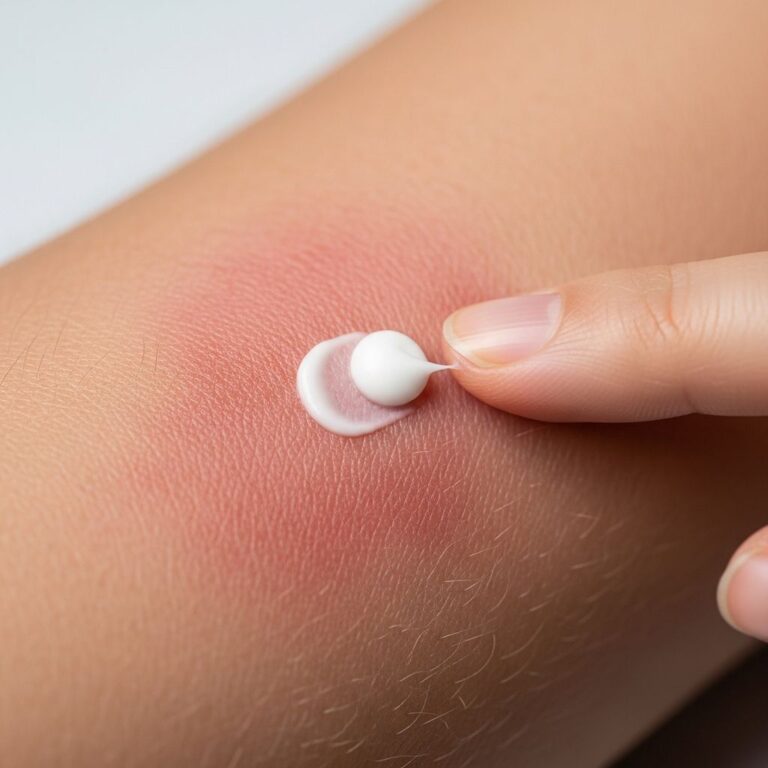
Metronidazole is a first-line topical treatment for rosacea, with effectiveness due to its anti-inflammatory properties rather than antimicrobial effects. Topical metronidazole may be used intermittently, long-term, or in combination with oral treatments for more severe cases. The standard application involves applying metronidazole widely to affected areas of skin twice daily for three to four months.
Azelaic acid represents an alternative topical option, available over-the-counter as a 20% cream or lotion. Prescribing topical azelaic acid in preference to topical metronidazole may have the benefit of not contributing to antimicrobial resistance. Applied once or twice daily for three to four months, azelaic acid demonstrates impressive efficacy, with as many as 70–80% of patients with rosacea experiencing some degree of symptom improvement three to six weeks after starting treatment. Adverse effects associated with topical azelaic acid may include mild burning, stinging, or irritation.
Topical corticosteroids are not appropriate for treating rosacea, as they can exacerbate the condition and lead to steroid-induced rosacea complications.
Oral Treatments
Doxycycline is a commonly prescribed oral antibiotic for rosacea, available in 50 mg tablets (partially subsidised) or 100 mg tablets (fully subsidised) in many healthcare systems. When using doxycycline, tablets should not be broken in half, as damaging the film coating increases the patient’s risk of developing oesophagitis. To achieve a lower dose with fully subsidised formulations, some dermatologists advise alternative strategies.
The anti-inflammatory mechanisms of oral treatments work synergistically with topical therapies to control both transient and persistent symptoms. Recommended initial treatment regimens vary based on individual presentation and disease severity.
Accompanying Symptoms and Associated Features
Rosacea is often accompanied by various symptoms and signs that require individualized management. These include facial flushing, persistent erythema, sensation of heat, facial tenderness, and the previously mentioned burning or stinging sensations. The presence and severity of these symptoms influence both treatment selection and patient counseling regarding realistic therapeutic expectations.
Patient Education and Lifestyle Management
Education regarding general skincare and lifestyle measures forms the foundation of rosacea management. Patients should be advised to identify and avoid personal triggers, maintain a consistent skincare routine with gentle products, use broad-spectrum sun protection, and minimize exposure to extreme temperatures and environmental irritants. Understanding the chronic nature of rosacea and the need for long-term management helps establish realistic patient expectations and improves treatment adherence.
Frequently Asked Questions
Q: Is rosacea contagious?
A: No, rosacea is not contagious. It is a chronic inflammatory skin condition resulting from a combination of genetic predisposition, immune dysregulation, and environmental factors, not from infectious agents alone.
Q: Can rosacea be cured?
A: There is no permanent cure for rosacea; however, symptoms can be effectively managed and controlled through appropriate lifestyle modifications, topical treatments, oral medications, and procedural interventions tailored to individual patient needs.
Q: What is the difference between rosacea and acne?
A: Unlike acne vulgaris, rosacea distinctly lacks comedones, cysts, and nodules. Additionally, rosacea typically presents with mid-facial erythema and primarily affects those aged 30 and older, whereas acne commonly begins in adolescence and affects younger individuals.
Q: Does diet affect rosacea?
A: While certain dietary triggers may exacerbate rosacea symptoms in individual patients, including spicy foods and hot beverages, there is no universal diet that controls rosacea. Patients are advised to identify and avoid their personal triggers through careful observation.
Q: How long does rosacea treatment take to work?
A: Topical treatments like azelaic acid typically show visible improvement within three to six weeks of consistent use. However, optimal results may require several months of treatment, and long-term management is often necessary to maintain symptom control.
Q: Can rosacea affect the eyes?
A: Yes, ocular rosacea affects over 50% of patients with the condition. Ocular involvement can cause discomfort, redness, and potentially serious complications, necessitating specialized evaluation and management.
References
- Rosacea: A Misunderstood, Serious Medical Condition — American Health & Drug Benefits (AHDB). Payer Perspectives in Dermatology. https://www.ahdbonline.com/payer-perspectives-in-dermatology/1469-article-1469
- Follicular Disorders: Rosacea Clinical Management — DermNet New Zealand. https://dermnetnz.org/cme/follicular/rosacea-cme
- Perioral Dermatitis and Demodex Involvement — StatPearls, National Center for Biotechnology Information (NCBI). https://www.ncbi.nlm.nih.gov/books/NBK525968/
- Rosacea: Seeing Red in Primary Care — Best Practice Journal (BPJ), 2016. Published by Bpac.org.nz. https://bpac.org.nz/bpj/2016/may/rosacea.aspx
- Rosacea: Symptoms, Causes, and Management — DermNet New Zealand. https://dermnetnz.org/topics/rosacea
Similar Articles








Read full bio of medha deb