Rosacea Overview: Symptoms, Causes, Triggers & Treatment Guide
Understand rosacea: symptoms, causes, triggers, types, treatments, and management strategies for this chronic facial skin condition.
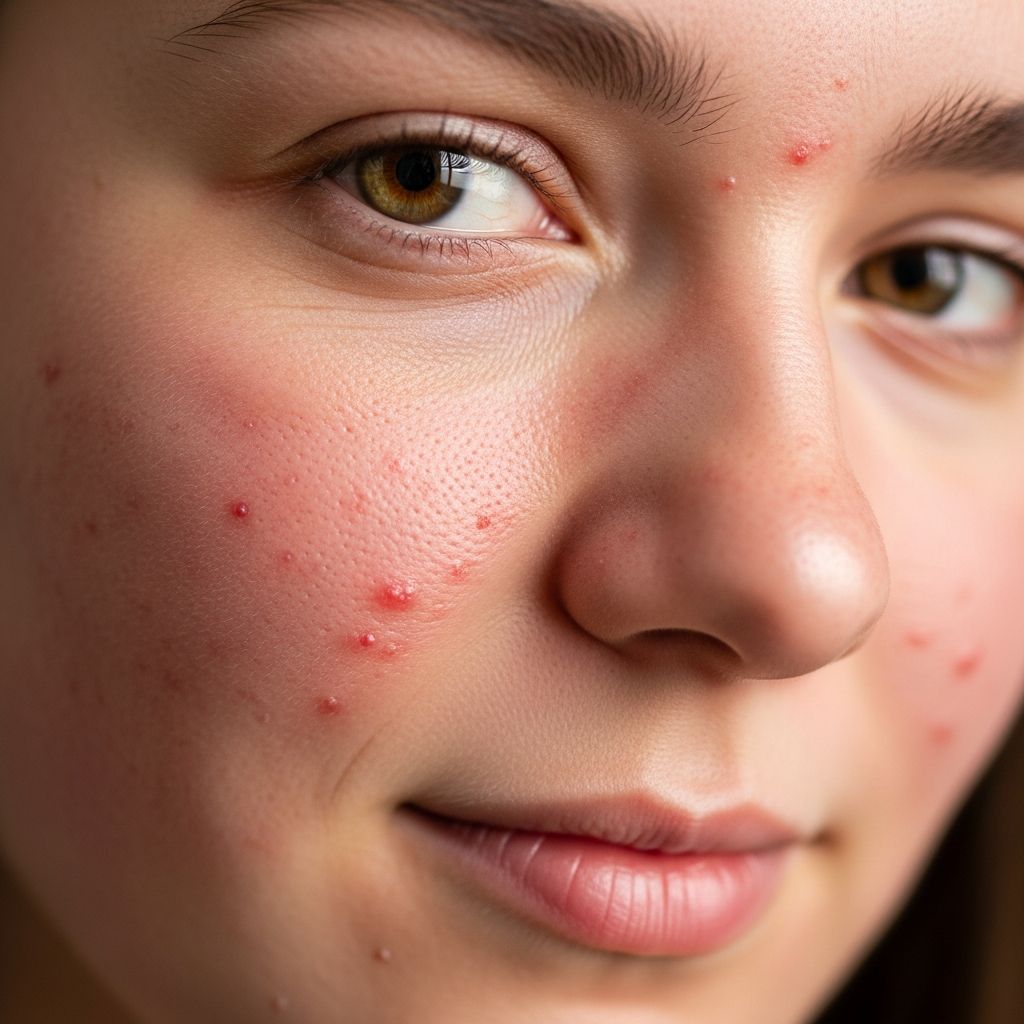
Rosacea is a chronic, inflammatory skin condition primarily affecting the central face, characterized by persistent redness, flushing, visible blood vessels, and sometimes bumps or eye irritation. It impacts over 14 million Americans, often starting after age 30, and is treatable but not curable, with management focusing on symptom control and flare prevention.
What Is Rosacea?
Rosacea (pronounced “roh-ZAY-sha”) is a longstanding but manageable disorder that mainly targets the cheeks, nose, chin, and forehead. It typically begins with intermittent flushing or redness that progresses to more persistent erythema, telangiectasias (visible blood vessels), and inflammatory papules or pustules. In severe cases, particularly among men, it can lead to phymatous changes like rhinophyma, where the nose enlarges due to tissue buildup. Ocular involvement occurs in up to 50% of cases, causing gritty, irritated eyes.
Unlike acne, rosacea lacks blackheads or comedones and rarely affects those under 30. It’s not contagious and stems from a combination of genetic, vascular, immune, and microbial factors. Early intervention prevents progression, improving quality of life by reducing embarrassment and discomfort associated with visible symptoms.
Symptoms of Rosacea
Symptoms fluctuate in episodes or flare-ups, often triggered by environmental or lifestyle factors. Common signs include:
- Facial redness and flushing: Central face turns red easily, with a burning or stinging sensation; becomes persistent over time.
- Visible blood vessels (telangiectasias): Small veins on cheeks and nose become prominent.
- Bumps and pimples: Red papules or pus-filled pustules resembling acne, but without comedones.
- Skin thickening: In advanced stages, skin may thicken and develop a bumpy texture, especially on the nose.
- Eye symptoms (ocular rosacea): Watery, bloodshot eyes, lid inflammation (blepharitis), or a gritty feeling; may lead to corneal damage if untreated.
Other sensations include dryness, roughness, or swelling. Symptoms’ presence of at least two primary signs—persistent erythema, flushing, papules/pustules, or telangiectasias—confirms diagnosis.
Causes of Rosacea
The exact cause remains unknown, but research highlights a multifactorial process. Key contributors include:
- Innate immune dysregulation: Abnormal production of cathelicidins and kallikreins triggers inflammation. Toll-like receptor 2 (TLR2) overexpression amplifies responses to stimuli.
- Neurovascular issues: Dysregulated blood vessels and increased mast cells cause flushing and persistent redness.
- Demodex mites: Demodex folliculorum density is higher in rosacea skin, potentially provoking immune reactions. Associated bacteria like Bacillus oleronius may exacerbate papulopustular types.
- Genetics: Family history increases risk; specific genetic variants are linked.
- Vascular hyperreactivity: Exaggerated responses to heat, stress, or irritants.
These elements form an inflammatory continuum, where environmental triggers ignite an overactive immune response in predisposed individuals.
Rosacea Triggers
Identifying triggers is crucial for management. Common ones include:
- Hot drinks, spicy foods, alcohol (especially red wine).
- Sun exposure, wind, extreme temperatures.
- Stress, exercise, hot baths.
- Skincare products with alcohol, astringents, or fragrances.
- Demodex-promoting factors or hormonal changes.
Patient surveys show sun exposure (81%), emotional stress (79%), and hot weather (75%) as top culprits. Keeping a trigger diary helps personalize avoidance strategies.
Types of Rosacea
Rosacea is classified into four subtypes, often overlapping:
| Type | Key Features |
|---|---|
| Erythematotelangiectatic (Subtype 1) | Persistent redness, flushing, telangiectasias; sensitive, dry skin. |
| Papulopustular (Subtype 2) | Redness plus papules/pustules; acne-like but central face-focused. |
| Phymatous (Subtype 3) | Thickened, bumpy skin, often nose (rhinophyma); more in men. |
| Ocular (Subtype 4) | Eye irritation, redness, swelling; may precede skin symptoms. |
Related Stories



Many patients exhibit mixed features, requiring tailored treatment.
Rosacea Diagnosis
Diagnosis is clinical, based on two or more primary features without invasive tests. Dermatologists rule out acne, lupus, or seborrheic dermatitis via history, exam, and sometimes biopsy for phymatous cases. Early detection prevents progression; self-awareness of flushing history aids.
Rosacea Treatment
Treatment targets symptoms and triggers; no cure exists, but 75% improvement is common with consistent care. Options include:
Topical Therapies
- Metronidazole, azelaic acid for inflammation.
- Ivermectin for Demodex-related papules.
- Brimonidine or oxymetazoline for redness reduction.
Oral Medications
- Low-dose doxycycline for moderate-severe inflammatory types.
- Isotretinoin for refractory cases (monitored closely).
Laser and Light Therapies
- Pulsed dye laser for telangiectasias and redness.
- Intense pulsed light (IPL) for vascular issues.
Skincare and Lifestyle
- Gentle, non-irritating cleansers; broad-spectrum sunscreen daily.
- Avoid triggers; use green-tinted makeup for camouflage.
Ocular rosacea requires lid hygiene, artificial tears, or cyclosporine drops.
Living With Rosacea
Daily management involves trigger avoidance, consistent skincare, and prompt flare treatment. Support groups like the National Rosacea Society offer resources. Psychological impact is significant—up to 70% report anxiety—but treatment boosts confidence. Regular dermatologist follow-ups ensure optimal control.
Frequently Asked Questions (FAQs)
What is rosacea?
Rosacea is a chronic facial skin disorder causing redness, flushing, bumps, and sometimes eye symptoms.
Who gets rosacea?
Primarily adults over 30 with fair skin, but anyone can; women more often, men more severely.
Is rosacea curable?
No, but highly manageable with treatments reducing symptoms by over 75%.
Can diet affect rosacea?
Yes; avoid triggers like spicy foods, alcohol, hot drinks.
Does rosacea affect eyes?
Yes, in 50% of cases, causing irritation treatable with specific therapies.
How is rosacea diagnosed?
Clinically by a dermatologist observing key signs like persistent redness and papules.
References
- All About Rosacea: Signs & Symptoms and Treatment — National Rosacea Society. 2023. https://www.rosacea.org/patients/all-about-rosacea
- Rosacea: A Misunderstood, Serious Medical Condition — American Health & Drug Benefits. 2015-01-15. https://www.ahdbonline.com/payer-perspectives-in-dermatology/1469-article-1469
- Overview: Rosacea — NCBI Bookshelf (InformedHealth.org). 2023-10-23. https://www.ncbi.nlm.nih.gov/books/NBK279476/
- Rosacea: Symptoms, Causes, Triggers & Treatment — Cleveland Clinic. 2023-09-16. https://my.clevelandclinic.org/health/diseases/12174-rosacea
- Rosacea – Symptoms and causes — Mayo Clinic. 2023-10-11. https://www.mayoclinic.org/diseases-conditions/rosacea/symptoms-causes/syc-20353815
Similar Articles








Read full bio of Sneha Tete