Rosemary Oil for Hair: Benefits, Uses, and How to Apply
Discover how rosemary oil can promote hair growth, prevent loss, and strengthen your scalp naturally.
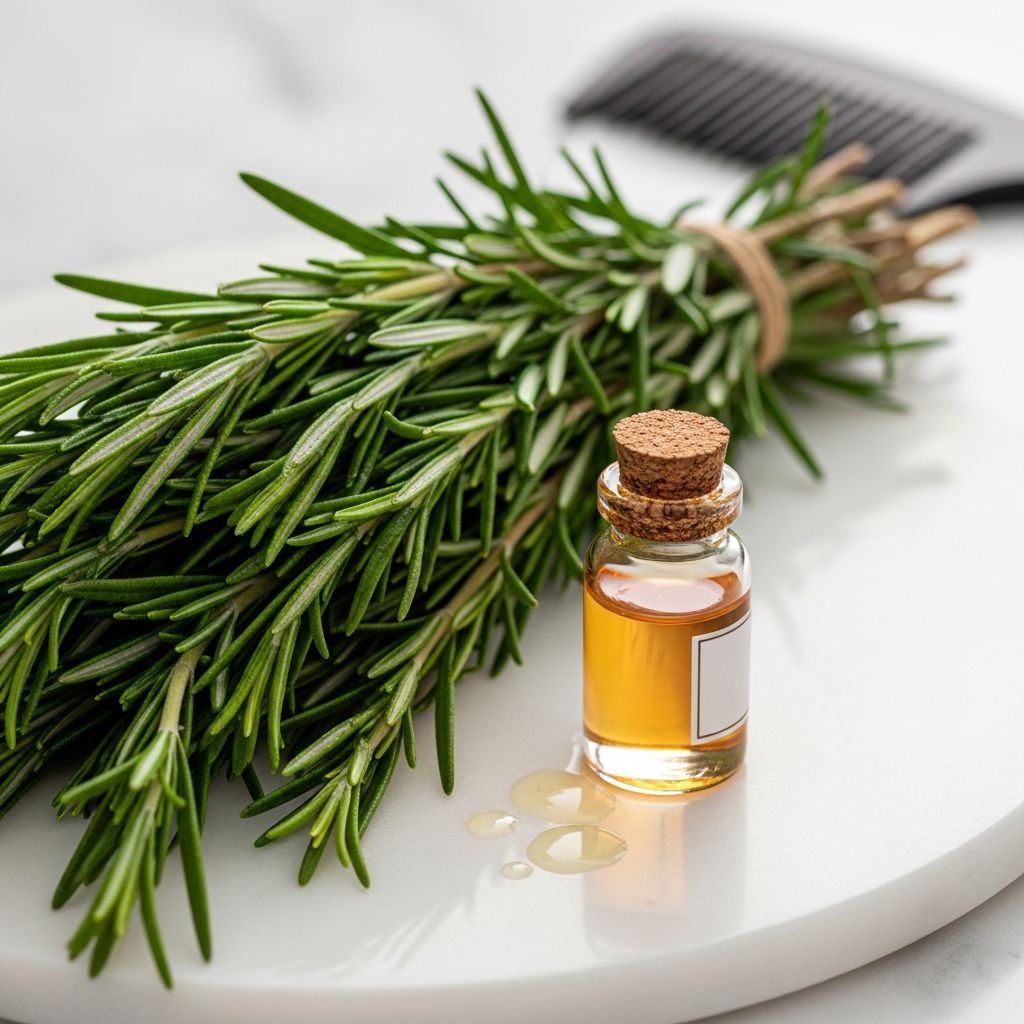
Understanding Rosemary Oil for Hair Health
Rosemary oil has emerged as a powerful natural solution for those seeking to improve hair growth, prevent hair loss, and maintain scalp health. Unlike many commercial hair treatments, rosemary oil works through multiple biological mechanisms to address hair concerns at the root level. The oil contains biologically active compounds including antioxidants, anti-inflammatory agents, and antimicrobial properties that work synergistically to promote healthier, stronger hair.
The growing body of scientific research supporting rosemary oil’s effectiveness has made it increasingly popular among dermatologists and hair care professionals. Studies have demonstrated that rosemary oil can be as effective as pharmaceutical interventions like minoxidil, commonly known as Rogaine, while offering a gentler, more natural alternative with fewer side effects.
How Hair Oils Work on Your Scalp
To understand why rosemary oil benefits hair, it’s important to first grasp how hair oils function. Sebum, your scalp’s natural oil, is secreted by sebaceous glands attached to hair follicles. When you apply hair oils like rosemary oil to your scalp, they coat the hair shaft and work in conjunction with your natural sebum. This coating process serves multiple purposes: it softens and smooths hair, strengthens it to prevent breakage, and creates a protective barrier that maintains moisture and nutrients.
The combination of natural sebum and applied oils creates an optimal environment for hair health. This protective layer reduces friction between hair strands, minimizes damage from environmental stressors, and allows essential nutrients to penetrate the hair shaft more effectively.
Key Benefits of Rosemary Oil for Hair
Promotes Hair Growth
Rosemary oil possesses significant antimicrobial, anti-inflammatory, antioxidant, anti-apoptotic, and neuroprotective properties. These combined characteristics make it effective at promoting hair growth and preventing breakage. The oil works by coating hair with fortifying compounds that strengthen each strand while simultaneously addressing underlying scalp conditions that may inhibit growth.
Research has shown remarkable results in clinical studies. A 1998 randomized, controlled, double-blind study involving 86 patients with alopecia areata found that an aromatherapy essential oil blend containing rosemary, thyme, lavender, and cedarwood was significantly more effective than placebo treatments. Most notably, rosemary oil has been found to be equally as effective as topical minoxidil for treating androgenic alopecia, while being safe for all hair loss patients regardless of the underlying cause.
A more recent 2015 trial compared rosemary essential oil directly with minoxidil in 100 human participants with androgenic alopecia. The results demonstrated that rosemary essential oil was equally effective as minoxidil at promoting hair growth. Additionally, rosemary oil helped reduce itchy scalp symptoms more successfully than minoxidil during the treatment period.
Reduces Scalp Irritation and Improves Circulation
Rosemary oil functions as a vasodilator, meaning it increases blood flow to scalp skin. This improved circulation is thought to help maintain hair in the active growing phase and prevent shedding. By enhancing blood flow, rosemary oil ensures that hair follicles receive adequate oxygen and nutrients necessary for optimal growth and health.
Related Stories



The improved blood circulation also addresses inflammatory conditions of the scalp. It helps reduce irritation from issues like dandruff by promoting a healthier scalp environment. When blood flow is optimized, the scalp’s natural healing processes work more efficiently, reducing inflammation and irritation that can lead to hair loss.
Blocks DHT Effects on Hair Follicles
One of the most significant ways rosemary oil prevents hair loss is through its DHT-blocking properties. DHT is a type of testosterone normally responsible for shrinking hair follicles in genetically susceptible individuals, leading to androgenic alopecia or pattern hair loss. Rosemary oil interferes with this process by inhibiting the enzyme 5-alpha reductase, which converts testosterone into DHT.
In one animal study examining rosemary oil’s effects on induced androgenic hair loss in rats, researchers found that an alcohol-based rosemary solution promoted significant hair growth after just 16 days compared to placebo. In-vitro analysis of 5-alpha reductase inhibition showed that rosemary was able to inhibit approximately 80% of the enzyme responsible for DHT production, making it highly effective at preventing hair loss triggered by DHT sensitivity.
Supports Hair Quality and Appearance
Beyond promoting growth and preventing loss, rosemary oil improves overall hair quality. A 2023 study in mice determined that applying a hair lotion containing 1% rosemary essential oil stimulated hair growth more effectively than minoxidil. The research also found that mice treated with rosemary lotion experienced improvements in hair quality, length, weight, and overall appearance, suggesting potential benefits across multiple dimensions of hair health.
How Rosemary Oil Promotes Hair Growth
Rosemary oil promotes hair growth through several interconnected mechanisms. First, it increases blood flow to hair follicles, which increases the delivery of oxygen and nutrients promoting healthy growth. This improved circulation ensures follicles receive the resources necessary to produce strong, healthy hair.
Second, rosemary oil supports nerve tissue by increasing nerve growth factor (NGF). This ability to enhance nerve function may support both hair growth and skin health. The capacity to rejuvenate nerve endings in the scalp may help restore hair growth by improving the nervous system’s ability to regulate follicle function.
Third, the antioxidant and anti-inflammatory properties of rosemary oil maintain scalp health at the cellular level. By reducing oxidative stress and inflammation, the oil creates an optimal environment for hair follicles to thrive. Healthy scalp tissue supports healthy hair growth, making this foundational benefit essential for long-term hair health.
Who Should Use Rosemary Oil?
Rosemary oil can benefit virtually anyone seeking to improve their scalp and hair health. However, it is especially helpful for specific groups experiencing particular hair concerns:
- Individuals experiencing dandruff or scalp irritation
- Those dealing with hair shedding or thinning
- People experiencing hair breakage or compromised hair strength
- Individuals with androgenic alopecia or pattern hair loss
- Those with alopecia areata or other forms of hair loss
- People seeking a natural approach to hair loss management
- Those wanting to add supplemental treatment to existing hair loss regimens
Rosemary oil is particularly valuable for individuals who prefer a more natural approach to hair loss management or those who want to incorporate it as a supplemental treatment alongside pharmaceutical interventions. It’s also suitable for those concerned about side effects from conventional hair loss medications.
How to Use Rosemary Oil Safely and Effectively
Dilution Requirements
When applying rosemary essential oil, dilution with a carrier oil is mandatory. Never apply rosemary essential oil directly to your scalp or hair, as the concentrated essence can cause irritation. Suitable carrier oils include jojoba oil, coconut oil, argan oil, or other mild oils. Dilution not only prevents irritation but also adds hydration and enhances the oil’s benefits.
Application Method
For optimal results, rosemary oil should be applied directly to the scalp rather than to the hair ends or length. The treatment works at the follicle level, so scalp application is essential. Use your fingertips to massage the diluted oil into your scalp, ensuring even distribution across the entire scalp area. Focus on areas experiencing thinning or hair loss.
Frequency and Timing
Rosemary oil should be applied to the scalp every day for optimal results. Many dermatologists recommend applying it as a leave-on product at nighttime, allowing it to work while you sleep. If you prefer not to leave oil on your scalp overnight, you can apply it at night and wash it off in the morning. The key is consistency—daily application is necessary to achieve and maintain benefits.
Considerations for Different Hair Types
If you have thin, fine, or already oily hair, you might not enjoy the look and feel of oil on your scalp. However, when used every day with the right strength and without excessive additives, rosemary oil can still provide significant benefits. Consider applying it at night and washing it out in the morning if daytime oiliness is a concern. This schedule allows the oil to work while minimizing aesthetic concerns about appearance during the day.
Expected Results and Timeline
The extent of improvement from rosemary oil varies between individuals and depends on factors such as the cause of hair loss, genetic susceptibility, and consistency of application. Most clinical studies showing significant results involved daily application for periods ranging from six months to longer. Patience is important, as hair growth cycles are naturally slow, and it may take several months of consistent application to notice visible improvements.
However, some benefits may be noticeable sooner. Reduction in scalp itching and improved scalp health can occur within weeks of starting treatment. Hair strength and reduced shedding may also be observed relatively quickly, while visible regrowth typically requires longer treatment periods.
Rosemary Oil Compared to Commercial Treatments
| Feature | Rosemary Oil | Minoxidil (Rogaine) |
|---|---|---|
| Hair Growth Effectiveness | Equally effective as minoxidil | FDA-approved for pattern hair loss |
| Scalp Itching | Reduces itching more effectively | May cause itching in some users |
| Side Effects | Minimal when properly diluted | Potential side effects include itching, dryness |
| Cost | Generally more affordable | Higher cost for ongoing treatment |
| Natural/Chemical | Natural plant-based ingredient | Pharmaceutical chemical compound |
| Application Frequency | Daily application required | Daily application required |
Frequently Asked Questions
Q: Can I apply rosemary oil directly to my hair without dilution?
A: No, rosemary essential oil must be diluted with a carrier oil before application. Applying concentrated rosemary oil directly to your scalp can cause irritation, burning sensations, or allergic reactions. Always dilute with jojoba oil, coconut oil, or another carrier oil for safe use.
Q: How long does it take to see results from rosemary oil?
A: Results vary by individual, but most clinical studies show meaningful improvements after six months of consistent daily application. Some people notice reduced scalp itching and improved scalp health within weeks, while visible hair regrowth typically requires longer treatment periods. Consistency is key to achieving results.
Q: Is rosemary oil safe for all hair types?
A: Yes, rosemary oil is safe for all hair types when properly diluted. However, those with thin, fine, or already oily hair may prefer nighttime application and morning washing to avoid daytime oiliness. Patch testing is recommended for individuals with sensitive scalps.
Q: Can rosemary oil replace minoxidil or prescription hair loss medications?
A: Rosemary oil is as effective as minoxidil for many people but works best as a standalone treatment or supplemental therapy. For advanced cases of pattern hair loss, it may be used alongside pharmaceutical treatments rather than as a complete replacement. Consult your dermatologist before discontinuing prescription medications.
Q: What carrier oils work best with rosemary oil?
A: Jojoba oil is commonly recommended due to its similarity to scalp sebum and excellent absorption. Coconut oil, argan oil, and other mild carrier oils also work well. Choose a carrier oil based on your hair type and scalp condition.
Q: Does rosemary oil help with premature graying?
A: While some people use rosemary oil to prevent premature graying, more research is needed to conclusively establish this benefit. The oil’s antioxidant properties may help protect hair pigment cells, but scientific evidence specifically supporting its use for graying prevention is limited.
Q: Can I use rosemary oil if I have a sensitive scalp?
A: Yes, but with caution. Always patch test diluted rosemary oil on a small scalp area first to ensure no irritation occurs. If you have a highly sensitive scalp or are prone to allergic reactions, consult a dermatologist before beginning treatment.
The Bottom Line
Rosemary oil represents a scientifically supported natural remedy for promoting hair growth, preventing hair loss, and improving overall scalp health. Its effectiveness rivals pharmaceutical treatments like minoxidil while offering a gentler, more natural alternative with minimal side effects when properly used. Whether you’re experiencing pattern baldness, alopecia areata, general thinning, or scalp irritation, rosemary oil deserves consideration as part of your hair care regimen.
The key to success with rosemary oil is consistency. Daily application, proper dilution with a carrier oil, direct scalp application, and patience as you wait for results will maximize your chances of experiencing its benefits. For those seeking a natural approach to hair loss or wanting to supplement existing treatments, rosemary oil offers a safe, affordable, and evidence-based option worth exploring under the guidance of a dermatologist.
References
- Rosemary Oil For Hair: Benefits, Side Effects, and How to Use It — Women’s Health Magazine. https://www.womenshealthmag.com/beauty/a41902382/rosemary-oil-for-hair/
- Rosemary Oil for Hair: Growth, Uses, and Benefits — Healthline. https://www.healthline.com/health/rosemary-oil-for-hair
- Rosemary Oil For Hair Growth | Can It Also Prevent Hair Loss? — XYON Health. https://xyonhealth.com/blogs/library/rosemary-oil-for-hair-growth
- Rosemary Oil for Hair Growth with Dr. Khetarpal — Cleveland Clinic Health Essentials Podcast. https://my.clevelandclinic.org/podcasts/health-essentials/rosemary-oil-the-secret-ingredient-for-hair-growth-with-shilpi-khetarpal-md
Similar Articles








Read full bio of medha deb