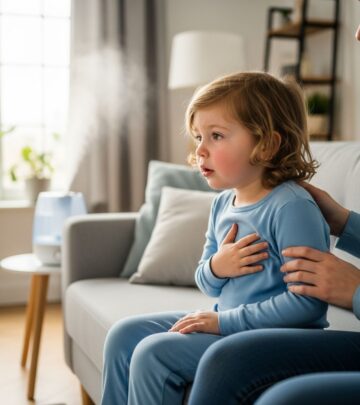
Roseola In Children: Parent’s Guide To Symptoms & Care
Understand roseola: the common childhood viral illness with high fever and distinctive rash, plus expert care tips for parents.
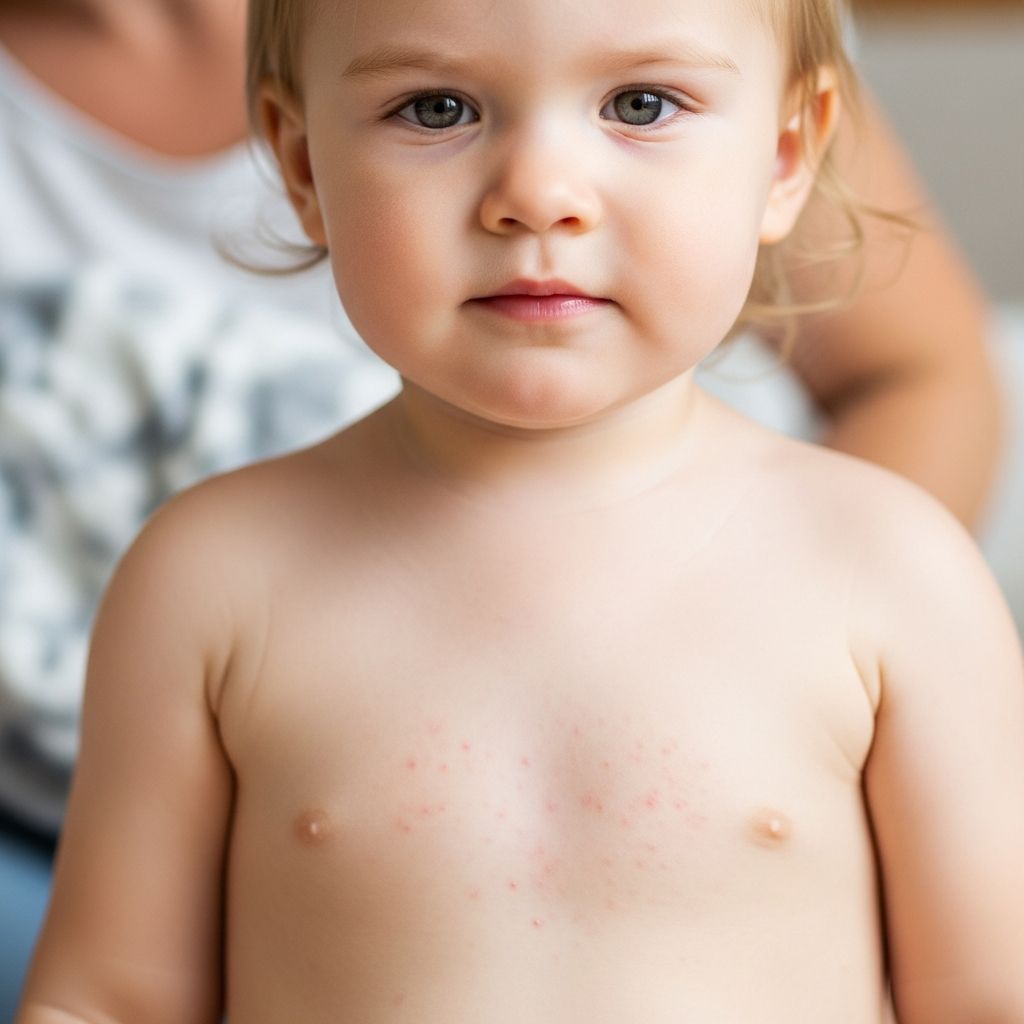
Roseola, often called roseola infantum or sixth disease, is a widespread viral infection primarily affecting infants and young children. It typically presents with a sudden high fever lasting several days, followed by a characteristic pinkish rash as the temperature normalizes. This condition is generally mild and self-limiting, resolving without long-term effects in healthy children.
Understanding the Causes of Roseola
The primary culprits behind roseola are human herpesvirus 6 (HHV-6) and, less commonly, human herpesvirus 7 (HHV-7). These viruses belong to the herpesvirus family but differ from those causing cold sores or genital herpes. They spread easily through respiratory droplets from coughing, sneezing, talking, or laughing by infected individuals, often before symptoms appear.
Infection occurs most frequently in children aged 6 months to 2 years, as maternal antibodies wane, leaving them vulnerable. Nearly all children encounter one of these viruses by age 2, making roseola one of the most common childhood illnesses.
Recognizing the Classic Symptoms
Roseola follows a predictable pattern. Initial signs mimic a common cold: mild runny nose, sore throat, cough, swollen eyelids, or neck glands, accompanied by loss of appetite and irritability.
Suddenly, a high fever emerges, often 102°F to 105°F (38.9°C to 40.5°C), persisting 3 to 5 days. Children may seem relatively well despite the fever, continuing to play or eat minimally.
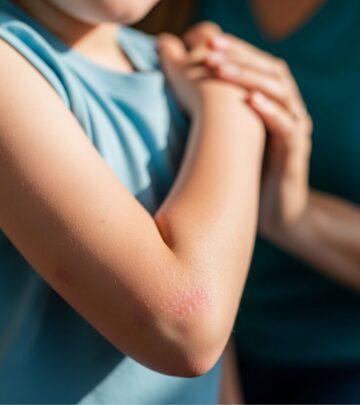
As the fever breaks, a rash develops within 12-24 hours: flat or slightly raised pinkish-red spots or patches, starting on the trunk, neck, and arms, then spreading to the face and legs. The rash is non-itchy, fades under pressure, and lasts 1-2 days. On darker skin tones, it may appear faint purple or be harder to spot.
Common Symptom Timeline
| Stage | Duration | Key Features |
|---|---|---|
| Prodrome (early signs) | 1-2 days | Runny nose, cough, mild irritability |
| High fever | 3-5 days | 102-105°F, child often active |
| Rash appearance | Hours after fever drops | Pink spots on trunk, spreading outward |
| Rash resolution | 1-2 days | Fades without scarring |
Potential Complications and Risks
While roseola is benign for most, the high fever poses a risk of febrile seizures—brief convulsions affecting 10-15% of cases. These are frightening but typically harmless, lasting under 15 minutes without long-term neurological impact.
Rarely, children experience diarrhea, vomiting, or ear infections. Those with weakened immune systems (e.g., due to cancer or transplants) face higher risks of prolonged illness or encephalitis.
Signs Requiring Immediate Medical Attention
- Febrile seizure: stiffening, jerking, eye rolling, unresponsiveness
- Difficulty breathing, grunting, or rapid breaths
- Non-blanching rash (doesn’t fade under glass pressure)
- Blue/grey/pale skin, especially palms/soles
- Lethargy, persistent vomiting, or dehydration signs (dry mouth, no tears)
Diagnosis: How Doctors Confirm Roseola
Related Stories



Diagnosis relies on clinical history—the distinctive fever-then-rash sequence—and physical exam. No routine lab tests are needed, as blood work or viral PCR is reserved for atypical or immunocompromised cases.
Roseola rash can resemble measles, rubella, or enteroviral exanthems, but the timing (post-fever) and lack of itchiness distinguish it. Doctors rule out bacterial infections to avoid unnecessary antibiotics.
Effective Home Management Strategies
No antiviral cure exists; treatment focuses on symptom relief. Keep your child comfortable at home, away from daycare until fever-free for 24 hours.
- Fever control: Acetaminophen (paracetamol) or ibuprofen per age/weight dosing. Avoid aspirin due to Reye’s syndrome risk.
- Hydration: Frequent breastmilk, formula, water, or electrolyte solutions. Watch for dehydration.
- Comfort: Light clothing, lukewarm baths, quiet environment. Encourage rest without forcing sleep.
- Rash care: No ointments needed; calamine lotion if mildly irritating (rare).
Monitor temperature every 4 hours. Most recover fully within a week.
Medication Dosage Guidelines (Consult Doctor)
| Age/Weight | Acetaminophen (mg/kg/dose) | Ibuprofen (mg/kg/dose) | Frequency |
|---|---|---|---|
| 3-12 months (<11kg) | 10-15 | 5-10 | Every 4-6 hrs |
| 1-5 years (11-21kg) | 10-15 | 5-10 | Every 6-8 hrs |
Always follow label or physician instructions.
Preventing Spread and Protecting Your Family
Roseola peaks in spring/autumn, spreading in households or childcare. Incubation is 5-15 days; peak contagiousness is during fever phase, pre-rash.
Prevention tips:
- Handwashing, especially after diaper changes or nose-wiping.
- Isolate feverish children from playgroups.
- Clean toys/surfaces with disinfectant.
- No vaccine available, but good hygiene limits outbreaks.
Adults immune from childhood exposure rarely get symptomatic reinfection.
Febrile Seizures: What Parents Need to Know
Affecting up to 15% of roseola cases, these seizures stem from rapid fever rises, not the virus itself. Simple febrile seizures (under 15 min, no repeat in 24 hrs) don’t raise epilepsy risk.
During a seizure:
- Protect head, time the event.
- Side-lie on soft surface.
- Seek emergency care if >5 min or multiple episodes.
Prophylactic fever meds don’t prevent seizures; focus on comfort.
When to Consult a Healthcare Professional
Seek prompt care for first-time fevers in infants under 3 months, seizures, or concerning symptoms listed earlier. Routine roseola doesn’t require office visits unless dehydrated or inconsolable.
Post-rash, ensure MMR vaccine status to differentiate from measles.
Frequently Asked Questions (FAQs)
Is roseola contagious after the rash appears?
No, contagiousness drops sharply once fever resolves for 24 hours, even with rash present.
Can roseola cause long-term harm?
Rarely in healthy kids; febrile seizures are benign. Immunocompromised children need monitoring.
How to differentiate roseola from measles?
Measles starts with rash during fever, cough/coryza/conjunctivitis (3Cs), and lasts longer. Roseola rash follows defervescence.
Does roseola return?
Lifelong immunity usually follows primary infection.
Is antibiotic treatment needed?
No, as it’s viral; antibiotics are ineffective.
Outlook and Recovery Expectations
Children bounce back quickly, with full immunity. Recurrent mild symptoms are uncommon. Track milestones post-illness; consult if delays noted.
References
- Roseola infantum | healthdirect — healthdirect.gov.au. 2023. https://www.healthdirect.gov.au/roseola-infantum
- Roseola Information & Treatment – Columbia Doctors — columbiadoctors.org. 2024. https://www.columbiadoctors.org/health-library/condition/roseola/
- Roseola infantum | Better Health Channel — betterhealth.vic.gov.au. 2023. https://www.betterhealth.vic.gov.au/health/conditionsandtreatments/roseola-infantum
- Roseola in Babies and Toddlers: Symptoms, Causes & When to Call … — healthychildren.org (American Academy of Pediatrics). 2024. https://www.healthychildren.org/English/health-issues/conditions/skin/Pages/Roseola-Infantum.aspx
- Roseola in Children – Nationwide Children’s Hospital — nationwidechildrens.org. 2024. https://www.nationwidechildrens.org/conditions/health-library/roseola-in-children
- Roseola – NHS — nhs.uk. 2023. https://www.nhs.uk/conditions/roseola/
- Roseola (Sixth Disease) Symptoms & Causes – Cleveland Clinic — my.clevelandclinic.org. 2024. https://my.clevelandclinic.org/health/diseases/15785-roseola-infantumsixth-disease
Similar Articles








Read full bio of medha deb