Roseola: Symptoms, Causes, Treatment For Infants
Common childhood viral illness featuring high fever followed by a distinctive rash, typically self-limiting.
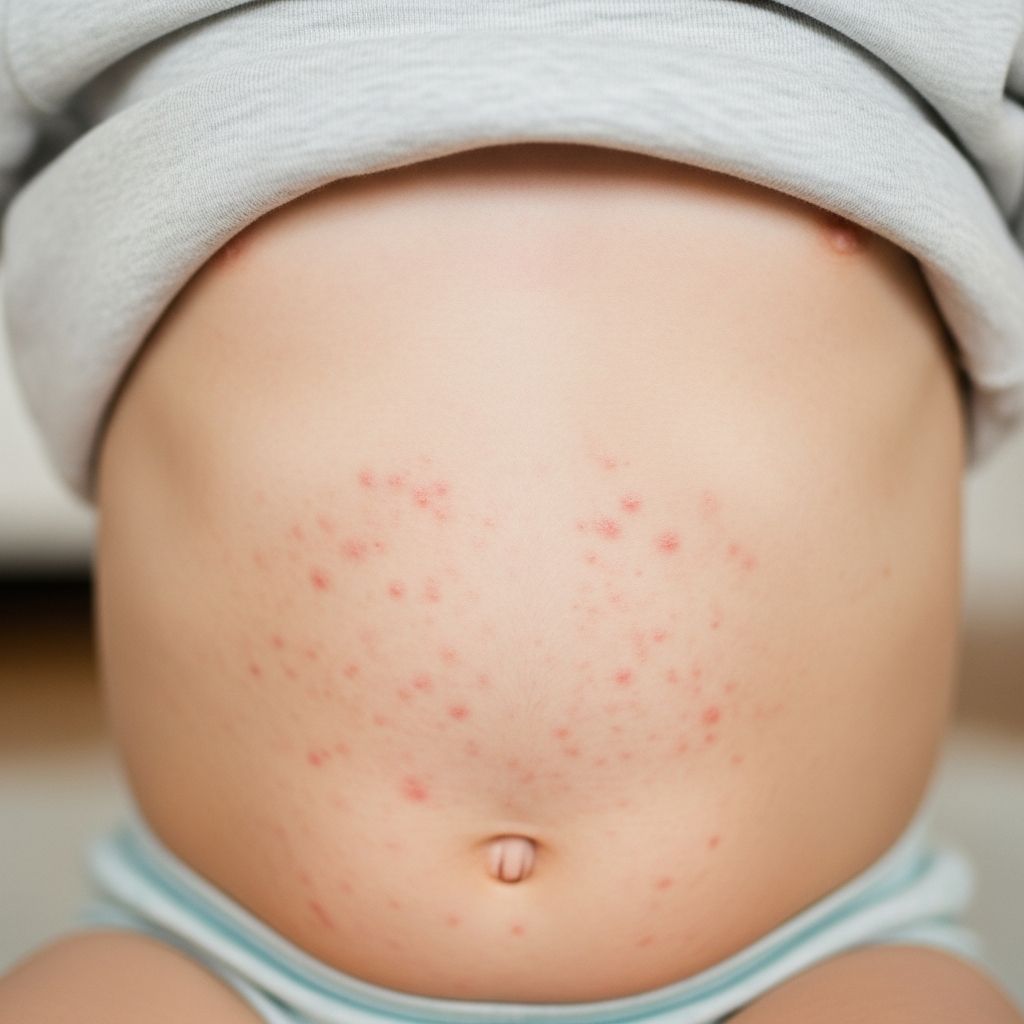
Roseola, also known as roseola infantum, exanthem subitum, or sixth disease, is a common benign viral exanthem primarily affecting young children. It is characterised by a sudden onset of high fever lasting 3–5 days, followed by the appearance of a macular or maculopapular rash as the fever resolves. This condition is usually self-limiting and requires only supportive care.
Introduction
Roseola is a disease caused by the human herpesvirus type 6B (HHV-6B) and less commonly type 7 (HHV-7). These viruses belong to the Herpesviridae family, which includes eight human herpesviruses. HHV-6 and HHV-7 were first identified in the late 1980s, and research continues to uncover their full clinical spectrum. Primary infection typically occurs in infancy, conferring lifelong immunity in most cases.
The hallmark presentation involves a prodromal high fever phase without rash, followed by defervescence and emergence of the characteristic exanthem. While generally mild, the fever can lead to complications like febrile seizures in 5–15% of cases. Roseola peaks in spring and fall, spreading via respiratory droplets or saliva.
Demographics
Roseola predominantly affects children between 6 months and 3 years of age, with peak incidence around 9–12 months. Approximately 86–90% of children experience infection by age 2 years. It is rare in adults due to childhood-acquired immunity, though reactivation can occur in immunocompromised individuals, such as post-transplant patients.
- Age group: Infants and toddlers (6 months–3 years)
- Gender: No significant predilection
- Seasonality: Spring and fall peaks
- Incidence: Very common; nearly universal in early childhood
Children with older siblings are at higher risk due to increased exposure in households.
Spread
Roseola spreads person-to-person primarily through saliva from asymptomatic carriers, such as family members. Transmission occurs via respiratory droplets during close contact, coughing, or sharing utensils. The incubation period is 9–10 days. Infectivity is highest during the febrile phase, though virus shedding continues post-recovery.
The virus enters via the respiratory tract, replicates in salivary glands, and dissociates into primary viremia. It is highly contagious in daycare or preschool settings.
Signs and symptoms
The classic course unfolds in two phases:
Fever phase (days 1–3 to 5)
Sudden onset of high fever (39–40.5°C / 102–105°F), often without localizing signs. The child may appear well despite the fever or exhibit mild systemic symptoms:
- Irritability and tiredness
- Runny nose (rhinorrhea)
- Anorexia (loss of appetite)
- Mild diarrhea
- Cough or sore throat
- Swollen eyelids (periorbital edema)
- Ear pain (otalgia)
- Cervical lymphadenopathy
In 5–15% of cases, the fever triggers febrile seizures—brief, generalized convulsions lasting <15 minutes, resolving without sequelae. These are more common in children aged 6–18 months.
Rash phase (as fever subsides)
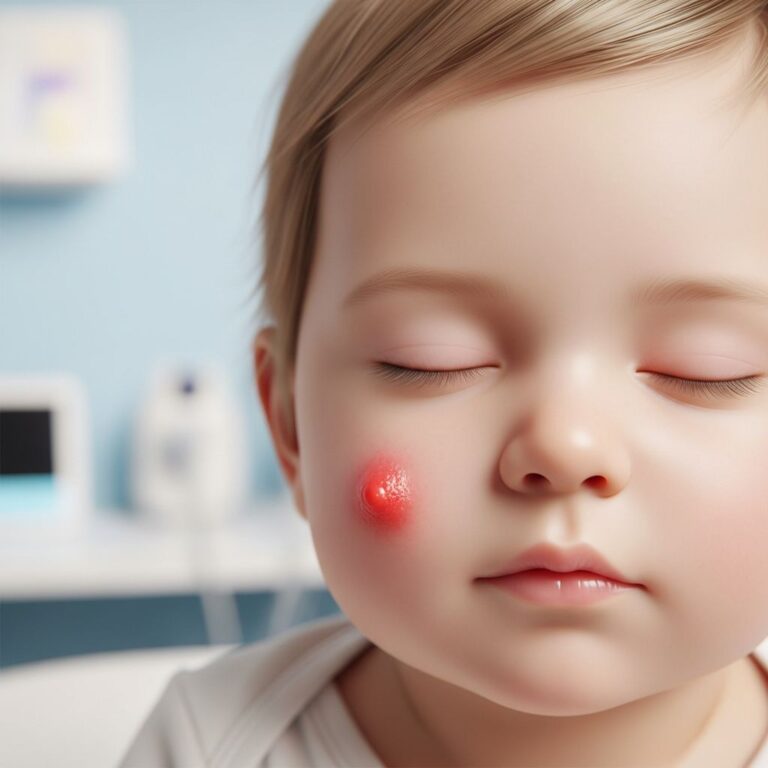
Within 12–24 hours of fever resolution, a discrete rose-pink maculopapular rash emerges on the trunk. It spreads centrifugally to neck, face, arms, and legs within hours. Key features:
Related Stories



- 1–5 mm pink/red flat spots or bumps
- Non-pruritic, non-painful, no blistering
- Blanches on pressure; pale halo around lesions
- Appears first on abdomen/chest, spares palms/soles
- Resolves in 1–2 days without desquamation
Less commonly, rash precedes fever or occurs without fever. Oral enanthem (spots on soft palate/uvula) may accompany.
| Feature | Roseola | Measles | Rubella |
|---|---|---|---|
| Fever-Rash Sequence | Fever then rash | Rash then fever | Mild fever with rash |
| Rash Distribution | Trunk → extremities | Face → trunk | Face → trunk |
| Rash Morphology | Maculopapular, blanches | Maculopapular, coalescing | Fine, fades quickly |
| Koplik Spots | No | Yes | No |
Diagnosis
Diagnosis is clinical, based on characteristic history (high fever followed by rash in a well child aged 6–24 months). Physical exam confirms the exanthem pattern. No routine testing needed for uncomplicated cases.
Laboratory confirmation (if atypical or outbreak):
- Serology: IgM for acute infection; IgG seroconversion
- PCR: Detects HHV-6/7 DNA in blood/saliva (research/ immunocompromised)
- CBC: Lymphocytosis, atypical lymphocytes possible
Differential includes measles, rubella, enterovirus, scarlet fever. Febrile seizures warrant EEG if recurrent.
Treatment
No specific antiviral therapy; self-limiting within 7–10 days. Focus on symptomatic relief:
- Fever control: Acetaminophen (15 mg/kg q4–6h) or ibuprofen (10 mg/kg q6–8h). Avoid aspirin (Reye syndrome risk).
- Hydration: Oral fluids; monitor for dehydration.
- Rest: Isolate during fever phase.
- Rash: No treatment needed; calamine if mild itch (rare).
- Seizures: Benzodiazepines acutely; antipyretics prevent recurrence.
Hospitalize if dehydration, prolonged seizures, or immunocompromise. IVIG or ganciclovir rarely for severe HHV-6 in immunocompromised.
Complications
Most children recover uneventfully. Potential issues:
- Febrile seizures: 5–15%; benign, no long-term risk.
- Encephalitis/meningitis: Rare (<1/1000), more in immunocompromised.
- Hemolytic anemia/thrombocytopenia: Transient.
- Reactivation: In transplant patients or HIV.
No chronic sequelae; HHV-6 integrates into host DNA, potentially linked to multiple sclerosis (controversial).
Frequently Asked Questions (FAQs)
Is roseola contagious?
Yes, highly contagious via saliva/respiratory droplets during the fever phase (days 1–5). Isolate child from school/daycare until 24 hours fever-free.
How long does roseola last?
Fever: 3–5 days; rash: 1–2 days. Full recovery in 7–10 days.
Can adults get roseola?
Rare; childhood infection usually confers immunity. Reactivation possible if immunocompromised.
Does roseola rash itch?
No, typically non-pruritic. No need for lotions/creams.
When to see a doctor for roseola?
High/persistent fever >5 days, seizures, lethargy, dehydration, or rash atypical.
Is there a vaccine for roseola?
No vaccine available.
Can roseola cause seizures?
Yes, febrile seizures in 5–15% during high fever phase; usually brief and harmless.
See more images of roseola here.
References
- Roseola rash: symptoms, pictures, and treatment — Medical News Today. 2023. https://www.medicalnewstoday.com/articles/roseola-rash
- Roseola (viral rash): Causes, Symptoms, and Treatment — DermNet NZ (Hon A/Prof Amanda Oakley). 2015 (reviewed 2025). https://dermnetnz.org/topics/roseola
- Roseola — DFTB Skin Deep. 2023. https://dftbskindeep.com/all-diagnoses/roseola/
- Roseola: Causes, Symptoms, and Treatment — Healthgrades. 2024. https://resources.healthgrades.com/right-care/infections-and-contagious-diseases/roseola
- Roseola: Symptoms and Treatment — Patient.info. 2024. https://patient.info/infections/roseola
Similar Articles








Read full bio of medha deb