Rosh Hashanah: Comprehensive Guide To Traditions And Healthy Recipes
Discover nutritious traditions and healthy recipes for a sweet and meaningful Jewish New Year celebration.
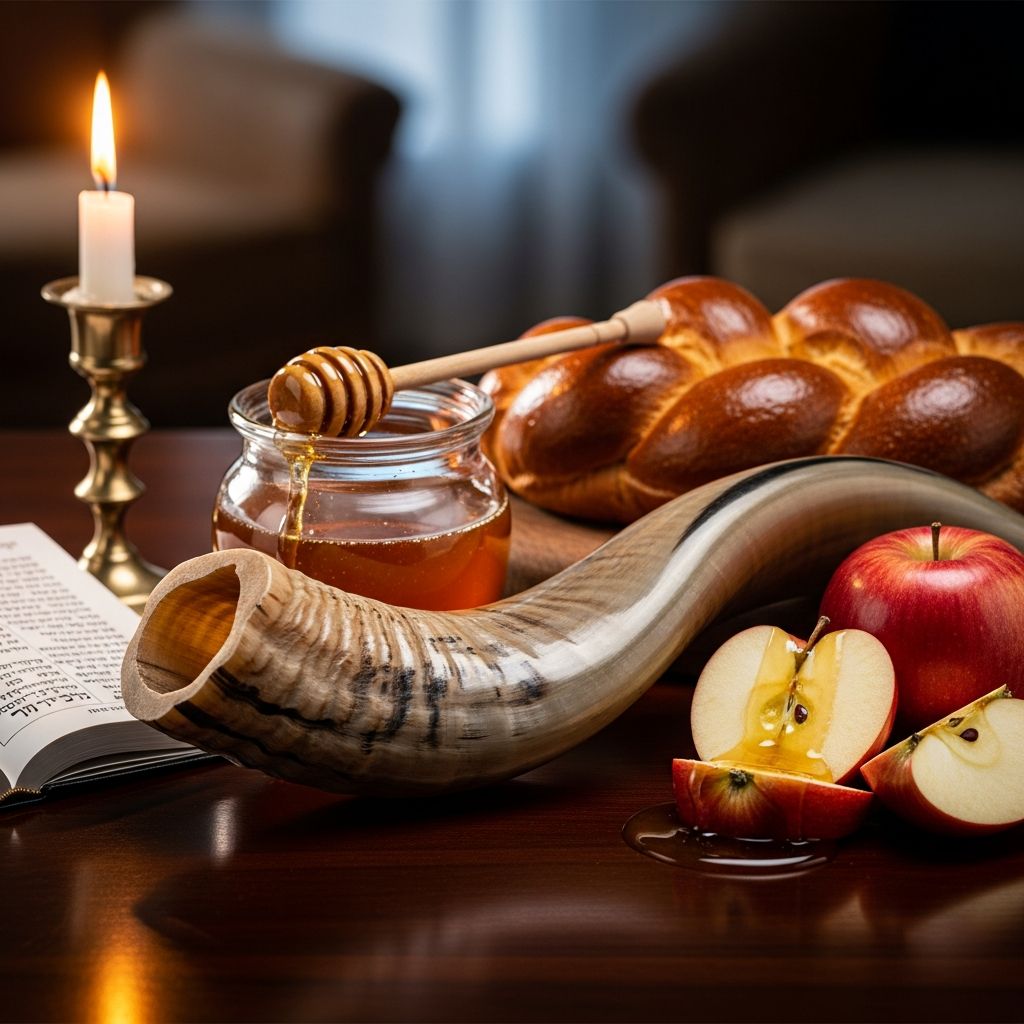
Rosh Hashanah marks the Jewish New Year, a time for reflection, prayer, and hopeful wishes for a sweet year ahead through symbolic foods and traditions centered on health and family.
What is Rosh Hashanah?
Rosh Hashanah, known as the ‘Head of the Year,’ initiates the High Holy Days with two days of synagogue services, shofar blowing, and festive meals featuring sweet foods symbolizing prosperity. This holiday emphasizes repentance, God’s sovereignty, and communal gatherings, blending spiritual introspection with nutritious culinary customs.
Observed in the month of Tishrei, it commemorates creation and calls for personal renewal. Families prepare by cleaning homes, selecting fresh produce, and planning meals that align with dietary needs like diabetes management.
Traditions and Customs
Key observances include lighting candles each evening, attending synagogue for extended prayers and shofar sounding, and performing Tashlich by a body of water. No creative work is done, mirroring Shabbat rest, while festive meals highlight sweetness and abundance.
- Candle Lighting: Women and girls light candles before sunset on the first evening and after nightfall on the second, reciting blessings including Shehecheyanu for new fruits.
- Shofar Blowing: The ram’s horn is sounded during morning services on both days (except Shabbat), evoking awe and awakening the soul.
- Tashlich: On the first afternoon (or second if conflicting with Shabbat), participants cast bread crumbs, stones, or seeds into water to symbolize casting off sins.
- Synagogue Services: Use a machzor for unique prayers emphasizing judgment, kingship, and remembrance.
Symbolic Foods
Meals feature foods with symbolic meanings, dipped in honey for sweetness. Round challah represents life’s cycle, apples in honey wish for a sweet year, and other items like pomegranates signify abundance.
| Food | Symbolism | Health Tip |
|---|---|---|
| Apples in Honey | Sweet new year | Choose crisp varieties; pair with nuts for fiber |
| Round Challah | Cycle of life | Whole-grain flour reduces glycemic impact |
| Pomegranate | Abundance (613 seeds = mitzvot) | Antioxidant-rich; low-calorie |
| Head of Fish | Be a head, not tail | Omega-3s from salmon support heart health |
| New Fruit | Thanksgiving for new season | Fresh produce boosts vitamins |
The Festive Meal
Festive meals occur each night and day, starting with Kiddush over wine or grape juice, followed by blessings over round challah dipped in honey instead of salt. Appetizers include apples in honey; main courses feature brisket, chicken, or fish with sides like tzimmes (sweet carrots and fruit).
On the first night, serve head of a fish, pomegranates, and apples. The second night introduces a new fruit before challah to recite Shehecheyanu. Desserts like honey cake or teiglach provide sweet endings.
Sample Menu
- Appetizer: Sliced apples with honey and cinnamon
- Bread: Round raisin challah
- Main: Honey-glazed salmon, roasted vegetables
- Side: Pomegranate tzimmes
- Dessert: Lekach (honey cake)
Healthy Recipes
Apples in Honey
A simple starter: Slice 4 apples, drizzle with 1/4 cup honey, sprinkle cinnamon. Provides fiber and antioxidants; 100 calories per serving.
Round Challah
Mix 5 cups whole-wheat flour, 2 packets yeast, 1/4 cup honey, 2 eggs, 1/4 cup oil, salt. Knead, rise twice, shape round, bake at 350°F for 30 minutes. Yields 2 loaves; use for lower-carb meals.
Related Stories



Honey-Glazed Brisket
Slow-cook 3lb brisket with onions, garlic, 1/2 cup honey, ginger. Trim fat for lean protein; serves 8 healthily.
Pomegranate Tzimmes
Combine carrots, sweet potatoes, prunes, pomegranate seeds, honey. Bake until tender; vitamin-packed side.
Diabetes-Friendly Tips
Portion sweets, choose whole fruits over juice, pair carbs with proteins/fats. Use sugar substitutes sparingly; focus on veggies and lean meats.
Foods with Special Significance
Beyond sweetness, foods invoke blessings: fish head for leadership, pomegranates for mitzvot, dates for enemies ‘being consumed,’ beets for removing bad decrees. Sephardic customs include black-eyed peas and sugar-dipped bread.
- Yehi Ratzon: Recite wishes before eating each symbolic food, e.g., ‘May it be Your will to bless us with a good year.’
- Vegan Options: Adapt with plant-based proteins, fruit-based desserts.
Make it Fun for Children
Involve kids in baking round challah, dipping apples, or Tashlich with eco-friendly casts like leaves. Explain symbols to foster connection.
Frequently Asked Questions
What foods are eaten on Rosh Hashanah?
Sweet foods like apples in honey, round challah, pomegranates, fish head, and new fruits symbolize a sweet, abundant year.
How do you perform Tashlich?
Go to a body of water, recite prayers, cast crumbs or seeds to symbolize discarding sins.
Why round challah?
It represents the circular cycle of life and the new year’s beginning.
Can meals be diabetes-friendly?
Yes, use whole grains, portion honey, add fiber-rich foods, and choose lean proteins.
What is the shofar?
A ram’s horn blown in synagogue to call for repentance and celebration.
References
- How Is Rosh Hashanah Celebrated? — Chabad.org. 2023. https://www.chabad.org/library/article_cdo/aid/4830/jewish/How-Is-Rosh-Hashanah-Celebrated.htm
- Rosh Hashanah Customs — My Jewish Learning. 2023. https://www.myjewishlearning.com/article/rosh-hashanah-customs/
- Rosh HaShanah Customs, Symbols and Traditions — Reform Judaism. 2023. https://reformjudaism.org/jewish-holidays/rosh-hashanah/rosh-hashanah-customs-symbols-and-traditions
- 6 Rosh Hashanah Customs and Traditions You Can Do at Home — Aish.com. 2023. https://aish.com/6-rosh-hashanah-customs-at-home/
- Traditions — HeightsChabad.com. 2023. https://www.heightschabad.com/templates/articlecco_cdo/aid/2287776/jewish/Traditions.htm
Similar Articles








Read full bio of medha deb