Rosin Allergy: 5 Signs, Diagnosis, And Prevention
Understanding rosin allergy: causes, symptoms, diagnosis, and management of this common contact allergen.

Rosin, also known as colophony, is a resin derived from pine trees and other coniferous species, widely used in consumer and industrial products. Allergy to rosin manifests primarily as
allergic contact dermatitis
, a type IV hypersensitivity reaction occurring in sensitized individuals upon skin contact. Reactions typically develop 1-3 days after exposure, though they may appear within 24 hours or up to a week later. This article covers the sources of rosin, clinical reactions, diagnosis, treatment, and prevention strategies.What is rosin?
Rosin is a sticky, translucent resin obtained from the sap of pine trees (Pinus species), junipers, firs, and other conifers. It is processed into a solid form used for its tacky, adhesive properties. Chemically, rosin consists of resin acids, primarily abietic acid and its derivatives, which are potent sensitizers responsible for allergic reactions. Globally, rosin production exceeds millions of tons annually, reflecting its ubiquity in modern products.
In its raw form, rosin appears in pine wood dust and tree saps, but it is most problematic when incorporated into modified forms like gum rosin, wood rosin, or tall oil rosin. These derivatives retain allergenic potential despite processing. Occupational exposure is common among woodworkers, dentists, and manufacturers, while consumers encounter it daily in household items.
Where is rosin found?
Rosin is present in a vast array of products across medical, cosmetic, industrial, and consumer categories. Awareness of these sources is crucial for avoidance.
- Medical and surgical products: Adhesive bandages (plasters), medical tapes, ostomy bags, wound dressings, benzoin spray (used before tape application), dental composites, and veterinary medications.
- Cosmetics and personal care: Depilatory waxes, hair removal products, chewing gum, cosmetics (e.g., mascaras, lipsticks), and tacky eyeglass nose pads like Nerdwax®.
- Adhesives and solders: Soldering fluxes, glues, labels, stickers, hot-melt glues, pressure-sensitive tapes, and shoe insoles.
- Industrial and occupational: Printing inks, varnishes, polishes, paper sizing, rubber products, machine belts, waterproofing agents, and furniture production.
- Wood and natural sources: Pine wood sawdust, Christmas trees, wooden furniture, jewelry, sauna benches, and toilet seats.
- Other: Sports grips (e.g., tennis rackets), violin bow rosin, ballet shoes, and clothing finishes.
Patch testing identifies rosin in 1-4% of dermatitis patients, with higher rates in occupational groups like furniture workers (4.1%) and painters (1.3%). Benzoin spray, containing rosin, has caused post-surgical dermatitis.
What are the reactions to rosin allergy?
In allergic individuals, rosin triggers
acute allergic contact dermatitis
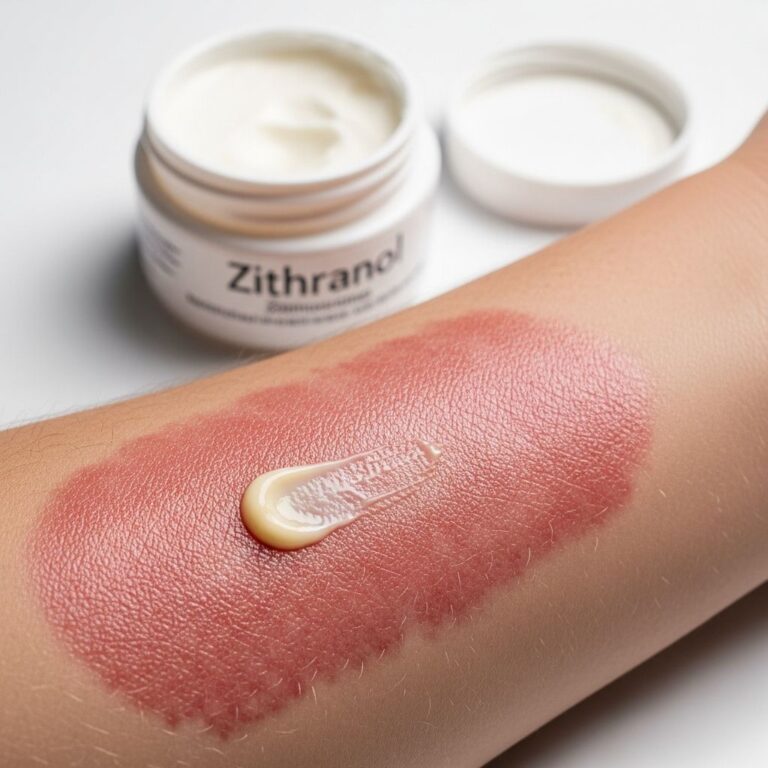
at the contact site, often accompanied by respiratory symptoms in severe cases. Initial signs include redness, inflammation, and intense itching 1-3 days post-exposure. Progression leads to vesicles, blisters, weeping, and edema; chronic exposure causes lichenified, thickened skin.Locations mirror exposure: hands/forearms from wood handling or adhesives; face from cosmetics or benzoin; legs from waxing. Respiratory effects include asthma or breathing difficulty upon inhalation of rosin dust. Rarely, anaphylaxis or occupational rhinitis occurs. A case involved a rhinoplasty patient developing facial blisters from benzoin spray, confirmed by patch testing (2+ to colophony). Another featured recurrent dermatitis from pine lumber and Christmas trees, with strong reactions to pine sawdust and colophony. Sweating exacerbates symptoms post-waxing.
Related Stories



| Stage | Symptoms | Timeline |
|---|---|---|
| Acute Initial | Redness, inflammation, itch | 1-3 days post-exposure |
| Progressive | Vesicles, blisters, edema | 3-7 days |
| Chronic | Lichenification, thickening | >1 week continued exposure |
How is rosin allergy diagnosed?
Diagnosis combines clinical history, exposure assessment, and
patch testing
, the gold standard for confirming type IV hypersensitivity. Patients report dermatitis at rosin-source sites, prompting tests with 20% colophony in petrolatum.Positive reactions (1+ to 3+) show erythema, edema, or vesicles at 48-96 hours. Supplemental testing includes abietic acid, abitol, pine sawdust, or suspect products (use-after-use or ROAT: repeated open application test on arm flexure for 7 days). ROAT detects delayed reactions but risks irritation—consult a dermatologist. Differential diagnoses exclude irritant dermatitis or other allergens. In a woodworker case, ++/+++ reactions to colophony, abietic acid, and pine confirmed the source.
Treatment of rosin allergy
**Avoidance** is the cornerstone; no desensitization exists. Acute dermatitis requires topical corticosteroids (e.g., clobetasol 0.05%), emollients, and antibiotics for secondary infection (Staphylococcus aureus). Severe cases need oral prednisone (taper over 3 weeks to prevent rebound).
For mild waxing reactions, symptoms often resolve spontaneously; severe itch/redness warrants steroids. Post-benzoin case improved with prednisolone and clobetasol. Chronic management emphasizes emollients and allergen-free alternatives.
What should I do to avoid rosin allergy?
Prevention hinges on ingredient vigilance and alternatives.
- Read labels for “colophony,” “rosin,” “pine resin,” abietic acid, or synonyms.
- Use rosin-free plasters (e.g., Hypafix, Mepitac), tapes, and cosmetics—request from pharmacies.
- Avoid depilatory waxes; opt for hypoallergenic hair removal.
- Select rosin-free adhesives, solders, and dental products.
- Wear gloves for woodwork or rosin-dusted tasks; ventilate to minimize inhalation.
- For eyeglasses, avoid tacky pads; choose wooden items from non-pine woods.
Table 2 lists alternatives.
| Product Type | Rosin-Free Options |
|---|---|
| Adhesive Tapes | Hypafix, Mepitac, Transpore |
| Wound Dressings | Meipore, Omnifix |
| Depilatory | Sugar-based waxes |
In occupational settings, substitute rosin fluxes and monitor exposure.
Frequently Asked Questions (FAQs)
Can rosin allergy cause asthma?
Yes, inhalation of rosin dust can trigger asthma or respiratory distress in sensitized individuals, alongside dermatitis.
Is rosin allergy common after waxing?
Yes, depilatory waxes frequently contain rosin, causing site-specific dermatitis 1-2 days later; mild cases self-resolve.
How reliable is patch testing for rosin?
Highly reliable, detecting 1-4% prevalence; positive reads at D2/D4 confirm allergy.
Does benzoin spray always contain rosin?
Many formulations do, leading to post-surgical dermatitis; patch test colophony to verify.
Can I desensitize to rosin?
No, avoidance is the only long-term solution; no immunotherapy exists.
Is Christmas tree handling risky?
Yes, pine resin causes dermatitis in allergic individuals, as seen in recurrent cases.
(Word count: 1678)
References
- Rosin allergy – Dr. Breslavets | CMSD — Canadian Medical Skin Dermatology. Accessed 2026. https://cmsderm.ca/rosin-allergy/
- Benzoin Spray: Cause of Allergic Contact Dermatitis due to Its Rosin — PMC/NCBI. 2014-08-29. https://pmc.ncbi.nlm.nih.gov/articles/PMC4135114/
- Inflammatory reactions after waxing and how you minimize them — Waxness. Accessed 2026. https://waxness.com/blog/post/59-inflammatory-reactions-after-waxing-and-how-you-minimize-them.html
- Allergy to Rosin (Colophony) — DermNet NZ/SkinIdent. Accessed 2026. https://www.skinident.world/fileadmin/img/spanish-pictures/pdf/Allergy_to_Rosin__Colophony_.pdf
- Colophony (Rosin) Allergy: More Than Just Christmas Trees — Royle Publishing. Accessed 2026. http://pubs.royle.com/article/Colophony+(Rosin)+Allergy:+More+Than+Just+Christmas+Trees/3513995/629426/article.html
- Colophony — SmartPractice Canada. Accessed 2026. https://www.smartpracticecanada.com/spcanada/pdfs/allergens/Colophony.pdf
Similar Articles








Read full bio of medha deb