Ross Syndrome: 3 Key Symptoms, Causes, And Treatment
Understanding Ross syndrome: A rare autonomic nervous system disorder affecting sweating, reflexes, and pupil function.

Ross Syndrome: Understanding a Rare Autonomic Disorder
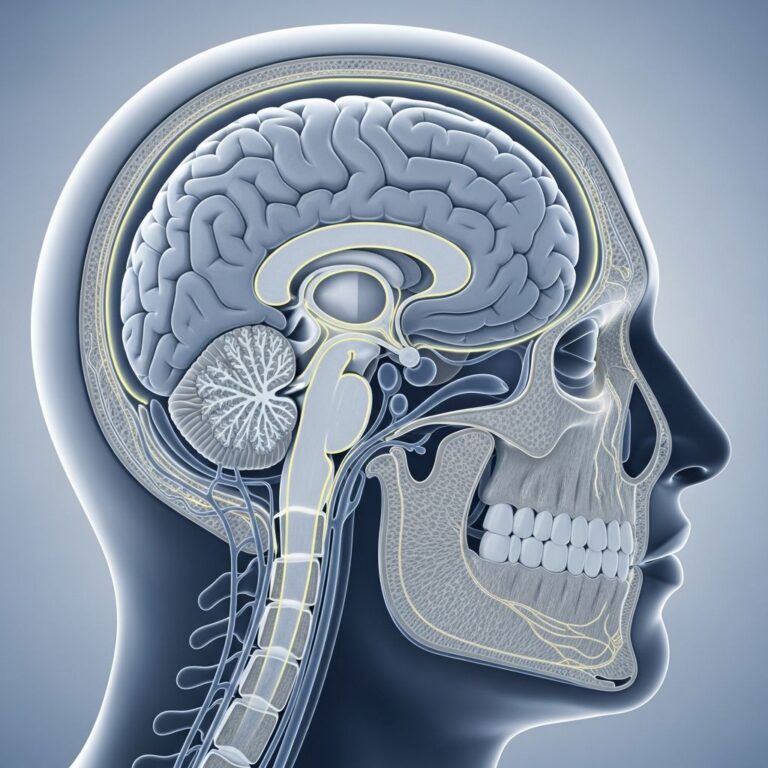
Ross syndrome is a rare peripheral autonomic nervous system disorder characterized by a distinctive triad of clinical features: tonic (Adie) pupil(s), reduced or loss of deep tendon reflexes (hyporeflexia or areflexia), and segmental anhidrosis with compensatory hyperhidrosis. This complex condition affects the body’s ability to regulate temperature and autonomic functions, resulting in significant quality-of-life impacts for affected individuals. Understanding Ross syndrome is essential for healthcare providers, as early recognition and appropriate management can help patients cope with this progressive disorder.
Demographics and Epidemiology
Ross syndrome can occur in any age group, sex, or racial background, making it a truly universal condition that transcends demographic barriers. However, the most common age at presentation is between 25 and 50 years, with the majority of diagnosed cases occurring during this period. There has been a slight male predominance in reported cases, although the limited number of documented cases worldwide means that definitive epidemiological patterns remain uncertain. Since the first description of Ross syndrome by Ross in 1958, approximately 40 to 50 cases have been reported in the medical literature, underscoring its exceptional rarity. The scarcity of documented cases suggests that many instances may go undiagnosed or remain misidentified, leading to delayed treatment and unnecessary investigations.
Causes and Pathophysiological Mechanisms
The exact etiopathogenesis of Ross syndrome remains largely unknown, presenting a significant challenge to researchers and clinicians. However, current evidence points to several key mechanisms underlying the disorder. Recent neuropathological studies have revealed that selective cholinergic nerve degeneration is a fundamental feature of Ross syndrome, with alpha-synuclein accumulation identified in autonomic nerve terminals. This finding suggests that Ross syndrome may belong to a group of disorders known as synucleinopathies, though this classification has not been universally recognized until recently.
The degeneration of parasympathetic neuronal structures is widely regarded as the most probable cause of Ross syndrome. Multiple pathophysiologic mechanisms contribute to the disease process:
- Damage to peripheral autonomic nerve fibers leading to impaired sudomotor function
- Degeneration of postganglionic projections responsible for sweating regulation
- Injury to dorsal root ganglia causing reduced or absent deep tendon reflexes
- Damage to ciliary ganglion structures resulting in tonic pupil development
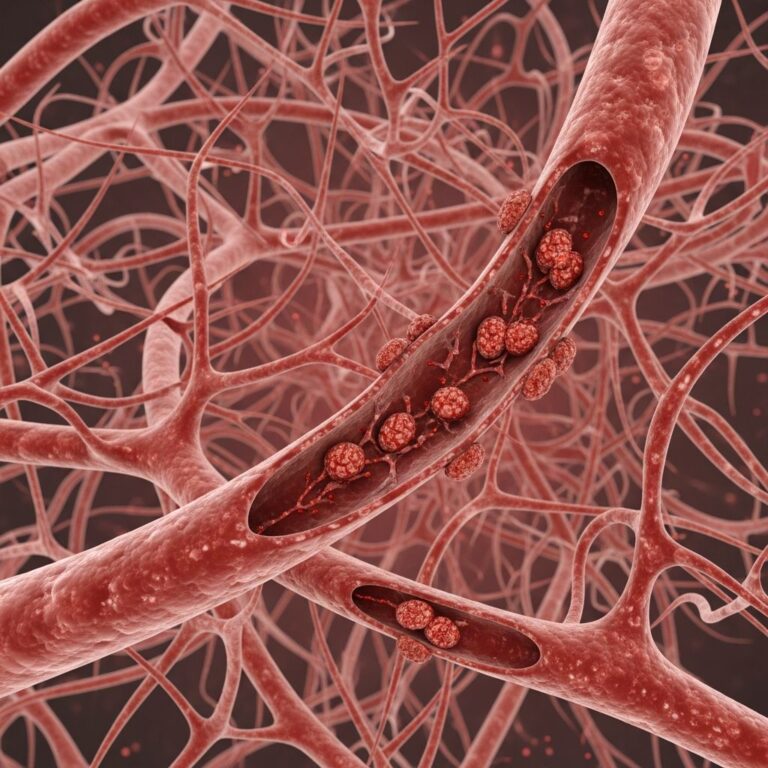
- Impaired regulation of cutaneous blood flow causing dilatation of dermal vasculature
- Loss of cutaneous sensory and autonomic innervation affecting heat production and dissipation
Recent immunohistochemical studies demonstrate that Ross syndrome involves dominant degeneration of cholinergic fibers, distinguishing it from other autonomic disorders such as pure autonomic failure, which primarily affects adrenergic fibers. This selective pattern of nerve fiber degeneration explains the unique constellation of symptoms seen in Ross syndrome patients.
Clinical Features
Sweating Disturbances
The disturbance in sweating is usually the first sign of Ross syndrome and is a mandatory requirement for making the diagnosis. Most patients present with patchy localized hyperhidrosis (excessive sweating), often unaware of the areas of anhidrosis (absent sweating) elsewhere on their body. This creates a paradoxical situation where some body regions fail to sweat while others engage in compensatory excessive sweating.
Hyperhidrosis in Ross syndrome represents a compensatory mechanism, usually involving unilateral segments most commonly on the trunk between the T5 and T12 dermatomes. Excessive sweating can also occur on the buttocks, legs, and face. Hyperhidrosis is most noticeable in humid or hot environments or during physical activity, significantly impacting patients’ daily functioning and quality of life. Many patients report needing to change their clothing several times a day and frequently seek cooling measures such as taking cold showers or using ice packs to manage their symptoms.
Related Stories



The anhidrotic areas pose a serious risk for heat-related complications. Hyperthermia due to extensive anhidrosis is a significant medical complication that can lead to heat exhaustion and heat stroke. The extent of anhidrosis can progress with time in Ross syndrome, potentially increasing the risk of these dangerous conditions.
Reduced or Absent Reflexes
The second most consistent sign of Ross syndrome is a reduction or loss of deep tendon reflexes, typically discovered during neurological examination. This areflexia or hyporeflexia affects the characteristic reflexes tested during standard neurological assessments, helping clinicians identify the disorder during physical examination.
Tonic Pupil Abnormalities
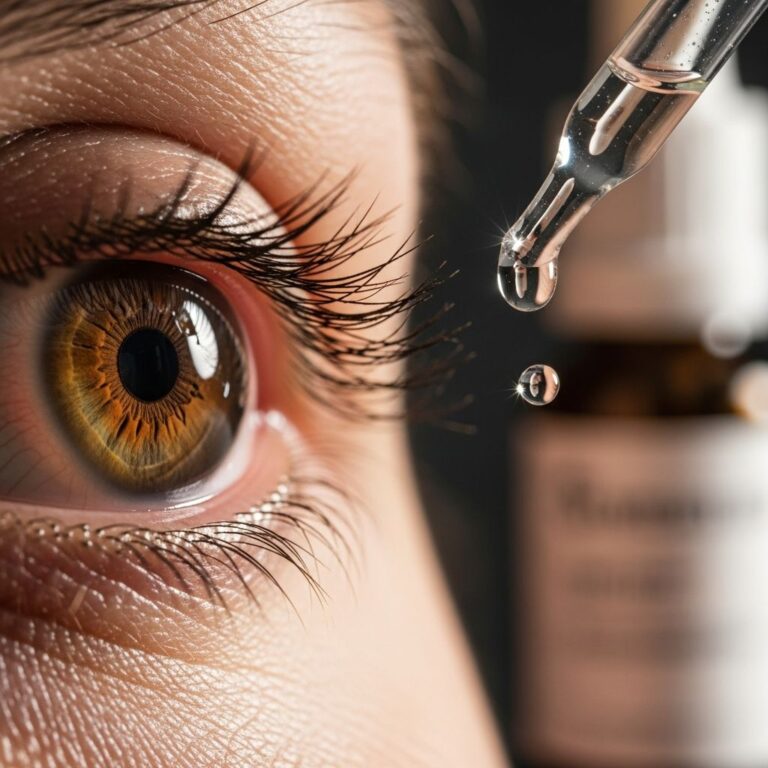
The tonic pupil is an important feature of Ross syndrome, though it may not always be present at initial presentation. Incomplete Ross syndrome may not show the constricted tonic pupil(s) on initial presentation, although this feature is sometimes the reason for seeking medical attention. The tonic pupil typically presents clinically as anisocoria (pupils of different size). The pupil fails to change size on exposure to light but shows the normal size change when accommodating from far vision to close vision. Tonic pupil usually affects one pupil first, before becoming bilateral over time. Despite these pupillary abnormalities, vision is usually normal in Ross syndrome patients.
Complications and Disease Progression
Ross syndrome can lead to several serious complications, particularly as the disease progresses:
- Cardiovascular symptoms: Inappropriate tachycardia and postural hypotension resulting from progressive autonomic dysfunction
- Gastrointestinal complications: Diarrhea and constipation affecting digestive function
- Urinary dysfunction: Urinary urgency and incontinence due to autonomic involvement
- Peripheral neuropathy: Progressive nerve damage affecting sensation and motor function
- Thermoregulatory failure: Life-threatening heat stroke risk from extensive anhidrosis
- Cutaneous sensory loss: Progressive involvement of cutaneous sensory and autonomic innervation
The excessive sweating impacts quality of life significantly and can severely affect the ability to carry out physical work or exercise. The progressive nature of Ross syndrome means that symptoms often worsen over time, requiring ongoing medical management and lifestyle adjustments.
Diagnosis
Diagnosis of Ross syndrome is usually clinical, based on the typical triad of features: tonic pupil(s), areflexia or hyporeflexia, and segmental anhidrosis with compensatory hyperhidrosis. However, incomplete Ross syndrome presenting with only abnormalities in sweating and areflexia is common early in the disease course, making diagnosis challenging in the initial stages.
Clinical diagnostic approach includes:
- Detailed history focusing on sweating disturbances and temperature intolerance
- Comprehensive neurological examination assessing deep tendon reflexes
- Ophthalmological evaluation documenting pupillary characteristics and accommodation
- Starch iodine test to visualize areas of anhidrosis and hyperhidrosis
- Quantitative sensory testing assessing cutaneous innervation
- Skin biopsy for immunohistochemical analysis when diagnosis remains uncertain
- Autonomic function testing to assess cardiovascular and sudomotor involvement
Differential Diagnoses
Ross syndrome shares overlapping features with several other rare autonomic and neurological disorders:
| Condition | Key Features | Distinction from Ross Syndrome |
|---|---|---|
| Holmes-Adie Syndrome | Hyporeflexia with tonic pupil | Lacks significant sweating disturbances; mild or absent anhidrosis without thermoregulatory problems |
| Harlequin Syndrome | Segmental hypohidrosis | Lacks pupillary abnormalities and areflexia; primarily affects sweating without reflex changes |
| Pure Autonomic Failure | Widespread autonomic dysfunction | Primarily affects adrenergic fibers; lacks the characteristic tonic pupil and areflexia of Ross syndrome |
The persistence of sudomotor vasoactive intestinal peptide-immunoreactive (VIP-ir) innervation in Holmes-Adie syndrome, although deranged and poor, definitely differentiates it from Ross patients. Understanding these distinctions is crucial for accurate diagnosis and appropriate management.
Treatment and Management
Currently, there is no definitive cure for Ross syndrome, and treatment focuses on symptom management and improving quality of life. Management strategies include:
- Avoiding excessive heat exposure and high-humidity environments
- Maintaining cool body temperature through air conditioning and appropriate clothing
- Regular monitoring of core body temperature, especially during physical activity
- Frequent hydration and electrolyte replacement
- Topical antiperspirants to reduce compensatory hyperhidrosis in affected areas
- Botulinum toxin injections for localized hyperhidrosis management
- Medications targeting specific complications (cardiovascular symptoms, gastrointestinal issues)
- Patient education regarding heat stroke risk and warning signs
- Occupational modifications to prevent excessive heat exposure during work
Outcome and Prognosis
Ross syndrome is a progressive disorder with variable disease courses among individual patients. The outcome depends on several factors, including the extent of initial autonomic involvement, the rate of disease progression, and the development of serious complications. While some patients experience slow progression with manageable symptoms, others develop significant disability from extensive anhidrosis and progressive autonomic dysfunction.
The progressive and complex nature of the disorder makes long-term monitoring essential. Regular reassessment of autonomic function, careful surveillance for heat-related complications, and management of emerging cardiovascular and gastrointestinal symptoms are crucial for optimizing outcomes and maintaining patient safety.
Frequently Asked Questions
Q: How is Ross syndrome different from Holmes-Adie syndrome?
A: While both conditions feature areflexia and tonic pupils, Ross syndrome uniquely involves significant sweating disturbances (anhidrosis with compensatory hyperhidrosis) and thermoregulatory problems, whereas Holmes-Adie syndrome shows only mild or absent sweating involvement without thermoregulatory complications.
Q: Is Ross syndrome life-threatening?
A: While not directly life-threatening, Ross syndrome can lead to serious complications. The extensive anhidrosis can cause heat stroke and heat exhaustion, which are medical emergencies. Progressive autonomic dysfunction may also cause cardiovascular and gastrointestinal complications.
Q: Can Ross syndrome be cured?
A: Currently, there is no cure for Ross syndrome. Treatment focuses on managing symptoms and preventing complications through lifestyle modifications, temperature regulation, and symptomatic medications.
Q: What causes the excessive sweating in Ross syndrome?
A: The excessive sweating is a compensatory mechanism that occurs in areas attempting to maintain thermoregulation, while areas with anhidrosis cannot produce sweat due to nerve degeneration.
Q: How is Ross syndrome diagnosed?
A: Diagnosis is primarily clinical, based on the characteristic triad of tonic pupils, areflexia, and sweating disturbances. The starch iodine test visualizes anhidrotic and hyperhidrotic areas, and skin biopsy may be performed when diagnosis is uncertain.
Q: Will Ross syndrome symptoms get worse over time?
A: Ross syndrome is progressive, and the extent of anhidrosis can increase with time. However, the rate of progression varies significantly between individuals, and some patients may experience relatively stable disease over several years.
References
- Ross syndrome – DermNet — DermNet New Zealand. January 2026. https://dermnetnz.org/topics/ross-syndrome
- Is Ross Syndrome a New Type of Synucleinopathy? A Brief Review — Frontiers in Neuroscience. 2020. https://www.frontiersin.org/journals/neuroscience/articles/10.3389/fnins.2020.00635/full
- Disorder of sweat, tonic pupil, and areflexia: Ross syndrome — Neurology. American Academy of Neurology. https://www.neurology.org/doi/10.1212/WNL.0000000000010101
- Ross syndrome: A rare and complex disorder of thermoregulation — Journal of Skin and Sexually Transmitted Diseases. https://jsstd.org/ross-syndrome-a-rare-and-complex-disorder-of-thermoregulation/
- Ross Syndrome — PubMed Central, National Institutes of Health. https://pmc.ncbi.nlm.nih.gov/articles/PMC7204520/
- Ross syndrome: a rare or a misknown disorder of thermoregulation — PubMed, National Center for Biotechnology Information. https://pubmed.ncbi.nlm.nih.gov/16837483/
Similar Articles








Read full bio of medha deb