Rotavirus Symptoms: Guide To Signs, Duration, And Care
Recognize rotavirus symptoms early to prevent dehydration and severe complications in children.
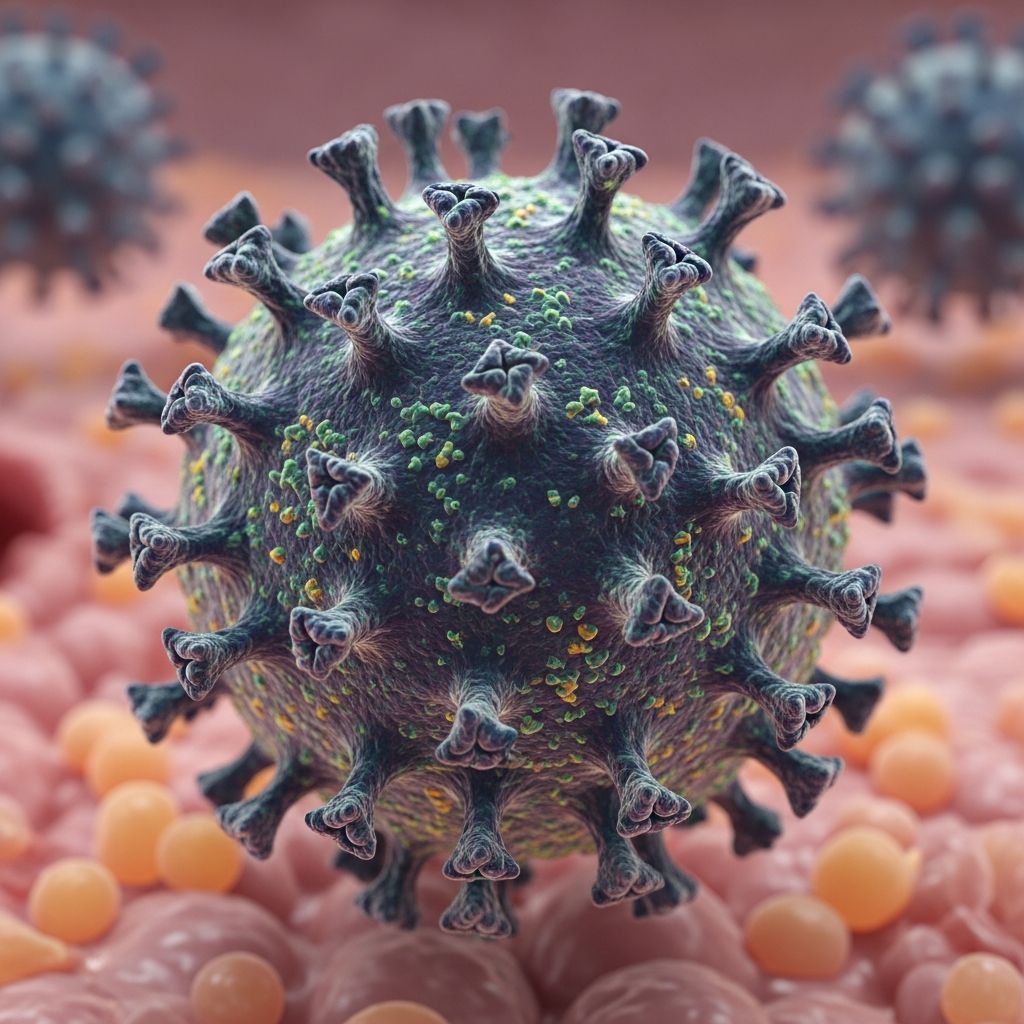
Rotavirus is a highly contagious virus that primarily affects infants and young children, causing severe gastroenteritis characterized by watery diarrhea, vomiting, fever, and abdominal pain. These symptoms typically last 3-8 days and can lead to dangerous dehydration if not managed properly.
What Is Rotavirus?
Rotavirus is the leading cause of severe diarrheal disease in infants and young children worldwide, infecting the stomach and intestines. It spreads through the fecal-oral route via contaminated hands, surfaces, food, or water, with an incubation period of 1-3 days. While anyone can get infected, young children under 5 are most vulnerable, experiencing the most severe symptoms from their first infection. Natural infection or vaccination does not provide complete immunity, allowing reinfections that are usually milder.
Before widespread vaccination in 2006, rotavirus caused significant hospitalizations, but vaccines have reduced U.S. cases by preventing 40,000-50,000 hospitalizations annually in babies and young children. Globally, it remains a major health concern, especially in areas with limited vaccine access.
Rotavirus Symptoms
Symptoms of rotavirus infection begin abruptly 1-3 days after exposure and typically resolve in 3-8 days, though viral shedding can continue for weeks. The illness often starts with fever and vomiting, followed by profuse watery diarrhea. Common symptoms include:
- Vomiting: Often the first sign, lasting 1-2 days, preceding diarrhea.
- Watery diarrhea: Explosive and frequent, lasting 3-8 days, the hallmark feature.
- Fever: Common, with 30-40% of children experiencing temperatures above 39°C (102°F), averaging 2.2 days.
- Abdominal pain or cramping: Mild to moderate discomfort.
- Loss of appetite (anorexia): Widespread, affecting up to 83% in outbreaks.
- Nausea: Frequently reported.
- Other symptoms: Fatigue, malaise, headache, myalgias, chills, cough, or runny nose in some cases.
First infections cause the most severe symptoms, while subsequent ones are milder due to partial immunity. Adults and older children may have asymptomatic or mild infections.
Rotavirus Symptoms in Babies
Infants, especially under 6 months, face heightened risks due to their small size and immature immune systems. Symptoms mirror those in older children but escalate quickly to dehydration. Babies may show irritability, fussiness, or unusual sleepiness alongside vomiting and diarrhea. A cough or runny nose can precede gastrointestinal issues.
Dehydration signs in babies are critical to monitor: sunken fontanelle (soft spot), no tears when crying, fewer wet diapers, dry mouth, or lethargy. Prompt intervention is essential as dehydration can lead to hospitalization or, rarely, death.
How Long Do Rotavirus Symptoms Last?
Rotavirus symptoms generally persist for 3-8 days, with vomiting resolving first (1-2 days), followed by fever (about 2 days), and diarrhea up to 8 days. Full recovery occurs within 7-10 days for most, but severe cases may require longer management. Virus shedding continues 10 days post-infection, aiding transmission.
| Symptom | Duration |
|---|---|
| Vomiting | 1-2 days |
| Fever | 1-3 days |
| Diarrhea | 3-8 days |
| Overall Illness | 3-8 days |
Rotavirus vs. Other Stomach Bugs
Rotavirus is often confused with norovirus or other gastroenteritis causes. Key differences:
| Feature | Rotavirus | Norovirus |
|---|---|---|
| Primary Affected Group | Infants/young children | All ages |
| Symptom Duration | 3-8 days | 1-3 days |
| Vaccine Available | Yes (oral vaccines) | No |
| Diarrhea Type | Watery, profuse | Variable |
Unlike bacterial infections, rotavirus does not respond to antibiotics; supportive care is key.
Rotavirus Causes
The virus replicates in the small intestine, damaging villi and causing malabsorption, leading to watery diarrhea. Transmission occurs via fecal-oral route: direct contact, contaminated objects, or poor hygiene. Highly contagious, outbreaks occur in daycare, schools, and hospitals.
Related Stories



Rotavirus Diagnosis
Diagnosis is primarily clinical, based on symptoms like watery diarrhea and vomiting in young children during peak season (winter-spring). Stool antigen tests confirm rotavirus if needed, but are rarely used outside outbreaks or research.
Rotavirus Treatment
No specific antiviral treatment exists; management focuses on preventing dehydration. Key strategies:
- Oral rehydration solution (ORS): Preferred for mild-moderate cases; replace fluids and electrolytes.
- IV fluids: For severe dehydration requiring hospitalization.
- Zinc supplementation: Recommended by WHO for children in developing countries to shorten diarrhea.
- Supportive care: Avoid anti-diarrheals; continue breastfeeding/formula; bland diet post-vomiting.
Monitor for dehydration and seek medical help if symptoms worsen.
Rotavirus Prevention
Vaccination is the cornerstone: two oral vaccines (Rotarix, RotaTeq) given at 2, 4, and 6 months prevent severe disease. Additional measures:
- Handwashing with soap.
- Disinfect surfaces.
- Isolate infected children.
Vaccines have dramatically reduced hospitalizations since 2006.
Rotavirus Complications
Primary complication is dehydration, potentially causing electrolyte imbalance, shock, or death if untreated. Rare severe cases in adults involve multi-organ failure. Reinfections occur but are less severe.
When to See a Doctor for Rotavirus Symptoms
Seek immediate care if dehydration signs appear: no urination for 6-8 hours, no tears, sunken eyes/fontanelle, extreme lethargy, bloody stools, high fever (>104°F), or symptoms lasting >3 days without improvement.
Frequently Asked Questions (FAQs)
Is rotavirus contagious?
Yes, highly contagious via fecal-oral route; infected individuals shed virus for days to weeks.
Can adults get rotavirus?
Yes, but usually mild or asymptomatic; severe cases rare.
Does rotavirus go away on its own?
Yes, in 3-8 days with proper hydration; no antibiotics needed.
How can I prevent rotavirus in my child?
Vaccinate per schedule, practice hand hygiene, and disinfect surfaces.
What are dehydration signs in rotavirus?
- Dry mouth/throat
- No tears
- Decreased urination
- Lethargy/dizziness
- Sunken eyes/fontanelle
References
- Clinical Overview of Rotavirus — Centers for Disease Control and Prevention (CDC). 2023. https://www.cdc.gov/rotavirus/hcp/clinical-overview/index.html
- Rotavirus Sickness Symptoms: Manifestations of Defensive Responses — National Center for Biotechnology Information (PMC). 2024-07-23. https://pmc.ncbi.nlm.nih.gov/articles/PMC11281384/
- Rotavirus — Nationwide Children’s Hospital. 2024. https://www.nationwidechildrens.org/conditions/rotavirus
- Rotavirus — Nemours KidsHealth. 2024. https://kidshealth.org/en/parents/rotavirus.html
- Rotavirus Infections — World Health Organization (WHO). 2024. https://www.who.int/westernpacific/health-topics/rotavirus-infections
- A to Z: Rotavirus — Rady Children’s Health. 2024. https://www.rchsd.org/health-article/a-to-z-rotavirus/
- Rotavirus — Cleveland Clinic. 2024-05-30. https://my.clevelandclinic.org/health/diseases/8275-rotavirus
Similar Articles








Read full bio of Sneha Tete