Rotigotine Patches (Neupro): Essential Guide For Patients
Comprehensive guide to using rotigotine patches for Parkinson's disease and restless legs syndrome management.
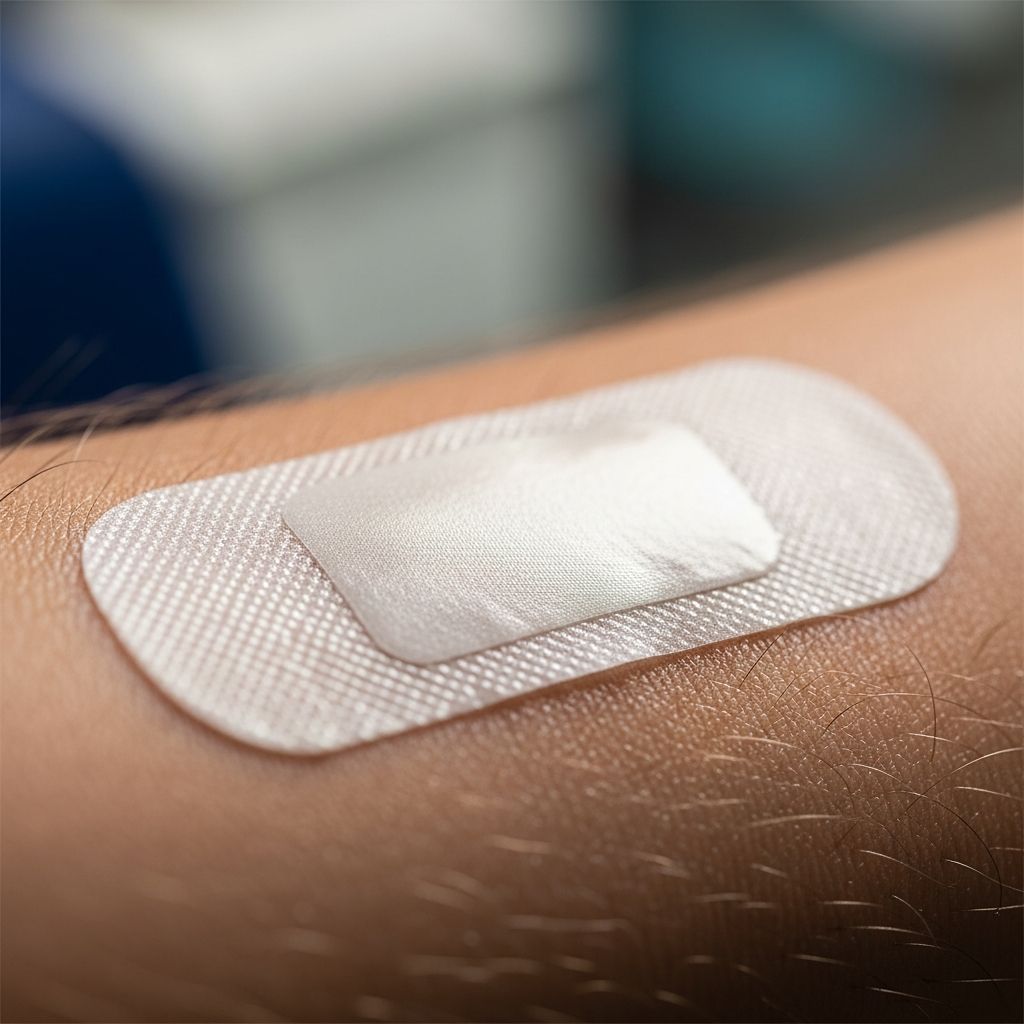
Rotigotine patches, marketed as
Neupro
, are a transdermal medication designed to deliver a steady dose of the active ingredient rotigotine through the skin into the bloodstream over 24 hours. This dopamine agonist mimics the action of dopamine in the brain, helping to manage symptoms ofParkinson’s disease
andrestless legs syndrome (RLS)
.About rotigotine patches
Rotigotine belongs to a class of medications known as
dopamine-receptor agonists
. These drugs act on the same receptors in the brain that natural dopamine targets, effectively substituting for the deficient dopamine levels seen in certain neurological conditions.In
Parkinson’s disease
, a progressive disorder affecting brain cells that produce dopamine, patients experience symptoms like tremors, stiffness, slowed movements, and balance issues. Rotigotine helps improve muscle coordination and control by stimulating dopamine receptors.For
restless legs syndrome (RLS)
, also called Willis-Ekbom disease, individuals feel uncomfortable sensations in their legs, often accompanied by an irresistible urge to move them, particularly at night. While the exact mechanism is not fully understood, rotigotine’s dopamine-mimicking effects alleviate these symptoms.| Type of Medicine | Used For | Brand Name | Available As |
|---|---|---|---|
| Dopamine-receptor agonist | Parkinson’s disease, Restless Legs Syndrome | Neupro® | Skin patches (1, 2, 3, 4, 6, 8 mg/24 hours) |
Before using rotigotine patches
Consult your doctor before starting rotigotine to ensure it’s suitable for you. Inform them if you have:
- Any liver problems, as these can affect drug processing.
- Heart conditions, low blood pressure, or a history of fainting.
- Breathing issues like asthma, due to potential sulfite sensitivity in the patch.
- Mental health conditions, such as depression or psychosis, as rotigotine may worsen them.
- Are pregnant, breastfeeding, or planning pregnancy. Rotigotine’s safety in pregnancy is not fully established.
- Take other medications, including over-the-counter drugs, supplements, or those for sleep, blood pressure, or mental health, to avoid interactions.
- Ever experienced an allergic reaction to rotigotine or patch components. Neupro is contraindicated in those with hypersensitivity.
People with Parkinson’s may have heightened skin sensitivity, increasing the risk of application-site reactions.
How to use rotigotine patches
Always follow your doctor’s instructions and read the patient information leaflet supplied with the patches. Available strengths include 1 mg, 2 mg, 3 mg, 4 mg, 6 mg, and 8 mg per 24 hours.
Starting and Dosing
Treatment begins with a low dose, gradually increased weekly to minimize side effects and optimize control:
- Parkinson’s Disease (Early-stage): Start with 2 mg/24 hours; maximum 6 mg/24 hours.
- Parkinson’s Disease (Advanced-stage): Start with 4 mg/24 hours; maximum 8 mg/24 hours.
- Restless Legs Syndrome: Start with 1 mg/24 hours; maximum 3 mg/24 hours.
Apply one patch every 24 hours at the same time daily. Remove the old patch before applying the new one.
Related Stories



Application Instructions
- Choose a clean, dry, hairless area on the front trunk, thigh, hip, shoulder, or upper arm. Avoid oily, irritated, or scarred skin.
- Do not cut or damage the patch.
- Press the patch firmly onto the skin for 30 seconds with the palm of your hand.
- Wash hands after application.
- Rotate sites daily to prevent skin irritation; do not use the same site for 14 days.
- Bathe or shower as normal, but avoid direct heat on the patch (sauna, heating pad).
If a patch loosens, tape edges down; replace if it falls off. Check skin regularly for reactions like redness or swelling.
Duration and Stopping
Use continuously unless advised otherwise. Do not stop abruptly, as this can worsen symptoms or cause withdrawal effects like fever or confusion. Taper gradually under medical supervision.
Side effects of rotigotine patches
Rotigotine is generally well-tolerated, but side effects can occur. Most are mild and improve over time.
| Common (affecting >1 in 10 people) | Less Common |
|---|---|
| Nausea, vomiting, drowsiness, application site reactions (redness, itching, swelling) | Headache, dizziness, insomnia, abnormal dreams, constipation, weight changes |
Serious side effects (seek immediate medical help):
- Sudden sleep attacks: Some users fall asleep without warning, risking accidents. Avoid driving until effects are known.
- Impulse control disorders: Gambling, binge eating, hypersexuality, or shopping sprees. Report promptly.
- Allergic reactions: Rash, swelling of face/lips/tongue, breathing difficulty (especially in sulfite-sensitive individuals).
- Hallucinations, severe confusion, or worsening mental symptoms.
- High blood pressure, fainting, or irregular heartbeat.
- Skin reactions that persist or worsen.
Report any new or troubling symptoms to your doctor. Regular check-ups monitor progress and adjust treatment.
How to cope with side effects of rotigotine patches
- Nausea: Take with food or anti-nausea meds; dose titration helps.
- Skin irritation: Rotate sites, use mild soap, avoid lotions. Persistent issues may require a break or alternative.
- Drowsiness/Sleep attacks: Avoid alcohol, sedatives; schedule activities accordingly.
- Impulse behaviors: Monitor habits; discuss dose changes.
- Constipation: Increase fiber, fluids, exercise.
Precautions while using rotigotine
Attend all doctor appointments for monitoring. Tests may check liver function, blood pressure, or skin health.
- Do not drive or operate machinery until you know how it affects you.
- Avoid alcohol, which can worsen drowsiness.
- Inform healthcare providers you’re using rotigotine before surgery or tests.
- Store patches at room temperature, out of reach of children and pets. Used patches contain active drug; dispose safely.
Frequently Asked Questions (FAQs)
What is rotigotine used for?
Rotigotine (Neupro) treats Parkinson’s disease symptoms and moderate-to-severe restless legs syndrome in adults.
How do you apply Neupro patches?
Apply one patch daily to clean, dry, hairless skin on the trunk, thigh, etc. Rotate sites and replace every 24 hours.
Can rotigotine cause sleepiness?
Yes, sudden sleep onset is possible. Do not drive if this occurs and consult your doctor.
Is rotigotine safe during pregnancy?
Discuss with your doctor; limited data exists. Not recommended unless benefits outweigh risks.
What if the patch falls off?
Apply a new patch and continue the schedule. Inform your doctor if frequent.
References
- Rotigotine (transdermal route) – Mayo Clinic — Mayo Foundation for Medical Education and Research. 2023. https://www.mayoclinic.org/drugs-supplements/rotigotine-transdermal-route/description/drg-20071097
- Neupro | European Medicines Agency (EMA) — European Medicines Agency. 2024-06-01. https://www.ema.europa.eu/en/medicines/human/EPAR/neupro
- Neupro Patient Brochure — UCB Pharma. 2023. https://www.neupro.com/neupro-patient-brochure.pdf
- Rotigotine patches (Neupro) | Patient.info — Egton Medical Information Systems Limited. 2024. https://patient.info/medicine/rotigotine-patches-neupro
- Rotigotine Transdermal Patch: MedlinePlus Drug Information — U.S. National Library of Medicine. 2024-01-15. https://medlineplus.gov/druginfo/meds/a607059.html
- Neupro Patient Information — UCB, Inc. 2023. https://www.neupro.com/neupro-patient-information.pdf
Similar Articles








Read full bio of Sneha Tete