Undefined Roxithromycin: Complete Guide To Uses, Dosage, Risks
Comprehensive guide to roxithromycin, a macrolide antibiotic for treating respiratory, skin, and other bacterial infections effectively.
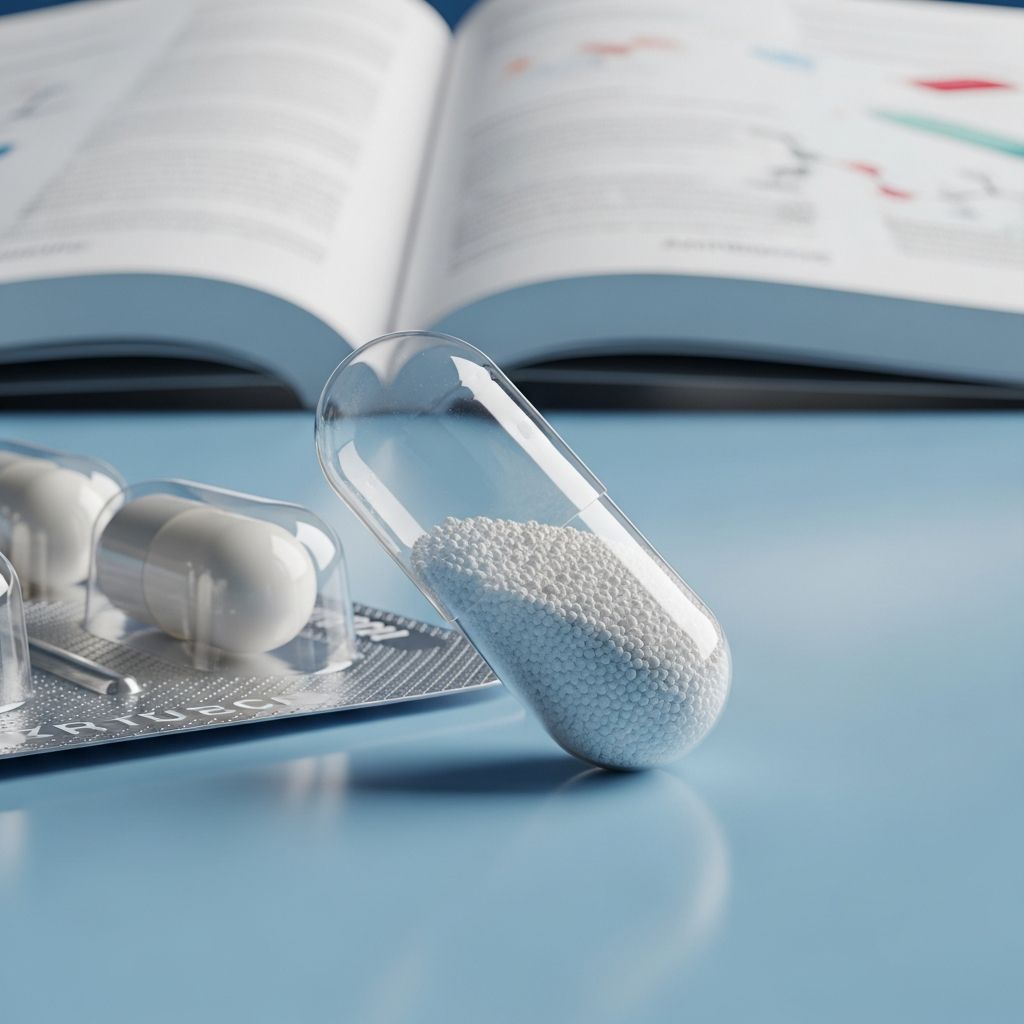
Roxithromycin stands as a key player in the arsenal against bacterial infections, belonging to the macrolide class of antibiotics. Derived semi-synthetically from erythromycin, it offers a broad spectrum of activity particularly effective against gram-positive bacteria and select gram-negative pathogens. This guide delves into its pharmacology, clinical applications, administration protocols, potential adverse effects, and essential safety measures, empowering informed decision-making for both patients and clinicians.
Understanding How Roxithromycin Targets Bacteria
At its core, roxithromycin exerts a bacteriostatic effect by disrupting essential bacterial processes. It specifically binds to the 50S subunit of the bacterial ribosome, the cellular machinery responsible for protein synthesis. This binding inhibits the translocation of peptides during translation, halting the production of proteins vital for bacterial survival and replication. Unlike bactericidal agents that outright kill bacteria, roxithromycin prevents growth and multiplication, allowing the body’s immune system to clear the infection.
This mechanism mirrors other macrolides but with enhanced binding affinity, contributing to its efficacy. Resistance can emerge through mutations in the 50S rRNA, which alter the binding site and permit uninterrupted protein synthesis. Roxithromycin also concentrates highly in immune cells like polymorphonuclear leukocytes and macrophages, achieving intracellular levels far exceeding extracellular concentrations. This accumulation boosts phagocytosis and bacterial lysis, amplifying its therapeutic impact.
Broad Spectrum of Bacterial Targets
Roxithromycin demonstrates robust activity against a diverse array of pathogens. It excels against gram-positive organisms such as Staphylococcus aureus, Streptococcus pneumoniae, and Streptococcus pyogenes. Among gram-negatives, it targets Branhamella catarrhalis and Haemophilus influenzae, with minimum inhibitory concentrations (MICs) ranging from 0.13 mg/L for streptococci to 8 mg/L for H. influenzae.
Atypical pathogens fall squarely within its scope, including Legionella pneumophila, Chlamydia trachomatis, Chlamydophila pneumoniae, Mycoplasma pneumoniae, and even elements of the Mycobacterium avium complex (MIC 4-32 mg/L). Its MIC profile supports use in community-acquired infections, with values typically between 0.05-8 µg/mL ensuring adequate coverage when therapeutic levels are maintained.
| Pathogen | Typical MIC (mg/L) | Key Infections |
|---|---|---|
| Streptococcus pyogenes | 0.13 | Throat, skin |
| Streptococcus pneumoniae | 0.13 | Pneumonia, otitis |
| Haemophilus influenzae | 8.0 | Respiratory |
| Chlamydia trachomatis | 0.06 | Genital, respiratory |
| Legionella pneumophila | Variable | Pneumonia |
Clinical Applications Across Infection Types
Roxithromycin finds primary use in managing respiratory tract infections, both upper and lower. Conditions like acute bronchitis, community-acquired pneumonia, sinusitis, pharyngitis, tonsillitis, otitis media, and exacerbations of chronic bronchitis respond well to its therapy. In skin and soft tissue infections, it treats furuncles, impetigo, cellulitis, infected dermatitis, and pyoderma effectively.
Its utility extends to sexually transmitted infections involving Chlamydia trachomatis and urogenital mycoplasma, as well as periodontal diseases like gingivitis. Emerging evidence highlights its role in chronic airway conditions such as diffuse panbronchiolitis and bronchial asthma, where it modulates inflammation beyond mere antimicrobial action. By suppressing cytokine production like IL-8, IL-6, and GM-CSF from bronchial epithelial cells, roxithromycin curbs neutrophil recruitment and adhesion, mitigating airway inflammation.
- Respiratory: Pneumonia, bronchitis, sinusitis
- ENT: Otitis media, pharyngitis
- Skin/Soft Tissue: Cellulitis, impetigo
- Other: Chlamydial infections, dental abscesses
Pharmacokinetics: Absorption, Distribution, and Elimination
Administered orally, roxithromycin boasts excellent bioavailability, with peak plasma concentrations reached within 2-4 hours. Food slightly delays absorption but does not significantly impair it. Its extensive tissue penetration ensures high concentrations in lung tissue, skin, and mucosal sites—key battlegrounds for infection.
Related Stories



The drug’s half-life of approximately 12 hours supports once- or twice-daily dosing. Metabolism occurs primarily in the liver, with 50-60% excreted unchanged via bile and urine. Dosage adjustments prove unnecessary in mild renal impairment, but caution applies in severe cases or hepatic dysfunction.
Recommended Dosage and Administration Protocols
Standard adult dosing involves 150 mg tablets taken twice daily or 300 mg once daily, ideally with meals to minimize gastrointestinal upset. Treatment duration typically spans 7-14 days, tailored to infection severity. For children, weight-based dosing (2.5-4 mg/kg twice daily) uses suspensions, ensuring palatability and compliance.
In specific scenarios, such as community-acquired pneumonia, a loading dose may optimize early therapeutic levels. Always complete the full course to prevent resistance development. Here’s a dosing overview:
| Patient Group | Dose | Frequency | Duration |
|---|---|---|---|
| Adults (Respiratory/Skin) | 150 mg | Twice daily | 7-10 days |
| Adults (Severe) | 300 mg | Once daily | 10-14 days |
| Children (>40 kg) | Adult dose | – | – |
| Children (<40 kg) | 2.5 mg/kg | Twice daily | 7-10 days |
Potential Side Effects and Management Strategies
While generally well-tolerated, roxithromycin can provoke gastrointestinal disturbances like nausea, diarrhea, abdominal pain, and vomiting in 5-10% of users—the most frequent complaints. Less common are headache, dizziness, rash, and pruritus. Prolonged use risks Clostridium difficile-associated diarrhea.
Hepatic effects manifest rarely as elevated transaminases, warranting monitoring in at-risk patients. Allergic reactions, from urticaria to anaphylaxis, necessitate immediate discontinuation. Its immunomodulatory properties may benefit chronic conditions but require vigilant oversight.
- Common (>1/100): Nausea, diarrhea
- Uncommon (1/1000-1/100): Rash, headache
- Rare (<1/10000): Liver enzyme rise, anaphylaxis
Critical Precautions and Contraindications
Contraindicate roxithromycin in individuals with known hypersensitivity to macrolides or severe hepatic impairment. Use cautiously alongside drugs prolonging QT interval (e.g., cisapride, pimozide), as it may exacerbate arrhythmias. It interacts with warfarin, elevating bleeding risk, and theophylline, potentially increasing toxicity.
Pregnancy category B suggests safety in later trimesters, but first-trimester data remains limited—consult specialists. Breastfeeding mothers may continue, as levels in milk are low. Avoid in myasthenia gravis patients due to potential exacerbation.
Special Considerations for Vulnerable Populations
Elderly patients benefit from its once-daily option, reducing adherence issues, though age-related renal decline may prolong elimination. Pediatrics dosing ensures efficacy without excess exposure. In chronic inflammatory airway diseases, low-dose prolonged therapy harnesses anti-inflammatory effects independently of antimicrobial action.
Frequently Asked Questions (FAQs)
What infections does roxithromycin treat best?
It targets respiratory tract infections like pneumonia and bronchitis, skin infections, and chlamydial diseases effectively.
Can I take roxithromycin with food?
Yes, taking it with meals reduces stomach upset while maintaining absorption.
Is roxithromycin safe during pregnancy?
Generally category B; discuss risks with your doctor, especially in early pregnancy.
How long until roxithromycin works?
Symptom relief often begins within 48-72 hours, but complete the full course.
What if I miss a dose?
Take it as soon as remembered unless near the next dose; do not double up.
References
References
- Roxithromycin – TOKU-E — TOKU-E. Accessed 2026. https://toku-e.com/roxithromycin/
- Uses of Roxithromycin 150mg — Vinmec. Accessed 2026. https://www.vinmec.com/eng/blog/uses-of-roxithromycin-150mg-en
- Roxithromycin: Uses, Interactions, Mechanism of Action — DrugBank. Accessed 2026. https://go.drugbank.com/drugs/DB00778
- Pharmacokinetics, Mechanism of action, Uses, Effects — MBBS NAIJA (YouTube). 2024-12-18. https://www.youtube.com/watch?v=vRRCT2YgVBc
- Roxithromycin Inhibits Cytokine Production by and Neutrophil Attachment — PMC (NCBI). Accessed 2026. https://pmc.ncbi.nlm.nih.gov/articles/PMC105630/
- Pharmacokinetics and dosage regimen of roxithromycin in adult — Logixs Journals. Accessed 2026. https://logixsjournals.com/articles/36
Similar Articles








Read full bio of Sneha Tete