Rubella: Symptoms, Diagnosis, Treatment & Prevention
Complete guide to rubella: understanding symptoms, diagnosis, and effective prevention strategies.
What is Rubella?
Rubella, commonly known as German measles, is a contagious viral infection characterized by a distinctive rash and systemic symptoms. The disease is caused by the rubella virus and has become increasingly rare in countries with robust vaccination programs. Despite being generally mild in children and non-pregnant adults, rubella poses significant risks to pregnant women and their developing fetuses, making prevention through vaccination critically important.
The infection spreads easily from person to person through respiratory droplets, making it a public health concern in unvaccinated populations. Understanding the characteristics of rubella is essential for early recognition, proper diagnosis, and appropriate management of this preventable disease.
Signs and Symptoms of Rubella
Rubella presents with a variable clinical picture, ranging from asymptomatic infection to mild systemic illness with characteristic rash. Notably, 25% to 50% of rubella infections are asymptomatic, meaning individuals may carry and transmit the virus without knowing they are infected.
Common Symptoms
When symptoms develop, they typically include:
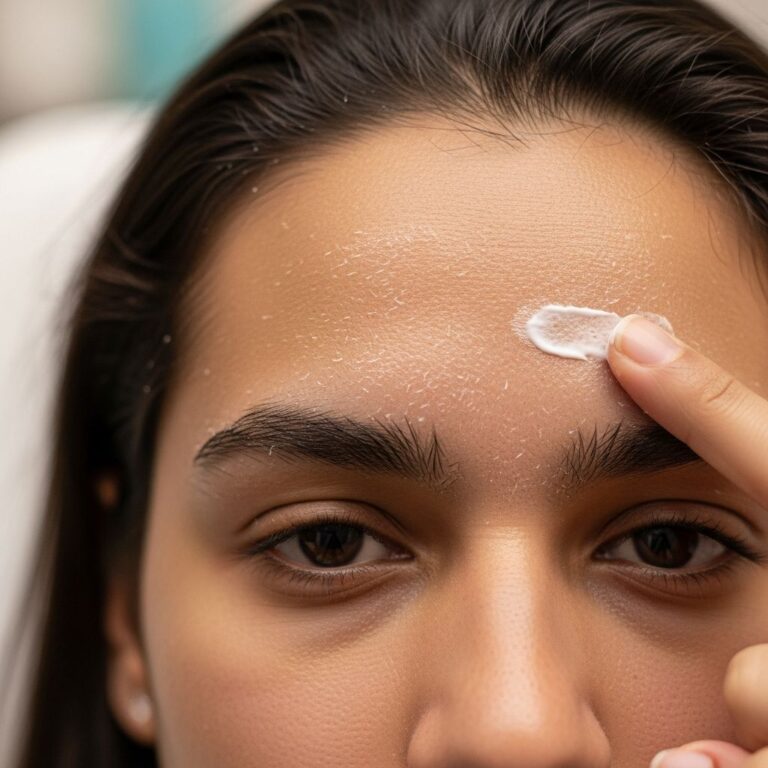
- A fine, maculopapular rash that usually begins on the face and spreads to the neck, torso, and limbs
- Mild fever, typically 102°F (38.9°C) or lower
- Headache and general malaise
- Runny or stuffy nose
- Conjunctivitis (red, itchy eyes)
- Sore throat
- Swollen lymph nodes, particularly at the back of the neck and behind the ears
- Cough and sneezing
Characteristics of the Rash
The rubella rash is distinctive in its presentation and progression. The rash typically:
- Begins on the face or behind the ears
- Appears as small, fine pink spots that are barely raised from the skin
- Becomes generalized within 24 hours, spreading to the body and limbs
- Lasts a median of 3 days, typically resolving in 2 to 3 weeks
- Occurs in 50% to 80% of infected individuals
- May be harder to visualize on darker skin tones
- Resolves in the same order it appeared (face to trunk to extremities)
Symptom Severity by Age Group
Symptom severity varies significantly by age and sex. In children, symptoms are often mild and may go unnoticed. However, adolescents and adults, particularly females, often experience more pronounced symptoms including severe joint pain and stiffness that may persist for weeks. This sex-based difference in symptom severity is not fully understood but appears related to immune response differences.
Uncommon Complications
While rare, some infected individuals may develop:
- Joint pain or stiffness lasting several days to weeks
- Swelling of glands in the cheeks or neck
- Fever-associated seizures in young children
- Thrombocytopenia (low platelet count) causing unusual bleeding or bruising
- Serious allergic reactions (extremely rare)
Incubation and Infectious Period
Understanding the timeline of rubella infection is crucial for contact tracing and public health management. The incubation period, or time between exposure and symptom onset, ranges from 14 to 23 days, with an average of 16 to 18 days.
The infectious period extends from approximately 7 days before rash appearance through at least 4 days after rash onset, with some sources indicating infectivity up to 7 days after rash development. This extended infectious period before symptom onset makes rubella particularly challenging to contain, as infected individuals may unknowingly transmit the virus to others.
Related Stories



Congenital Rubella Syndrome
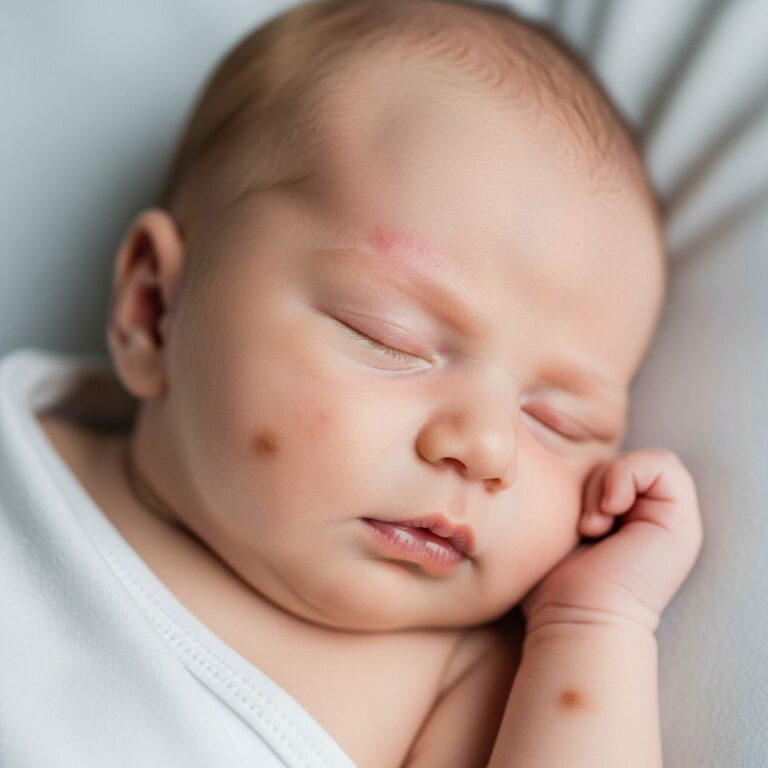
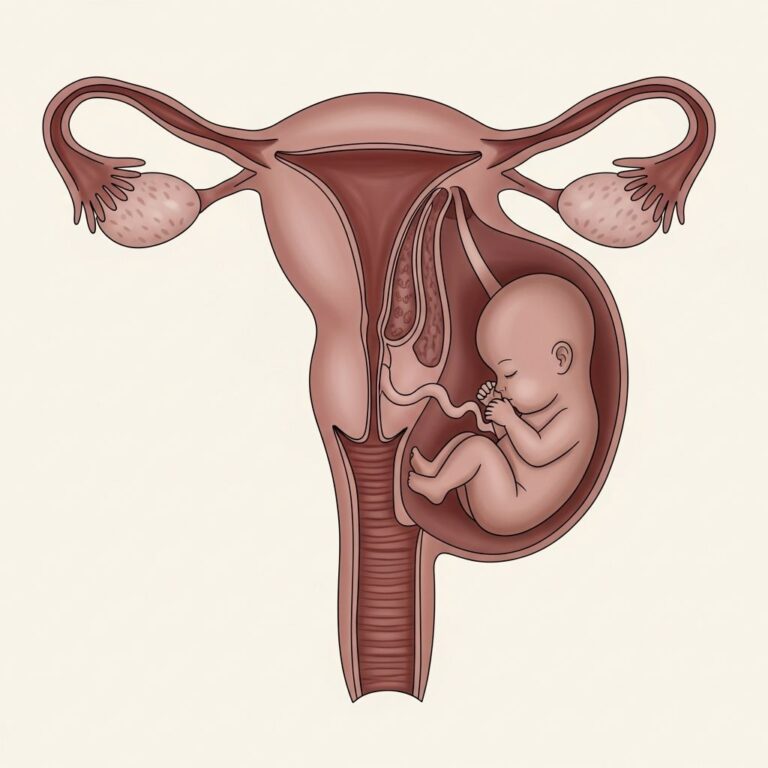
The most serious consequence of rubella infection is congenital rubella syndrome (CRS), which occurs when a pregnant woman acquires rubella infection. The risk and severity of fetal complications depend critically on the gestational age at infection:
- First 8-10 weeks of pregnancy: Up to 90% of fetuses experience death or significant damage
- At 16 weeks gestation: Risk decreases to 10-20% with multiple defects possible
- After 20 weeks gestation: Defects become rare
Manifestations of Congenital Rubella Syndrome
Infants born with CRS may exhibit multiple complications including:
- Deafness or hearing impairment
- Blindness or cataracts
- Congenital heart defects
- Brain damage and developmental delays
- Mental handicap or intellectual disability
- Growth restriction and low birth weight
- Microcephaly and other neurological abnormalities
Late complications are increasingly recognized in children with CRS, including progressive hearing loss, vision problems, and behavioral difficulties that may not manifest until years after birth.
Diagnosis of Rubella
Clinical diagnosis of rubella based on rash appearance alone is unreliable. Many other viral infections produce similar rashes, and up to half of rubella infections may be subclinical or present atypically. Therefore, laboratory confirmation is essential for accurate diagnosis and public health reporting.
Diagnostic Testing Methods
Healthcare providers employ several testing approaches to confirm rubella infection:
- Polymerase Chain Reaction (PCR) Testing: Nasopharyngeal swabs, throat swabs, or urine specimens can detect viral RNA, indicating current infection
- Virus Culture: Isolation of the rubella virus from respiratory or body fluid specimens
- Serology Testing (Blood Tests): Detection of rubella-specific antibodies indicating past infection or vaccination
- Molecular Typing: Determining the specific strain of rubella virus for epidemiological tracking
Interpreting Test Results
Test interpretation depends on the specimen type and test performed. Positive PCR or viral culture from respiratory specimens or urine indicates current infection. Positive serological tests indicate the presence of antibodies, which may result from past infection or successful vaccination, suggesting immunity to future infection.
Treatment for Rubella
No specific antiviral therapy exists for rubella infection. The infection is self-limiting, meaning the body’s immune system effectively controls and eliminates the virus. However, supportive care can alleviate symptoms and promote comfort during illness.
Symptomatic Management
Treatment focuses on managing symptoms while the infection resolves naturally:
- Hydration: Adequate fluid intake is essential to prevent dehydration and support immune function
- Pain and Fever Relief: Paracetamol (acetaminophen) can reduce fever and alleviate headaches, joint pain, and muscle aches
- Avoid Aspirin: Aspirin should not be given to children under 12 years old unless specifically recommended by a physician
- Cough and Cold Remedies: Over-the-counter cough suppressants and decongestants may provide symptomatic relief
- Rest: Adequate bed rest supports immune function and symptom recovery
Isolation and Infection Control
Individuals with confirmed or suspected rubella should isolate from others to prevent transmission. Isolation should continue for at least 7 days after rash onset. In healthcare and childcare settings, particular attention must be paid to protecting pregnant women from exposure, as they face the highest risk of serious complications.
Treatment of Congenital Rubella Syndrome
Management of congenital rubella syndrome depends on the severity and types of manifestations present. Some conditions are treatable with medication or surgical intervention, while permanent damage requires ongoing management to optimize quality of life and developmental outcomes.
Prevention of Rubella
Vaccination remains the most effective strategy for preventing rubella and protecting vulnerable populations. The MMR (measles, mumps, rubella) vaccine is highly effective and provides long-lasting immunity in the vast majority of recipients.
Vaccination Recommendations
Healthcare and childcare workers should be assessed for rubella immunity and vaccinated if non-immune. All individuals should be assessed for immunity status, particularly women of childbearing age who are not yet pregnant. Vaccination after exposure to rubella is ineffective in preventing infection.
Immunity Assessment
Immunity to rubella can be confirmed through serological testing showing antibodies to rubella, either from prior vaccination or past infection. Those without documented immunity should receive vaccination regardless of presumed prior exposure.
Public Health Considerations
Rubella is a reportable disease in most jurisdictions. Anyone with suspected rubella should consult a healthcare provider to confirm diagnosis and alert public health authorities. Contacts of infected individuals, particularly pregnant women, should be identified and advised of potential exposure. In outbreak settings where pregnant women may be exposed, control measures should begin immediately upon suspicion of rubella, without waiting for laboratory confirmation.
Frequently Asked Questions
Q: Can you catch rubella twice?
A: No, immunity after natural rubella infection is lifelong. However, vaccination provides lasting immunity and is much safer than acquiring natural infection.
Q: Is rubella dangerous in children?
A: Rubella is typically mild in children and causes minimal complications. The greatest danger is to pregnant women and their developing fetuses, which is why vaccination is so important.
Q: How long does the rubella rash last?
A: The characteristic rubella rash typically lasts a median of 3 days, though it may take 2 to 3 weeks to completely resolve.
Q: Can you have rubella without a rash?
A: Yes, 25% to 50% of rubella infections are asymptomatic or present without a visible rash. Laboratory testing is necessary to confirm infection in these cases.
Q: What should I do if I’m pregnant and exposed to rubella?
A: Consult your healthcare provider immediately. They will determine your immunity status through testing and advise appropriate monitoring and management to protect your pregnancy.
Q: Is the MMR vaccine safe during pregnancy?
A: The MMR vaccine is a live vaccine and should not be given during pregnancy. Women of childbearing age should verify immunity before becoming pregnant and receive vaccination if needed.
References
- Rubella (German measles) – including symptoms, treatment and prevention — SA Health, Government of South Australia. 2024. https://www.sahealth.sa.gov.au/wps/wcm/connect/public+content/sa+health+internet/conditions/infectious+diseases/rubella
- Clinical Overview of Rubella — Centers for Disease Control and Prevention (CDC). 2024. https://www.cdc.gov/rubella/hcp/clinical-overview/index.html
- Rubella – Diagnosis & Treatment — Mayo Clinic. 2024. https://www.mayoclinic.org/diseases-conditions/rubella/diagnosis-treatment/drc-20377315
- Rubella – Symptoms & Causes — Mayo Clinic. 2024. https://www.mayoclinic.org/diseases-conditions/rubella/symptoms-causes/syc-20377310
- Rubella (German measles) — National Health Service (NHS). 2024. https://www.nhs.uk/conditions/rubella/
- Rubella — Illinois Department of Public Health. 2024. https://dph.illinois.gov/topics-services/diseases-and-conditions/diseases-a-z-list/diseases/rubella.html
- Rubella (German Measles): Symptoms, Treatment & Prevention — Cleveland Clinic. 2024. https://my.clevelandclinic.org/health/diseases/17798-rubella
Similar Articles








Read full bio of Sneha Tete