Rubella: Symptoms, Causes, Treatment & Prevention
Learn about rubella (German measles), its symptoms, transmission, complications, and how vaccination prevents this contagious viral infection.
Understanding Rubella: German Measles Explained
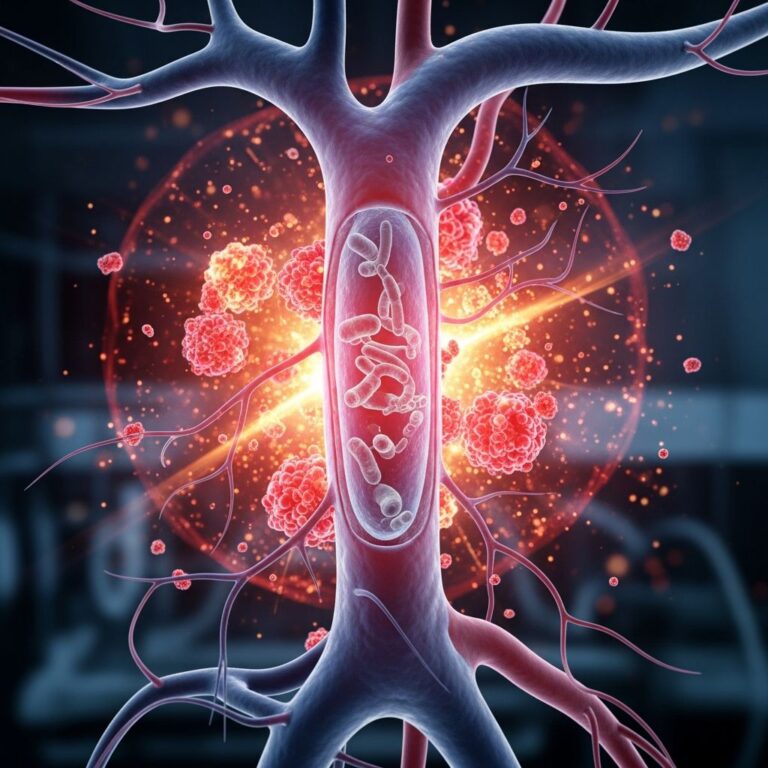
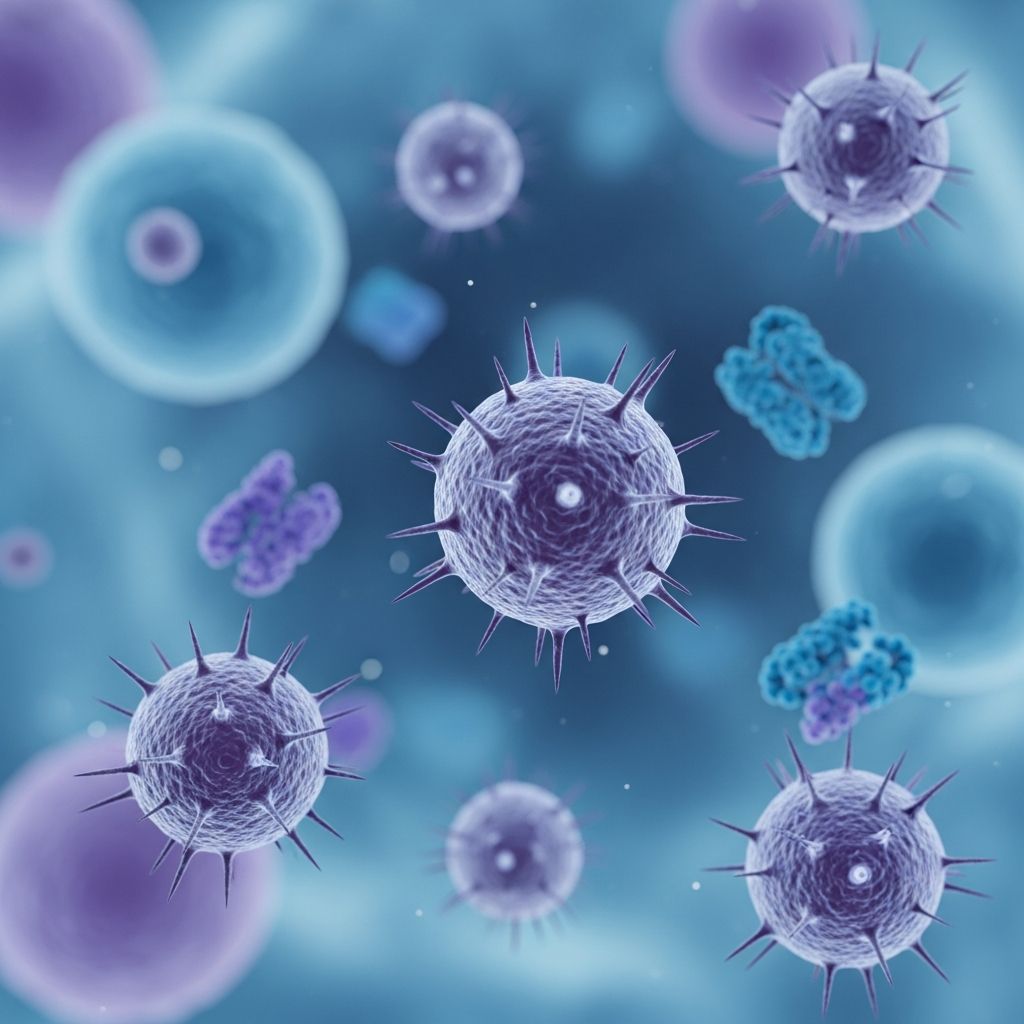
Rubella, commonly known as German measles, is a contagious viral infection caused by the rubella virus (RuV). Unlike other measles strains, rubella typically causes milder symptoms but poses significant risks to pregnant women and their developing fetuses. The virus spreads through respiratory droplets when an infected person coughs or sneezes, making it highly transmissible in communities without adequate vaccination coverage.
The disease earned the name “German measles” due to its first detailed clinical description by German physicians in the eighteenth century. While rubella has been largely eliminated in the United States since 2004, it remains a concern in other parts of the world where vaccination rates are lower. Understanding this infection is crucial for public health, particularly for women of childbearing age.
How Rubella Spreads
Rubella transmission occurs primarily through respiratory droplets expelled during coughing, sneezing, or close personal contact with an infected individual. The virus can survive on surfaces and can be transmitted even before symptoms appear. A person infected with rubella remains contagious for approximately 14 days—7 days before the characteristic rash emerges and 7 days after its appearance.
This extended contagious period means individuals can unknowingly spread the infection to vulnerable populations, including infants, immunocompromised individuals, and unvaccinated people. In healthcare settings and densely populated areas, the virus spreads rapidly without proper infection control measures and vaccination protocols.
Recognizing Rubella Symptoms
Rubella symptoms typically appear within 12 to 23 days following exposure to the virus. The infection usually presents as a mild illness, though symptoms can vary in severity among individuals. Many people experience such mild symptoms that they may not realize they have rubella, complicating disease tracking and prevention efforts.
Common Symptoms Include:
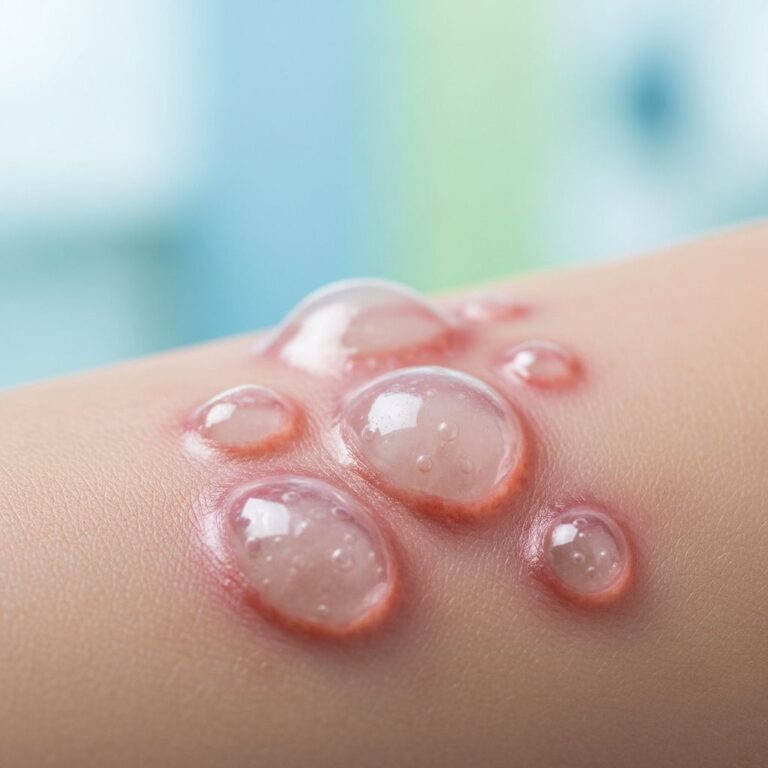
- Characteristic pink or red rash that typically starts on the face and spreads downward
- Low-grade fever
- Persistent cough
- Sore throat
- Runny nose and nasal congestion
- Pink eye (conjunctivitis) with red, watery eyes
- Headache
- Joint pain and stiffness
- General malaise and body aches
- Swollen lymph nodes, particularly behind the ears and neck
The rash associated with rubella is one of the most distinctive features, typically appearing three to five days after initial symptoms develop. Unlike measles, the rubella rash is generally less intense and clears more quickly, usually within three days. Some infected individuals, particularly young children, may experience minimal or no symptoms at all, making them silent carriers of the disease.
Rubella Complications and Long-Term Effects
While rubella is typically a self-limiting illness that resolves within two to three weeks, certain populations face increased risk of serious complications. Complications can include pneumonia, brain inflammation (encephalitis), and rarely, blindness or hearing loss in adults.
Related Stories



The most significant concern involves pregnant women and their developing fetuses. When rubella infection occurs during pregnancy, the virus can cross the placenta and infect the fetus, potentially causing congenital rubella syndrome (CRS)—a serious condition affecting fetal development with lifelong consequences.
Congenital Rubella Syndrome: A Critical Public Health Concern
Congenital rubella syndrome occurs when a pregnant woman becomes infected with rubella and transmits the virus to her unborn baby. The severity and specific manifestations of CRS depend largely on when the infection occurs during pregnancy. Infections occurring before the 13th week of pregnancy result in the most severe outcomes, with potential complications affecting multiple organ systems.
Babies born with CRS can experience various health conditions that range from mild to life-threatening. These include congenital heart disease, intellectual disability, cataracts, hearing loss, bone disease, glaucoma, developmental delays, diabetes, enlarged liver or spleen, inflammation of the brain and lungs, and thyroid disease.
Some manifestations of CRS, such as hearing loss and intellectual disability, are permanent, while others like hemolytic anemia and interstitial pneumonia may be manageable or treatable. The historical impact of rubella in the United States demonstrates the disease’s devastating potential: during the last major rubella epidemic from 1964-1965, 12.5 million people contracted rubella, 11,000 pregnant women lost their babies, 2,100 newborns died, and 20,000 babies were born with congenital rubella syndrome.
Diagnosis of Rubella Infection
Diagnosing rubella requires laboratory testing, as the clinical presentation can resemble other viral infections. Healthcare providers typically recommend blood tests to detect rubella-specific antibodies or viral genetic material. Testing may include:
- Serological testing to identify rubella-specific IgM antibodies indicating acute infection
- IgG antibody testing to determine immunity status
- RT-PCR testing for direct viral detection
- Viral culture in specialized laboratory settings
For pregnant women with suspected rubella exposure, prompt testing is essential to determine infection status and assess risks to the developing fetus. Babies suspected of having congenital rubella syndrome require comprehensive diagnostic evaluation including multiple tests to assess overall health and identify CRS-related complications.
Treatment and Management Options
Unlike bacterial infections, rubella has no cure or specific antiviral treatment. Management focuses on supportive care to alleviate symptoms while the immune system fights the infection. Treatment approaches include:
- Rest and adequate sleep to support immune function
- Fever management through acetaminophen or ibuprofen as recommended by healthcare providers
- Increased fluid intake to prevent dehydration
- Isolation from vulnerable populations to prevent transmission
- Monitoring for complications, particularly in high-risk individuals
For individuals exposed to rubella, post-exposure prophylaxis options exist. Vaccination administered within 72 hours of exposure may prevent or significantly reduce infection severity. Immunoglobulin administration within 6 days of exposure offers an alternative protective measure for those unable to receive vaccination.
Congenital rubella syndrome requires individualized management based on specific complications. Healthcare teams develop comprehensive treatment plans addressing each baby’s unique symptoms and needs. Ongoing monitoring and early intervention services support healthy development and optimal quality of life.
Prevention Through Vaccination
Vaccination represents the most effective rubella prevention strategy. In the United States, the measles, mumps, and rubella (MMR) vaccine provides comprehensive protection against all three diseases in a single injection. The MMR vaccine is a live attenuated vaccine that stimulates the immune system to develop protective antibodies without causing the actual disease.
MMR Vaccination Schedule:
- First dose: 12 to 15 months of age
- Second dose: 4 to 6 years of age
Healthcare providers also recommend the MMRV vaccine for children ages 12 months to 12 years, which combines MMR protection with varicella (chickenpox) vaccination in a single shot.
Adults without documented immunity should consult their healthcare provider about MMR vaccination. For women of childbearing age, establishing rubella immunity before pregnancy is critical. If an adult receives the MMR vaccine, they should wait at least 28 days before attempting pregnancy, as the vaccine contains a live attenuated virus.
Healthcare workers require proof of measles immunity as a standard occupational requirement. The MMR vaccine demonstrates remarkable effectiveness, providing lifelong immunity in most recipients and eliminating the need for booster shots in most circumstances.
Special Considerations for Pregnant Women
Pregnant women face unique rubella considerations due to the risk of congenital infection. Women planning pregnancy should verify their rubella immunity status through blood testing before conception. Those without immunity should receive MMR vaccination and wait the recommended 28-day period before attempting pregnancy.
Pregnant women exposed to rubella should contact their healthcare provider immediately for testing and counseling. Early detection of maternal infection allows for informed decision-making and appropriate medical management. Healthcare providers can monitor fetal development closely and prepare for potential complications at birth.
Contagiousness and Infection Control
Babies born with congenital rubella syndrome remain contagious until at least 1 year of age. Healthcare providers consider them infectious during this period unless they have two negative rubella test results obtained one month apart after 3 months of age. This extended contagious period necessitates careful infection control measures in healthcare and community settings to protect vulnerable populations from exposure.
The Power of Prevention
Since the introduction of the MMR vaccine over 60 years ago, the incidence of rubella and its serious complications has declined dramatically in vaccinated populations. The United States achieved rubella elimination status in 2004, meaning the disease is no longer continuously transmitted within the country. This success story demonstrates vaccination’s transformative public health impact.
However, vigilance remains necessary. Unvaccinated or under-vaccinated populations remain vulnerable to rubella infection. International travel and migration can reintroduce the virus to areas with low immunity rates. Maintaining high vaccination coverage and protecting pregnant women from infection remains essential for preventing congenital rubella syndrome and its lifelong consequences.
Frequently Asked Questions About Rubella
Q: Is rubella the same as measles?
A: No. While both are viral infections that cause rashes and are preventable by vaccination, rubella and measles are distinct diseases caused by different viruses. Measles tends to cause more severe symptoms, while rubella is typically milder but poses greater risks to pregnant women.
Q: Can rubella be contracted more than once?
A: Once someone recovers from rubella infection or receives MMR vaccination, they typically develop lifelong immunity. Re-infection is extremely rare, and most vaccinated individuals maintain protective antibody levels throughout their lifetime.
Q: What should I do if I’m exposed to rubella while pregnant?
A: Contact your healthcare provider immediately for testing and counseling. Early diagnosis allows your medical team to assess fetal risk and provide appropriate monitoring and management throughout your pregnancy.
Q: Are there side effects from the MMR vaccine?
A: The MMR vaccine is generally well-tolerated. Common mild side effects include arm soreness, low-grade fever, or temporary rash. Serious side effects are extremely rare. Benefits of protection far outweigh the minimal risk of adverse effects.
Q: Can someone with rubella infect others before symptoms appear?
A: Yes. People infected with rubella are contagious for 7 days before the rash appears, meaning they can spread infection unknowingly during this period. This makes vaccination of unvaccinated populations even more critical for disease control.
Q: How long does it take for rubella symptoms to appear after exposure?
A: Rubella symptoms typically appear within 12 to 23 days following viral exposure. However, some individuals may not develop any noticeable symptoms despite being infected and remaining contagious.
References
- Congenital Rubella Syndrome (CRS): Symptoms, Causes & Treatment — Cleveland Clinic. 2024-02-21. https://my.clevelandclinic.org/health/diseases/congenital-rubella-syndrome
- MMR Vaccine (Measles-Mumps-Rubella Vaccination): What To Know — Cleveland Clinic. https://my.clevelandclinic.org/health/procedures/mmr-vaccine
- Recent measles (rubeola) outbreak: etiology, symptoms, prevention, treatment, complications, and advice for medical professionals — National Center for Biotechnology Information (NCBI). https://pmc.ncbi.nlm.nih.gov/articles/PMC10389509/
- Measles, Mumps & Rubella FAQs — Quest Diagnostics. https://www.questhealth.com/articles/measles-mumps-and-rubella-oh-my.html
- Rubella – NFID — National Foundation for Infectious Diseases. https://www.nfid.org/infectious-disease/rubella/
Similar Articles








Read full bio of medha deb