Rubella: Symptoms, Risks, and Prevention
Understand rubella, its mild effects in children, severe risks for pregnant women, and how vaccination eliminates this preventable threat worldwide.
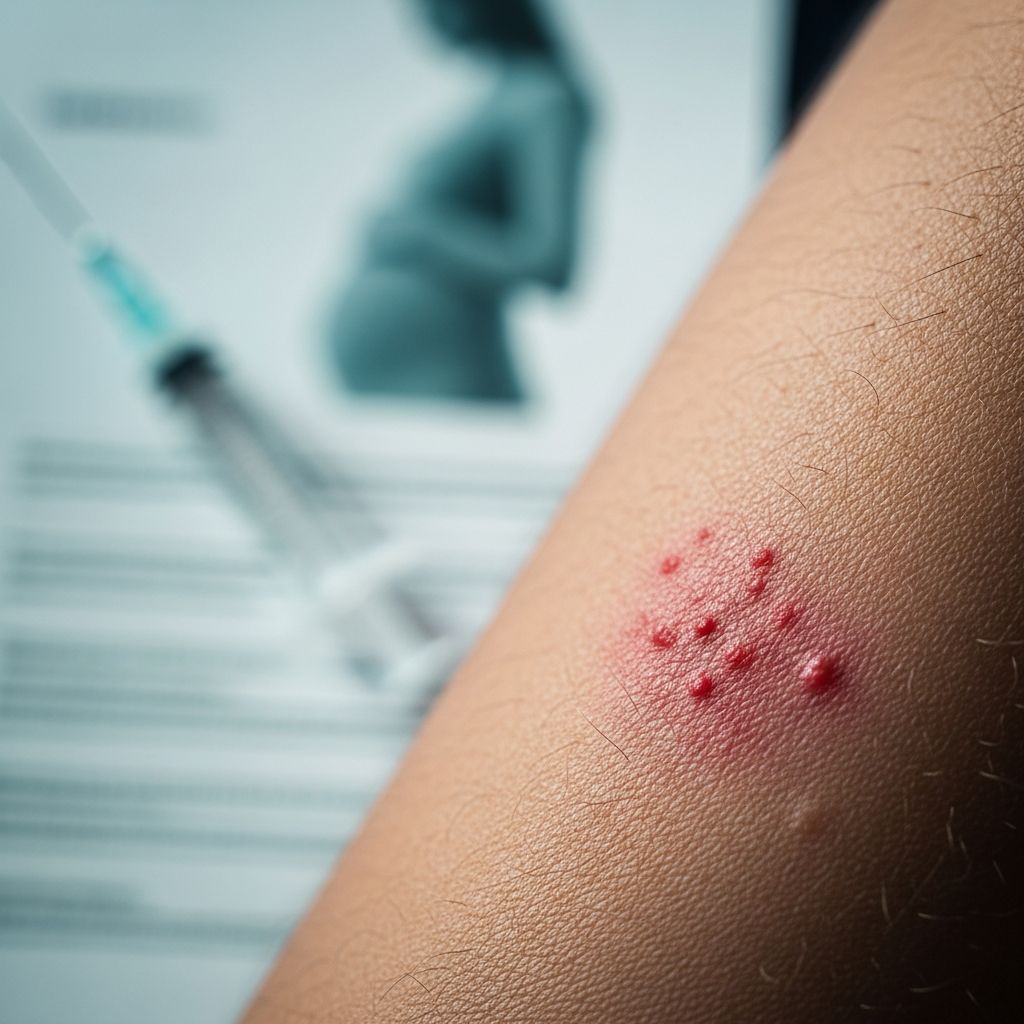
Rubella, commonly known as German measles, is a contagious viral infection primarily affecting children and young adults, characterized by a distinctive rash and mild flu-like symptoms. While typically benign in healthy individuals, it presents significant dangers during pregnancy, potentially leading to congenital rubella syndrome (CRS) in newborns.
Understanding the Nature of Rubella Virus
The rubella virus belongs to the Matonaviridae family and carries its genetic instructions in RNA, encased in a protective capsid and envelope that facilitates entry into human cells. This structure enables it to replicate efficiently once inside the host, spreading through the respiratory system. Unlike measles, rubella is caused by a distinct virus, though both share droplet transmission.
Infection occurs worldwide but has been drastically reduced in vaccinated populations. Globally, an estimated 17,865 cases were reported in 78 countries in 2022, with higher incidence in regions like Asia, Africa, and the Middle East. In the United States, rubella was declared eliminated in 2004 due to widespread immunization, with only sporadic cases linked to international travel.
Recognizing Rubella Symptoms Across Age Groups
Symptoms manifest 12-23 days post-exposure, with an incubation period averaging 14-21 days. About 20-50% of cases are asymptomatic, allowing silent spread.
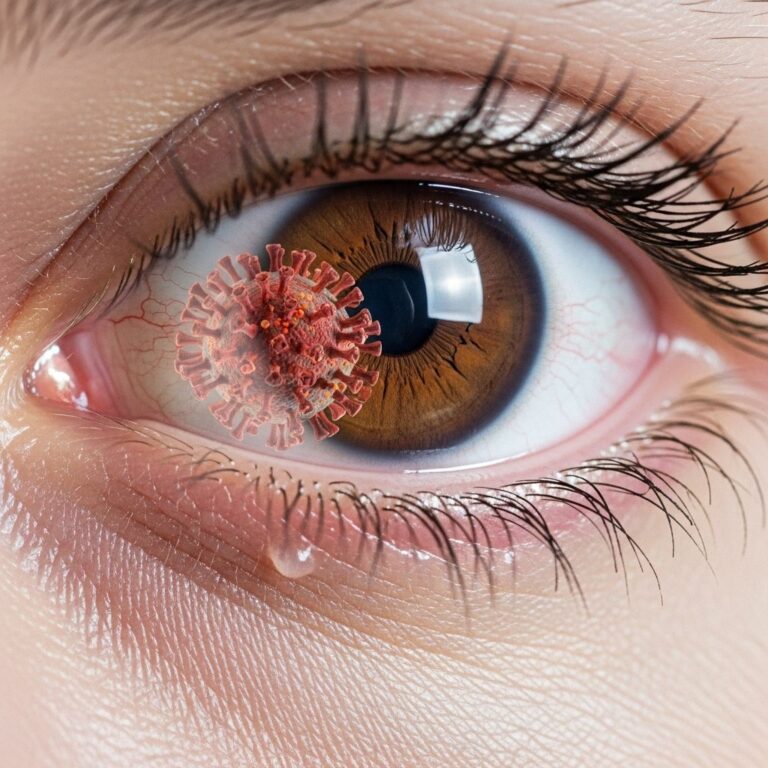
- Initial signs: Mild fever (under 39°C or 100.4°F), runny nose, cough, headache, and conjunctivitis (red eyes).
- Lymph node swelling: Tender glands behind ears and neck, often preceding rash by days.
- Characteristic rash: Pink/red spots starting on face, spreading to trunk and limbs within 24 hours; non-itchy, lasts 1-3 days, fading with possible skin flaking.
- Adult-specific: Joint pain/arthritis (especially women), higher fever, lasting up to weeks.
Children often experience only the rash, recovering in a week, while adults may have prolonged discomfort. The rash’s progression distinguishes rubella from similar illnesses like measles or scarlet fever.
How Rubella Spreads in Communities
Highly contagious, rubella transmits via respiratory droplets from coughing, sneezing, talking, or close contact. Contagiousness peaks 5-7 days before rash onset to 7-14 days after, with infected individuals shedding virus through saliva, nasal secretions, and hands/surfaces.
One infected person can expose many in schools, childcare, or households. Pre-symptomatic spread heightens risk, as asymptomatic carriers unknowingly transmit it. Infants with CRS shed virus for months, prolonging outbreaks.
| Transmission Phase | Contagious Duration | Key Vectors |
|---|---|---|
| Pre-rash | 5-7 days before symptoms | Droplets, surfaces |
| Active rash | 1-7 days | Coughing, sneezing |
| Post-rash | Up to 14 days | Respiratory secretions |
The Critical Threat to Pregnant Women and Fetuses
Rubella’s gravest impact occurs in early pregnancy. A woman infected in the first trimester has a 90% chance of transmitting the virus transplacentally, risking miscarriage, stillbirth, or CRS in 100,000 infants annually worldwide. CRS causes defects in heart, eyes, ears, brain, liver, spleen, and bone marrow.
Related Stories



- Early pregnancy (first 12 weeks): Up to 90% CRS risk; severe malformations like cataracts, glaucoma, congenital heart disease, deafness, microcephaly.
- Later trimesters: Reduced risk but possible low birth weight, hearing loss, developmental delays.
Historical U.S. epidemics (1964-1965) saw 12.5 million cases, 20,000 CRS births, 11,000 miscarriages, and 2,100 neonatal deaths, underscoring vaccination’s impact. Pregnant women exposed or symptomatic must seek immediate care for testing and counseling.
Diagnosing Rubella Accurately
Diagnosis combines clinical evaluation—rash pattern, lymph swelling—with lab confirmation via blood tests detecting rubella IgM antibodies (acute infection) or IgG (past immunity). PCR on throat swabs, urine, or CRS tissues identifies viral RNA.
Differential diagnosis rules out measles, parvovirus, or enterovirus. Serology is crucial in pregnancy or outbreaks. Public health reporting is mandatory in most regions.
Treatment Approaches and Supportive Care
No antiviral cures rubella; management is symptomatic. Rest, hydration, acetaminophen for fever/joint pain, and isolation prevent spread.
- Antipyretics for fever.
- Anti-inflammatories for adult arthritis.
- Calamine lotion if rash itches mildly.
- Monitor CRS infants for multidisciplinary care (cardiology, audiology, ophthalmology).
Complications like encephalitis or thrombocytopenia are rare (<1%). Most recover fully without sequelae.
Vaccination: The Cornerstone of Eradication
The MMR (measles-mumps-rubella) vaccine, live-attenuated, provides lifelong immunity in 97% after two doses. Administered at 12-15 months and 4-6 years.
Global efforts via WHO target 95% coverage for elimination. Unvaccinated adults, travelers, healthcare workers, and women planning pregnancy should check immunity via titers. Contraindications: pregnancy, immunosuppression, severe allergies.
| Group | Recommended Doses | Immunity Rate |
|---|---|---|
| Children | 2 (12mo + 4-6y) | 97% |
| Adults (born post-1957) | 1-2 if no evidence | High |
| Pregnancy planners | Pre-conception titer | Lifelong |
Public Health Strategies and Outbreak Control
Surveillance tracks cases; isolation (7 days post-rash), contact tracing, and post-exposure vaccination (within 72 hours) or immunoglobulin for susceptibles curb outbreaks.
School exclusions apply until non-contagious. Herd immunity requires 90-95% vaccination. International travel risks imported cases.
Frequently Asked Questions (FAQs)
Is rubella the same as measles?
No, rubella is milder, caused by a different virus; measles has Koplik spots and higher fever.
Can rubella harm my baby if I’m vaccinated?
Vaccination confers strong immunity; vaccine-strain transmission to fetus is unproven and extremely rare.
How long does rubella last?
Rash: 3 days; full recovery: 1 week (kids), longer for adults.
Should I vaccinate if traveling abroad?
Yes, ensure MMR status; high-risk areas include Africa/Asia.
What if I’m exposed during pregnancy?
Contact provider ASAP for testing; immunoglobulin may prevent infection.
Conclusion
Rubella’s mild profile belies its potential for tragedy in pregnancy, but vaccination has nearly eradicated it in many nations. Prioritizing immunization protects individuals and communities.
References
- Rubella (German measles) – InformedHealth.org – NCBI — NCBI. 2023. https://www.ncbi.nlm.nih.gov/books/NBK563972/
- German Measles (Rubella) | California Childcare Health Program — UCSF. 2024. https://cchp.ucsf.edu/resources/illness-sheets/german-measles-rubella
- Rubella (German Measles): Symptoms, Treatment & Prevention — Cleveland Clinic. 2024. https://my.clevelandclinic.org/health/diseases/17798-rubella
- Rubella (German Measles) – Wisconsin Department of Health Services — DHS Wisconsin. 2023. https://www.dhs.wisconsin.gov/publications/p42111.pdf
- Rubella (German Measles) | Rady Children’s Health — Rady Children’s Hospital. 2024. https://www.rchsd.org/health-article/rubella-german-measles/
- Rubella (German measles) | Colorado Department of Public Health — CDPHE. 2024. https://cdphe.colorado.gov/child-care-school-settings/rubella
- Rubella – World Health Organization (WHO) — WHO. 2024-04-23. https://www.who.int/news-room/fact-sheets/detail/rubella
Similar Articles








Read full bio of medha deb