Runner’s Diet: Nutrition Guide for Endurance Athletes
Optimize your running performance with science-backed nutrition strategies and dietary guidelines.

Runner’s Diet: Comprehensive Nutrition Guide for Endurance Athletes
Running requires significant energy expenditure and places unique demands on the body. Whether you’re training for a 5K, half-marathon, or marathon, proper nutrition plays a critical role in supporting your training adaptations, enhancing performance, and maintaining overall health. A well-planned runner’s diet goes beyond simply eating more food—it’s about consuming the right nutrients at the right times to fuel your runs, support recovery, and build endurance capacity.
Nutritional strategies for distance runners should address not only the higher rate of energy expenditure but also the greater exercise-induced thermoregulatory demands and the increased resting metabolic rate compared to the general population. Understanding the fundamentals of sports nutrition can help you optimize your training outcomes and achieve your running goals.
Understanding Your Energy Needs as a Runner
Runners have significantly higher daily energy requirements than sedentary individuals due to the metabolic demands of training. The amount of calories you need depends on several factors including your body weight, running distance, training intensity, age, and overall fitness level. Most endurance runners require an additional 500 to 1,000 calories per day beyond their baseline metabolic needs, depending on their training volume.
Rather than focusing solely on calorie counting, runners should prioritize nutrient density—choosing foods that provide maximum nutritional value per calorie consumed. This approach ensures that your body receives the vitamins, minerals, and macronutrients needed to support the rigorous demands of training while maintaining optimal body composition.
Macronutrients for Runners
Carbohydrates: Your Primary Fuel Source
Carbohydrates are the primary fuel source for runners and should constitute approximately 55 to 65 percent of your total daily caloric intake. During aerobic running, your body preferentially uses carbohydrates (in the form of glycogen) stored in your muscles and liver. These glycogen stores are limited, which is why carbohydrate loading strategies before major races can enhance performance by maximizing fuel availability.
Focus on complex carbohydrates such as whole grains, oatmeal, brown rice, quinoa, sweet potatoes, and legumes. These foods provide sustained energy, fiber for digestive health, and essential micronutrients. Simple carbohydrates like fruits and refined sugars can be used strategically around workouts for quick energy, but shouldn’t form the foundation of your daily diet.
Protein: Supporting Muscle Repair and Recovery
Protein is essential for runners because it supports muscle repair, recovery, and adaptation to training stimuli. The recommended protein intake for endurance athletes typically ranges from 1.2 to 2.0 grams per kilogram of body weight daily, depending on training intensity and goals. This represents a significant increase from the general population recommendation of 0.8 grams per kilogram.
Quality protein sources for runners include cold-water fatty fish such as salmon, tuna, and mackerel (which also provide beneficial omega-3 fatty acids), lean poultry, eggs, Greek yogurt, cottage cheese, beans, lentils, and plant-based options like tofu and tempeh. Distributing protein intake evenly throughout the day—consuming approximately 20 to 40 grams per meal—optimizes muscle protein synthesis and supports recovery.
Related Stories



Healthy Fats: Essential Micronutrients and Anti-Inflammatory Support
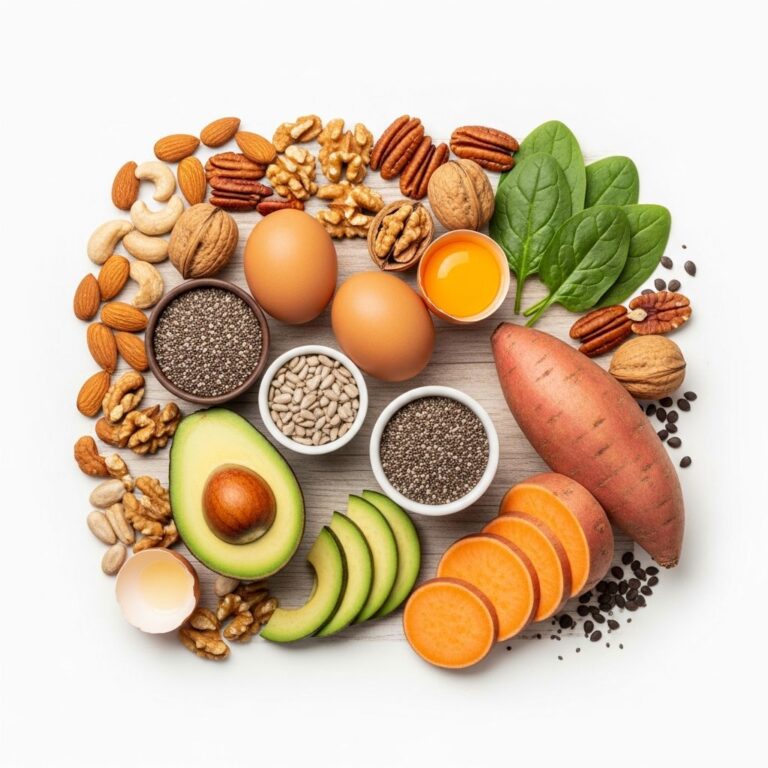
While runners often focus on carbohydrates and protein, healthy fats play vital roles in hormone production, nutrient absorption, and reducing inflammation. Fats should comprise approximately 20 to 30 percent of your total daily caloric intake. Prioritize unsaturated fats from sources such as avocados, nuts, seeds, olive oil, and fatty fish rather than saturated and trans fats.
The omega-3 fatty acids found in cold-water fish and plant sources like flaxseeds and walnuts have anti-inflammatory properties that may help reduce exercise-induced inflammation and support cardiovascular health. Including these foods regularly in your diet supports both performance and long-term health outcomes.
Hydration Strategies for Runners
Proper hydration is fundamental to running performance and safety. Even mild dehydration can impair cognitive function, reduce endurance capacity, and increase perceived effort during runs. Your hydration needs depend on sweat rate, which varies based on temperature, humidity, running intensity, genetics, and individual factors.
A general guideline is to drink 16 to 24 ounces of fluid two to three hours before running, then 6 to 8 ounces every 20 minutes during runs lasting longer than 60 minutes. For runs under an hour, water is typically sufficient. For longer efforts, sports drinks containing carbohydrates and electrolytes (sodium and potassium) help maintain blood glucose levels and replace electrolytes lost through sweat.
Post-run hydration is equally important. Aim to drink 16 to 24 ounces of fluid for every pound of body weight lost during exercise within the two hours following your run. Including sodium in post-run meals and drinks helps promote fluid retention and rehydration.
Pre-Run Nutrition Timing and Strategy
What and when you eat before running significantly impacts your performance and how you feel during your workout. The general recommendation is to consume a mixed meal containing carbohydrates, moderate protein, and minimal fat and fiber three to four hours before running. This allows adequate time for digestion and establishes stable blood glucose levels.
For earlier morning runs or shorter recovery runs, a smaller snack 30 to 60 minutes before running may suffice. Good pre-run options include a banana with peanut butter, oatmeal with berries, toast with honey, or a sports drink. Avoid high-fat, high-protein, and high-fiber foods immediately before running, as these can cause digestive discomfort.
For runs beginning first thing in the morning, some runners find that eating a light snack helps, while others prefer running in a fasted state. Experiment during training to determine what works best for your body and goals.
Post-Run Recovery Nutrition
The post-run window (within 30 to 60 minutes after completing your run) represents a critical opportunity to optimize recovery. During this time, your muscles are primed to absorb nutrients, and consuming carbohydrates and protein helps replenish glycogen stores, reduce muscle breakdown, and initiate repair processes.
An effective post-run meal or snack should contain carbohydrates (to replenish glycogen), protein (to support muscle repair), and fluids with electrolytes (to rehydrate). A ratio of approximately 3 to 4 grams of carbohydrates for every 1 gram of protein is generally recommended. Examples include chocolate milk, a turkey sandwich, Greek yogurt with granola and berries, or a protein smoothie with fruit and oats.
Race Day Nutrition
Race day requires a specific nutritional approach distinct from regular training days. In the days leading up to an important race, many runners implement carbohydrate loading (increasing carbohydrate intake while reducing training volume) to maximize glycogen storage. This strategy can provide a performance benefit, particularly for races lasting longer than 90 minutes.
On race morning, consume a familiar breakfast containing primarily carbohydrates with minimal fat, protein, and fiber—typically two to three hours before the race start. Examples include oatmeal, toast with jam, bagels, or sports drink. During the race, for events lasting longer than 60 minutes, consume 6 to 8 ounces of sports drink or water containing carbohydrates every 20 minutes.
Practice your race-day nutrition strategy during training to identify what works best for your digestive system and performance. What works for one runner may not work for another, so individualization is essential.
Key Foods for Runner’s Diets
Incorporating specific nutrient-dense foods into your regular diet supports training and recovery. Here are essential foods runners should prioritize:
Whole Grains: Oats, brown rice, quinoa, whole wheat bread, and pasta provide sustained energy and essential B vitamins for energy metabolism.
Cold-Water Fatty Fish: Salmon, tuna, and mackerel provide high-quality protein and omega-3 fatty acids that support cardiovascular health and reduce inflammation.
Lean Proteins: Chicken breast, turkey, lean beef, and eggs support muscle repair and recovery without excessive saturated fat.
Legumes: Beans, lentils, and chickpeas provide plant-based protein, fiber, and complex carbohydrates for sustained energy.
Fruits and Vegetables: Colorful produce provides vitamins, minerals, antioxidants, and phytonutrients that support immune function and reduce exercise-induced oxidative stress.
Dairy Products: Greek yogurt, cottage cheese, and milk provide protein, calcium, and vitamin D for bone health and muscle recovery.
Nuts and Seeds: Almonds, walnuts, chia seeds, and flaxseeds provide healthy fats, protein, and micronutrients.
Special Dietary Considerations for Different Race Distances
Runners training for different distances may benefit from slightly adjusted nutritional approaches. Sprinters and 5K runners may emphasize explosive power development and focus on adequate protein for muscle development. Half-marathon runners typically benefit from balanced macronutrient distribution supporting both speed work and aerobic capacity. Marathon and ultra-marathon runners should emphasize strategies for maintaining glycogen availability during prolonged efforts and may benefit from practicing fueling strategies extensively during training.
Research indicates that 10-kilometer runners tend to consume higher amounts of fruits and vegetables compared to half-marathon and marathon runners, suggesting that shorter-distance runners may prioritize overall health maintenance, while longer-distance runners focus more specifically on race-day fueling strategies.
Common Nutritional Mistakes Runners Make
Understanding common pitfalls helps runners optimize their dietary approach. Many runners underfuel during training, not consuming enough calories or carbohydrates to support their training demands. Others neglect hydration or practice poor fueling strategies on race day. Some runners consume inadequate protein, limiting recovery and adaptation. Additionally, relying excessively on supplements rather than whole foods, or trying new foods on race day can lead to digestive issues and suboptimal performance.
Frequently Asked Questions About Runner’s Diet
Q: How much water should I drink daily as a runner?
A: General recommendations suggest 30 to 35 milliliters of water per kilogram of body weight daily, plus additional fluids based on sweat rate during exercise. A practical approach is to drink enough that your urine remains pale yellow throughout the day.
Q: Is it necessary to eat before short morning runs?
A: For runs under 60 minutes, eating before is optional and depends on individual preference and when your last meal was. Some runners perform better with a light snack, while others prefer fasted running. Experiment during training to find your optimal approach.
Q: Should I take supplements as a runner?
A: While whole foods should form the foundation of your diet, certain supplements like sports drinks during long runs, or protein powder for convenience, can be useful. However, supplements cannot replace adequate whole food nutrition. Consult with a sports dietitian before adding supplements to your regimen.
Q: How do I fuel ultra-marathon running events?
A: Ultra-marathon fueling requires consuming easily digestible carbohydrates and electrolytes regularly throughout the event—typically 30 to 60 grams of carbohydrates per hour. Practice your fueling strategy extensively during training to identify foods that work for your digestive system during prolonged effort.
Q: Can I run competitively on a vegetarian or vegan diet?
A: Yes, with proper planning. Plant-based runners should ensure adequate protein intake from varied sources like legumes, tofu, tempeh, nuts, seeds, and whole grains. Pay particular attention to vitamin B12, iron, and omega-3 fatty acids, which may require supplementation or careful food selection.
References
- Dietary Intake of Recreational Endurance Runners Associated with Race Distance — National Center for Biotechnology Information (NCBI). 2022. https://pmc.ncbi.nlm.nih.gov/articles/PMC9503531/
- Academy of Nutrition and Dietetics: Nutrition for Athletic Performance — American College of Sports Medicine & Dietetics Academy. 2023. https://www.eatrightpro.org/
- Sports Nutrition Guidelines for Distance Running — International Society of Sports Nutrition. 2024. https://www.issn.org/
Similar Articles








Read full bio of medha deb