Runner’s Face Prevention: 9 Expert Tips For Youthful Skin
Debunking the myth of runner's face: How running impacts skin aging and expert tips to stay youthful while logging miles.
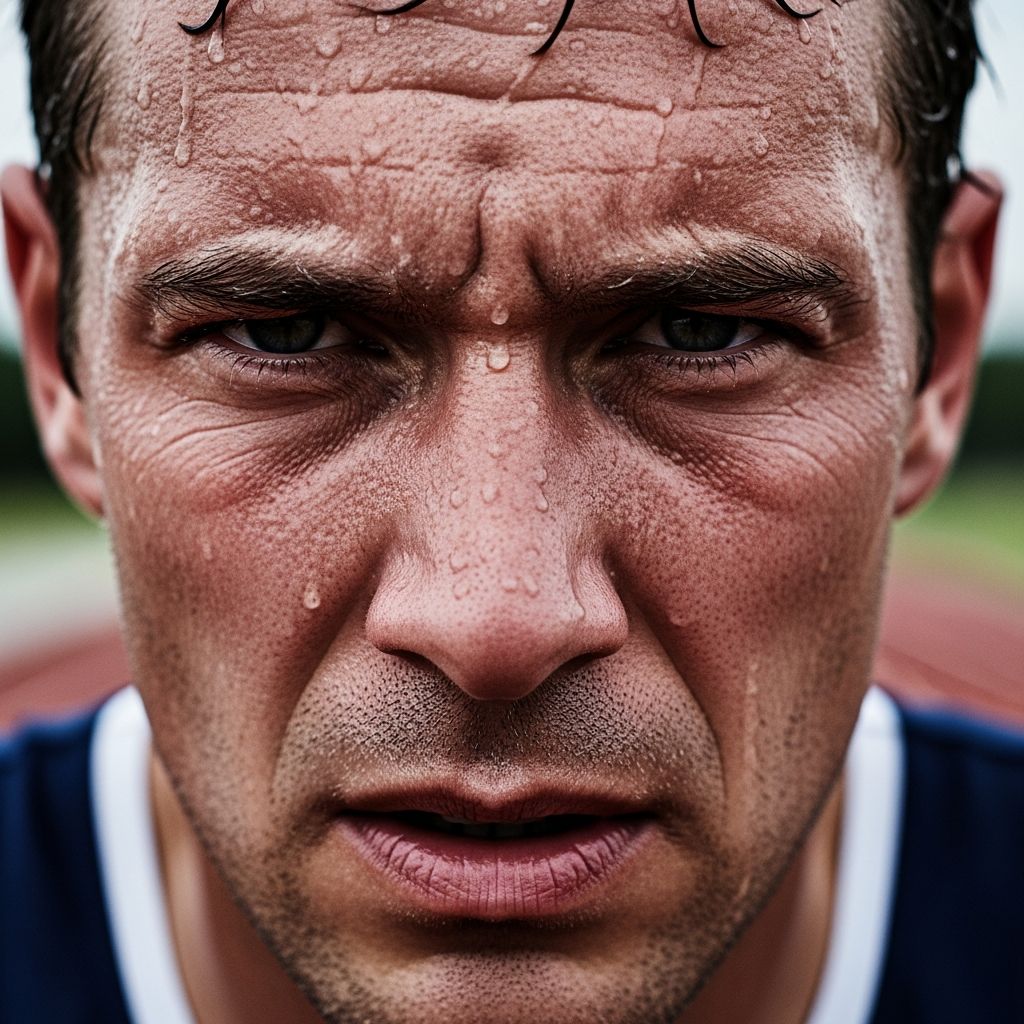
Running is celebrated for its myriad health benefits, from boosting cardiovascular health and extending life expectancy to improving mental well-being and joint strength. Yet, a controversial term—runner’s face—has sparked debate among athletes, suggesting that pounding the pavement could accelerate facial aging, leading to sagging skin, wrinkles, and a gaunt appearance. This article dives deep into the science, dispels myths, explores true causes, and provides actionable prevention strategies so you can run confidently without fearing premature aging.
What Is Runner’s Face?
Runner’s face refers to a perceived condition where long-term runners develop sagging facial skin, deepened wrinkles, hollow cheeks, and a bony, aged look that belies their actual age. Popularized by social media, including a viral TikTok from plastic surgeon Gerald Imber, MD, the concept implies that repetitive impact from running stretches and damages facial skin, mimicking accelerated aging.
Despite its buzz, runner’s face is largely an urban legend. No scientific studies confirm that running’s bouncing motion causes skin sagging. In fact, research from the Anatomical Society of Great Britain indicates that habitual exercise does not contribute to age-related collagen loss in the dermis and may enhance skin elasticity, promoting a more youthful appearance.
Dermatologists like Anna Chacon, MD, emphasize that exercise improves circulation, boosts collagen production, and supports overall skin health, counteracting aging signs rather than causing them. The gaunt look often attributed to running stems from lifestyle factors intertwined with an active runner’s routine, not the act of running itself.
5 Common Causes of Runner’s Face
The debate rages: Is runner’s face caused by running, or is it a byproduct of the healthy lifestyle runners adopt? Experts agree it’s not the exercise but associated habits and physiological changes. Here are the primary culprits:
- Sun Exposure: Outdoor runners face prolonged UV radiation without adequate protection, leading to photoaging—wrinkles, leathery texture, and sagging. UV rays break down collagen and elastin, the skin’s structural proteins.
- Low Body Fat: Endurance training burns fat efficiently, reducing facial volume. Less subcutaneous fat results in sunken cheeks, prominent bones, and jowls, amplifying age-related changes.
- Dehydration: Sweating during runs depletes fluids, causing dry skin that accentuates fine lines and wrinkles. Runners lose significant water, making hydration critical.
- Age Over 40: Natural collagen and elastin decline with age affects everyone, but low body fat in older runners exacerbates hollowing and sagging.
- Weight Loss: Rapid or sustained fat loss from high-mileage training redistributes facial fat downward, creating a deflated appearance.
These factors compound over years of consistent running, creating the illusion of ‘runner’s face.’ However, the health gains—lower disease risk, better circulation—far outweigh cosmetic concerns.
Does Running Actually Cause Skin Sagging?
The theory that running’s repetitive bouncing stretches facial skin lacks evidence. Studies show vigorous exercise like running increases blood flow, delivering oxygen and nutrients to skin cells, flushing toxins, and enhancing elasticity. Aerobic and resistance training correlate with improved skin barrier function and reduced inflammation.
| Myth | Reality | Evidence |
|---|---|---|
| Bouncing causes sagging | No proof; urban legend | Anatomical Society research: Exercise preserves collagen |
| Running ages face prematurely | Improves skin health | Boosts circulation, collagen |
| Gaunt look from miles | From sun, low fat | Lifestyle factors dominant |
Related Stories



Long-distance runners may notice changes, but they’re not from impact. A 2025 wikiHow analysis confirms: Running boosts collagen, fighting aging.
Why Does Your Face Get Red When You Run?
A flushed, red face post-run is common, especially in fair-skinned individuals. This exercise-induced flushing occurs as body temperature rises, prompting vasodilation—blood vessels expand to release heat via the skin’s surface.
It’s a normal thermoregulation process, not harmful. Prevention tips include:
- Running in cooler conditions or early morning/evening.
- Wearing breathable, loose clothing.
- Hydrating before, during, and after runs.
Unless accompanied by dizziness or persistent redness, embrace it as your body’s efficient cooling mechanism.
How to Prevent Runner’s Face: 9 Expert Tips
Don’t ditch running—optimize your routine to protect and rejuvenate skin. Here’s a comprehensive guide:
- Apply Sunscreen Daily: Use broad-spectrum SPF 30+ (reapply every 2 hours outdoors). Mineral formulas with zinc oxide suit active skin.
- Hydrate Aggressively: Drink 16–32 oz water per hour of running; electrolytes for long sessions. Moisturize post-run.
- Build Facial Volume: Incorporate strength training to maintain healthy body fat. Consider hyaluronic acid serums for plumpness.
- Antioxidant-Rich Diet: Eat berries, greens, nuts for vitamins C/E to combat free radicals.
- Collagen Supplements: Hydrolyzed collagen peptides may support skin elasticity (consult a doctor).
- Gentle Skincare Routine: Cleanse, retinoids at night (start slow), peptides for firmness.
- Hats and Shades: Physical barriers block 50%+ UV.
- Limit Extreme Calorie Deficits: Fuel adequately to preserve facial fat.
- Keep Running: Its benefits—increased blood flow, waste removal, acne reduction—outweigh risks.
Dermatologists stress: These steps mitigate risks but can’t halt aging entirely. Regular skin checks are key.
Runner’s Face in Men vs. Women
Both genders experience it, but manifestations differ. Women may notice jowls and cheek hollowing sooner due to thinner skin; men see jawline sagging with fat loss. Age 40+ heightens vulnerability for all, as collagen drops 1–2% yearly post-30.
FAQs
Does running really cause wrinkles?
No, running doesn’t cause wrinkles. Sun exposure and low body fat do; exercise actually improves skin elasticity.
Can I reverse runner’s face?
Lifestyle tweaks like sun protection and hydration help. Treatments: fillers, lasers for volume (professional consult needed).
Is runner’s face permanent?
Not always—gaining healthy weight, skincare can restore fullness. Aging progresses naturally.
How much sun is too much for runners?
Any unprotected exposure adds up. Aim for SPF 30+, shade post-10 AM–4 PM.
Should older runners worry more?
Yes, due to natural collagen loss, but benefits persist. Prioritize prevention.
The Bottom Line: Keep Running Youthfully
Runner’s face is a myth perpetuated by correlation, not causation. Running enhances longevity, skin health, and vitality. Protect against real threats—UV, dehydration, extreme leanness—and thrive. Lace up; your face (and body) will thank you.
References
- Runner’s Face: The Anti-Aging Secret Every Endurance Athlete Needs — Run to the Finish. 2023. https://runtothefinish.com/runners-face/
- ‘Runner’s Face’: Does Exercise Cause Premature Skin Aging? — GoodRx. 2024. https://www.goodrx.com/well-being/movement-exercise/runners-face
- What is Runner’s Face? – YouTube (wikiHow Transcript) — wikiHow/YouTube. 2025-11-28. https://www.youtube.com/watch?v=_kLE6GLVHo8
- Runner’s Face and Early Aging: Doctors’ Advice — MEL Magazine. 2023. https://melmagazine.com/en-us/story/runners-face-early-aging-doctors-advice
- Physical Exercise and Skin Health: A Review — Journal of Dermatological Science (via PubMed). 2022-05-15. https://pubmed.ncbi.nlm.nih.gov/35472547/
Similar Articles








Read full bio of Sneha Tete